 Image 1 of 4
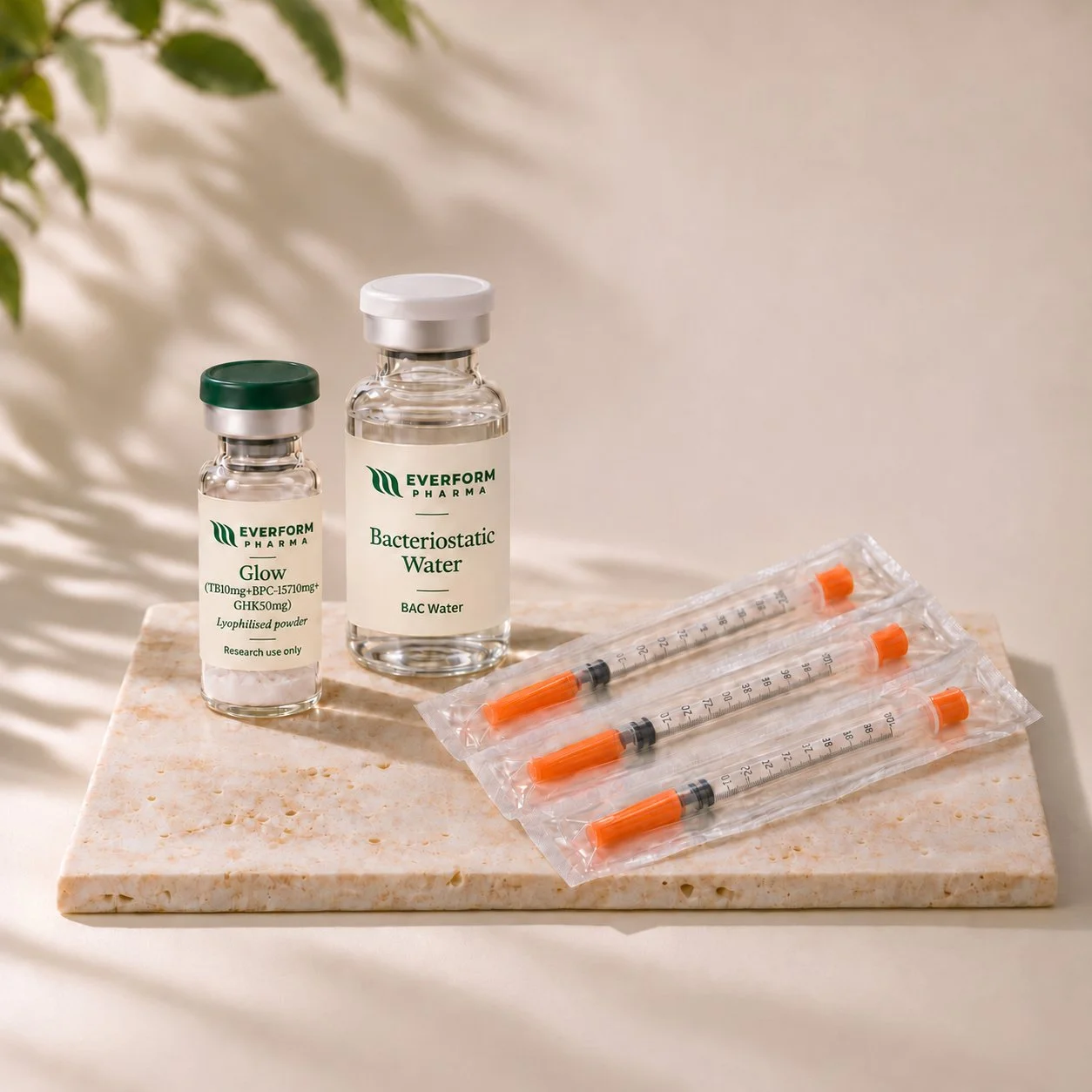 Image 2 of 4
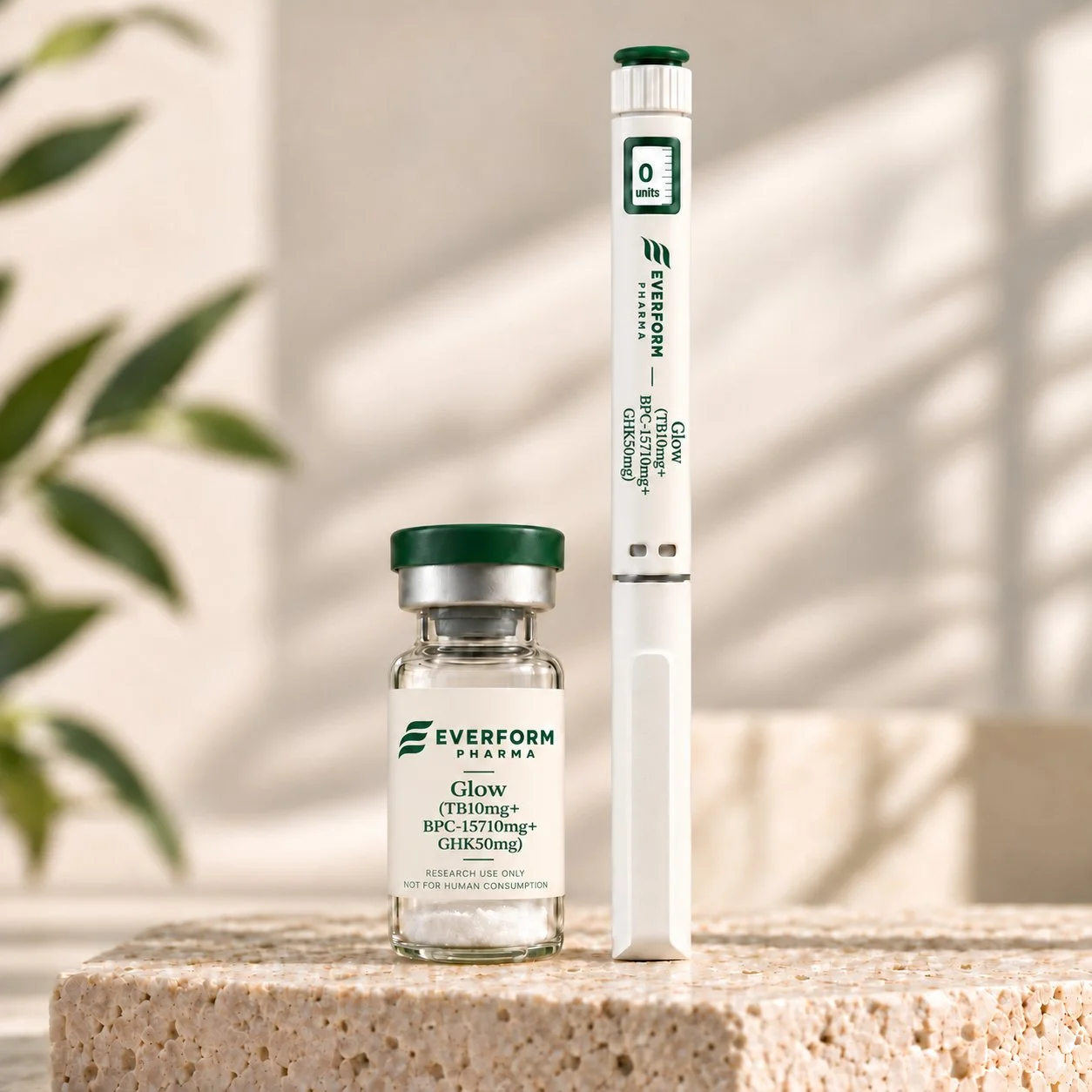 Image 3 of 4
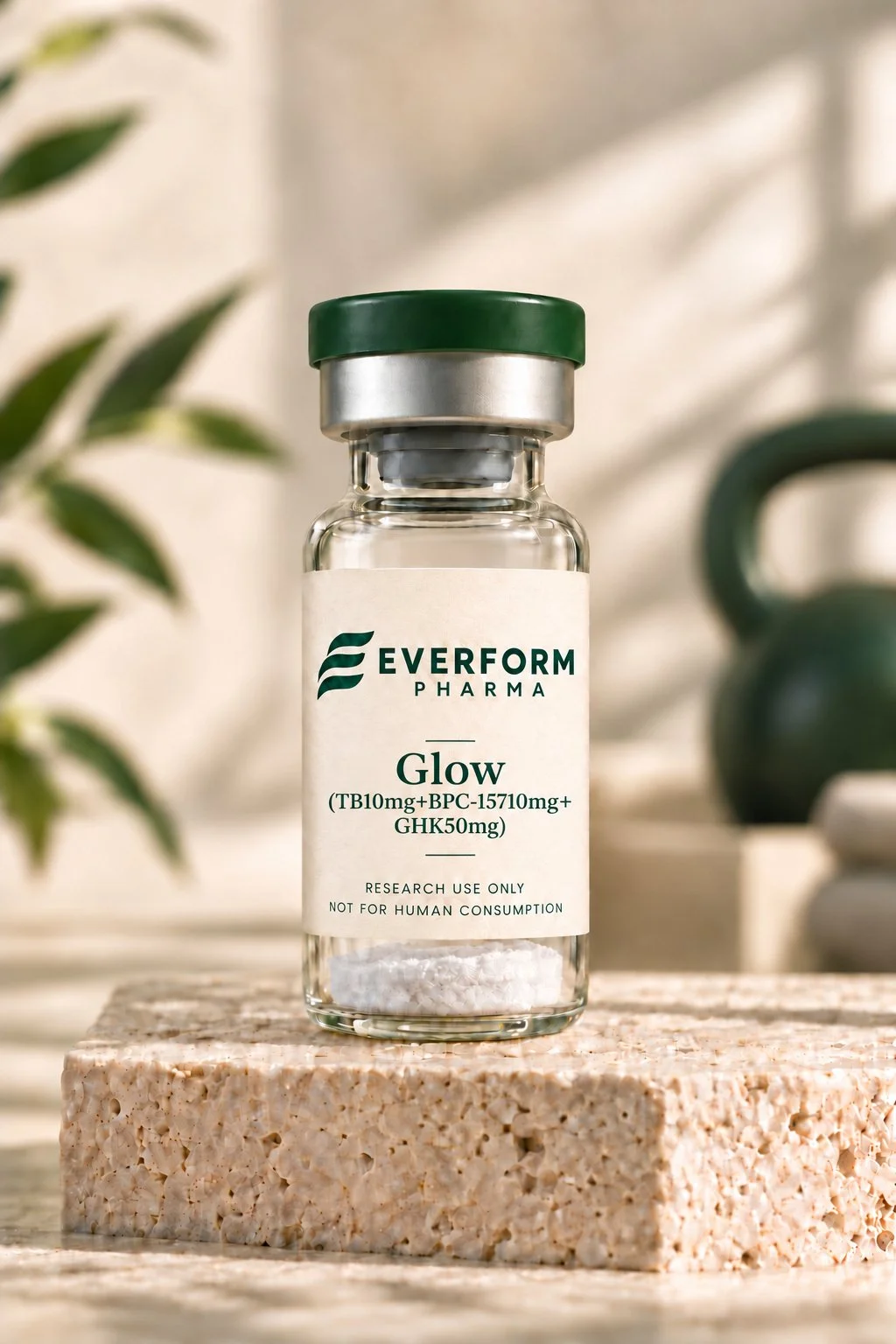 Image 4 of 4
Packaging & supply options
Your format, your way.
The same research peptide, with a choice of accessories and supply formats. Here’s what each option includes.
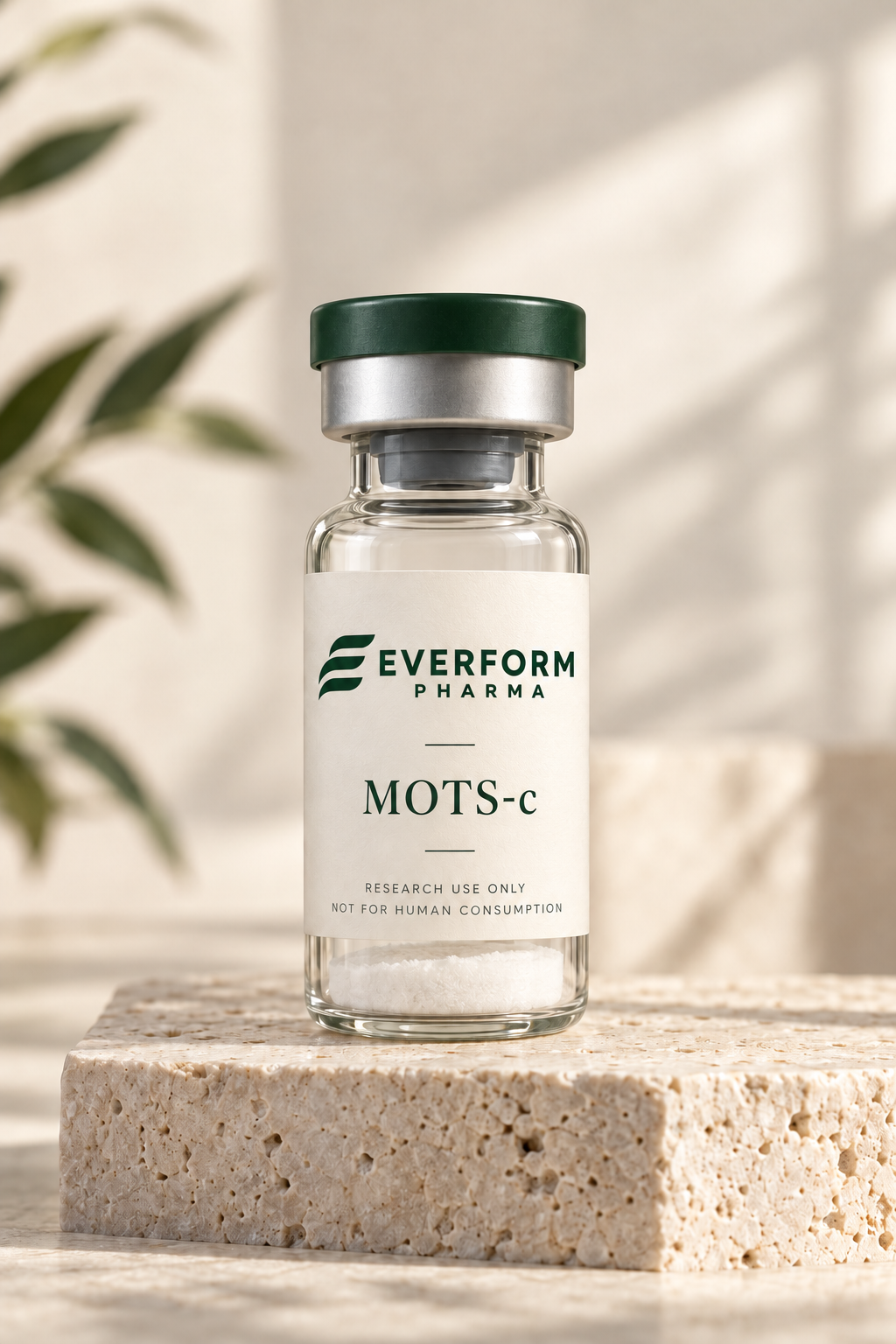
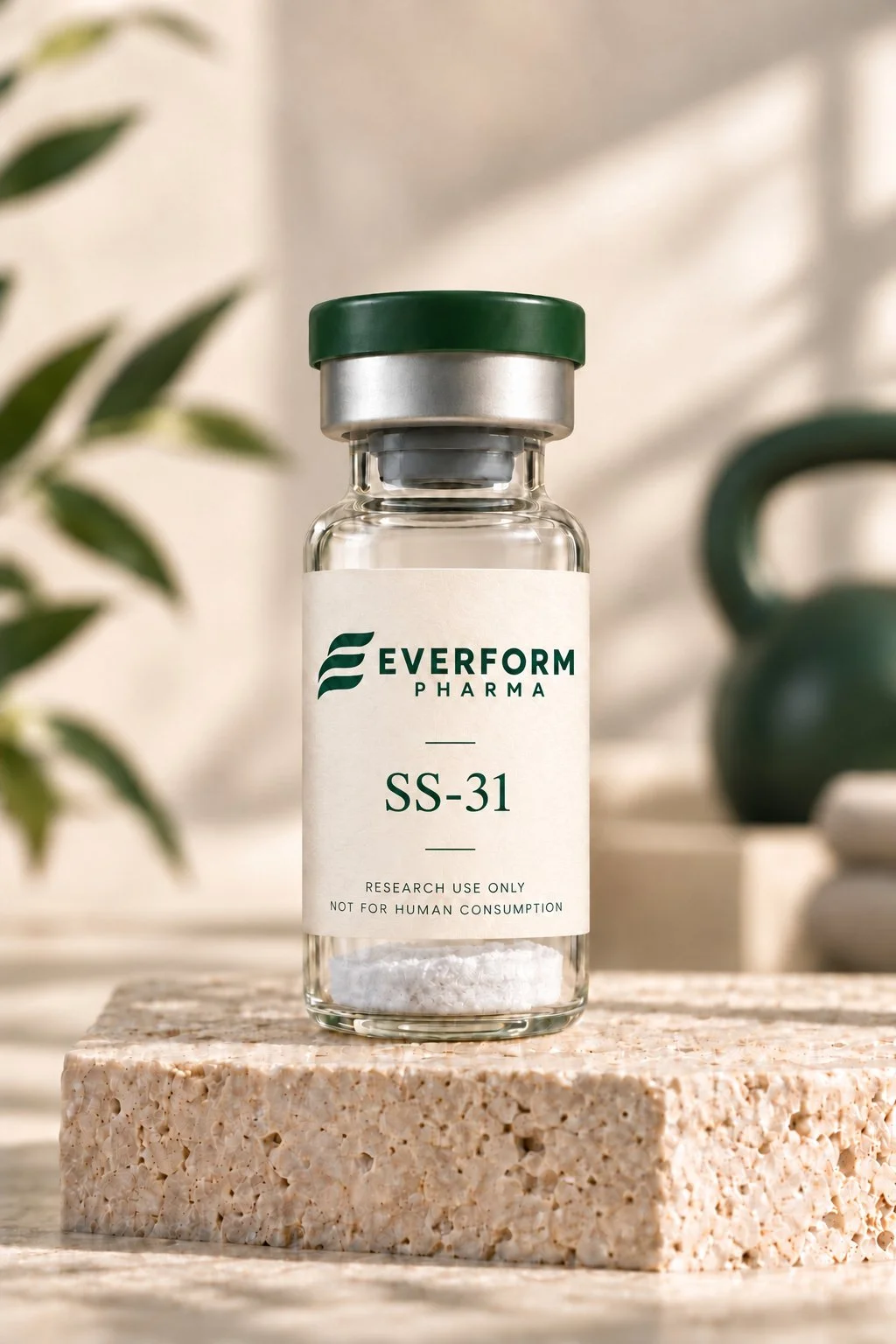
BAC water
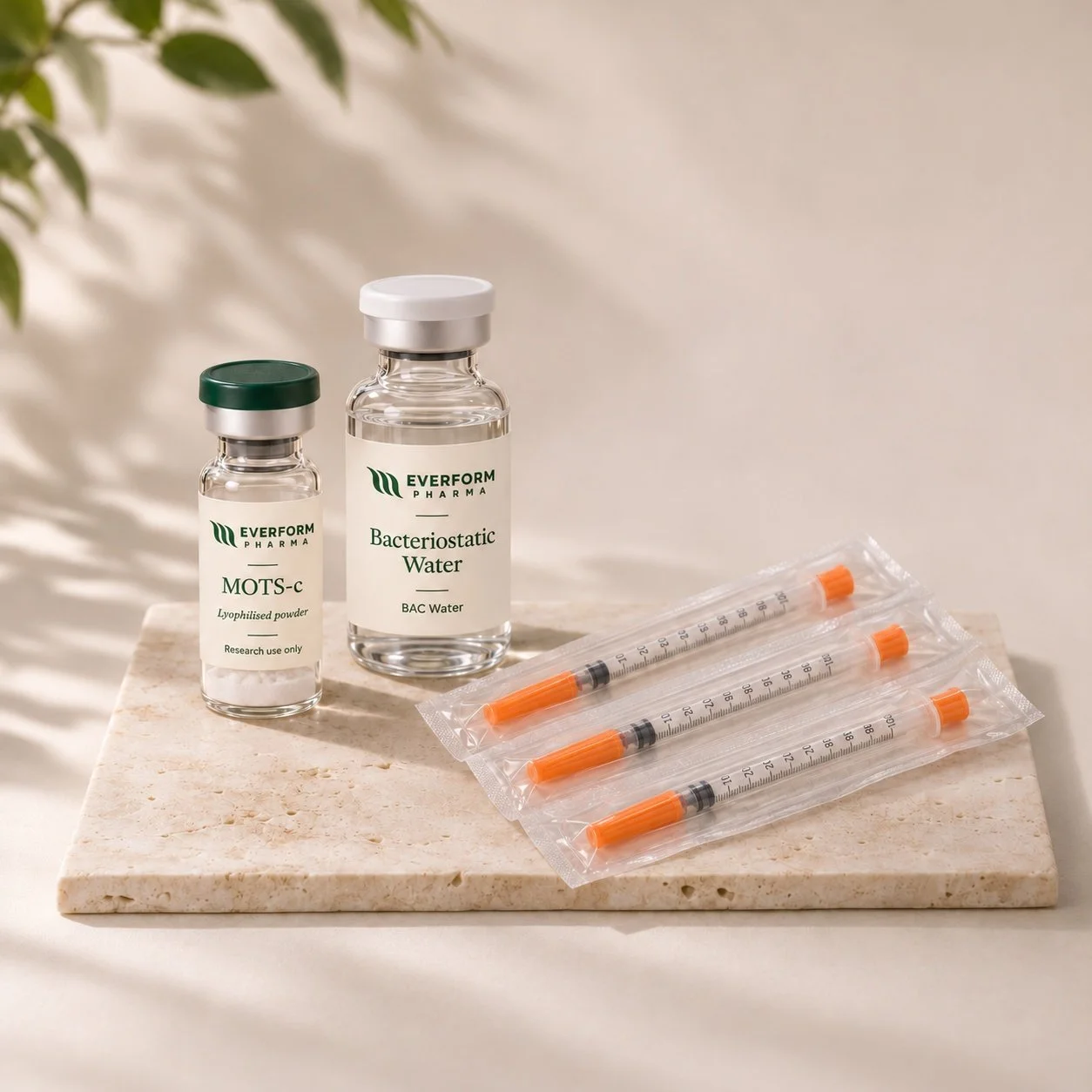
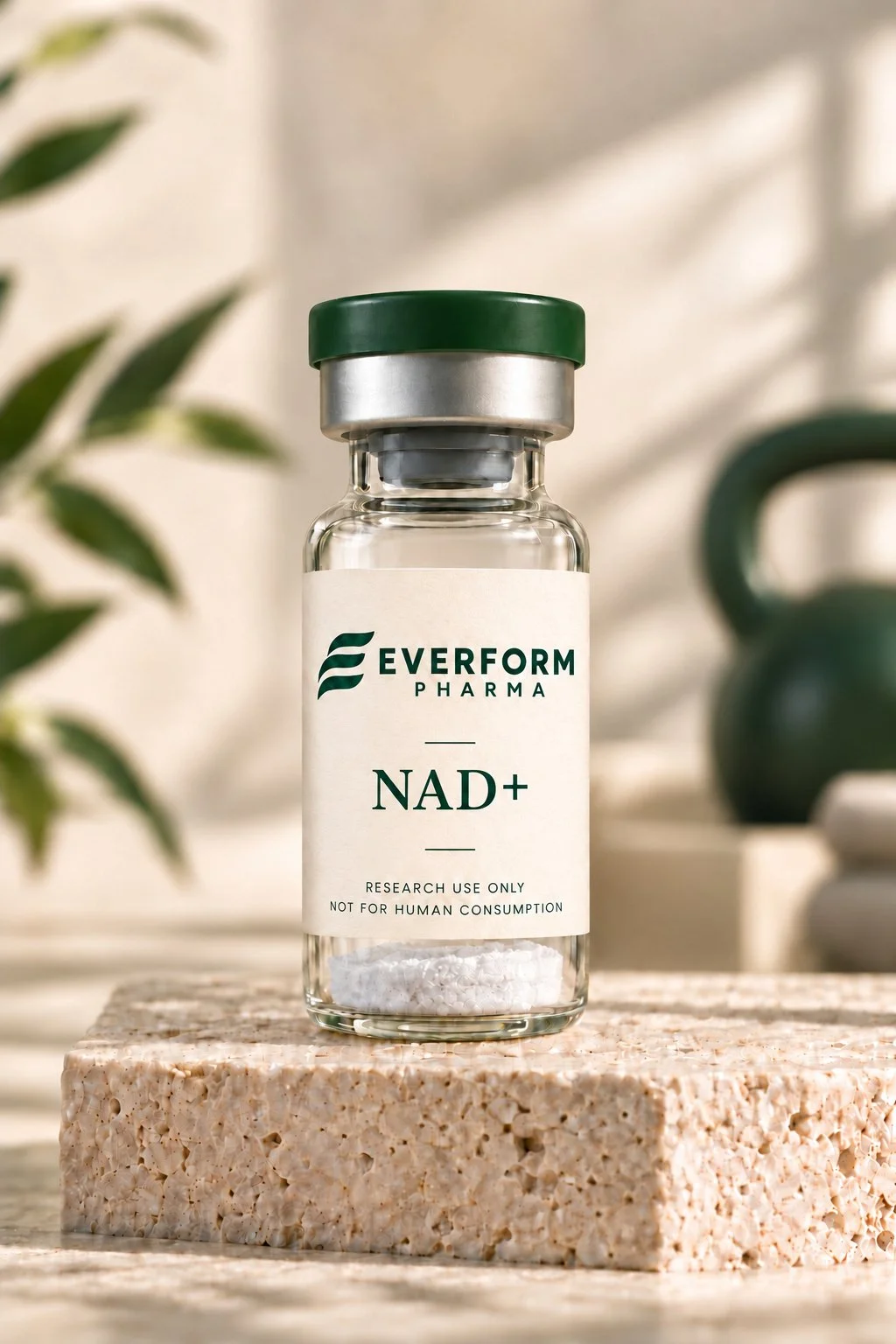
Vial kit
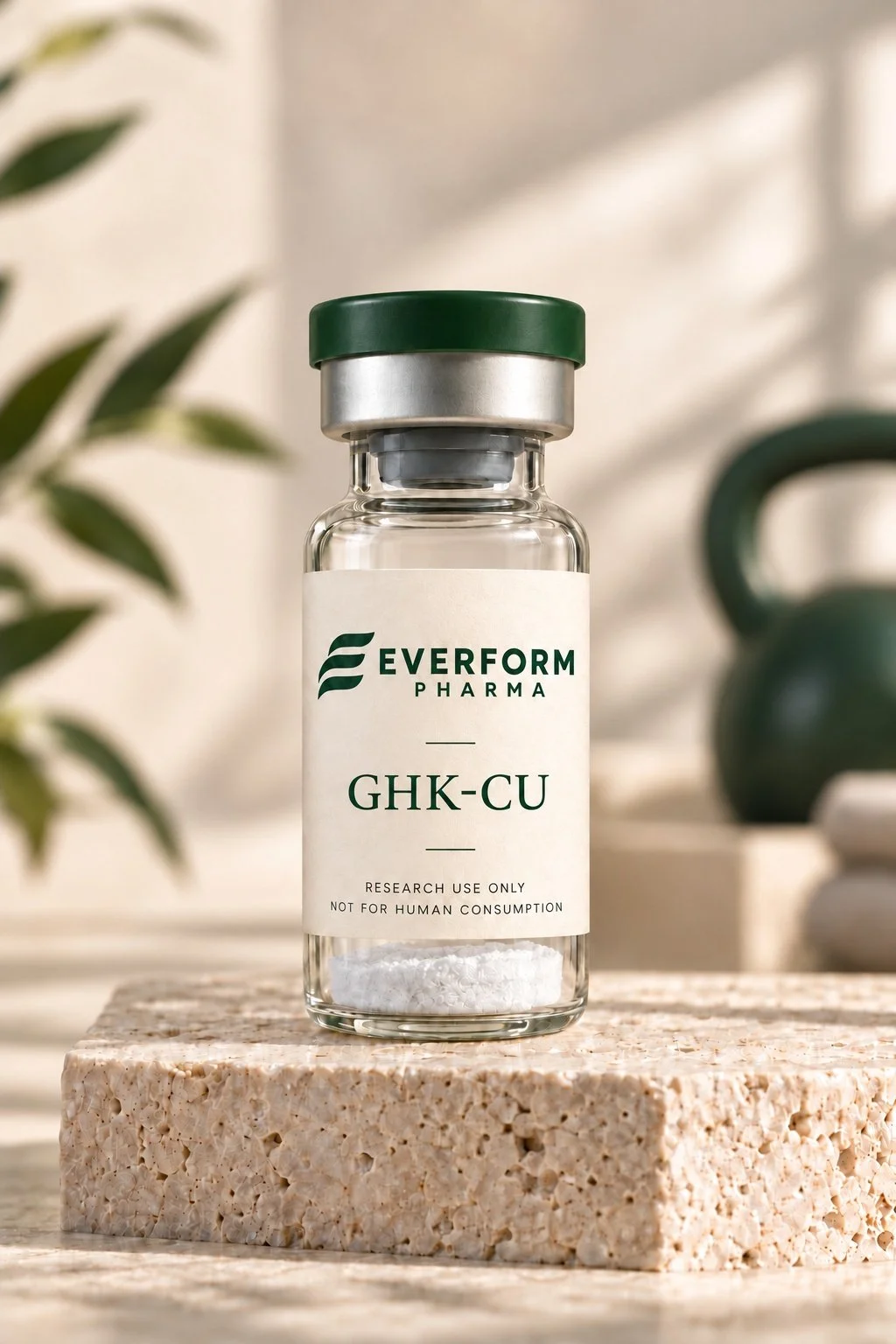
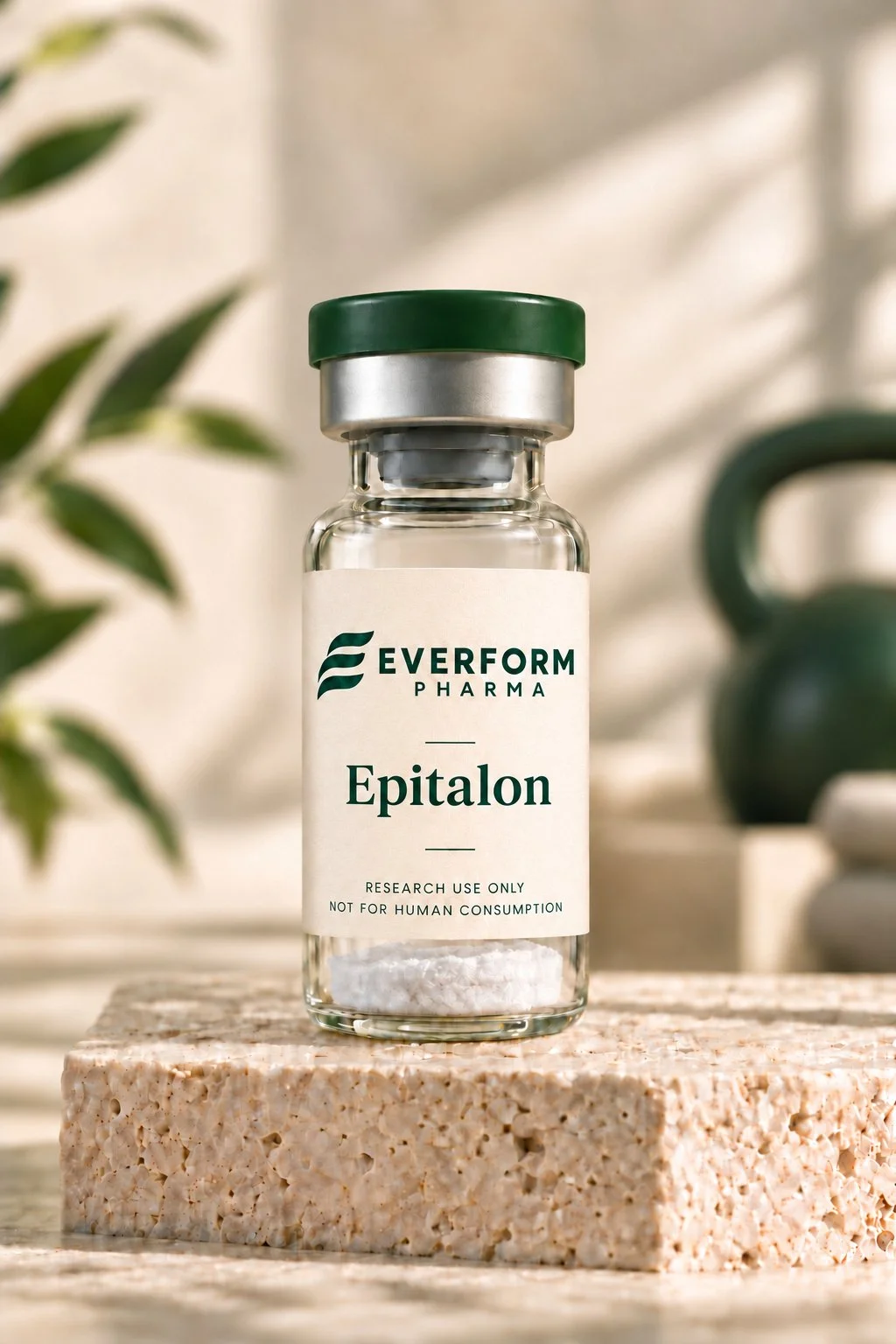
Lyophilised peptide vial with separately packaged, complimentary BAC water.
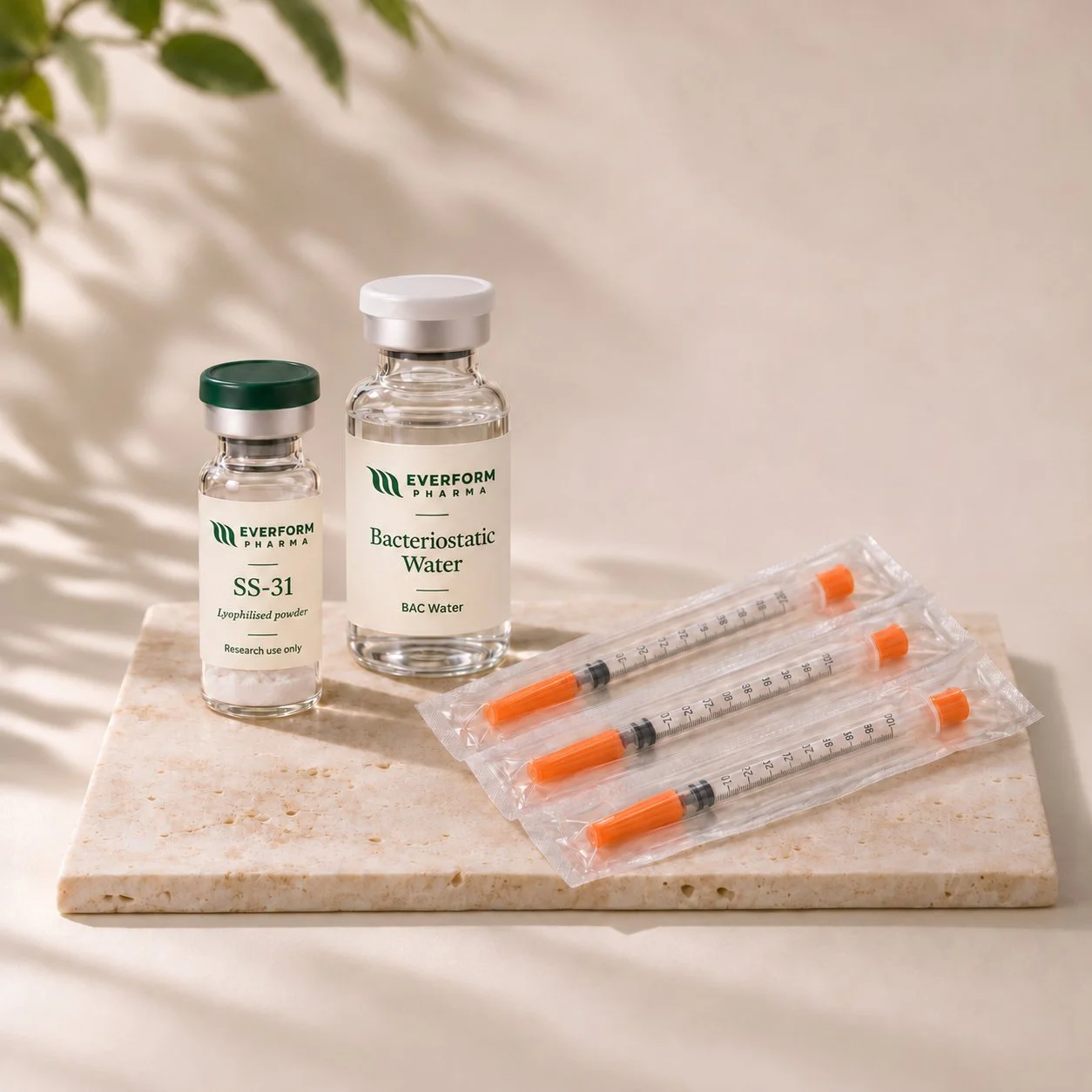
BAC water + syringes
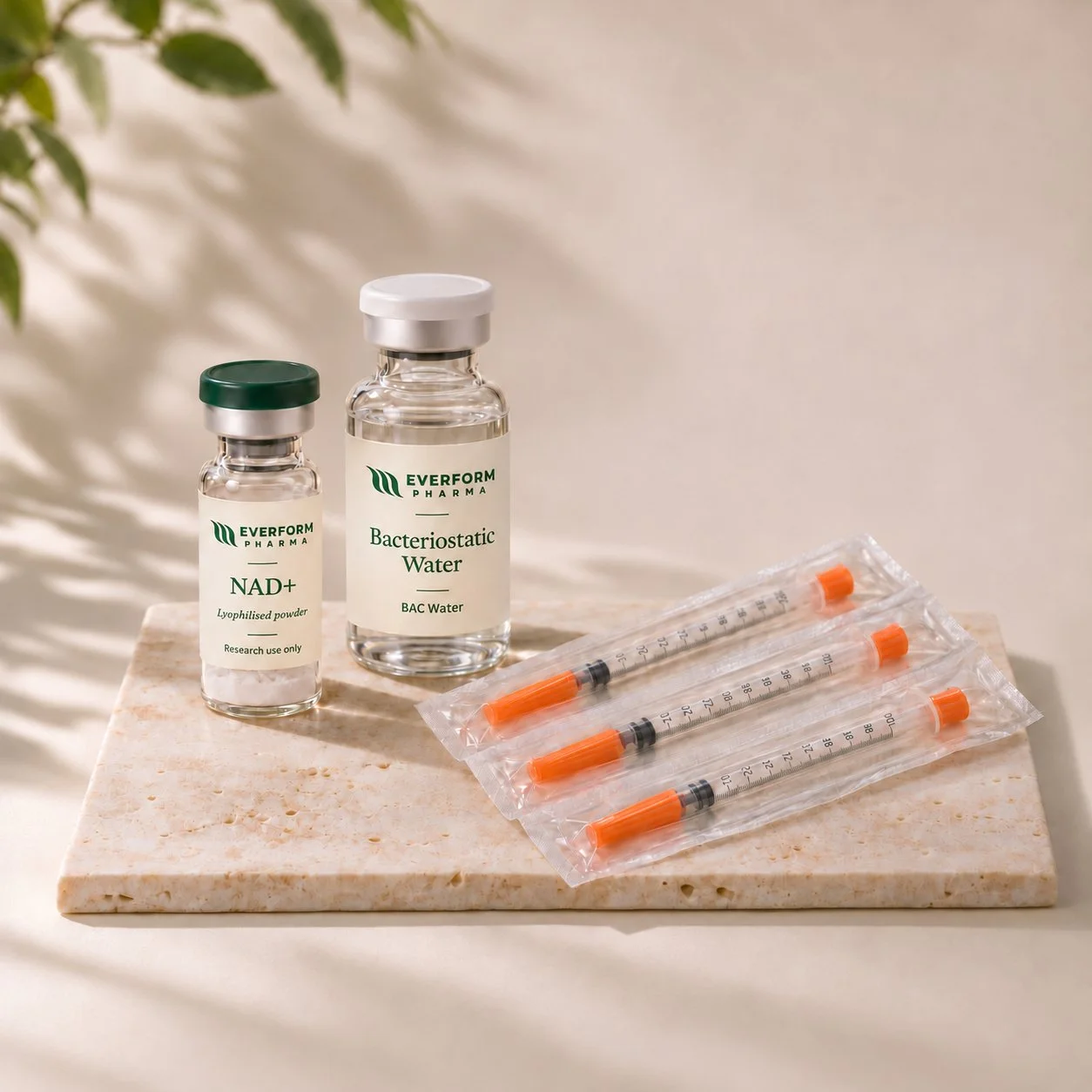
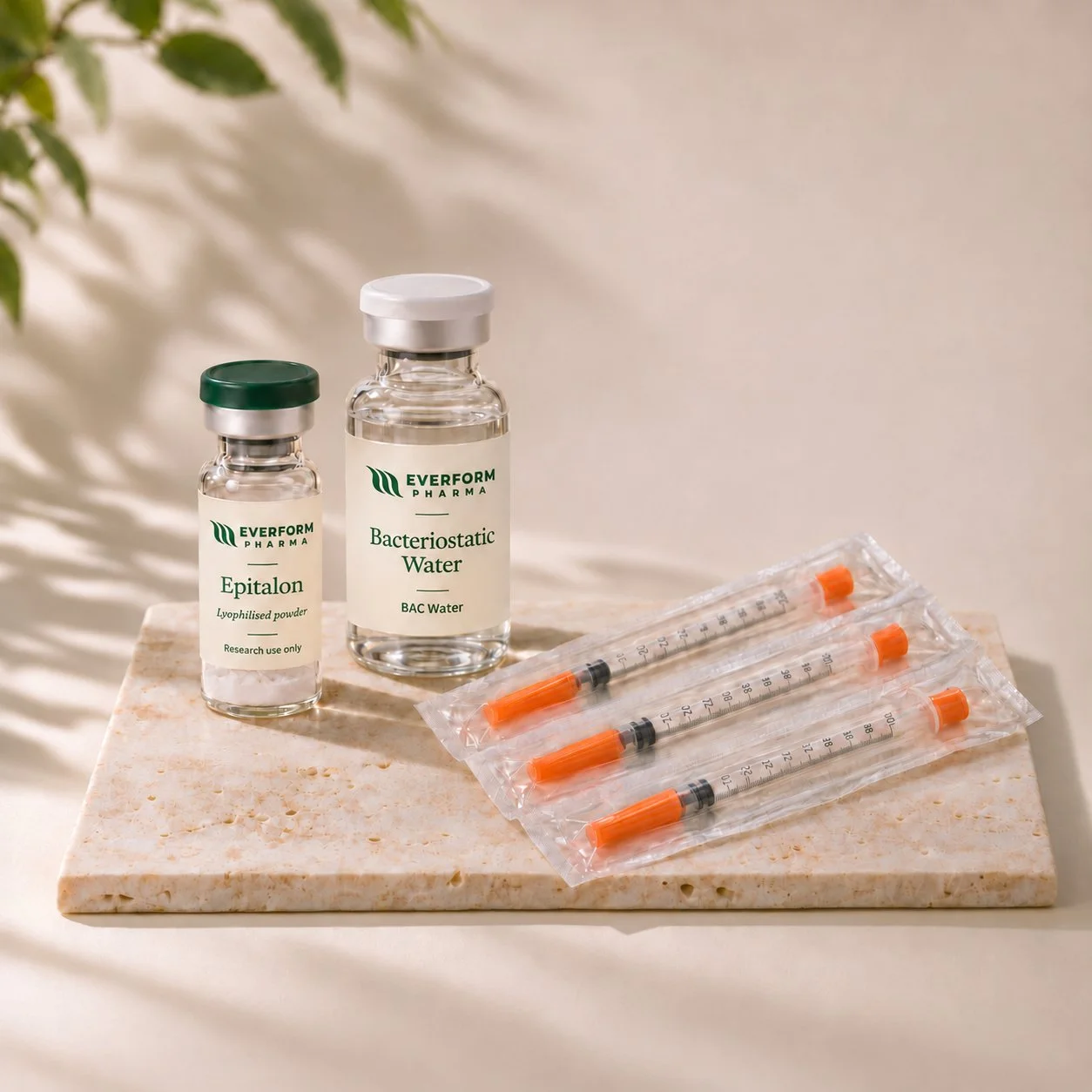
Syringe kit
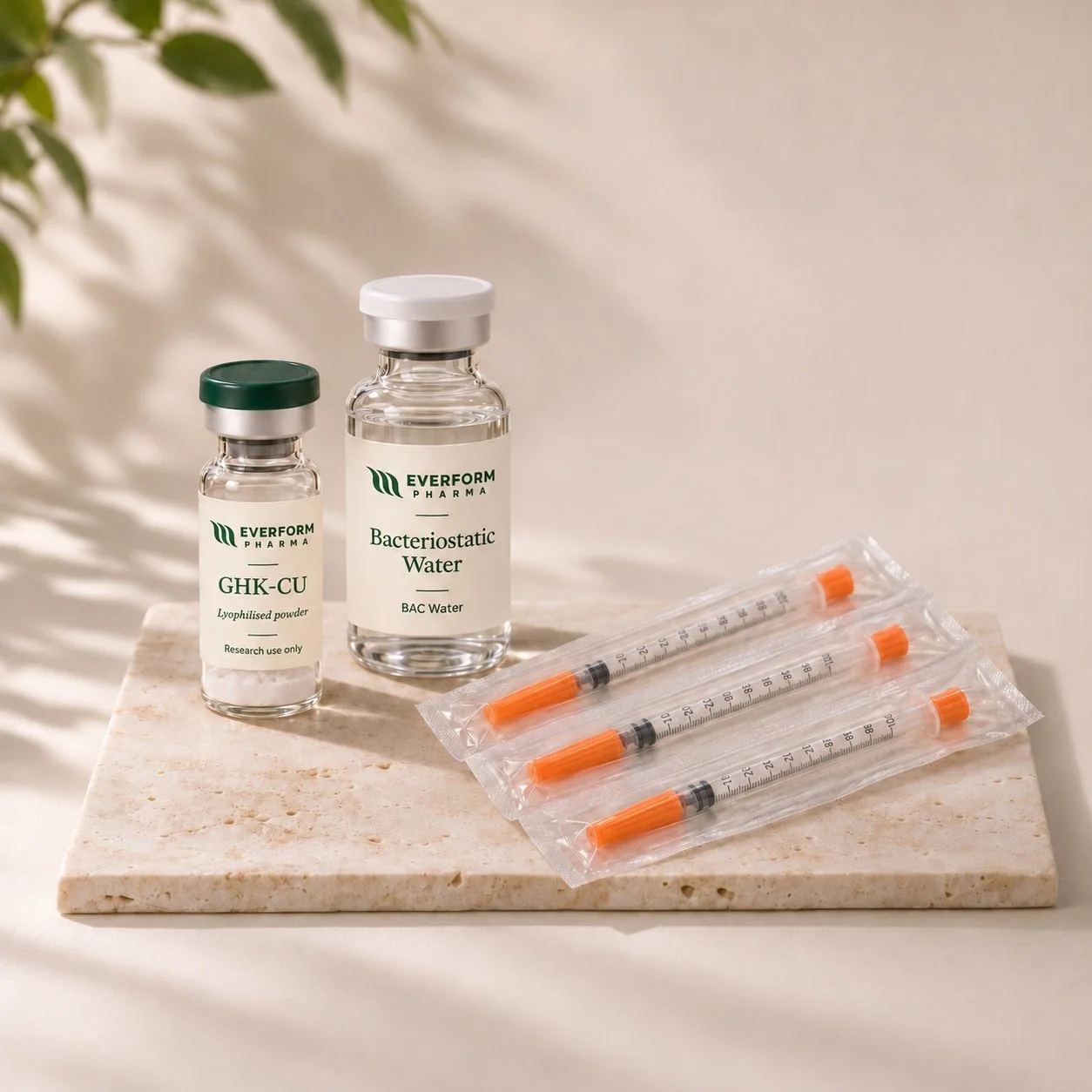
Lyophilised peptide vial, BAC water and syringes.
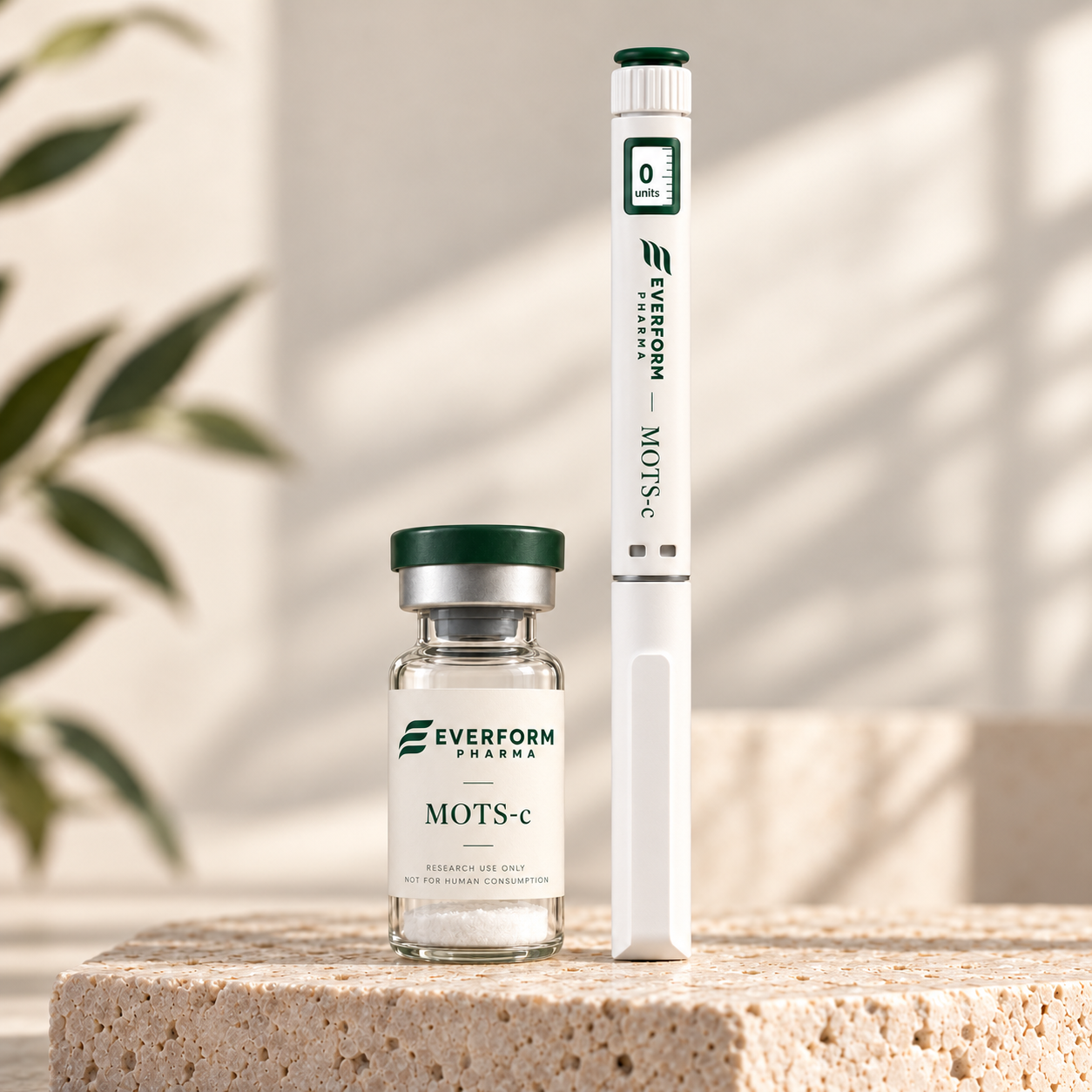
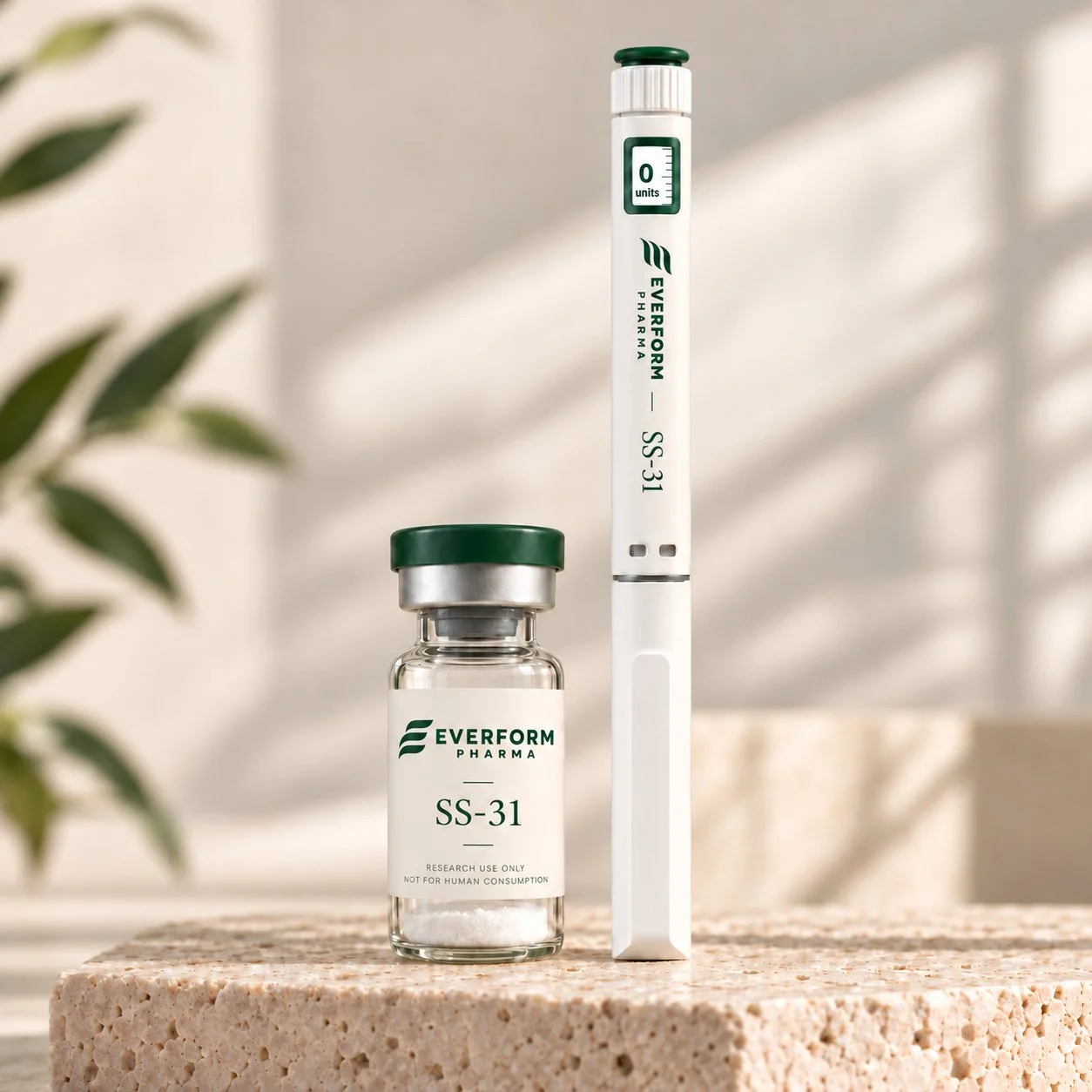
BAC water + pen
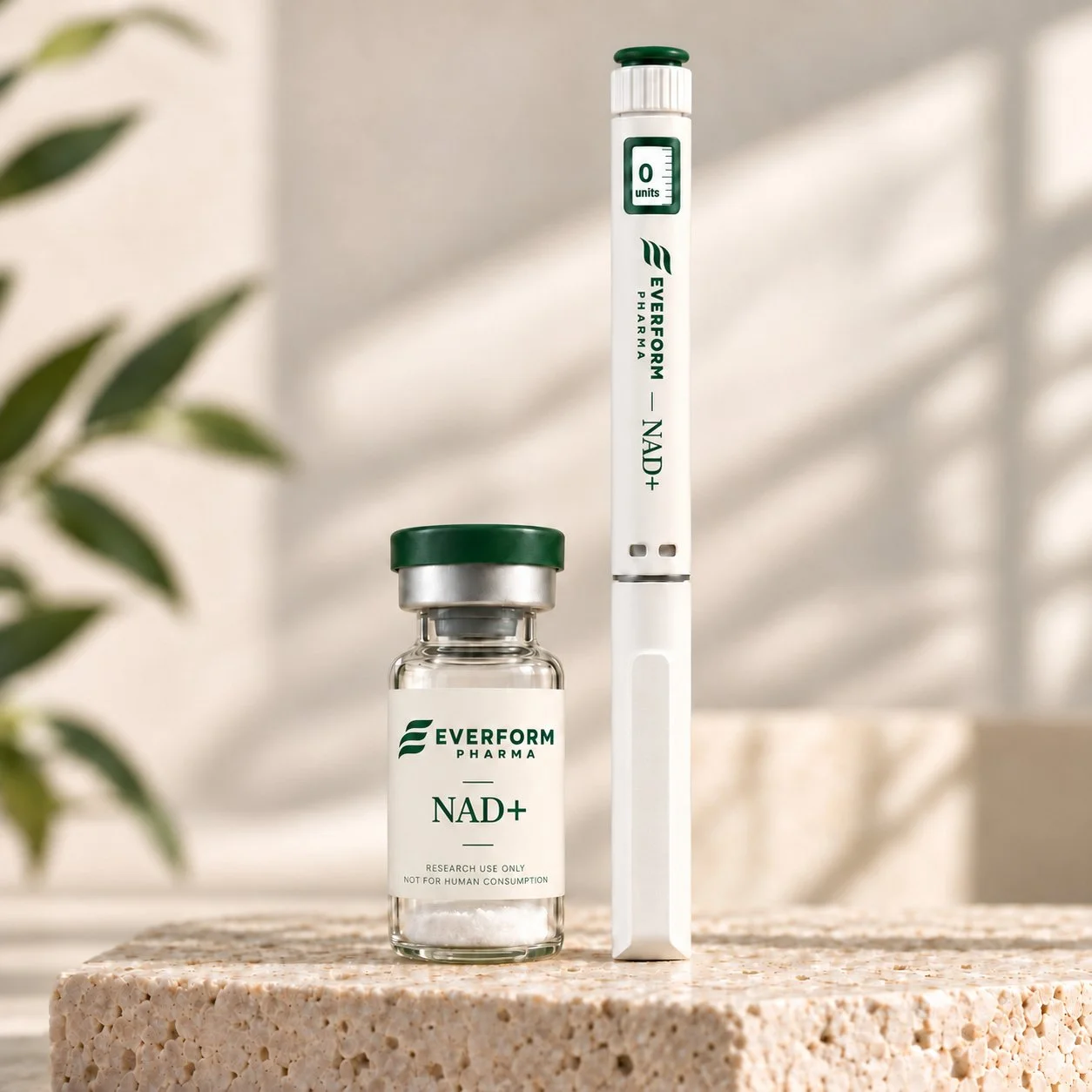
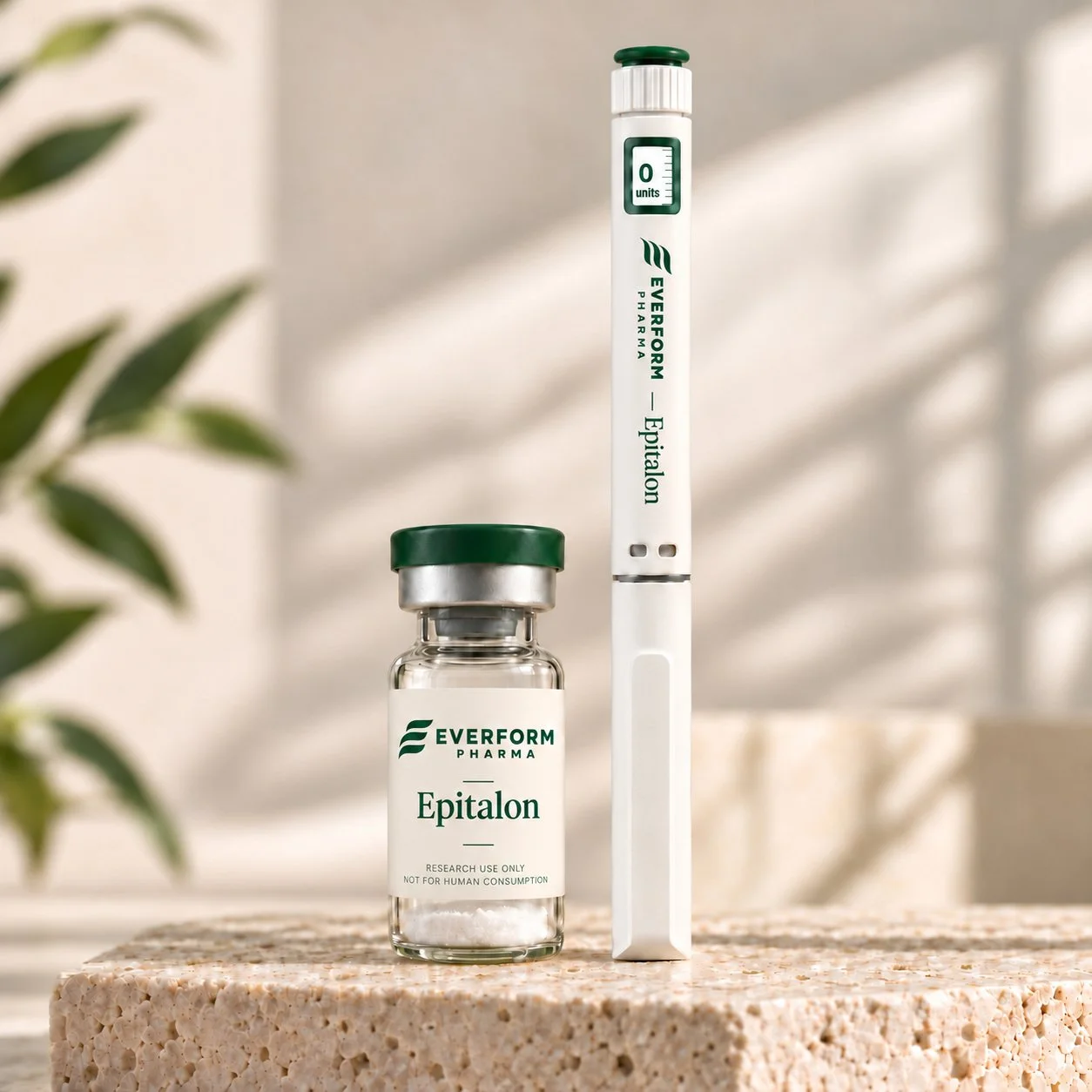
Injection pen kit
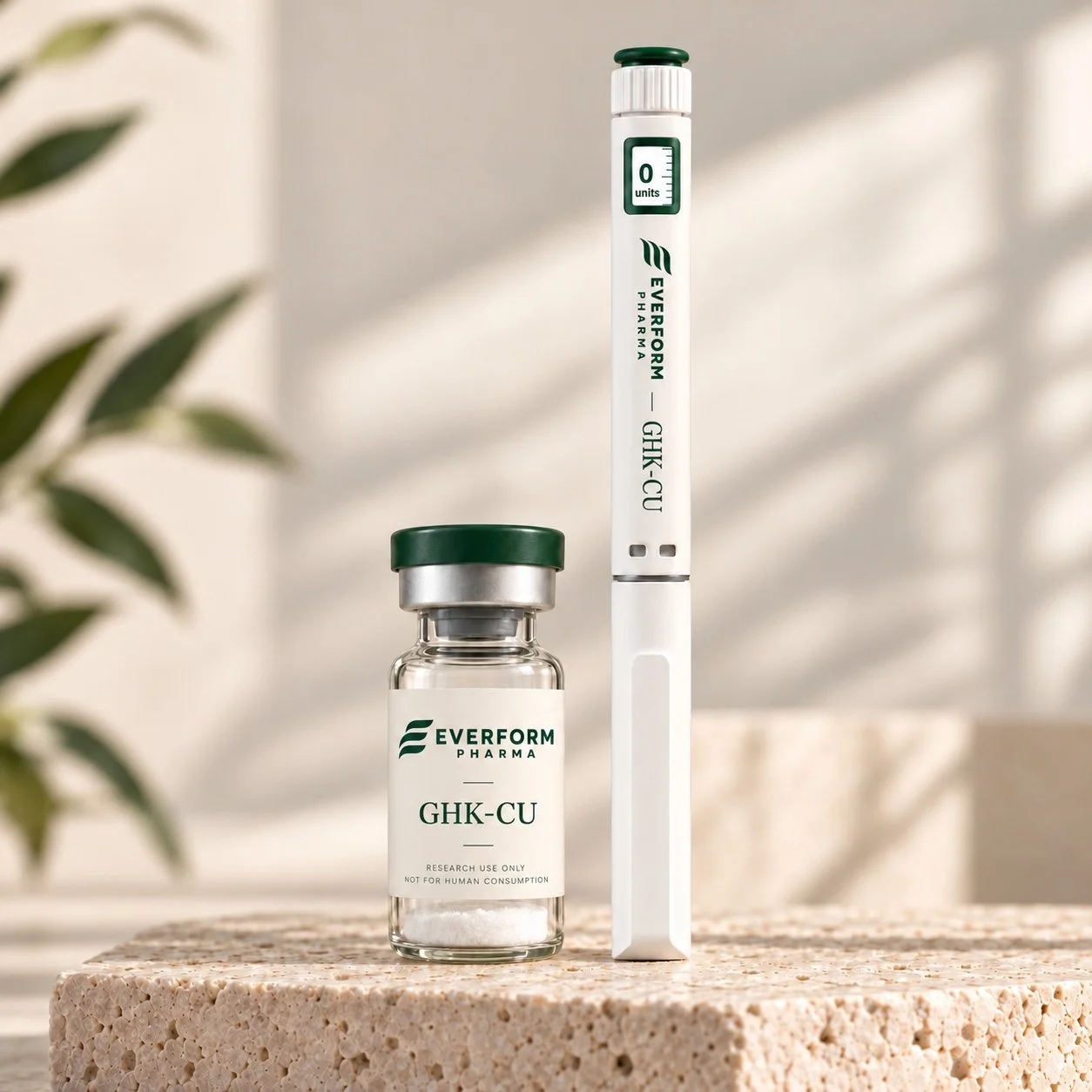
Lyophilised peptide vial, BAC water and an injection pen.
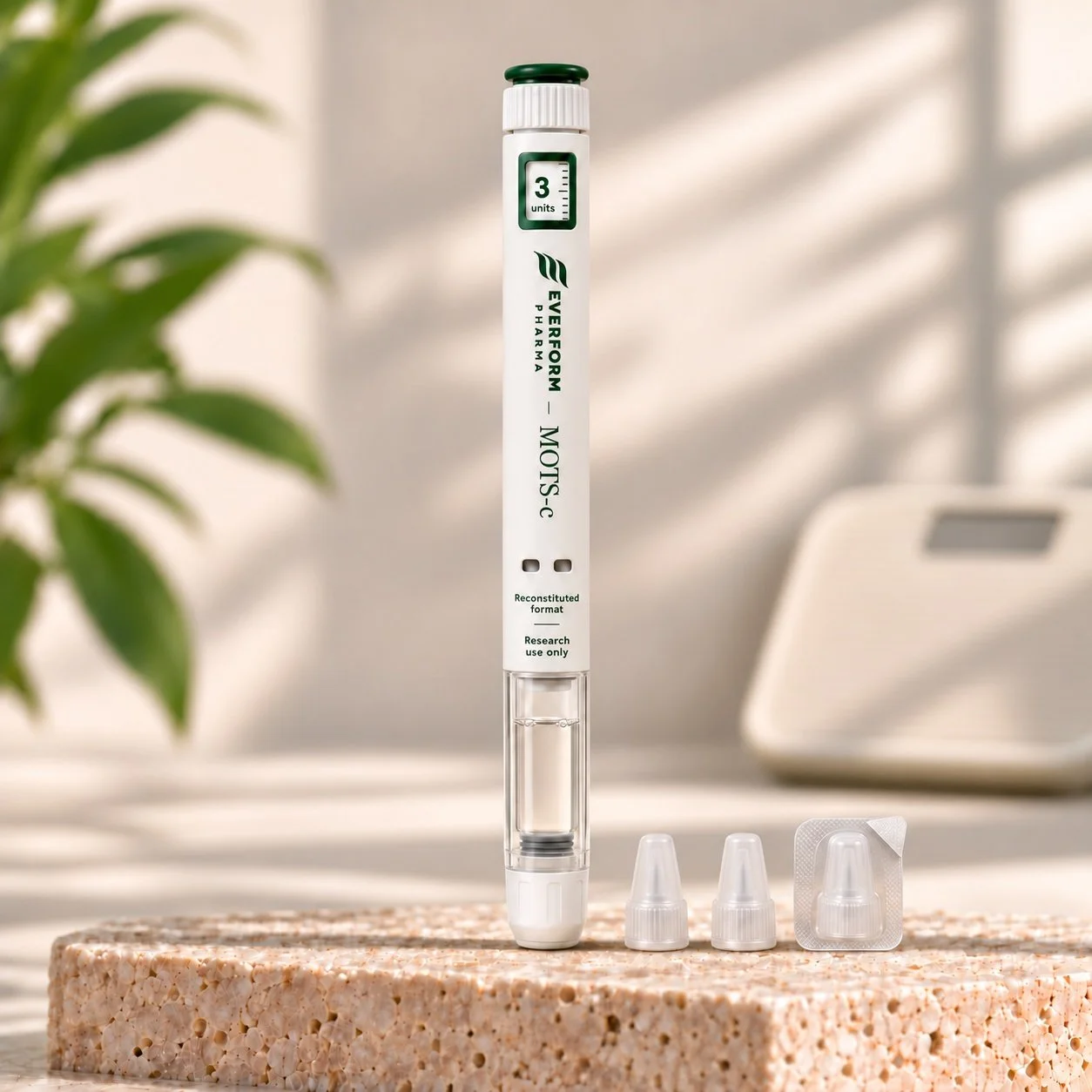
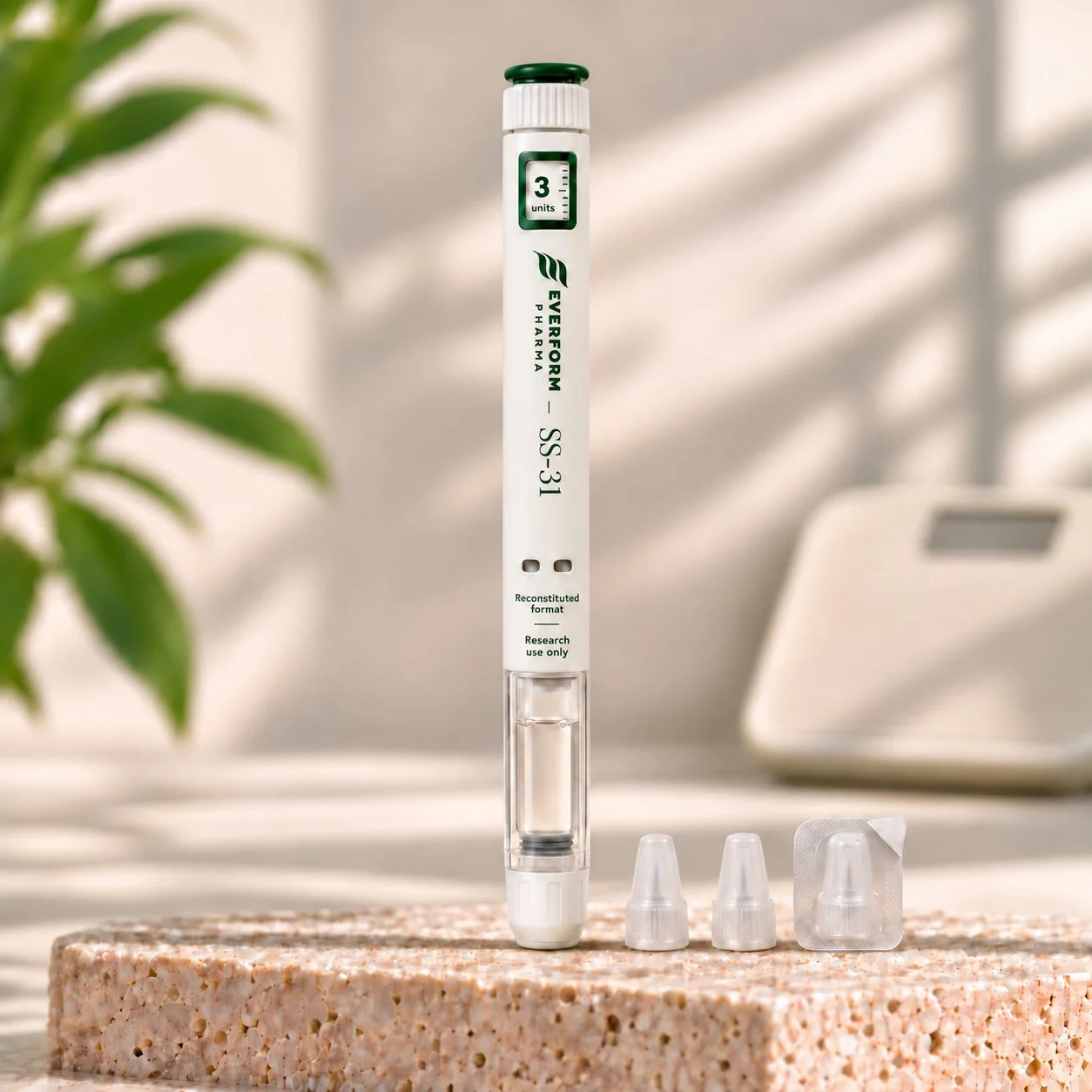
Pen + pen needles
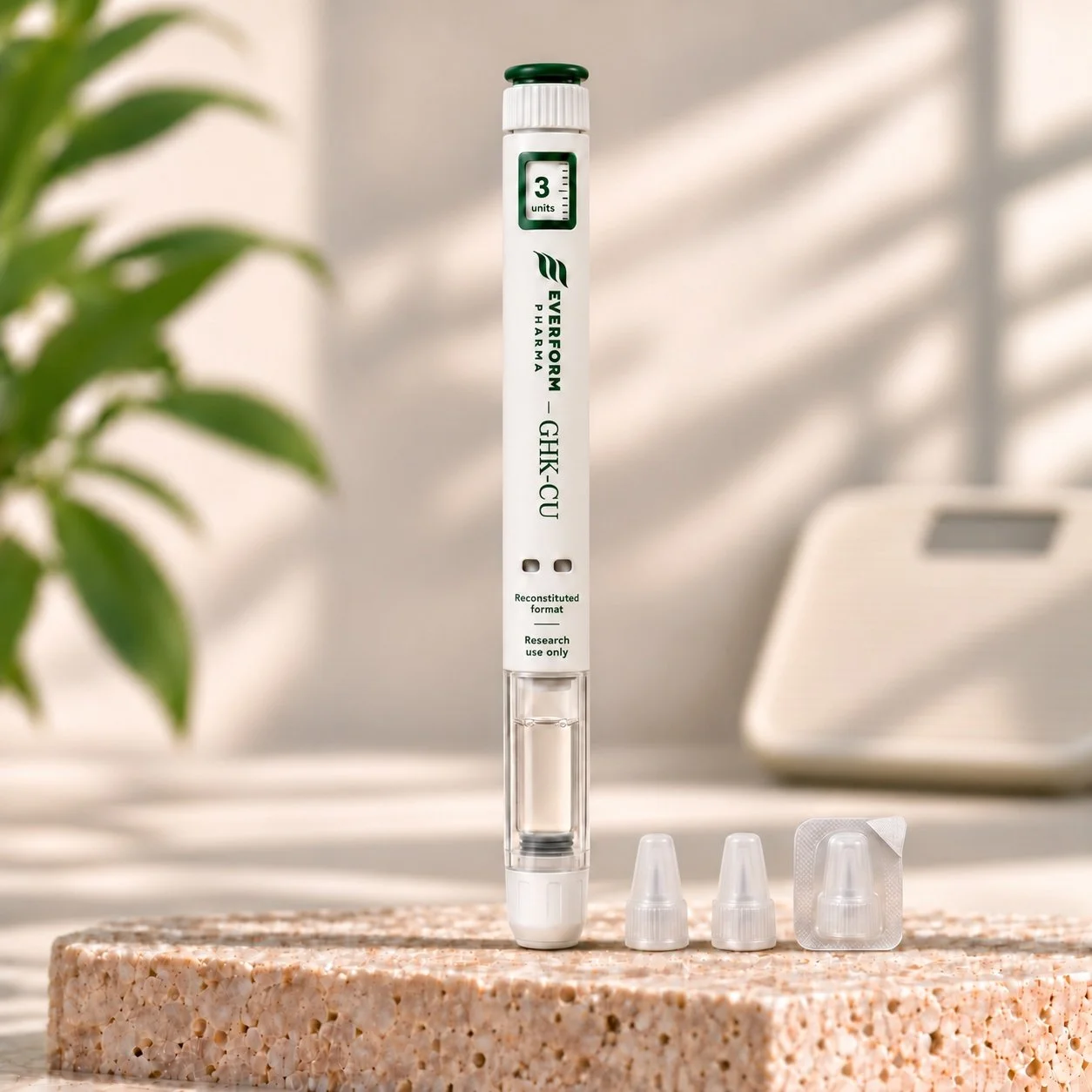
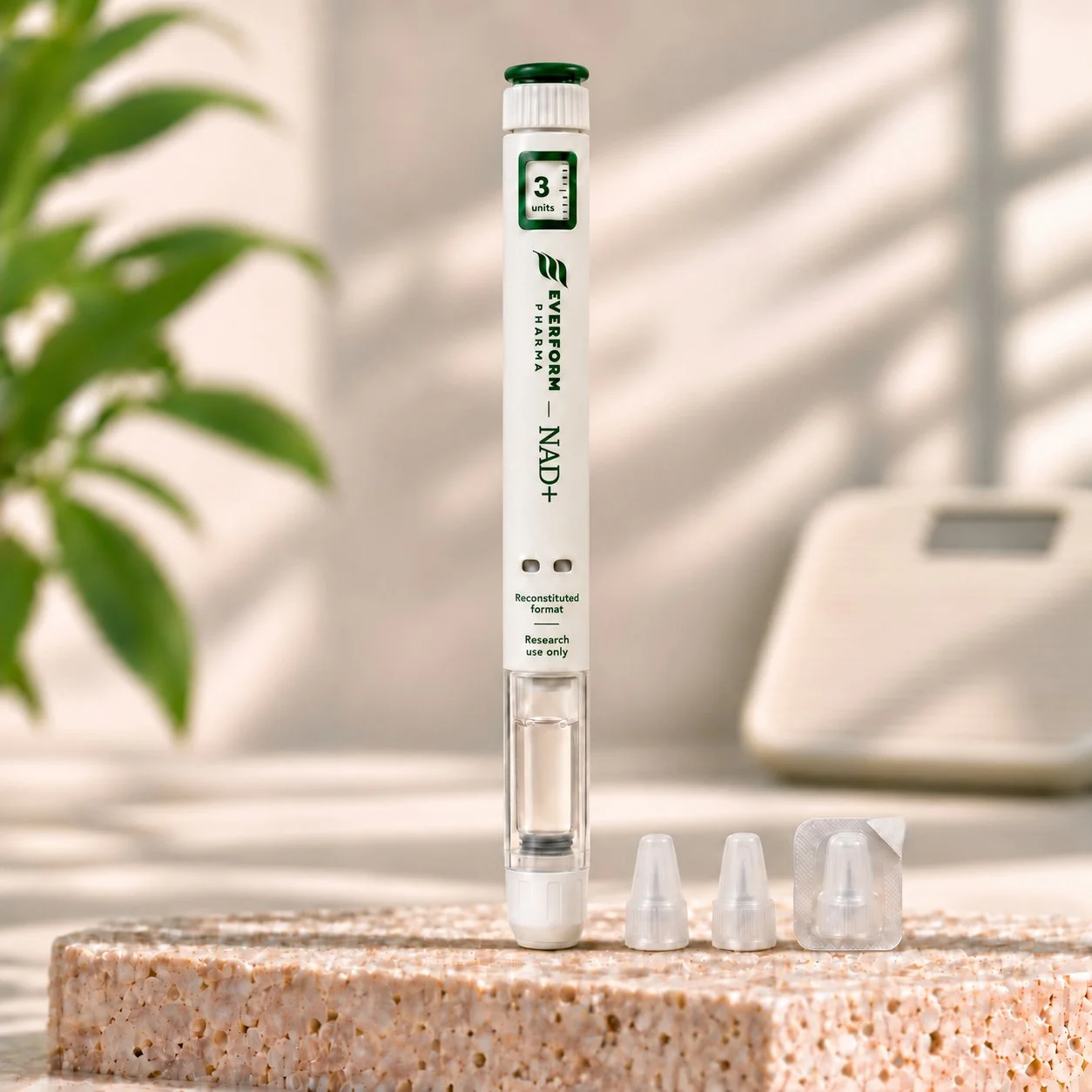
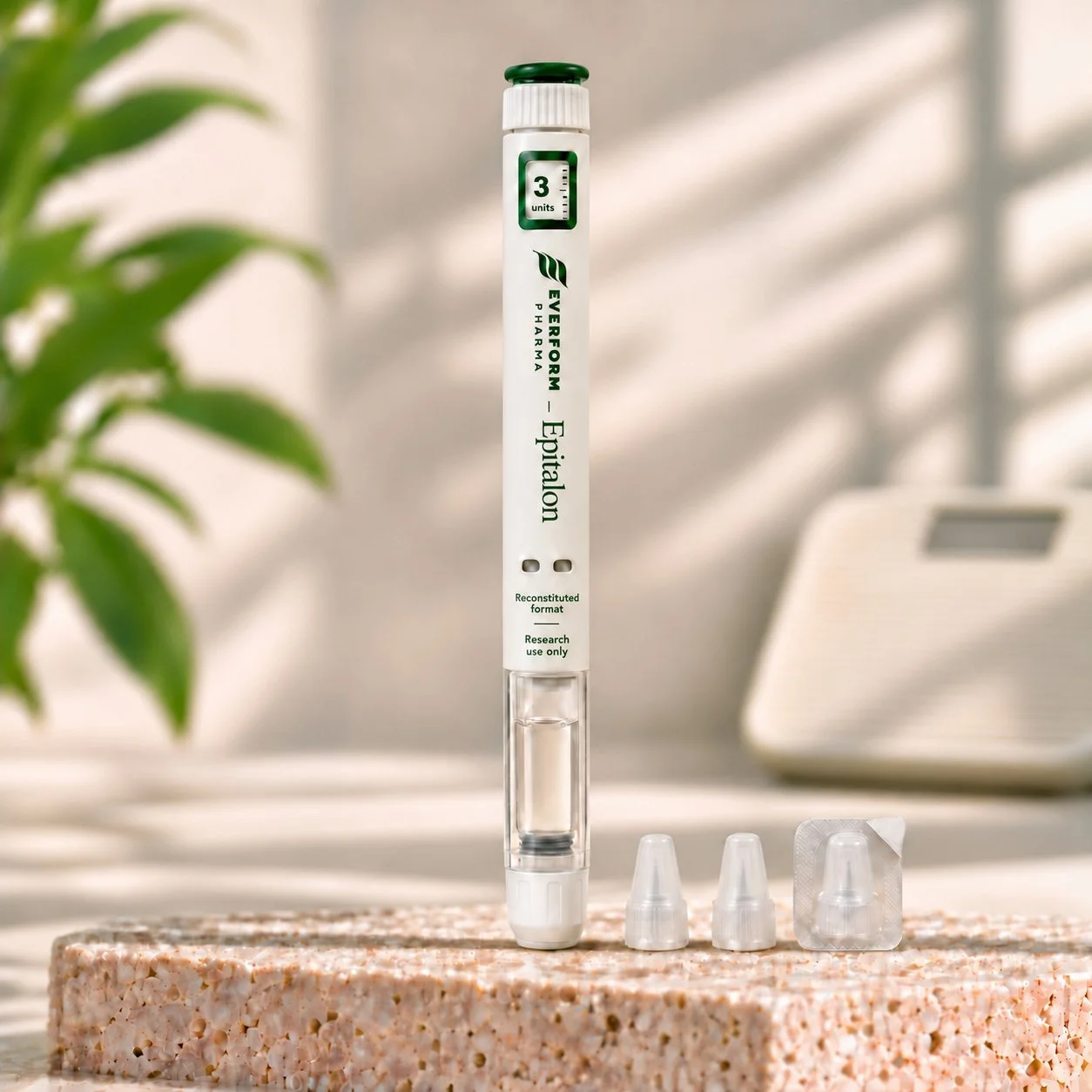
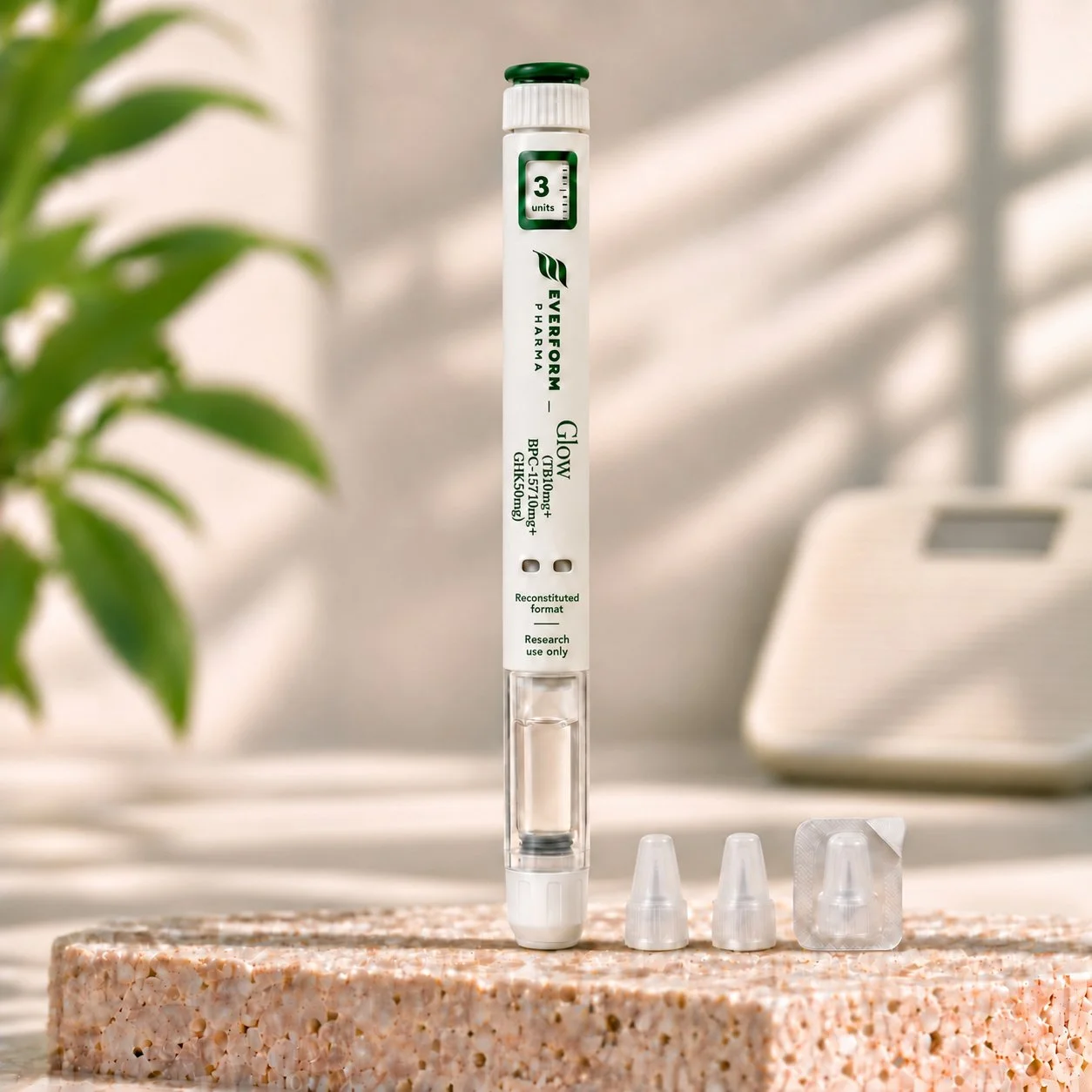
Reconstituted pen
VIETNAM ONLYPeptide solution supplied in a pen at the stated concentration, with pen needles.
For laboratory research only. Not for human or veterinary use.
Everform Pharma · Skin and matrix research
Glow.
Exploring tissue biology.
A 70 mg labelled blend bringing together three research components — with a closer look at collagen biology, cell migration and the evidence behind the ingredients.

What is Glow?
Glow is a blend name rather than one peptide molecule. This product is labelled Glow (TB10mg+BPC-15710mg+GHK50mg): 10 mg TB, 10 mg BPC-157 and 50 mg GHK, totalling 70 mg per vial. These are labelled contents, not a recommended dose.
BPC-157 is a synthetic 15-amino-acid peptide studied in experimental tissue-repair models. GHK is the tripeptide glycyl-histidyl-lysine; GHK-Cu is its copper complex. The collagen studies cited here tested GHK-Cu, which should not be treated as chemically identical to copper-free GHK. [1] [3]
The supplied label abbreviations “TB” and “GHK” need to be matched to the exact identities in the product documentation. The TB-500 name has been used for material containing an acetylated thymosin β4 fragment, which is distinct from full-length thymosin β4. [2]
How it works
The research rationale comes from separate experiments, not a proven mechanism for the whole blend. In rat tendon-cell and explant models, BPC-157 was associated with cell migration, outgrowth and survival under stress, with FAK–paxillin signalling implicated. [1]
GHK-Cu research has examined collagen production and extracellular-matrix accumulation. The extracellular matrix is the supporting network around cells; a change in its laboratory measurements does not automatically mean firmer skin, fewer wrinkles or faster recovery in people. [3] [4]
Related biological pathways do not establish synergy. A rat comparison of BPC-157 and a material named TB-500 found no additional benefit from the pair. That study did not include GHK or GHK-Cu. [5]
MATRIX BIOLOGY
Studying collagen and other structural molecules in defined experimental systems.
BLEND CHARACTERISATION
Establishing component identities, measured contents and compatibility before comparing materials.
Main research areas
| Research area | Evidence and limits |
|---|---|
| Collagen synthesis | GHK-Cu stimulated collagen synthesis in fibroblast cultures. This was a cell experiment, not a trial of the Glow blend. [3] |
| Connective-tissue accumulation | A GHK-Cu study measured collagen and related matrix components in experimental rat wound chambers. It did not evaluate cosmetic outcomes in people. [4] |
| Tendon-cell behaviour | BPC-157 research examined rat-derived tendon cells and explants outside the body. [1] |
| Combination effects | A two-component rat experiment did not show an added benefit from combining BPC-157 with the study’s TB-500 material. It does not establish the effect of adding a third component. [5] |
The cited biological experiments are cell or animal studies. They do not demonstrate clinical efficacy or safety of this three-component product.
What published findings show
Collagen research in cells: Maquart and colleagues reported that GHK-Cu increased collagen synthesis in fibroblast cultures independently of a change in cell number. This supports a specific laboratory finding, not a promise of visible skin improvement from Glow. [3]
Matrix research in rats: A later Maquart study used implanted wound chambers in rats. GHK-Cu was associated with increased collagen, glycosaminoglycans and other measured tissue components. This experimental wound environment differs from intact human skin and from a multi-component vial. [4]
BPC-157 research: Chang and colleagues observed increased migration and outgrowth in rat-derived tendon models. These results were obtained with BPC-157, not a TB/BPC-157/GHK mixture. [1]
Testing a related pair: Biçer and colleagues compared control, BPC-157, TB-500 and combination groups in 32 rats after Achilles tendon repair. Some tissue and mechanical measures favoured treatment groups, but combining the two materials did not provide an additional benefit. The experiment did not test Glow or a 10:10:50 blend. [5]
The cited papers do not establish three-way synergy, reliable wrinkle reduction, hair regrowth or accelerated injury recovery from Everform Glow. Ingredient findings cannot substitute for research on the complete, characterised formulation.
The Everform product, at a glance
Product labelGlow (TB10mg+BPC-15710mg+GHK50mg)
Total labelled vial amount70 mg
Labelled TB content10 mg
Labelled BPC-157 content10 mg
Labelled GHK content50 mg
Vial formatLyophilised powder
Everform Pharma is based in Da Nang, Vietnam. The total is 10 mg + 10 mg + 50 mg = 70 mg. These figures describe labelled vial content, not a dose or concentration. Complimentary BAC water is included with every order.
Explore Your format, your way →
Check the documentation for the exact TB material, whether the GHK component is copper-complexed, and the basis for each reported amount. This article preserves the supplied label wording and does not independently confirm those chemical identities.
The full REF on the product should match the relevant documentation. The security sticker repeats the product identifier and should match the vial or pen; it is not a separate new ID. Follow the actual label for storage and expiry.
For a blend, an overall chromatographic purity percentage alone does not verify the quantity of each component, copper complexation, compatibility, sterility or stability. Each claimed property needs relevant analytical or formulation evidence.
Common questions
Does 70 mg mean 70 mg of each component?
No. The total is TB 10 mg + BPC-157 10 mg + GHK 50 mg.
Are GHK and GHK-Cu interchangeable names?
They should not be assumed interchangeable. GHK-Cu is a copper complex of GHK; the cited collagen and rat-wound studies tested that complex. Confirm the supplied form in the documentation. [3] [4]
Does “TB” establish the exact peptide sequence?
No. The label abbreviation needs to match a documented identity. Analytical literature on a TB-500 product identified an acetylated fragment of thymosin β4, not the full-length parent peptide. [2]
Is the three-component blend clinically proven?
The cited studies do not establish its clinical efficacy or safety. They investigated individual materials or a related two-component animal comparison.
Does adding a third component prove synergy?
No. A blend needs direct comparison with its components to establish an interaction. The cited two-component rat study found no added benefit and did not include GHK-Cu. [5]
Is the labelled vial amount an administration instruction?
No. The component amounts and 70 mg total describe contents only; they are not a dose, concentration, schedule or protocol.
References
Everform Pharma · Da Nang, Vietnam
Educational product information.
For laboratory research only.
Not for human or veterinary use.