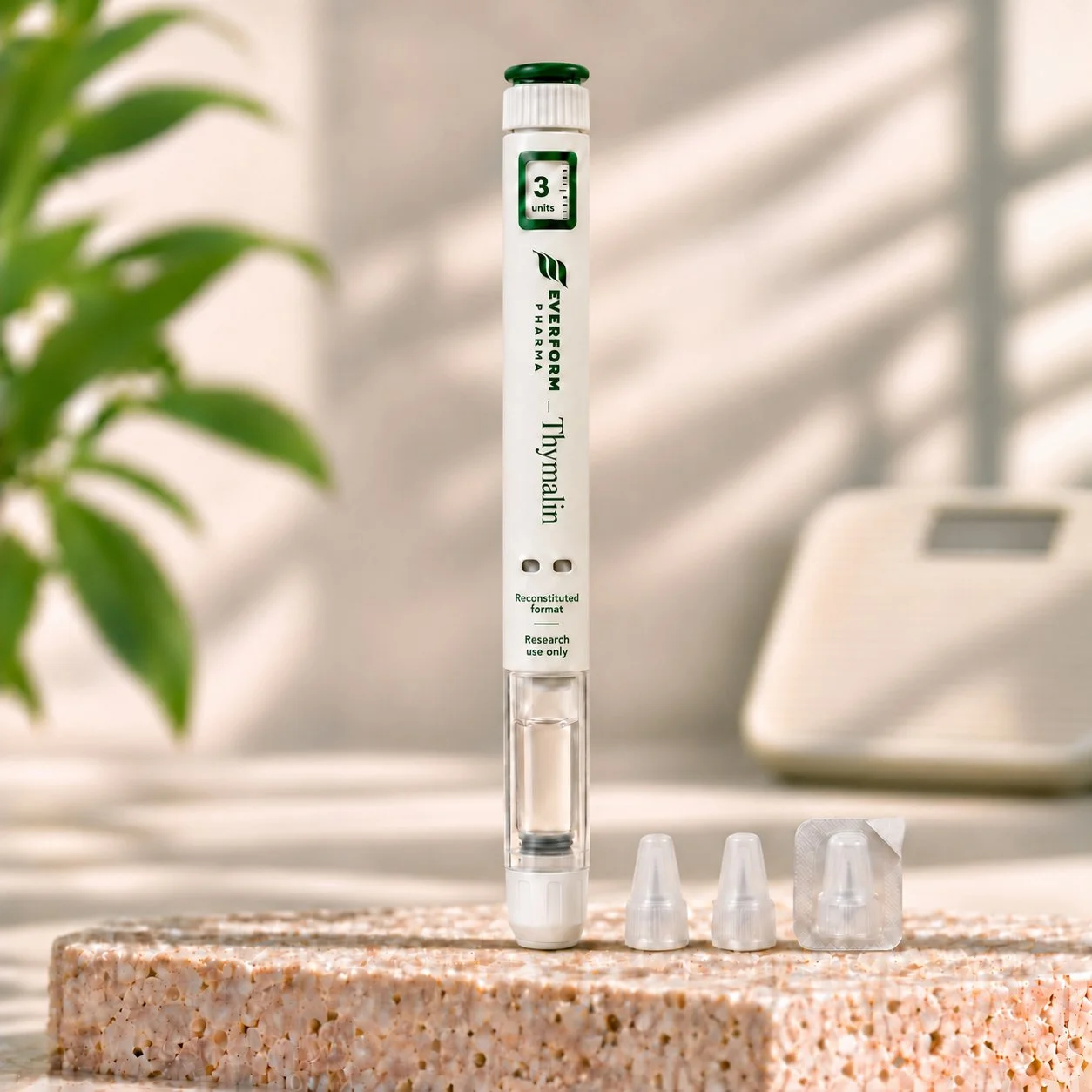
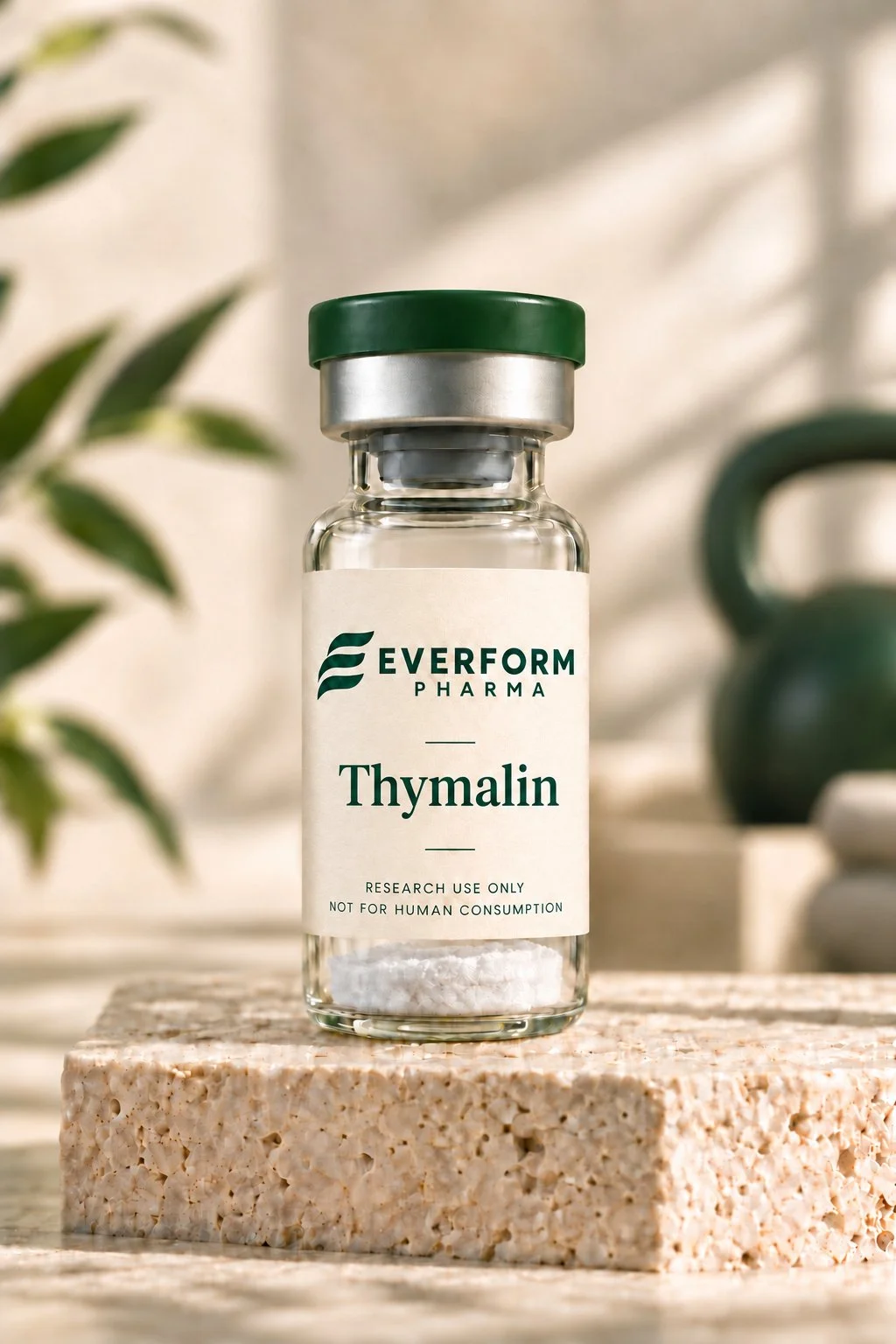
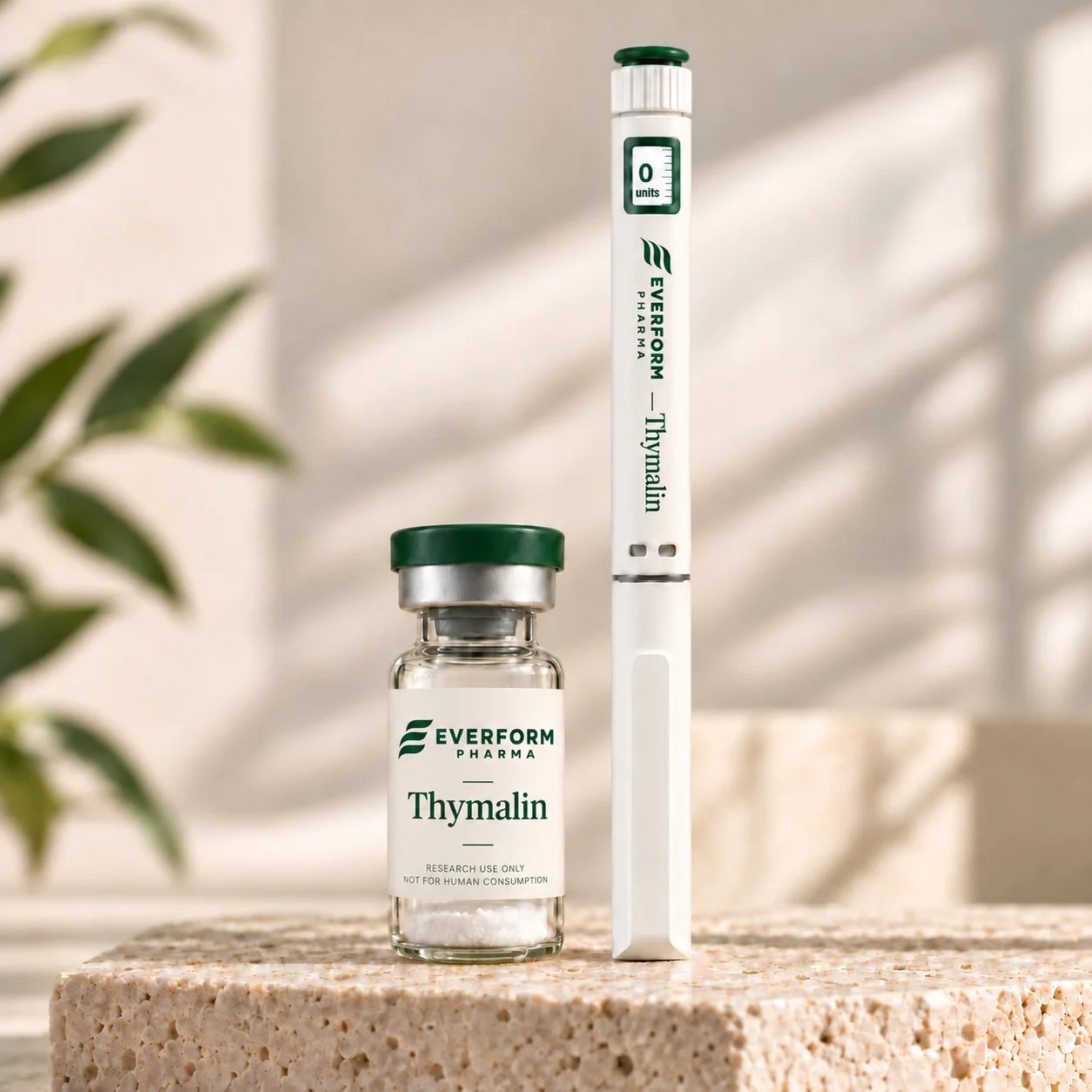
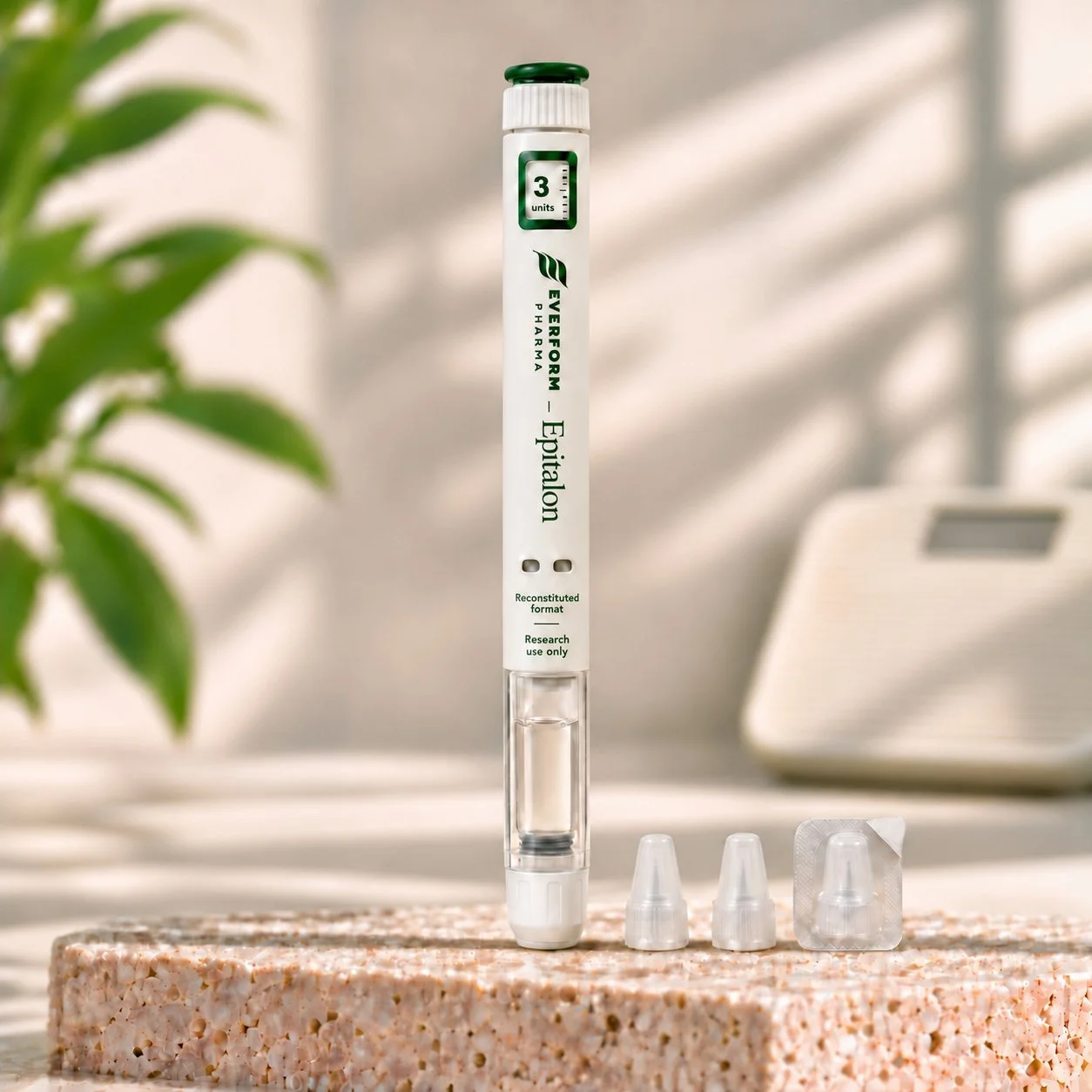
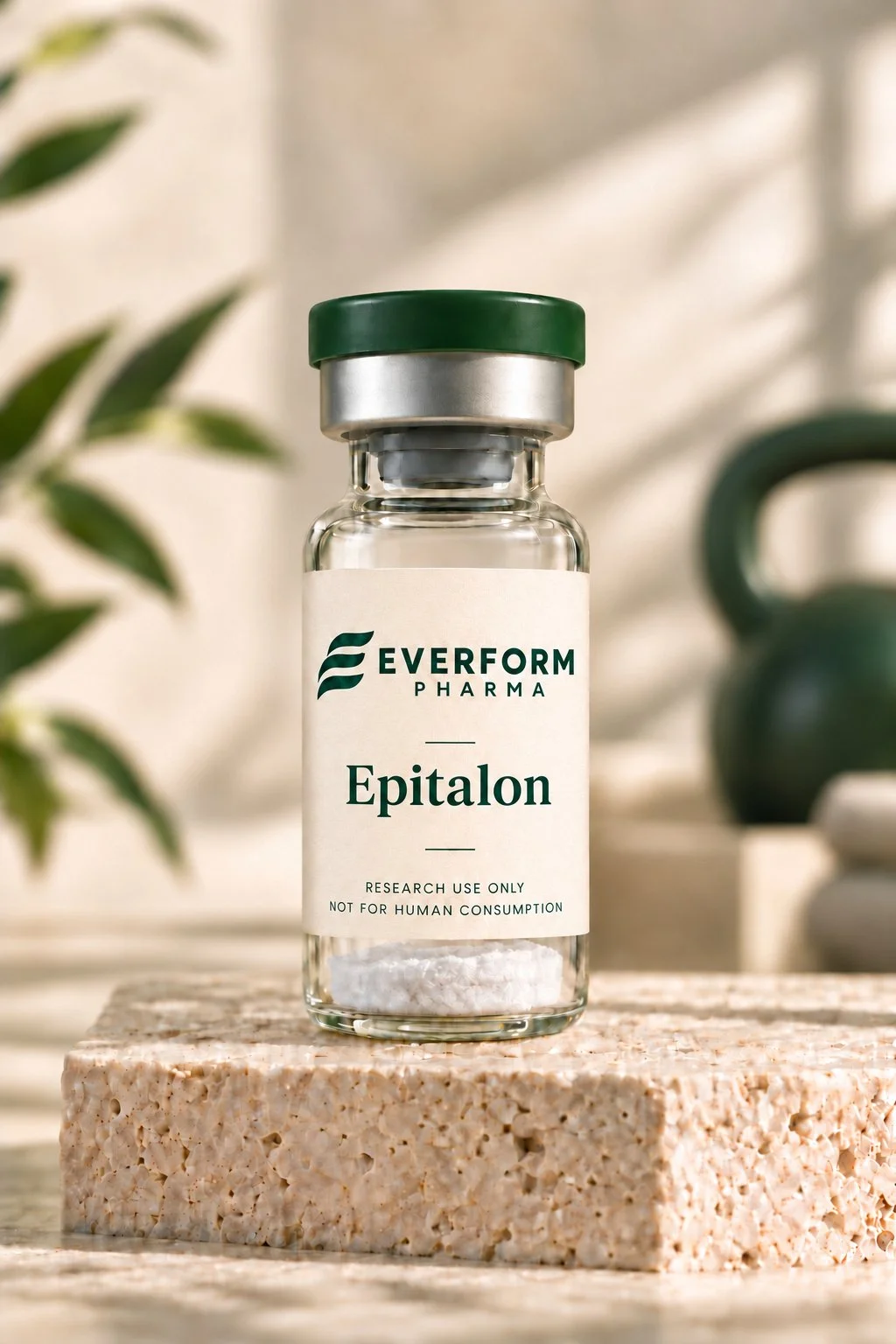
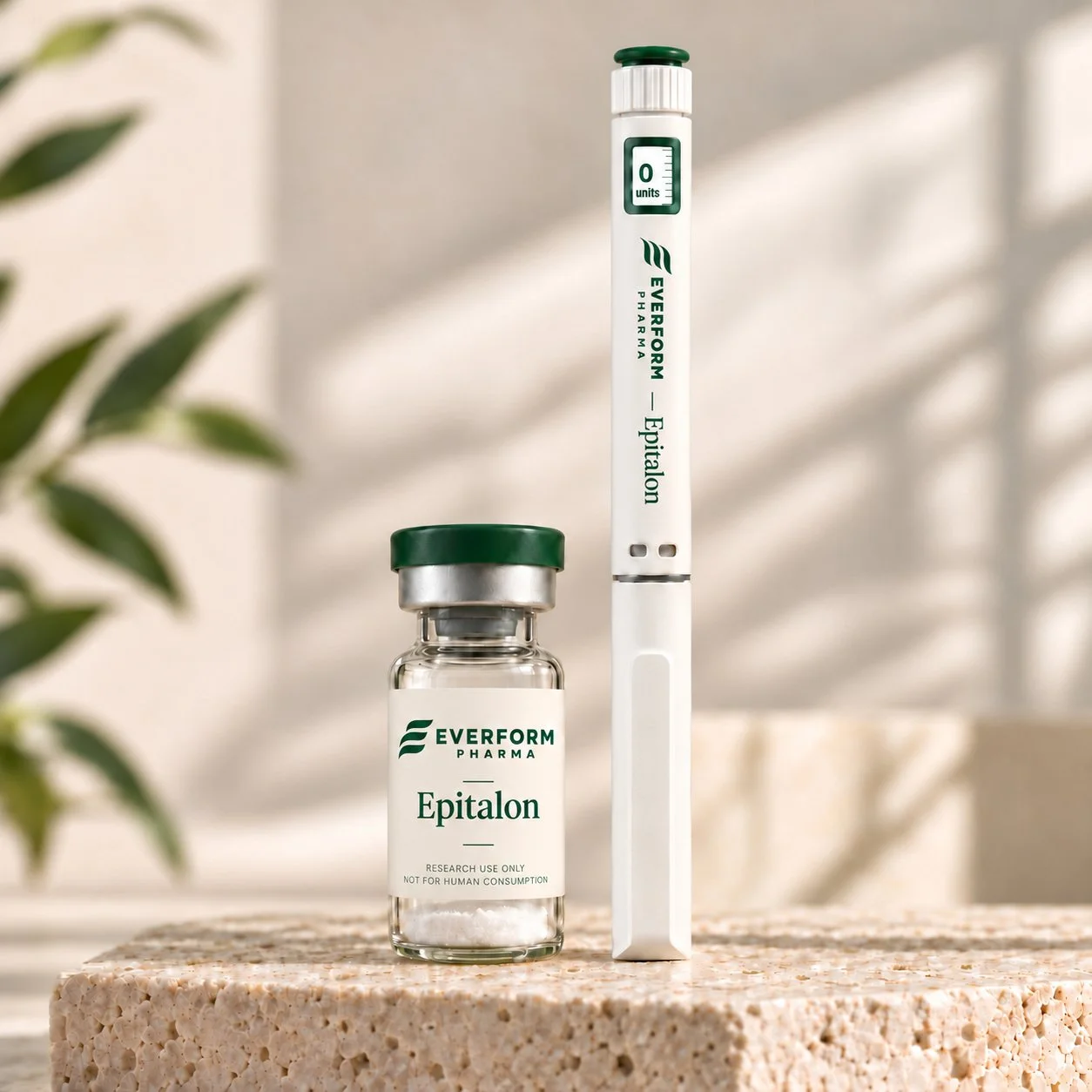
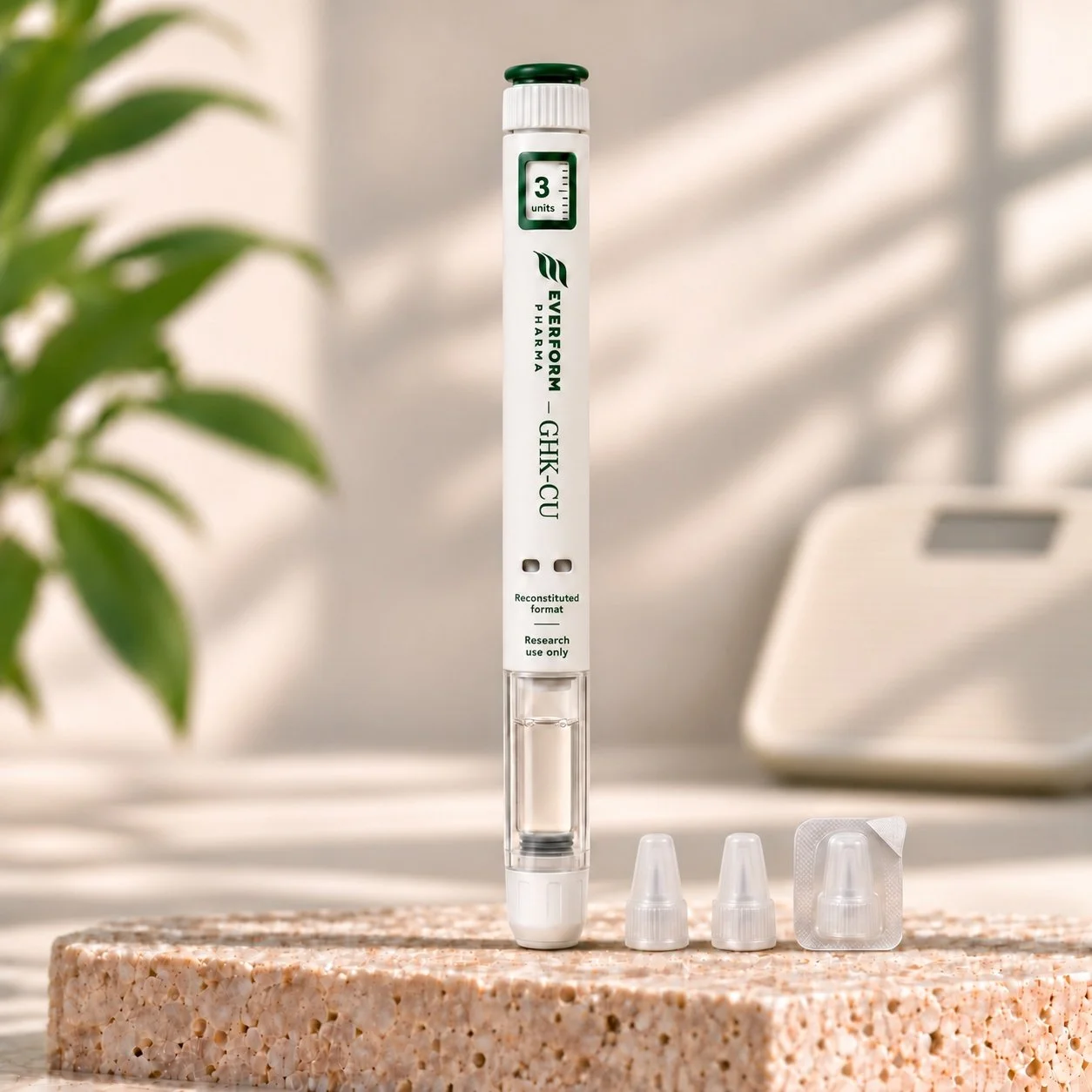
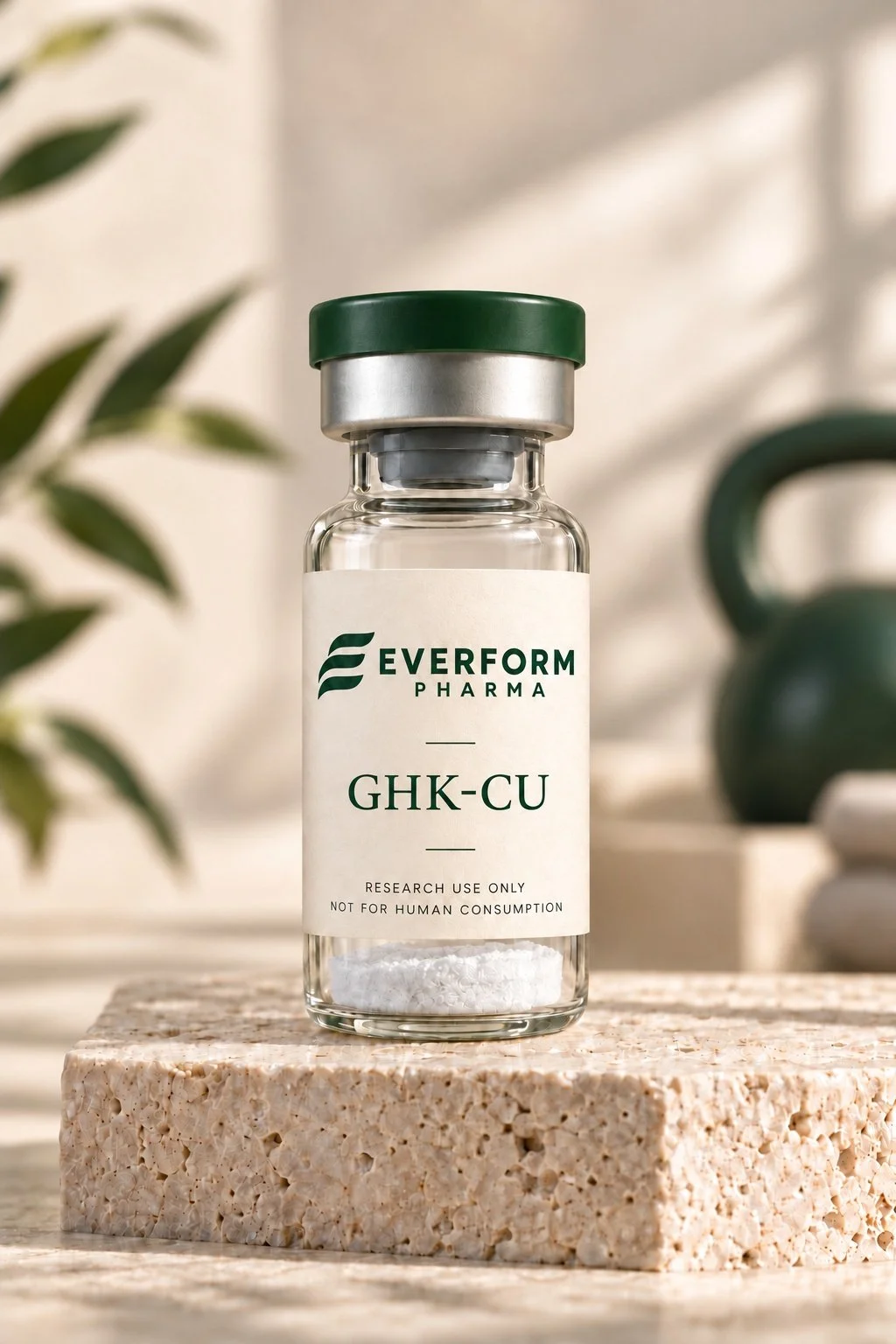
 Image 1 of 4
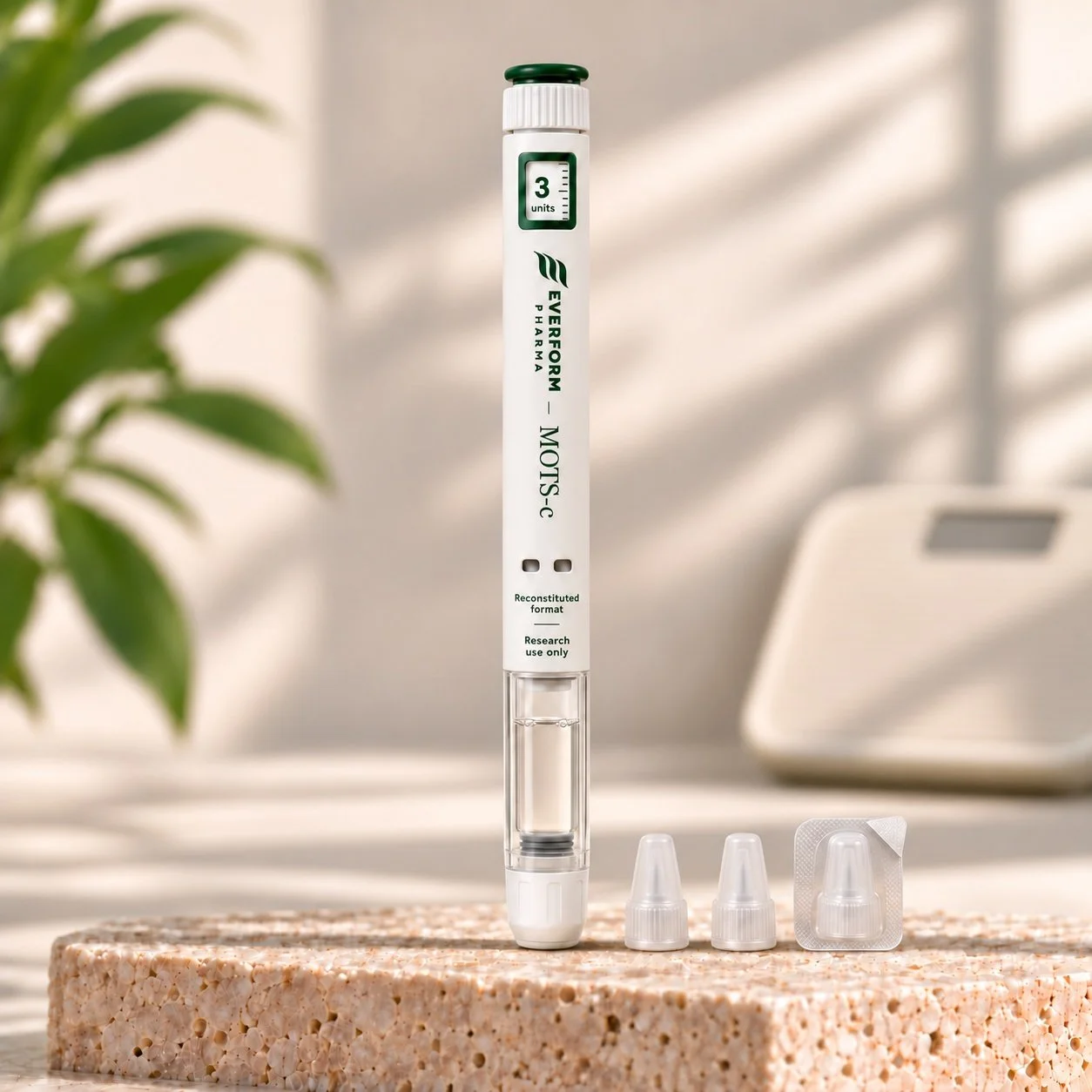 Image 2 of 4
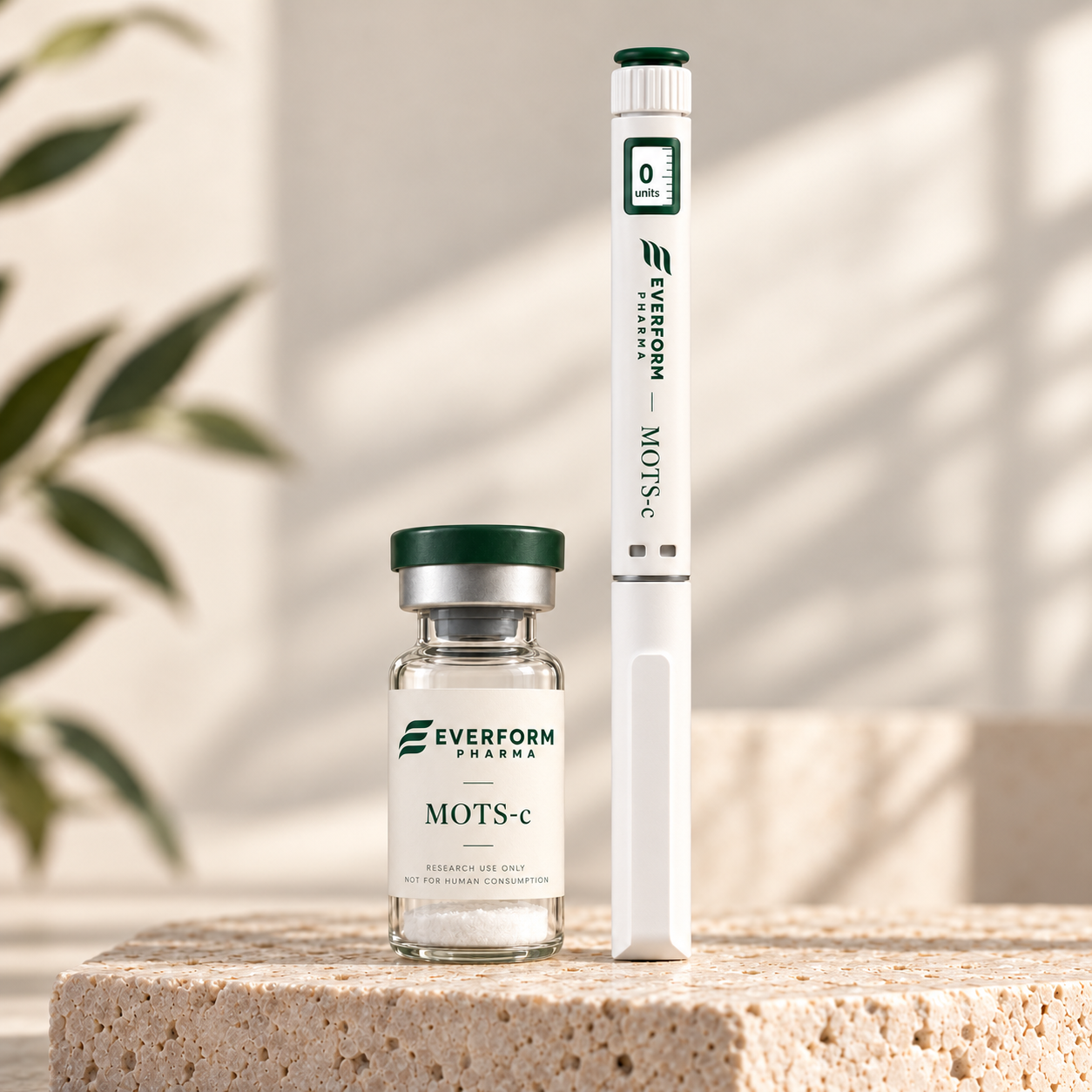 Image 3 of 4
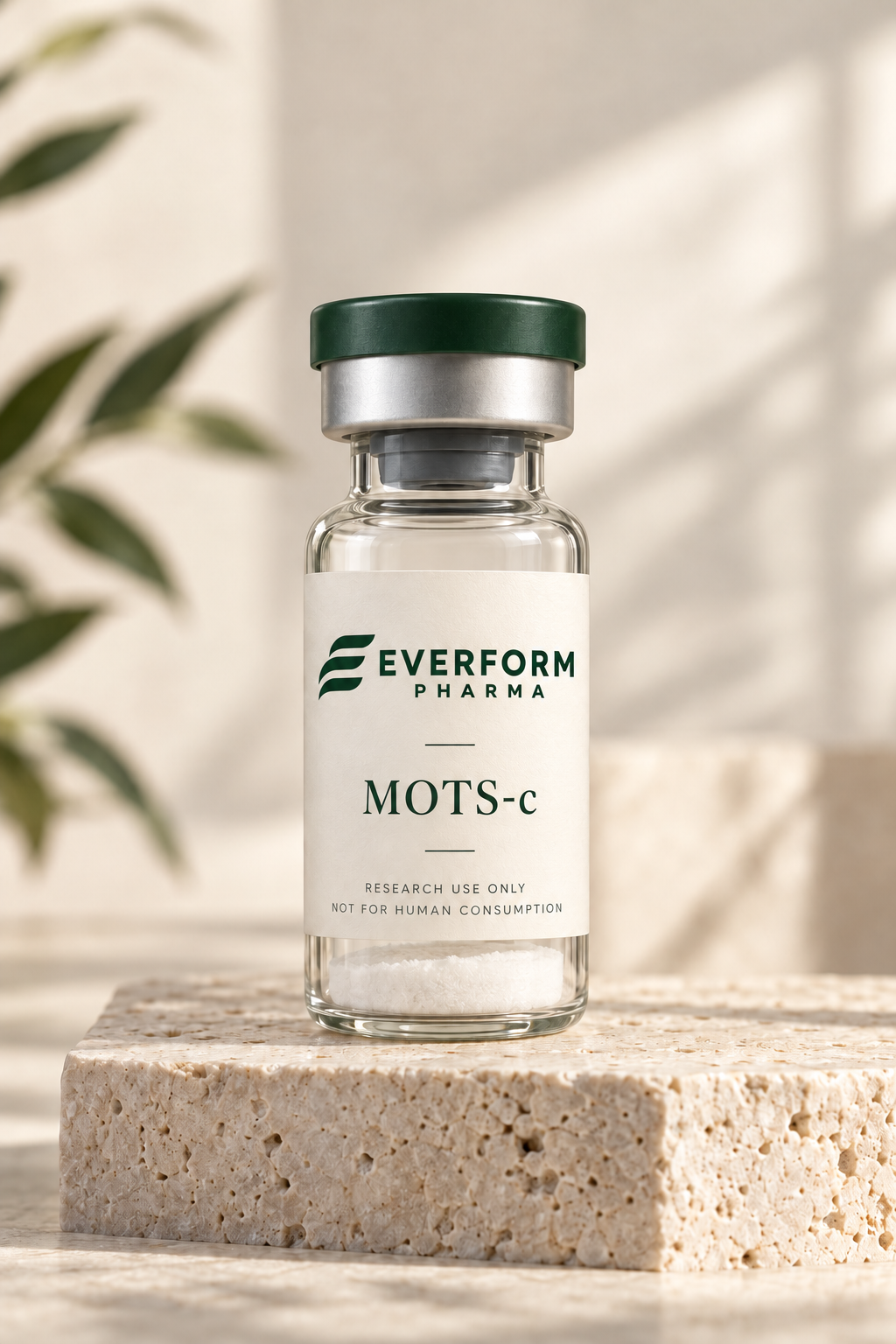 Image 4 of 4
Packaging & supply options
Your format, your way.
The same research peptide, with a choice of accessories and supply formats. Here’s what each option includes.
BAC water
Vial kit
Lyophilised peptide vial with separately packaged, complimentary BAC water.
BAC water + syringes
Syringe kit
Lyophilised peptide vial, BAC water and syringes.
BAC water + pen
Injection pen kit
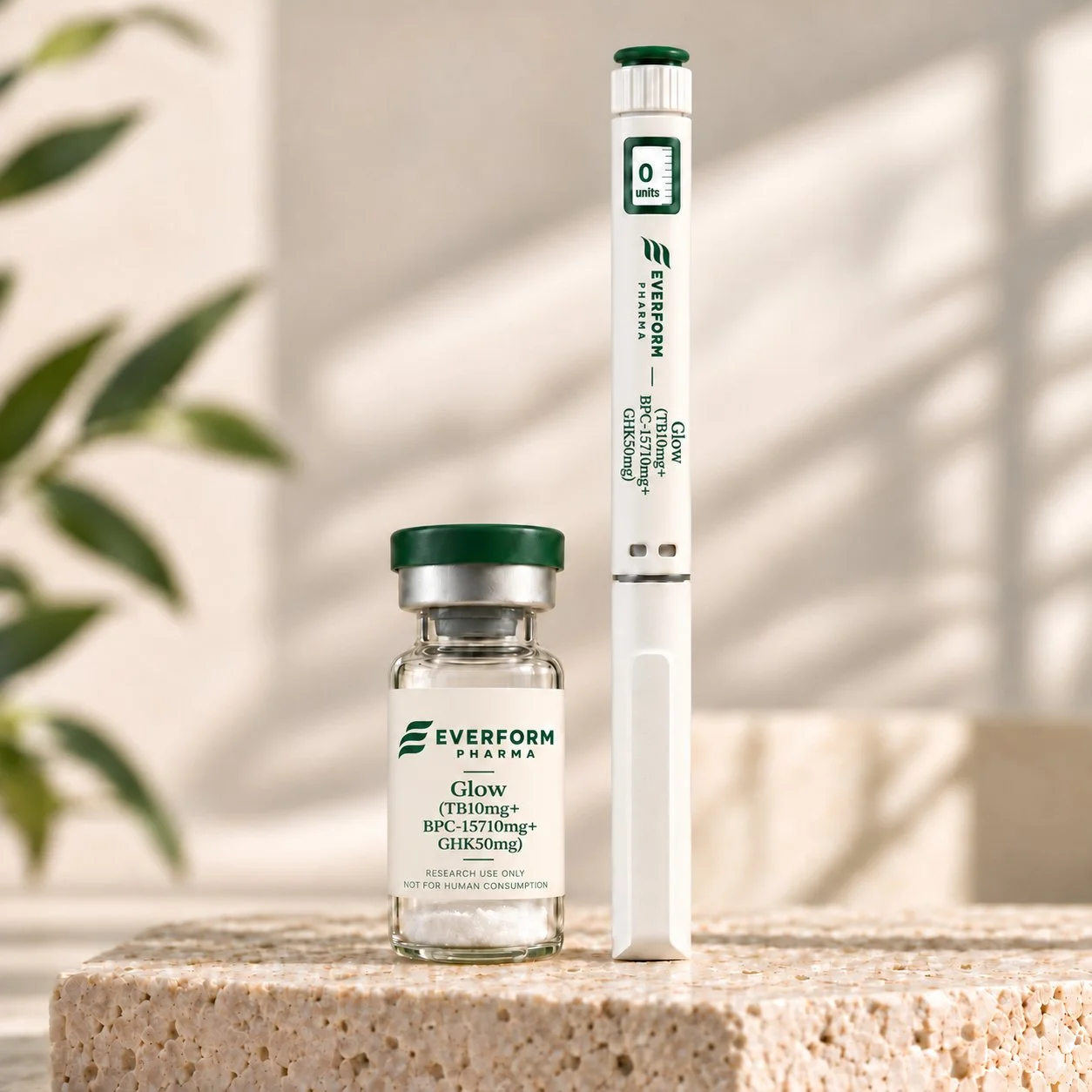
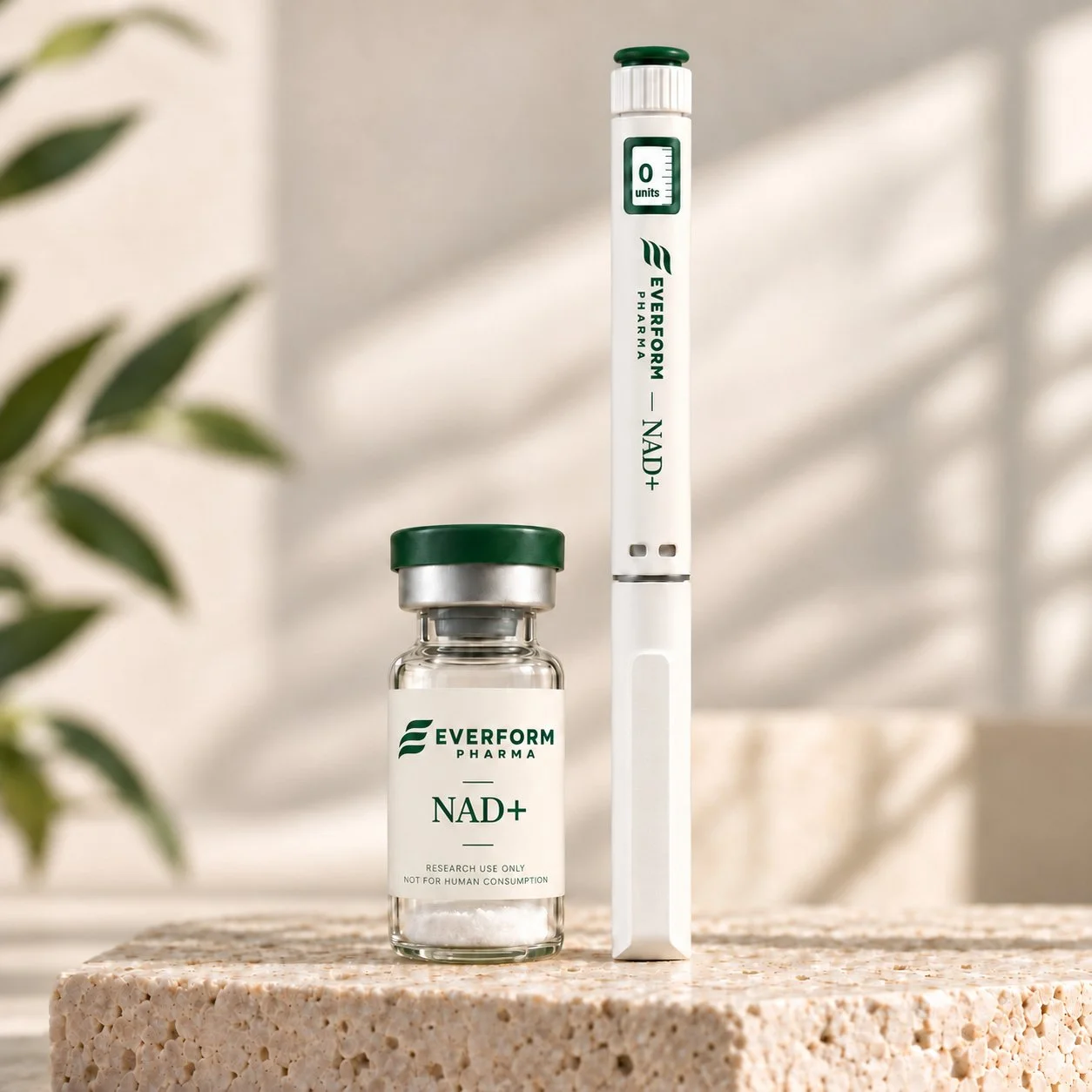
Lyophilised peptide vial, BAC water and an injection pen.
Pen + pen needles
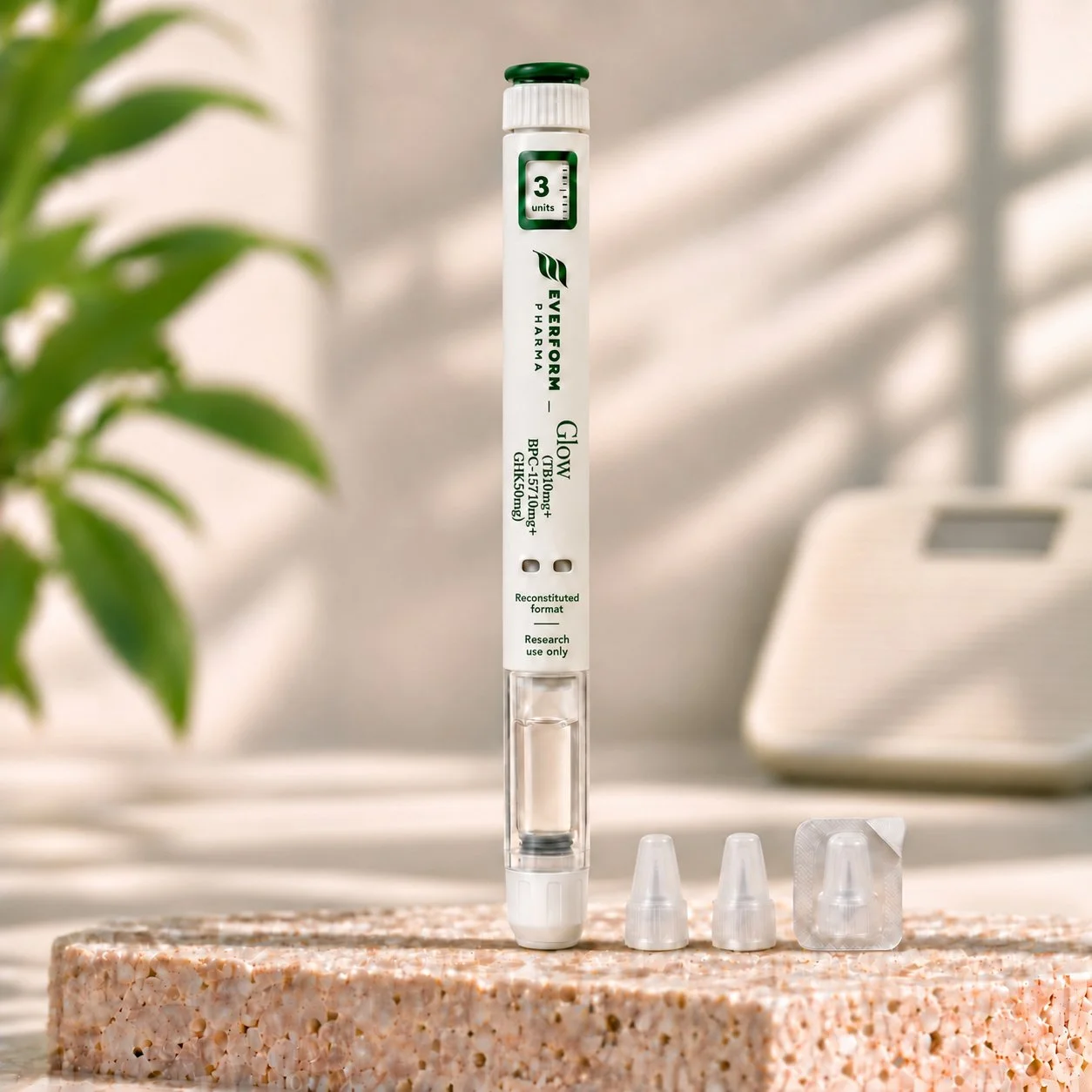
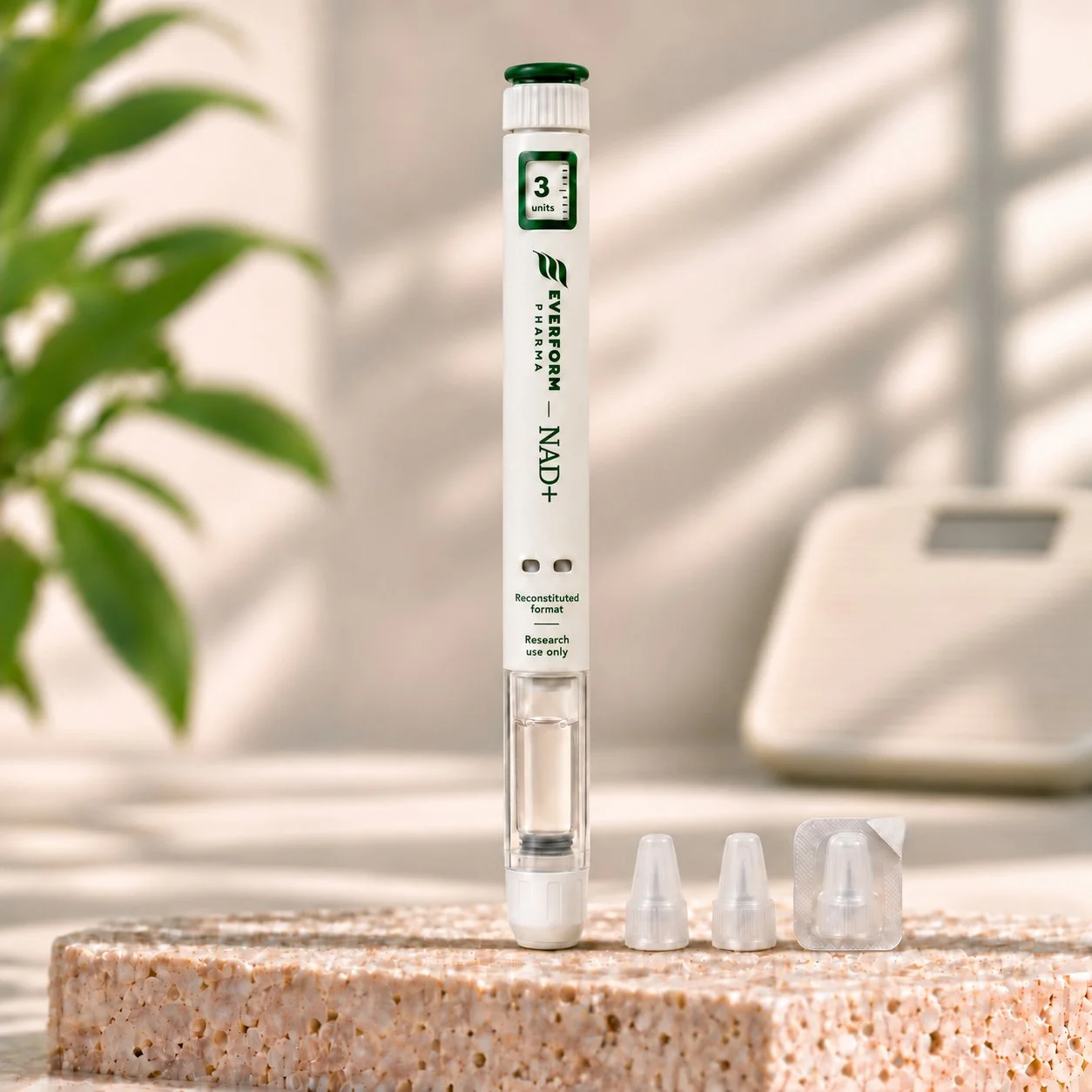
Reconstituted pen
VIETNAM ONLYPeptide solution supplied in a pen at the stated concentration, with pen needles.
For laboratory research only. Not for human or veterinary use.
Everform Pharma · Compound profile
MOTS-c.
Small peptide. A bigger energy story.
Explore the connection between mitochondrial signalling, metabolic regulation and exercise biology.

What is MOTS-c?
MOTS-c is a 16-amino-acid peptide encoded within the mitochondrial genome. Mitochondria help cells manage energy, but they also participate in signalling. MOTS-c offers researchers a way to explore that wider role. [1]
Its research profile brings together metabolic regulation, skeletal muscle and adaptation to changing energy demands.
How does MOTS-c work?
Laboratory work links MOTS-c to AMPK, an enzyme involved in cellular energy sensing. The original study connected changes in folate and purine metabolism with AMPK activation. [1]
Later cell experiments showed that MOTS-c can move into the nucleus during metabolic stress and influence stress-responsive gene expression. This connects mitochondrial signalling with the cell’s adaptive response. [2]
ENERGY SENSING
Investigating how cells respond when energy availability changes.
CELLULAR ADAPTATION
Exploring signalling between mitochondrial biology and nuclear gene regulation.
Main research areas
These themes explain the interest in MOTS-c across metabolic and healthy-ageing research.
| Research area | What researchers examine |
|---|---|
| Metabolic regulation | Insulin sensitivity and diet-related metabolic changes in experimental models. [1] |
| Cellular stress | Nuclear localisation and adaptive gene expression in cell studies. [2] |
| Exercise biology | Physical performance in mice and naturally occurring MOTS-c responses to exercise in humans. [3] |
| Healthy ageing | Muscle function and physical capacity in older mice. [3] |
Research themes describe study questions, not guaranteed product outcomes.
What published findings show
Metabolic research: Lee and colleagues reported improved insulin sensitivity and protection against diet-induced obesity in mouse experiments. These findings established a foundation for investigating MOTS-c in metabolic biology. [1]
Exercise and ageing: Reynolds and colleagues found improved physical performance in treated mice across different ages. Their human exercise study measured increases in the body’s own MOTS-c in muscle and circulation. [3]
The human observations measured a natural response to exercise; they were not a trial of administered MOTS-c. They should be read separately from the mouse treatment findings.
These studies make MOTS-c an interesting research tool for energy regulation and muscle biology. They do not establish human treatment benefits or equivalent outcomes for an Everform research product.
The Everform product, at a glance
CompoundMOTS-c
Labelled vial amount20 mg
Base formatLyophilised peptide powder
Supply optionsSee the format guide above
Everform Pharma is based in Da Nang, Vietnam. Choose the available supply format using the product selector. Complimentary BAC water is included with every order.
Explore Your format, your way →
Check your label for the full REF, expiry date and storage conditions. The package security sticker repeats the product identifier and should match the vial or pen. Match the full REF to the relevant product documentation.
A COA’s identity, chromatographic purity and peptide-content results answer different questions. A purity percentage alone does not establish the amount of peptide per vial.
Common questions
Is MOTS-c a GLP-1 peptide?
MOTS-c belongs to a different research area: mitochondrial-derived signalling and metabolic adaptation. It should not be described as interchangeable with a GLP-1 receptor agonist.
Does “20 mg” describe a dose?
No. It is the labelled amount of peptide in the vial, not a recommended dose or administration instruction.
Does exercise research mean MOTS-c replaces exercise?
No. A naturally occurring peptide response to exercise does not demonstrate that administering that peptide reproduces the benefits of physical activity. [3]
Where can I check storage and product identification?
Follow the storage conditions on your actual product label. Check that the package identifier matches the vial or pen and use the full REF when requesting matching documentation.
References
Everform Pharma · Da Nang, Vietnam
Educational product information.
For laboratory research only.
Not for human or veterinary use.