 Image 1 of 4
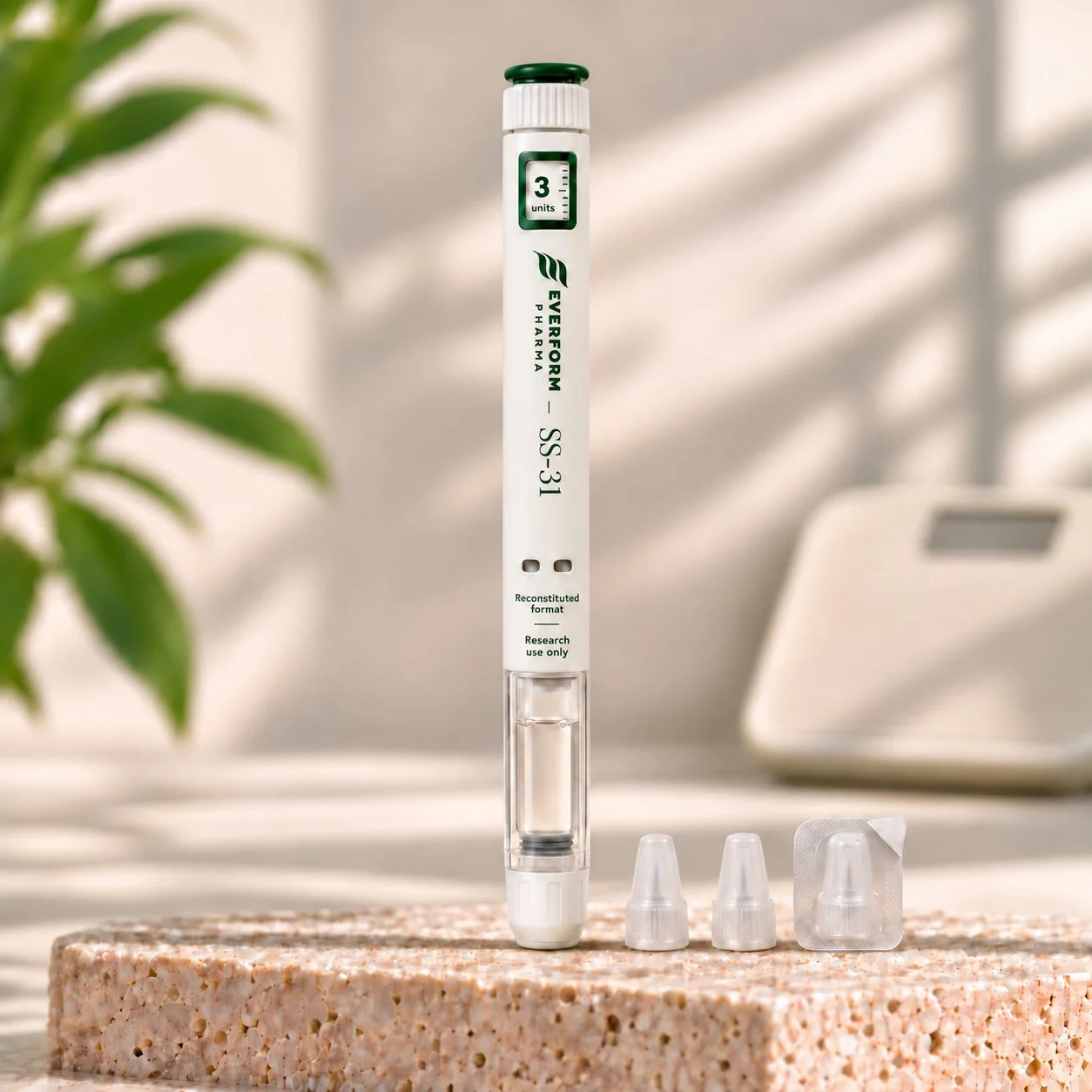 Image 2 of 4
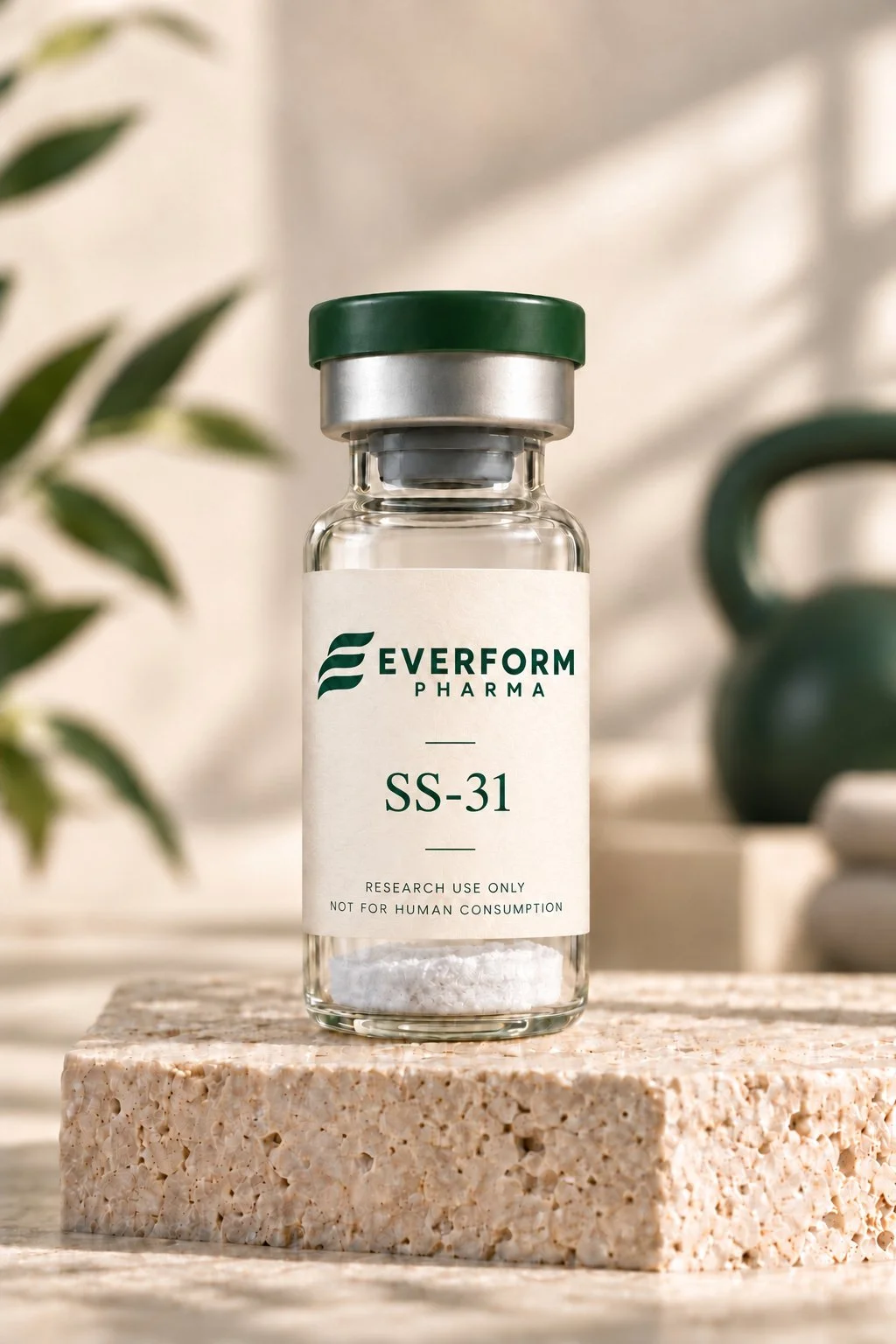 Image 3 of 4
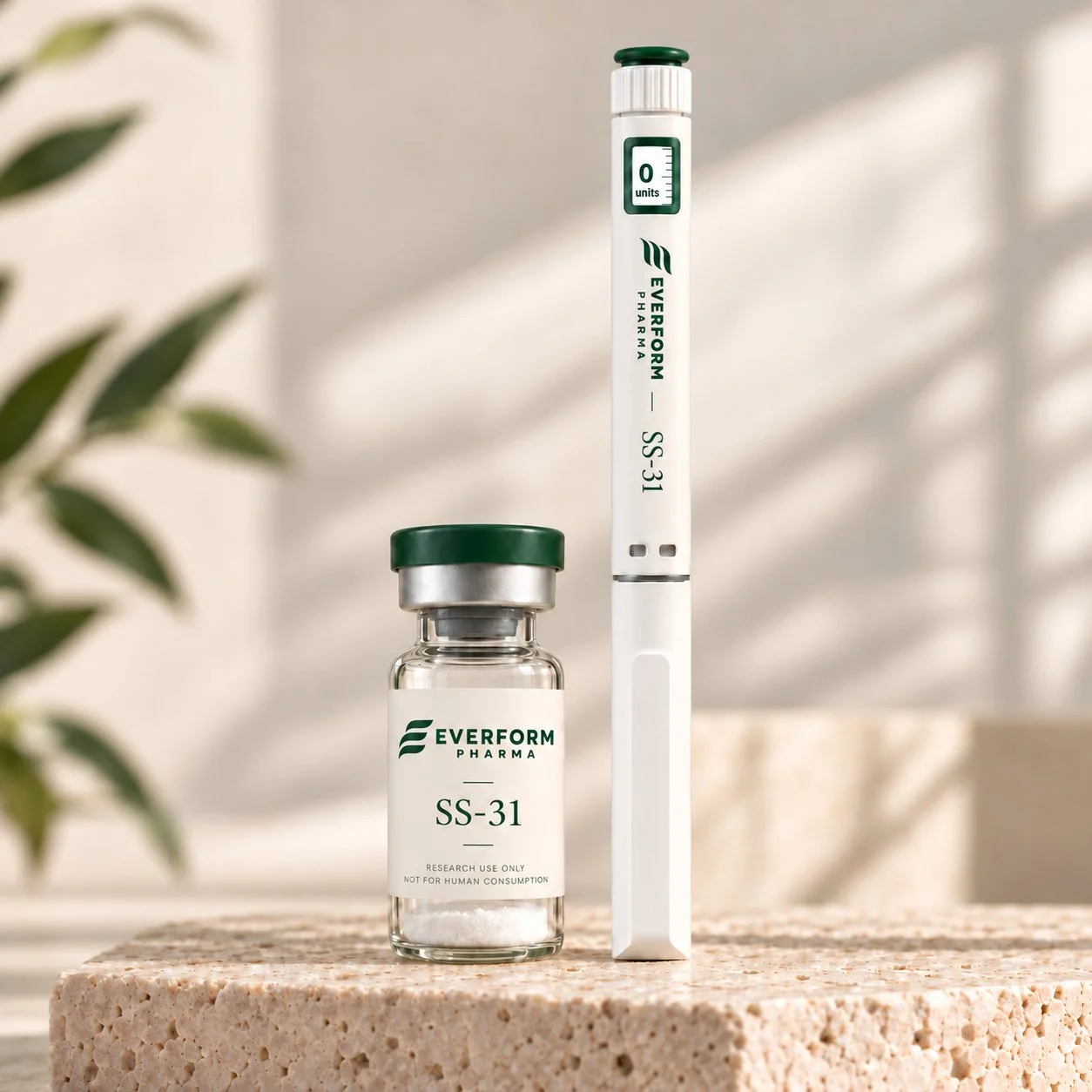 Image 4 of 4
Packaging & supply options
Your format, your way.
The same research peptide, with a choice of accessories and supply formats. Here’s what each option includes.
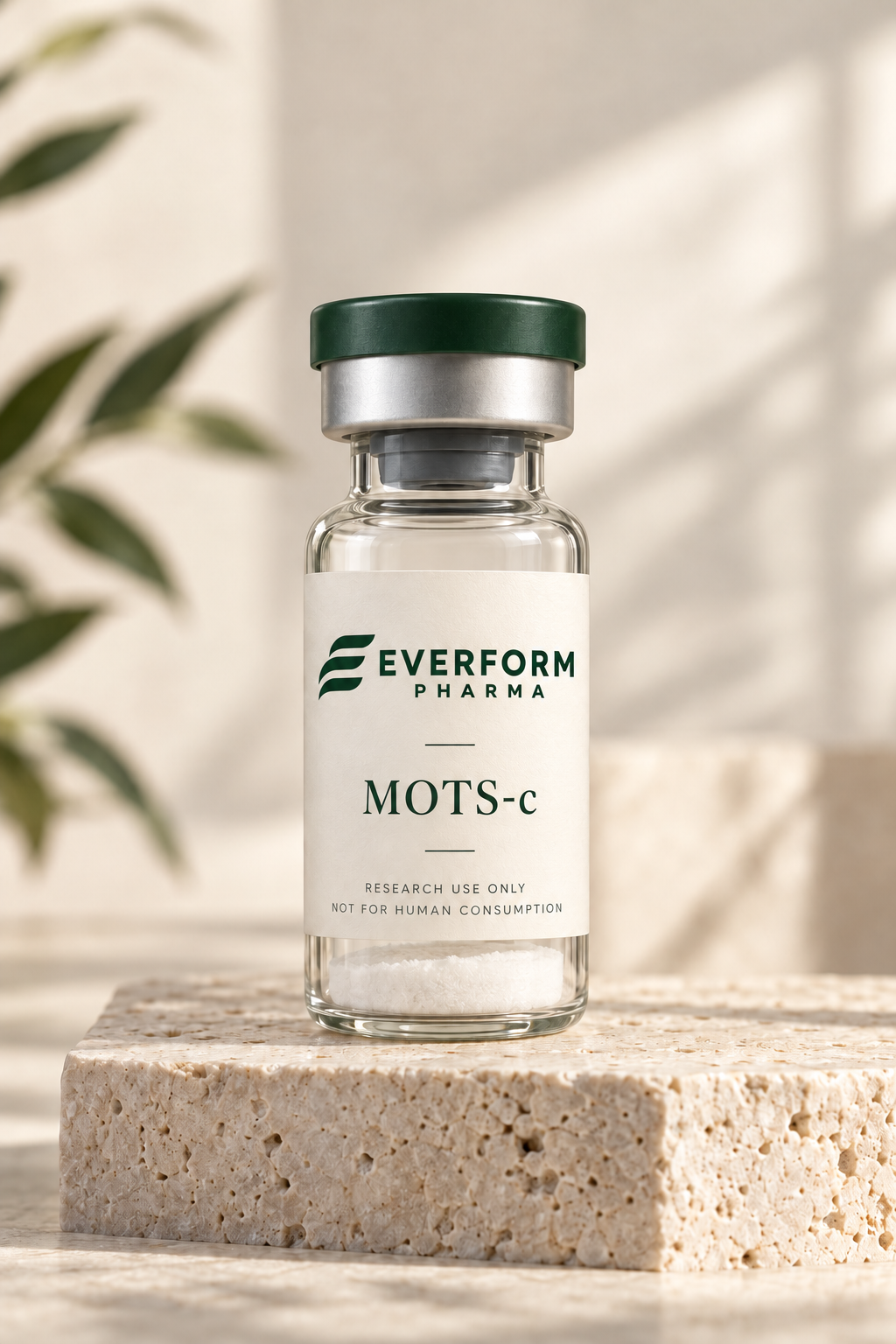
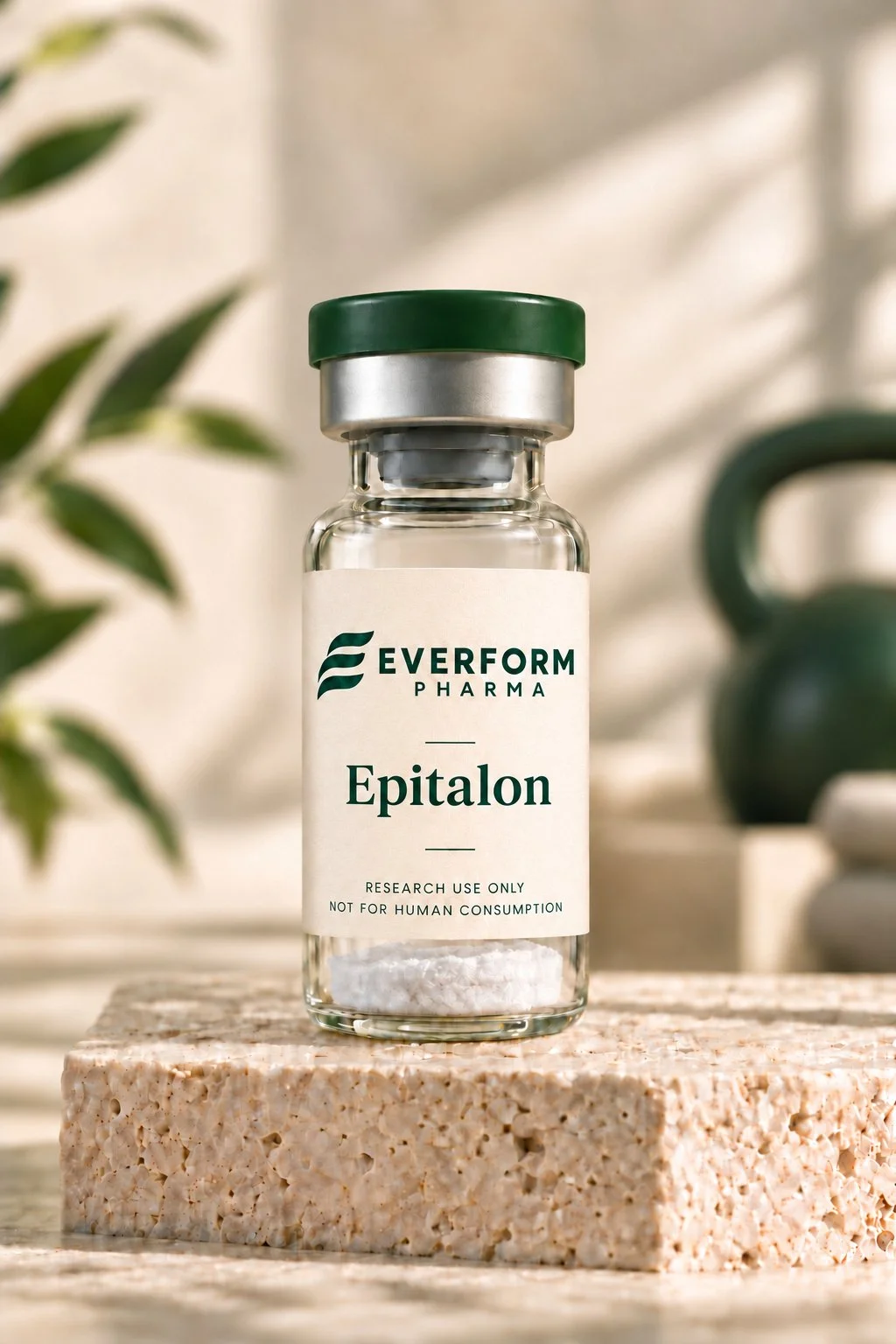
BAC water
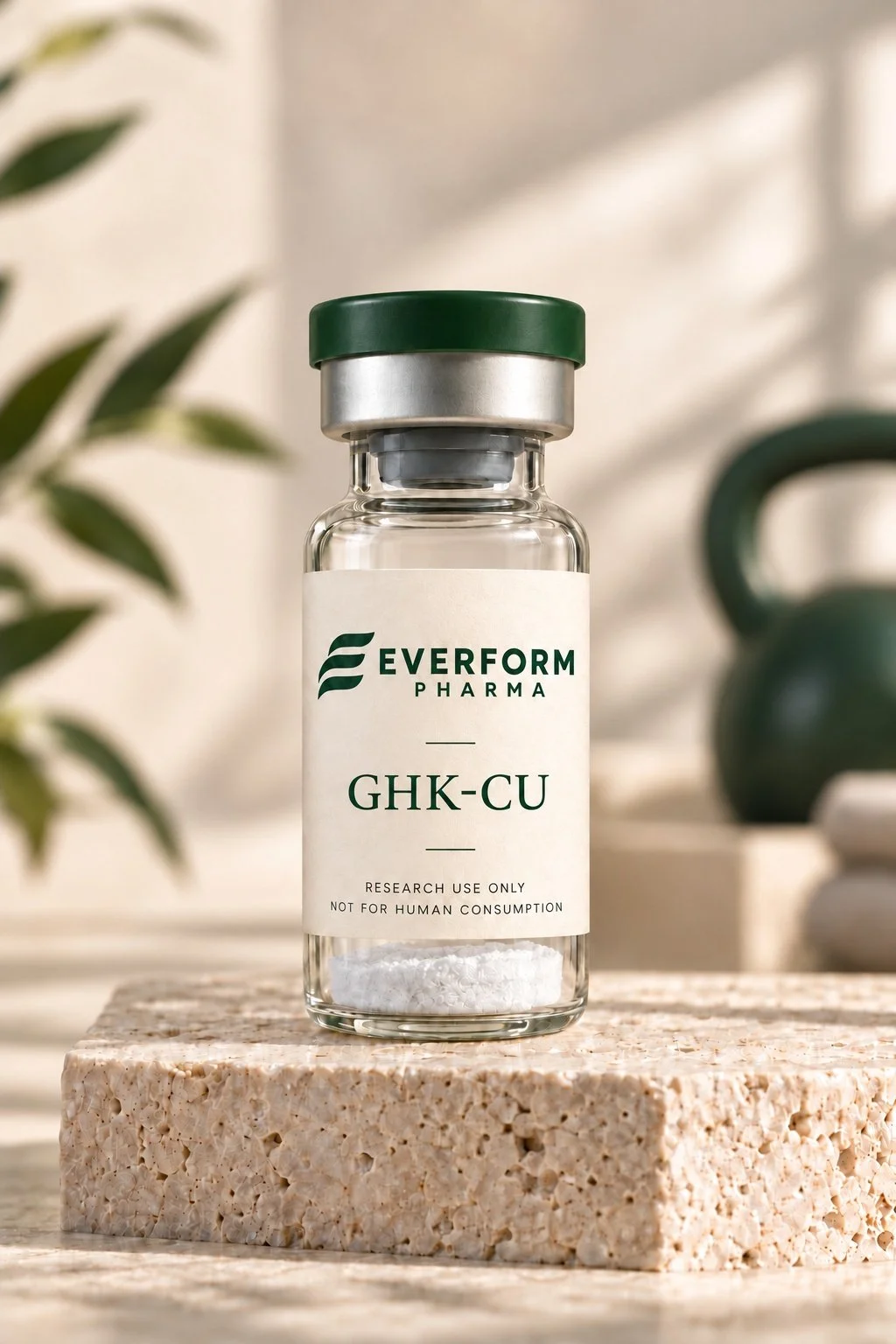
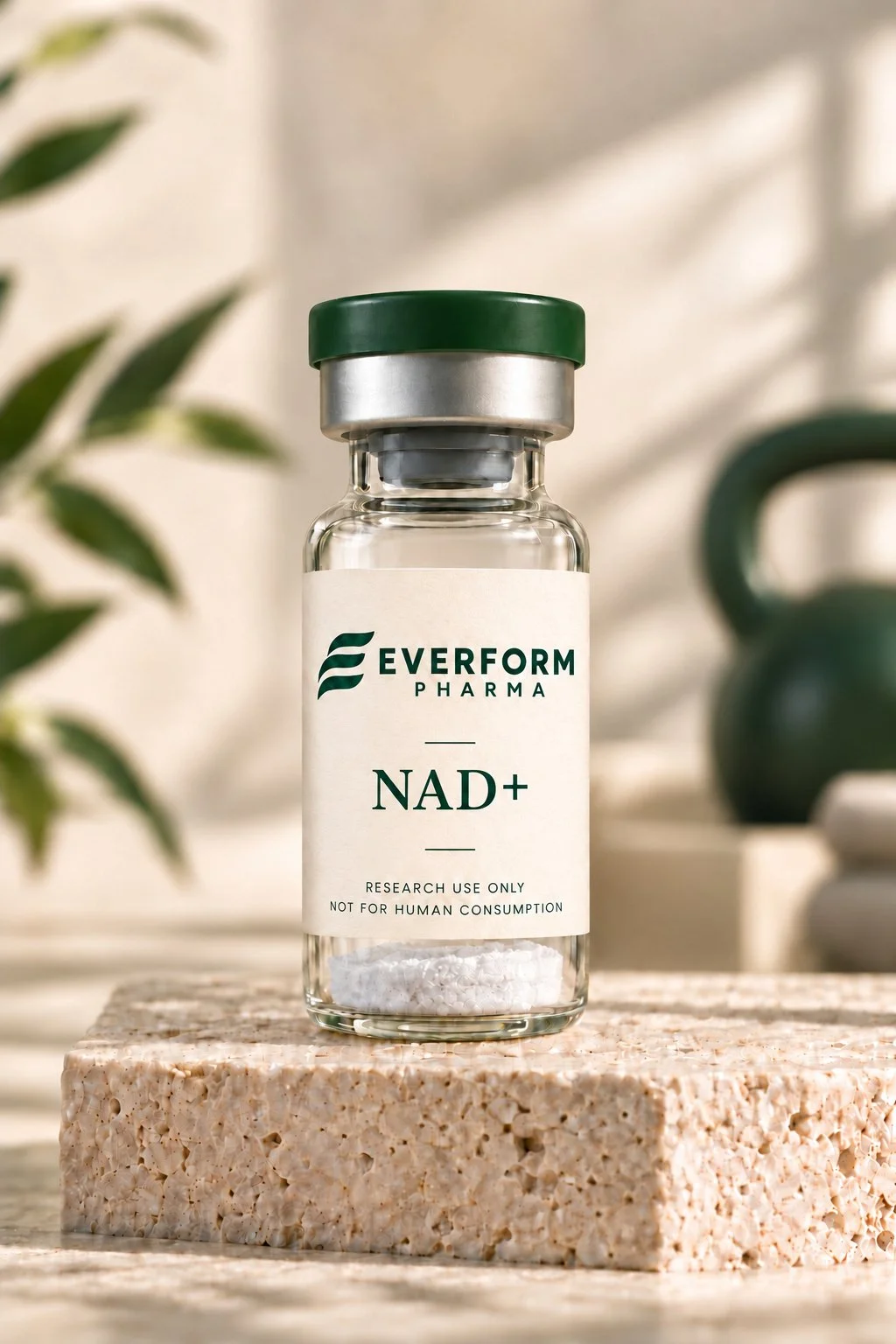
Vial kit
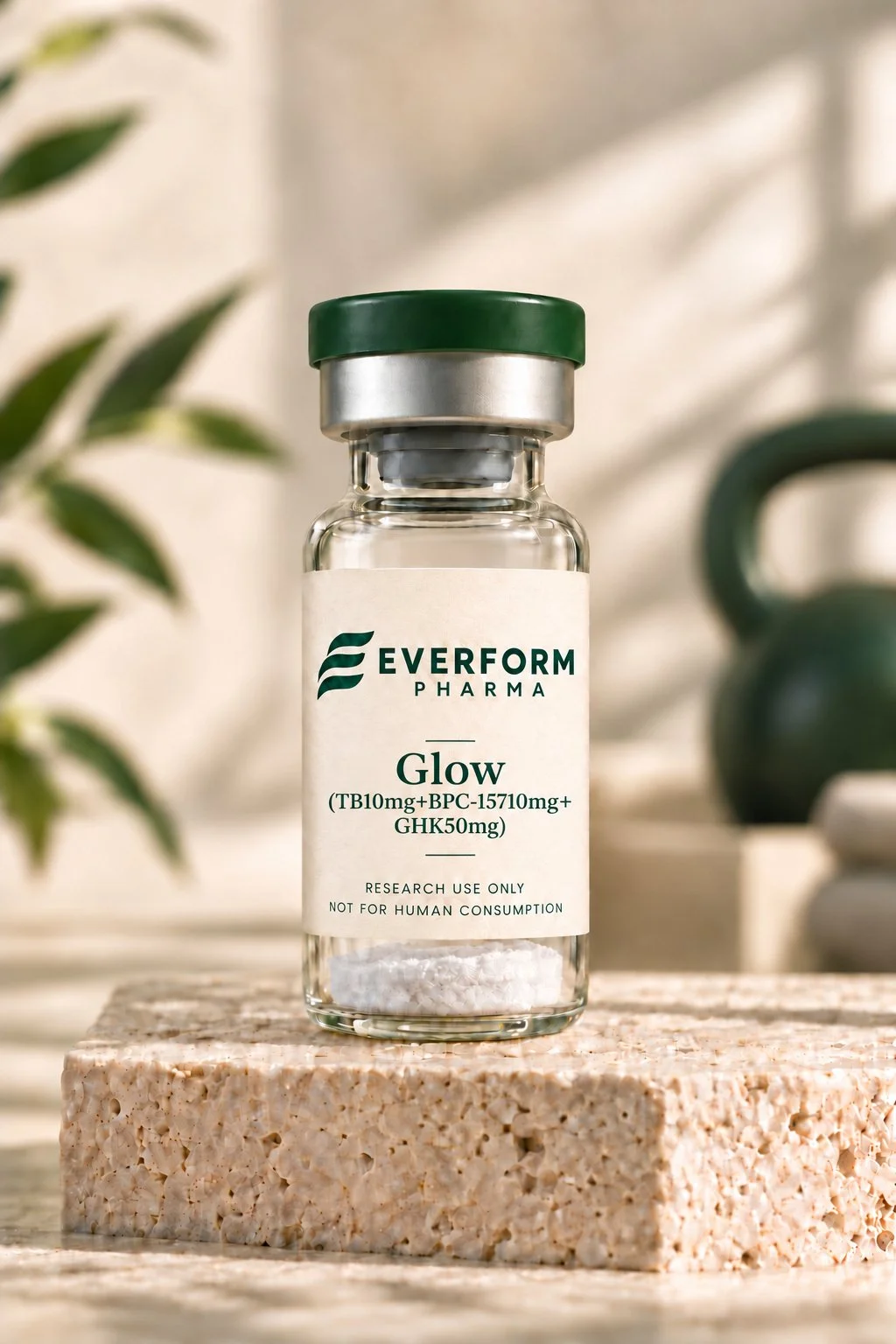
Lyophilised peptide vial with separately packaged, complimentary BAC water.
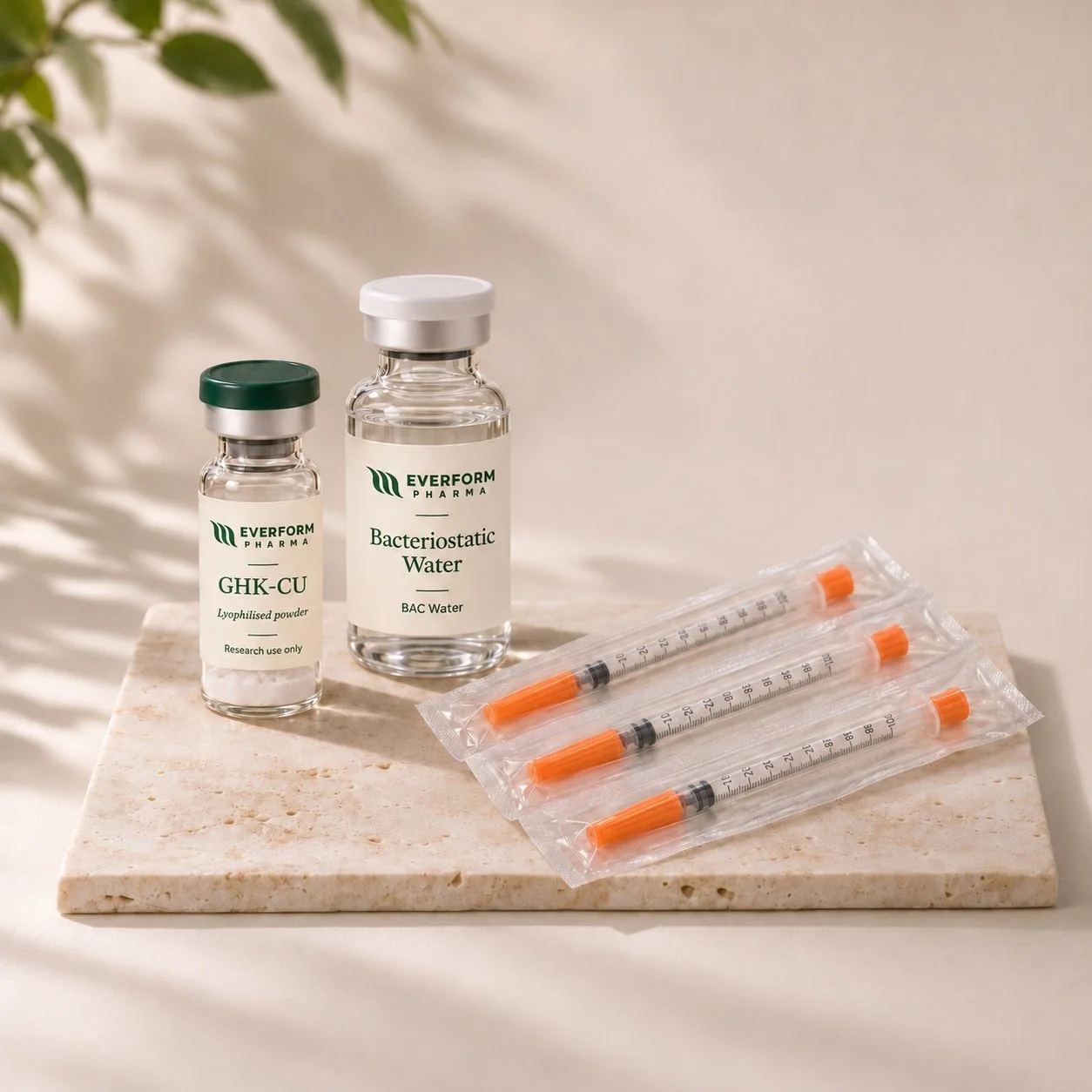
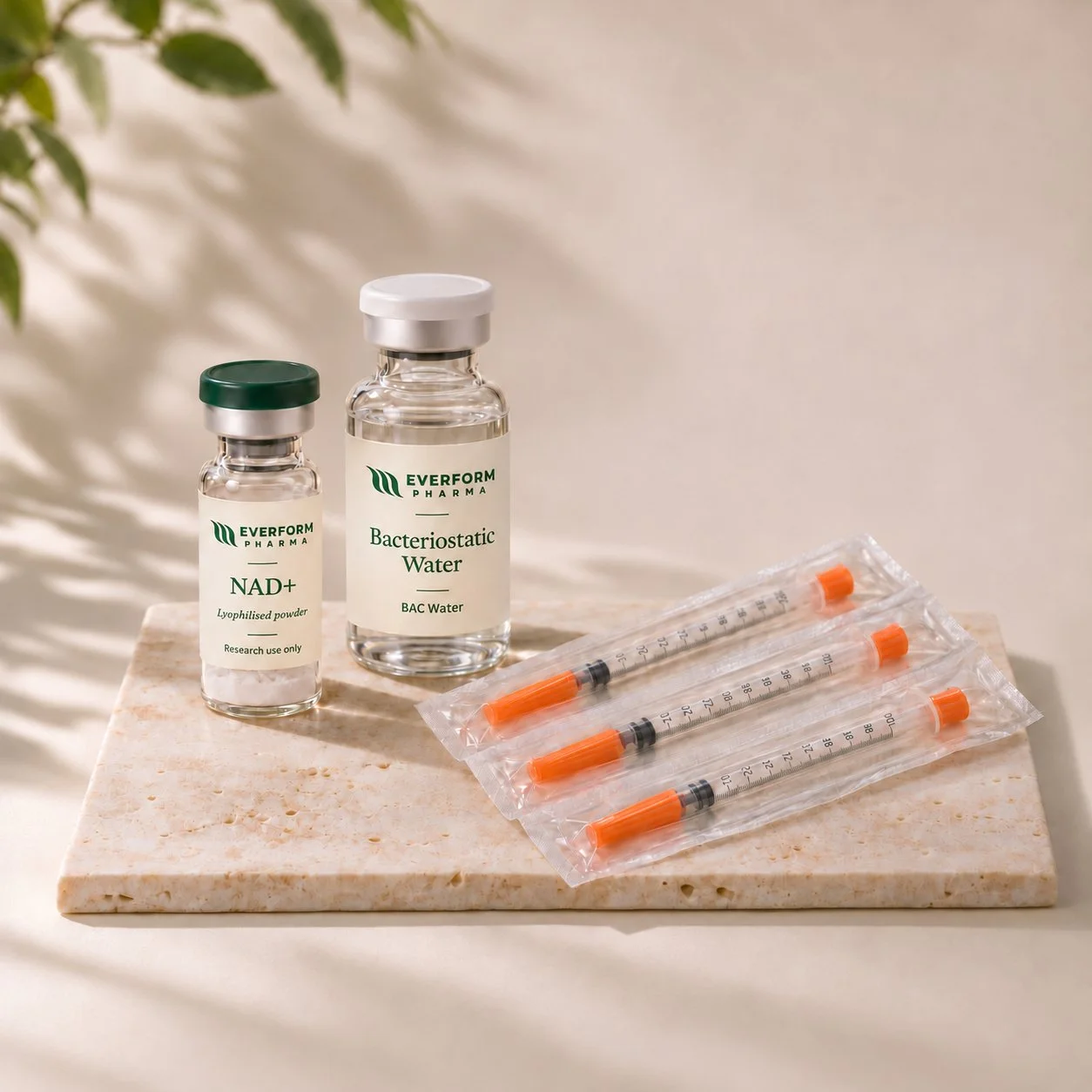
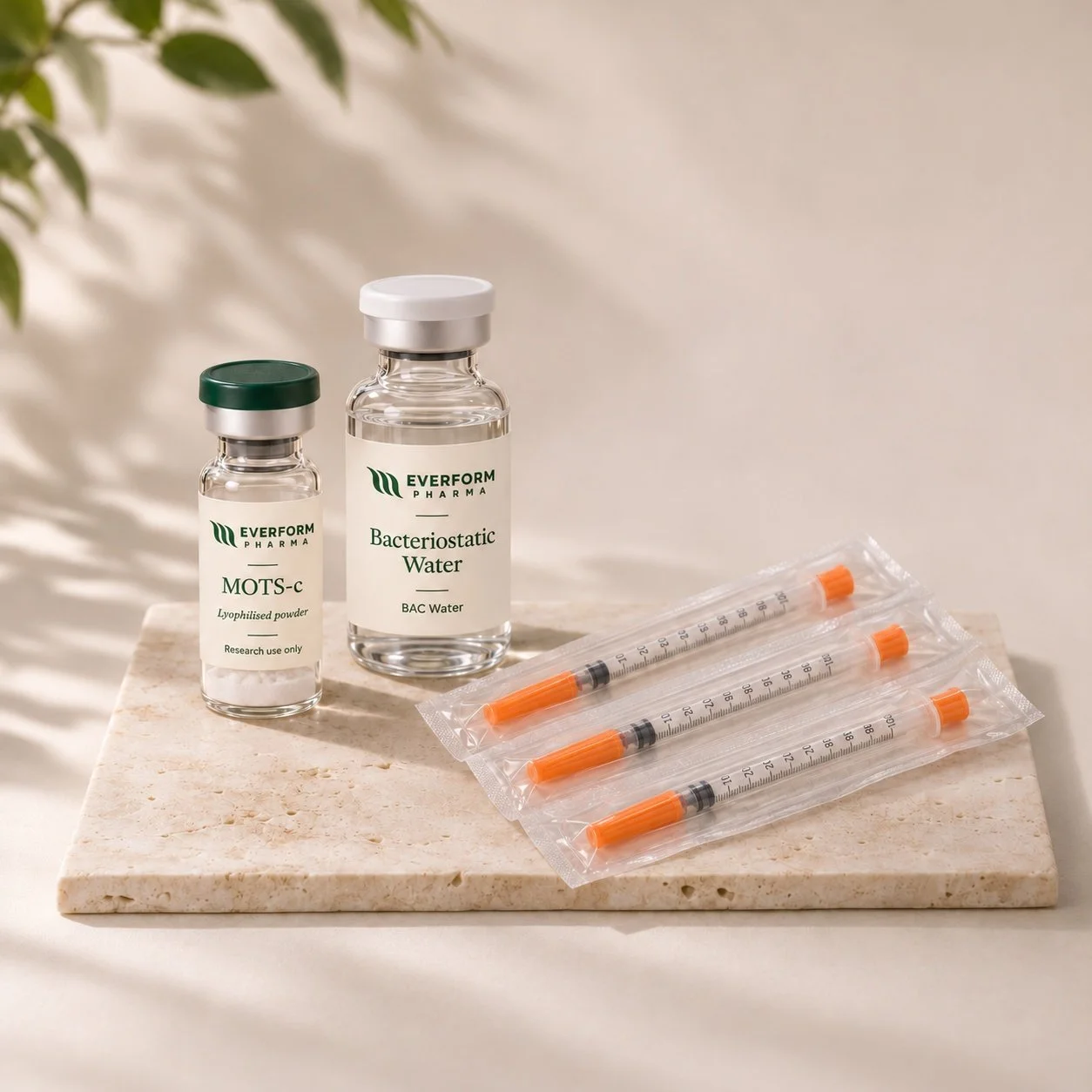
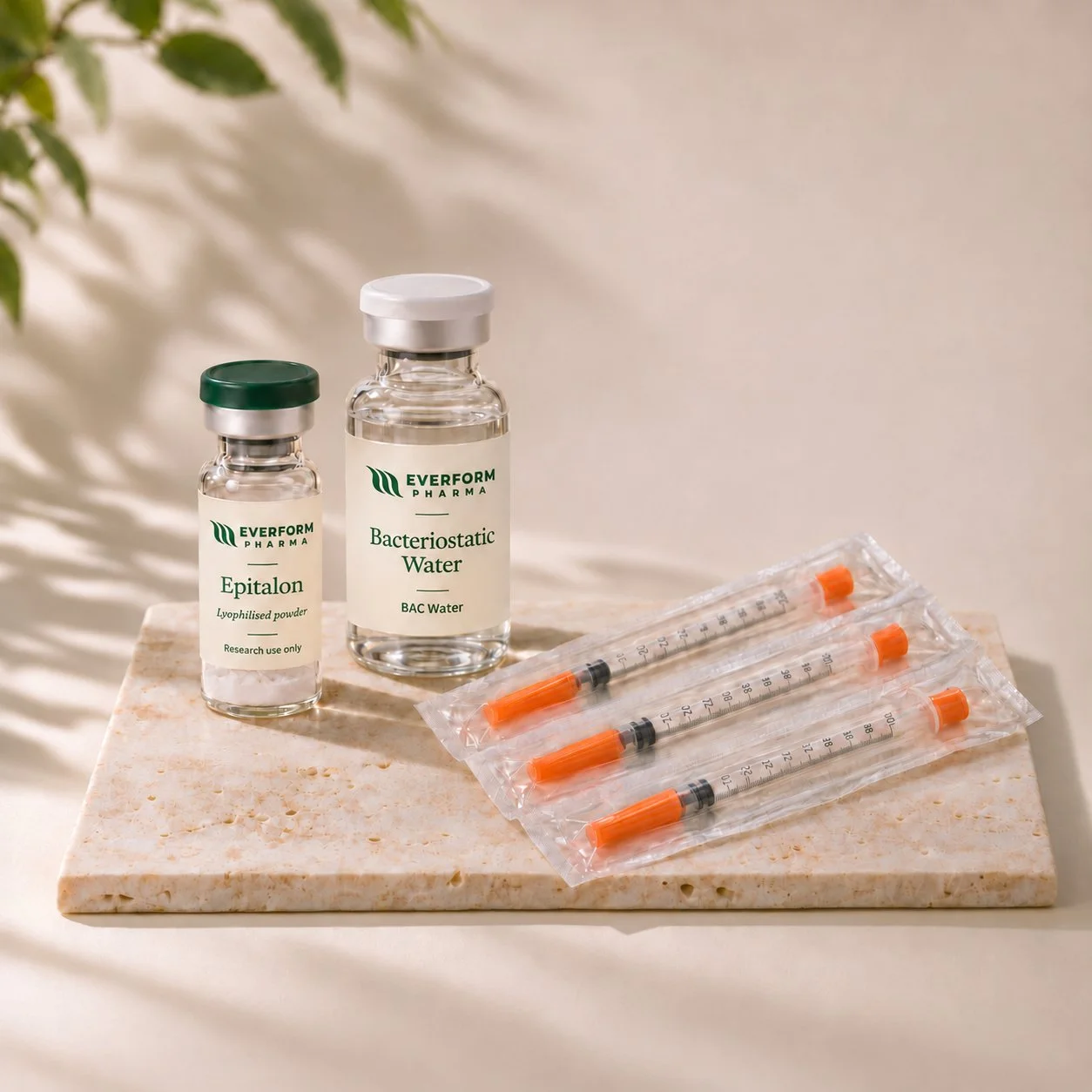
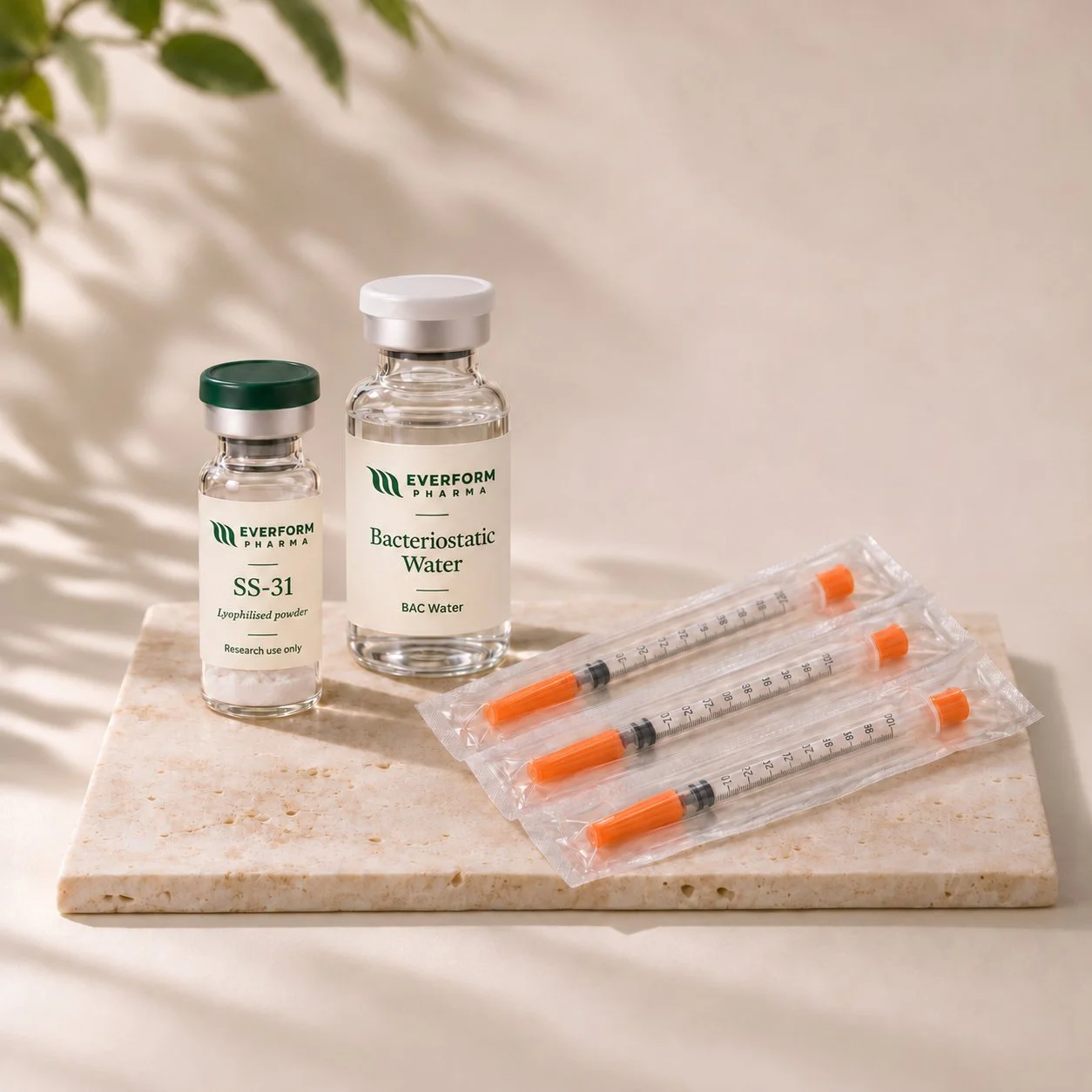
BAC water + syringes
Syringe kit
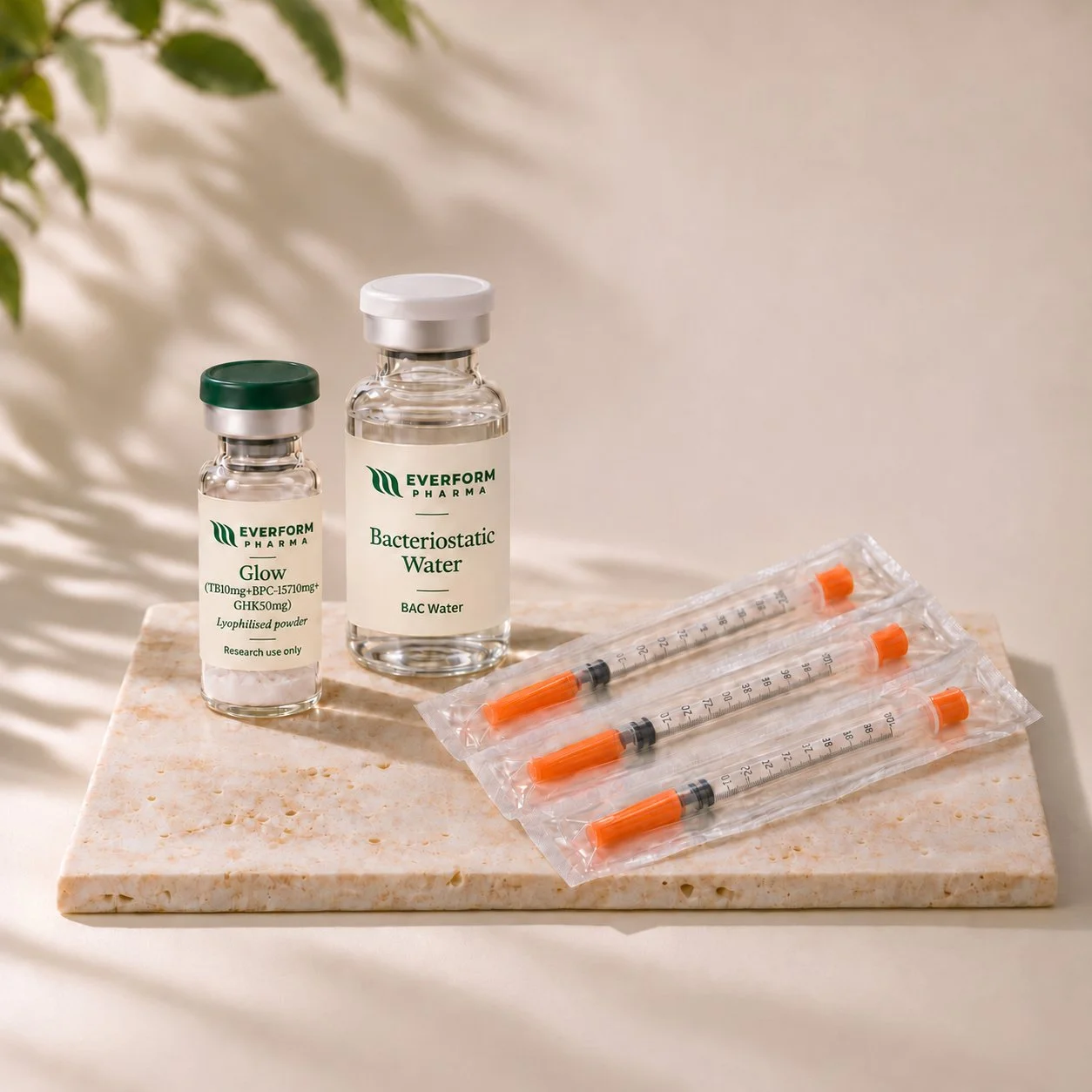
Lyophilised peptide vial, BAC water and syringes.
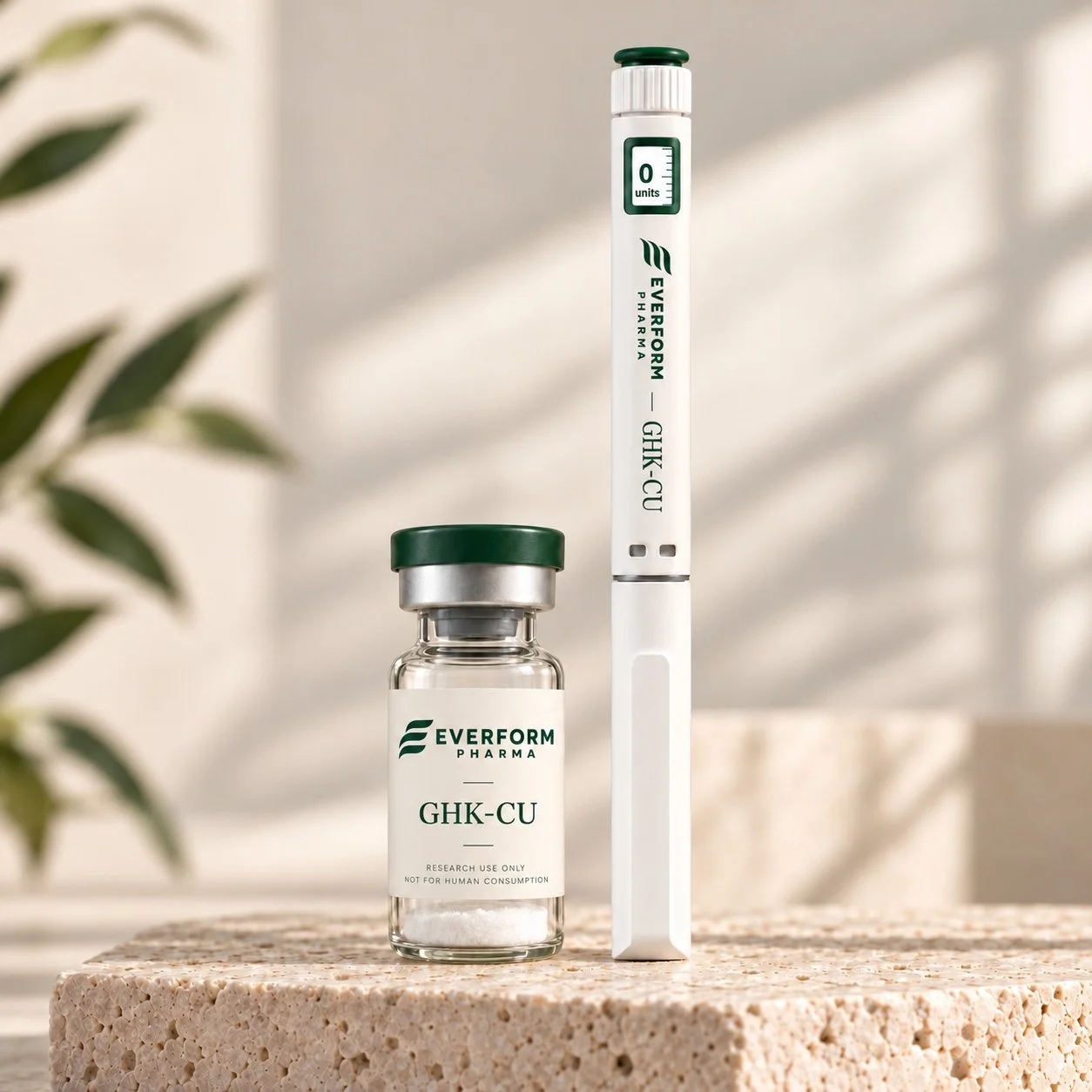
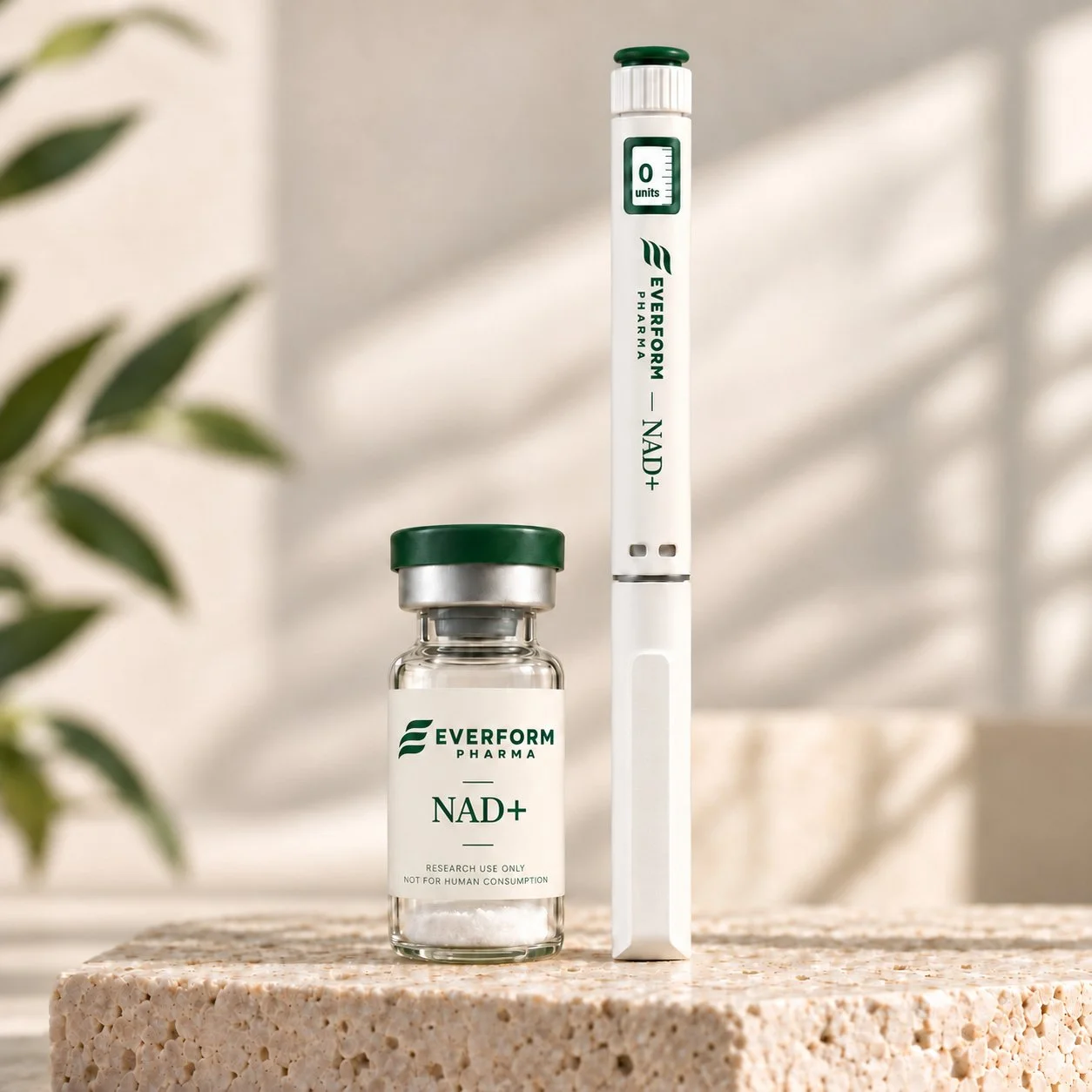
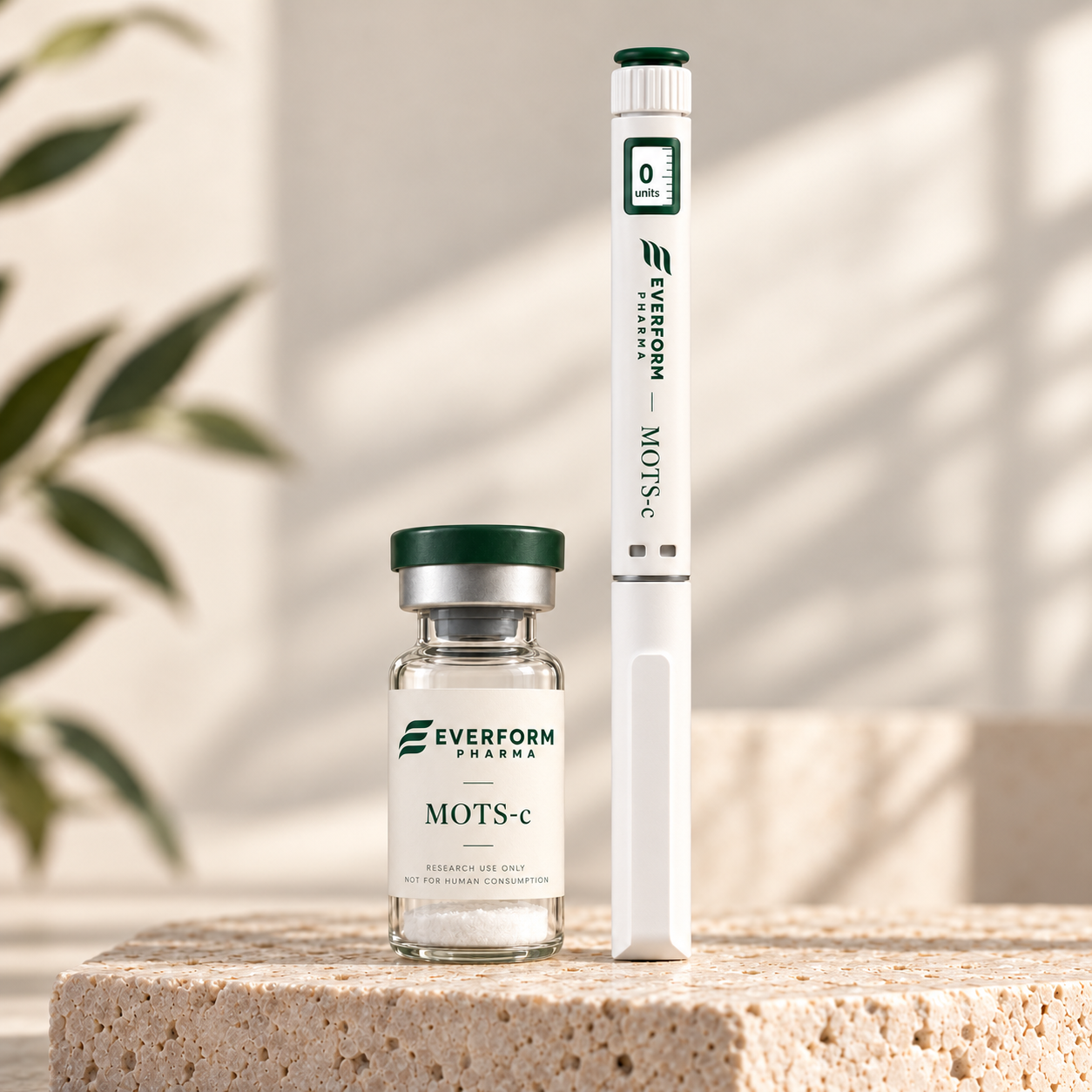
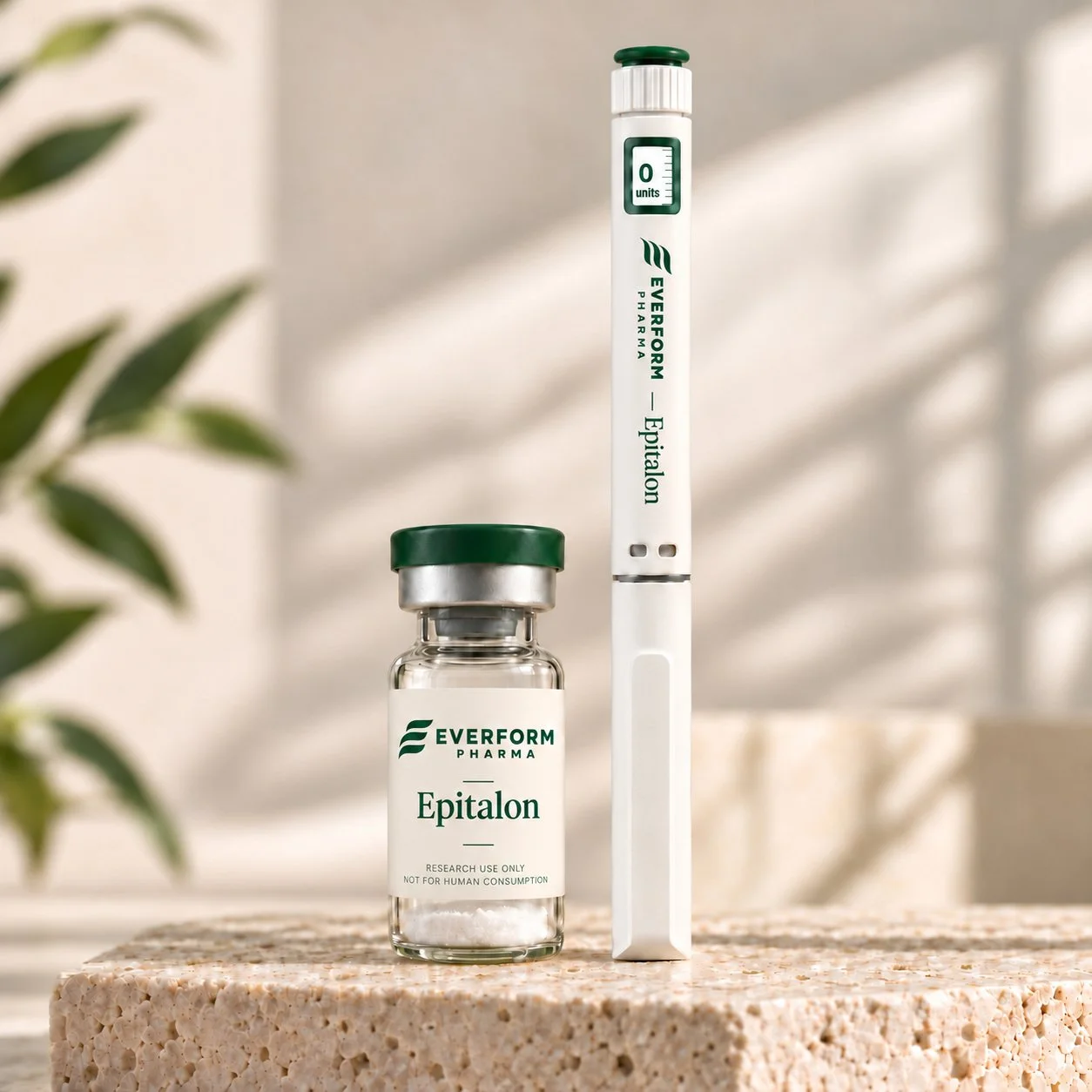
BAC water + pen
Injection pen kit
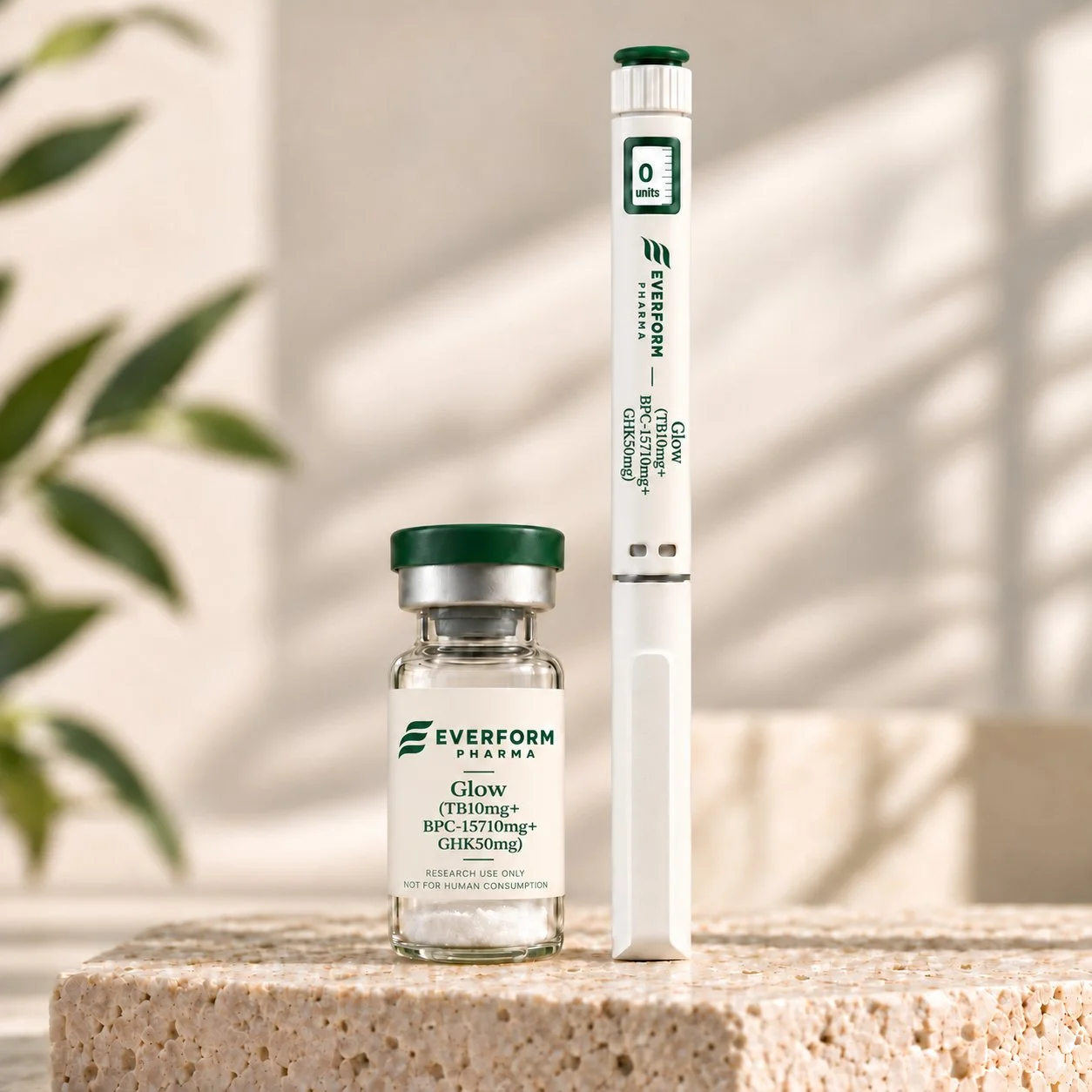
Lyophilised peptide vial, BAC water and an injection pen.
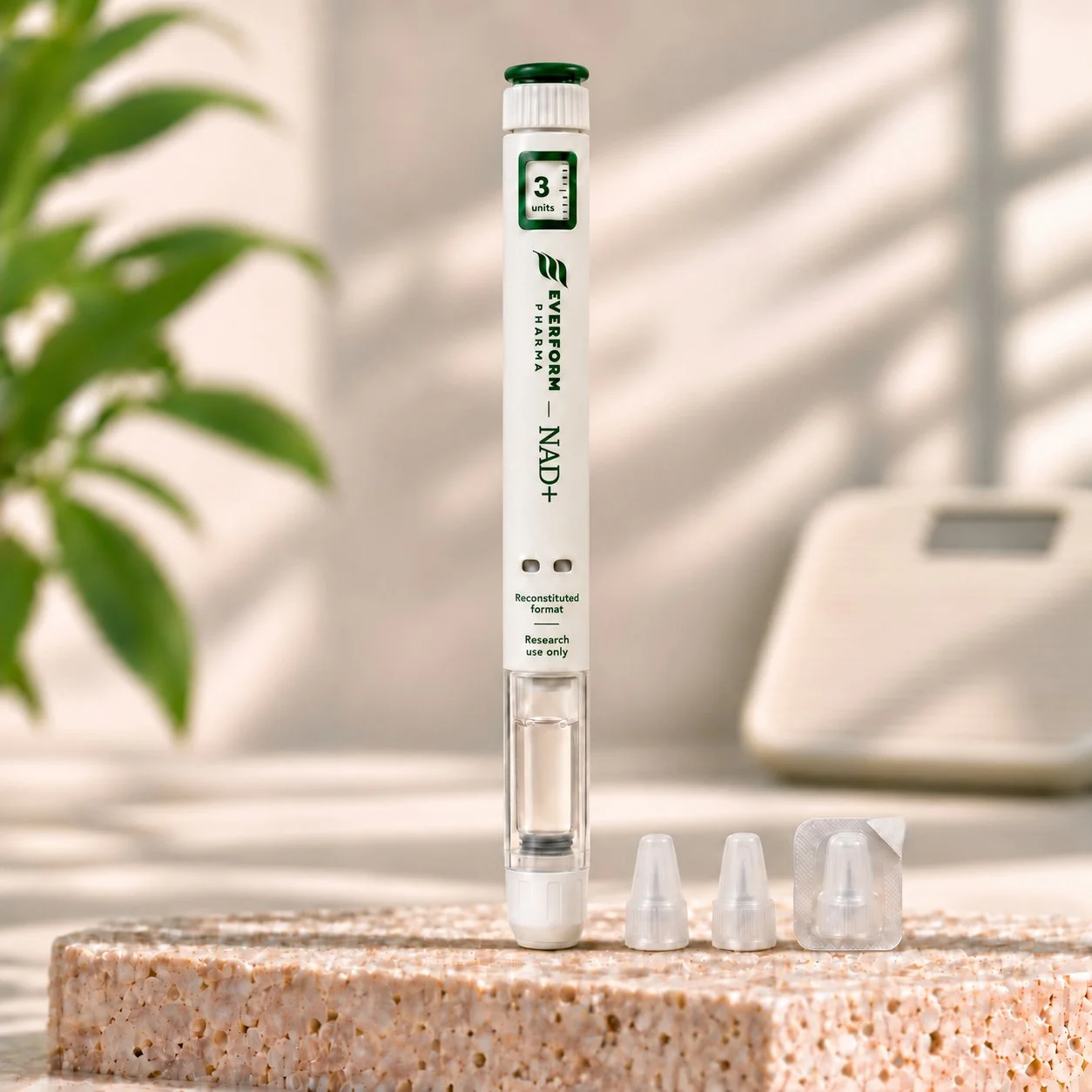
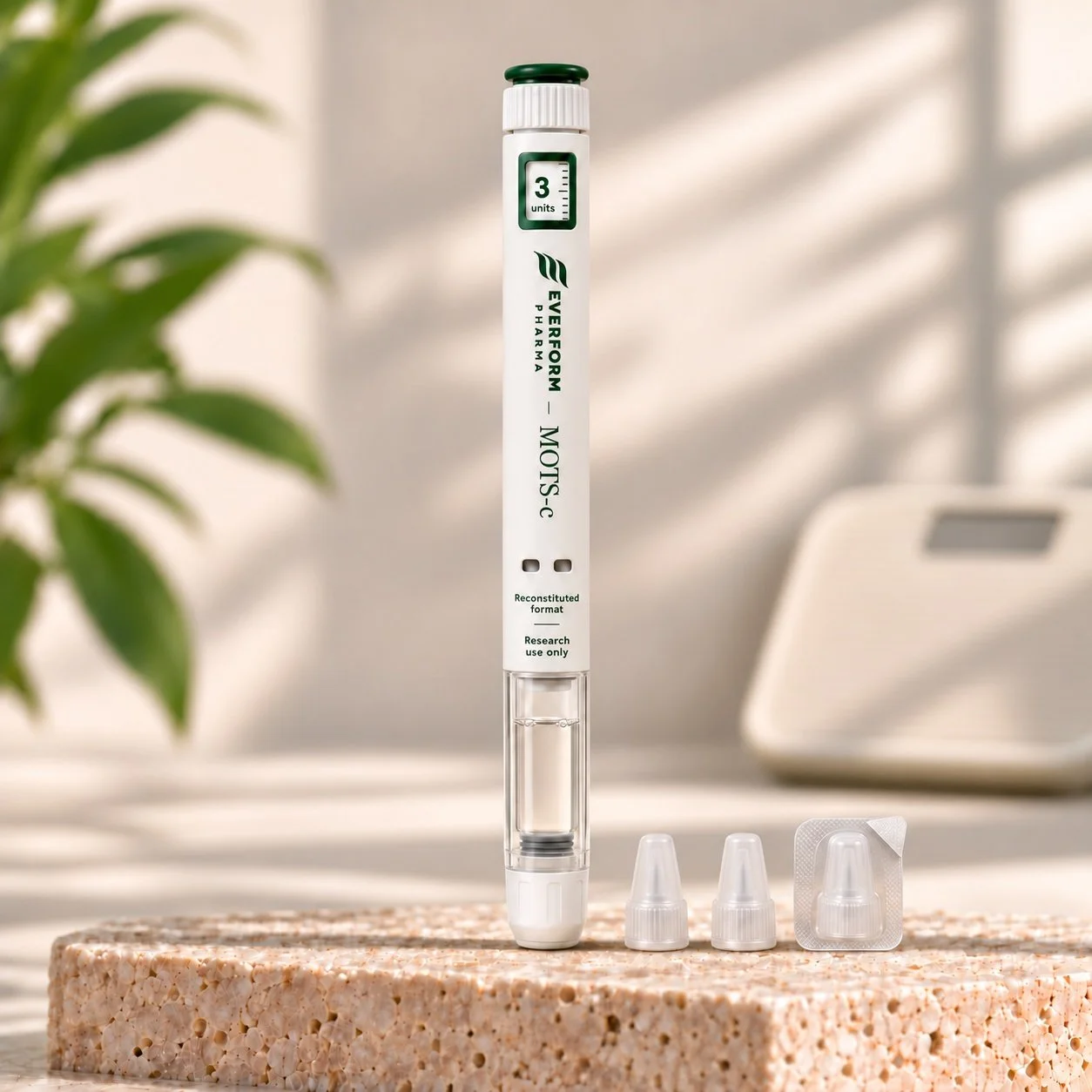
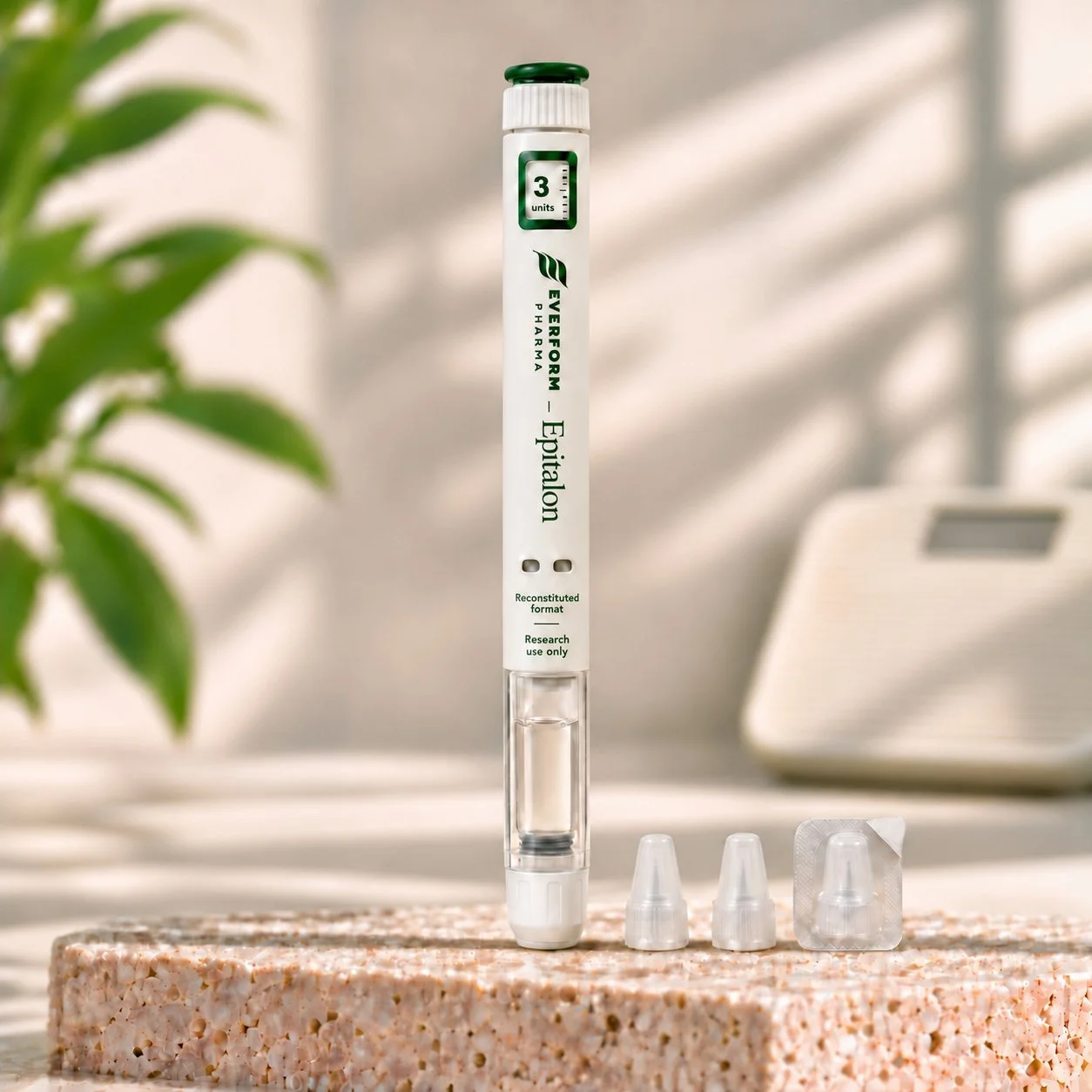
Pen + pen needles
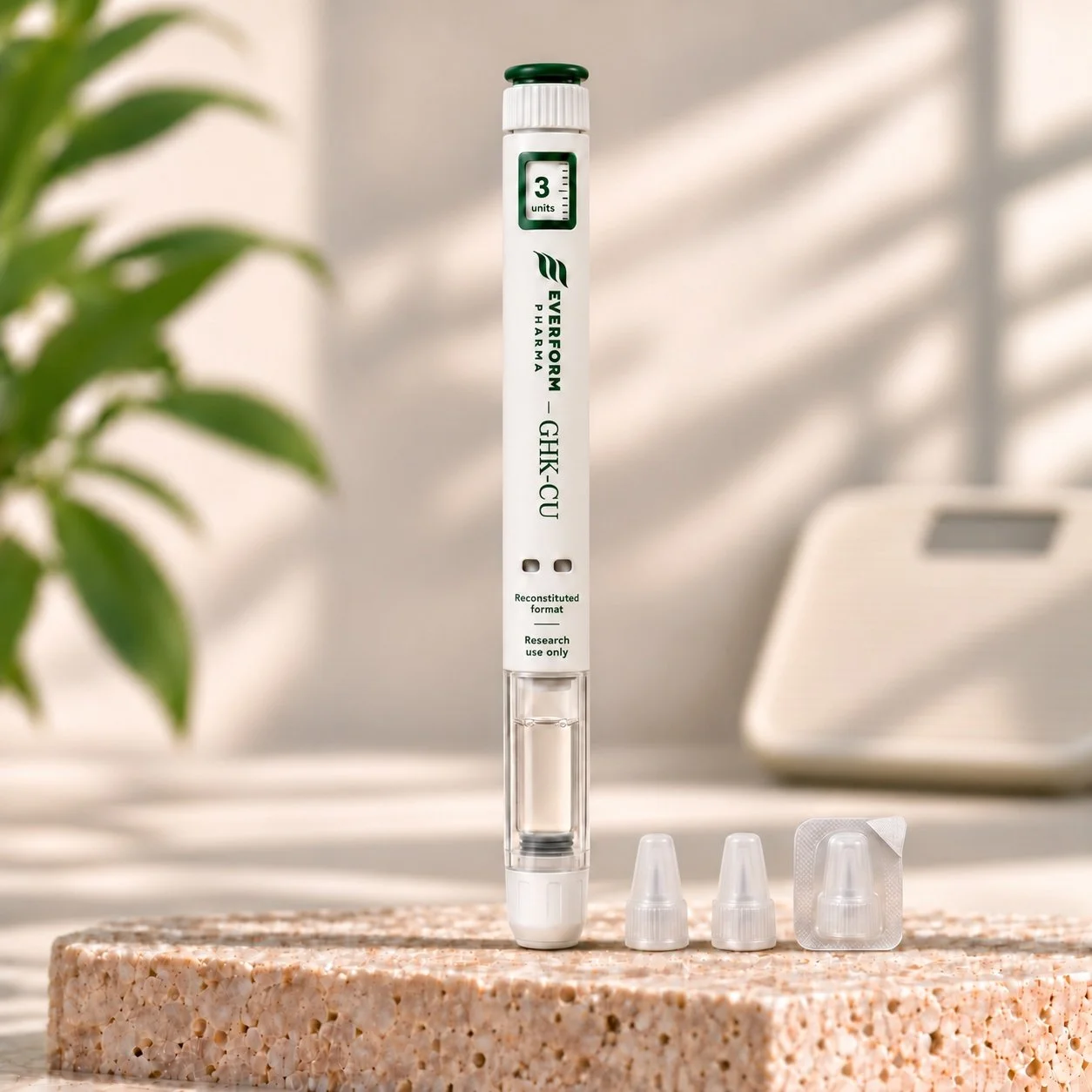
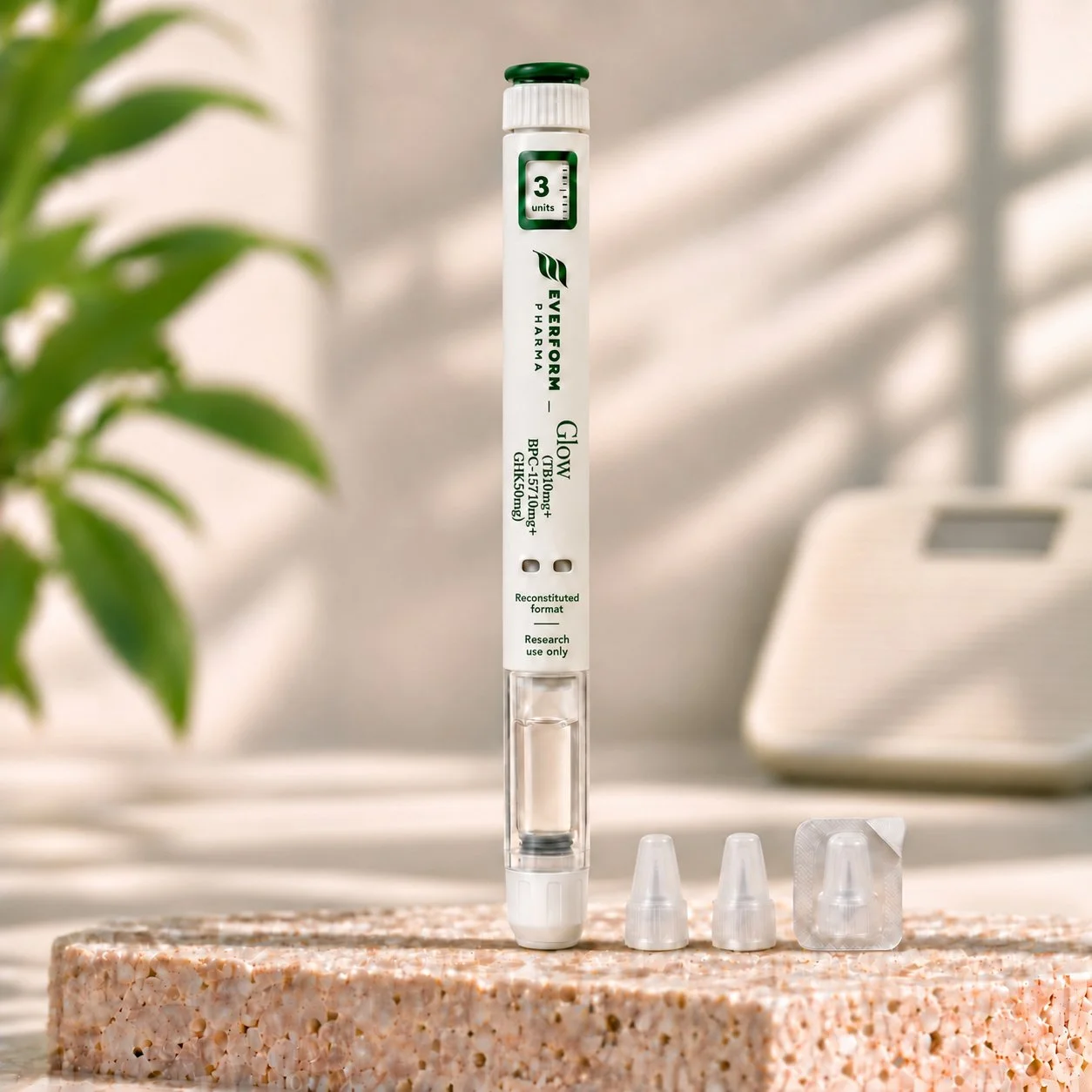
Reconstituted pen
VIETNAM ONLYPeptide solution supplied in a pen at the stated concentration, with pen needles.
For laboratory research only. Not for human or veterinary use.
Everform Pharma · Compound profile
SS-31.
Inside mitochondrial research.
Explore cardiolipin, cellular energetics and the evidence linking membrane biology with human mitochondrial disease.

What is SS-31?
SS-31, also known in the research literature as elamipretide, is a synthetic tetrapeptide: a molecule made from four amino-acid residues. Researchers investigate its interactions with the inner mitochondrial membrane, where much of the cell’s ATP production takes place. [1]
Its scientific profile connects mitochondrial membrane biology with studies of muscle energetics and inherited mitochondrial disease. Findings range from isolated mitochondrial experiments and animal models to clinical trials in defined patient populations. [1] [2] [3]
How it works
A central research target is cardiolipin, a specialised lipid in the inner mitochondrial membrane. It helps organise the membrane environment used by proteins involved in respiration. Laboratory work found that SS-31 interacted with cardiolipin-containing membranes and influenced the relationship between cardiolipin and cytochrome c, an electron-transfer protein. [1]
In those experiments, SS-31 preserved electron-transfer activity while limiting the peroxidase activity of the cytochrome c–cardiolipin complex. Researchers also measured changes in respiration and ATP synthesis efficiency. These are specific experimental findings, not a guarantee that a person will feel more energetic. [1]
MEMBRANE INTERACTIONS
Examining cardiolipin and the organisation of the inner mitochondrial membrane.
CELLULAR ENERGETICS
Investigating electron transport, ATP production and responses to mitochondrial stress.
Main research areas
The same molecule can be studied for different questions. A result in a membrane preparation, an aged mouse or a rare-disease trial should be interpreted within that setting.
| Research area | What studies examine |
|---|---|
| Mitochondrial membranes | Cardiolipin interactions, electron transfer and ATP synthesis in laboratory systems. [1] |
| Ageing muscle biology | Mitochondrial energetics and muscle performance in aged mice. [2] |
| Primary mitochondrial myopathy | Walking distance and fatigue in a randomised human phase 3 trial. [3] |
| Barth syndrome | Functional measures in a small crossover trial and subsequent open-label follow-up in a specific genetic disease. [4] |
Clinical trial formulations and an authorised medicine are not automatically equivalent to an Everform research vial or pen.
What published findings show
Animal muscle research: Siegel and colleagues reported improved mitochondrial energy measurements and muscle-performance measures in aged mice. The work supports investigation of age-related mitochondrial dysfunction, but does not establish rejuvenation, longevity or exercise benefits in healthy people. [2]
Primary mitochondrial myopathy: MMPOWER-3 randomised 218 participants with genetically confirmed disease. Elamipretide did not significantly improve either of its primary outcomes—six-minute walking distance or total fatigue—compared with placebo over 24 weeks. This is an important limit on broad claims about energy and endurance. [3]
Barth syndrome: A 12-participant crossover trial did not meet its primary walking and symptom endpoints during the randomised phase. Improvements were reported during the subsequent open-label period, which lacked a concurrent placebo comparison. The different study phases should not be treated as equally strong evidence. [4]
Regulatory context: On 19 September 2025, the US FDA granted accelerated approval to Forzinity (elamipretide) to improve muscle strength in adults and children with Barth syndrome weighing at least 30 kg. The decision relied on knee extensor strength findings, with a confirmatory trial required to verify clinical benefit. That specific approval does not apply to Everform’s research product or establish a general anti-ageing indication. [5]
Mechanistic promise, disease-specific trial findings and regulatory approval answer different questions. None establishes that this Everform SS-31 product improves general energy, athletic performance or lifespan.
The Everform product, at a glance
Compound labelSS-31
Labelled vial amount10 mg
Base formatLyophilised peptide powder
Supply optionsSee the format guide above
Everform Pharma is based in Da Nang, Vietnam. Select an available supply format using the product options above. Complimentary BAC water is included with every order.
Explore Your format, your way →
The full REF on the product should match the relevant documentation. The security sticker repeats the product identifier and should match the vial or pen; it is not a separate new ID. Follow the actual product label for storage conditions and expiry information.
Read identity, chromatographic purity and measured peptide content separately. A purity percentage alone does not confirm the amount per vial, and a matching molecular mass does not resolve every structural or stereochemical question.
Common questions
What does “mitochondria-targeted” mean?
It describes the compound’s investigated interactions with mitochondria, including cardiolipin in the inner membrane. It is a description of research biology, not a guarantee of a clinical outcome. [1]
Are SS-31 and elamipretide related names?
SS-31 is a research name for the peptide known as elamipretide. A shared molecular name does not make an Everform research product equivalent to the authorised medicine or the formulation used in a clinical trial.
Does the Barth syndrome approval cover this product?
No. The FDA decision concerns Forzinity for a defined Barth syndrome indication. It does not confer approval on an Everform vial or pen. [5]
Did the large mitochondrial myopathy trial meet its primary endpoints?
No. MMPOWER-3 did not find significant improvement in six-minute walking distance or total fatigue compared with placebo at 24 weeks. [3]
Does 10 mg describe a recommended dose?
No. It is the labelled amount of peptide in the vial, not a dose or an administration instruction.
How should I match the product to its documentation?
Use the full REF on the vial or pen. The security sticker should repeat that same identifier. Check the actual label for storage and expiry information.
References
Everform Pharma · Da Nang, Vietnam
Educational product information.
For laboratory research only.
Not for human or veterinary use.