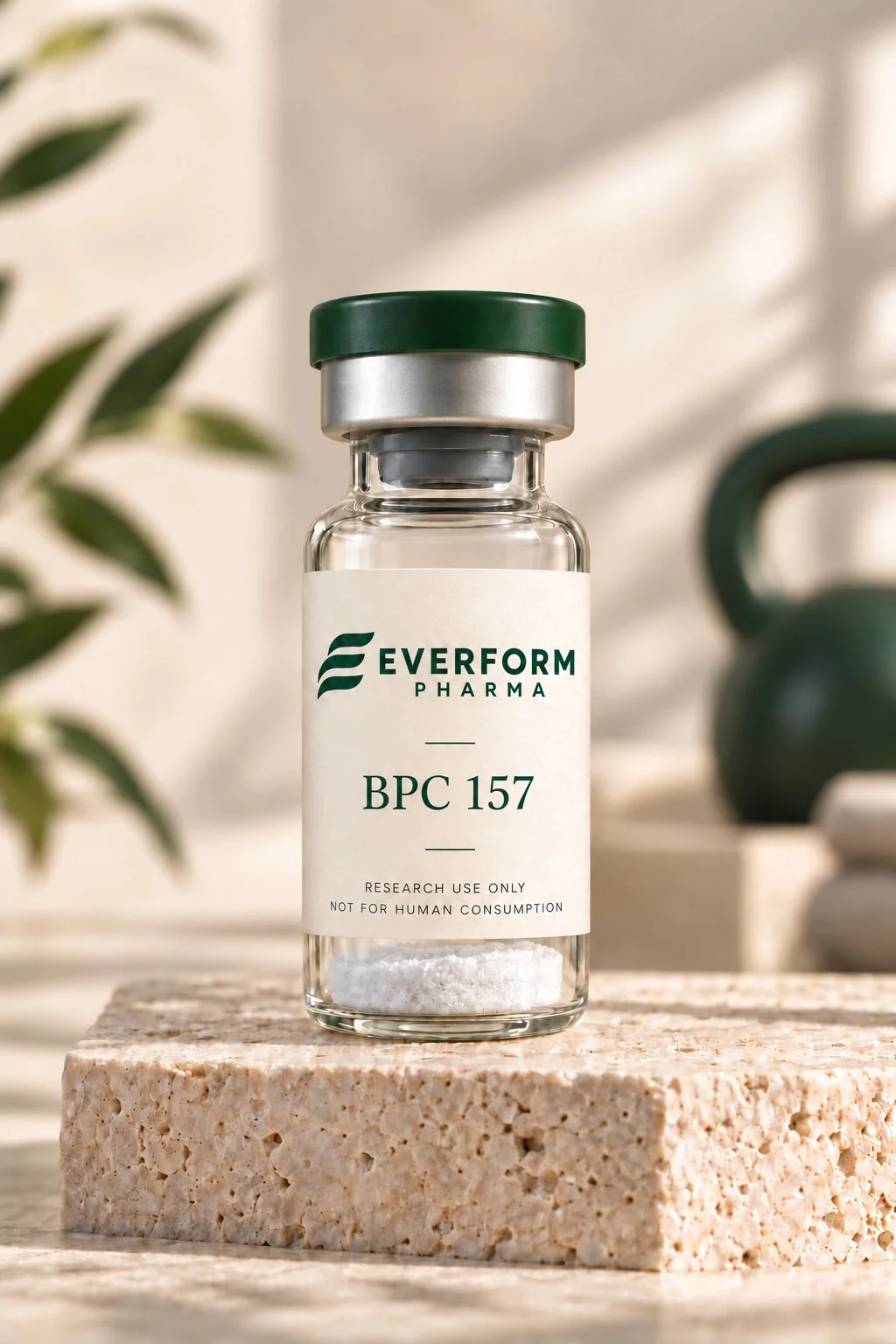
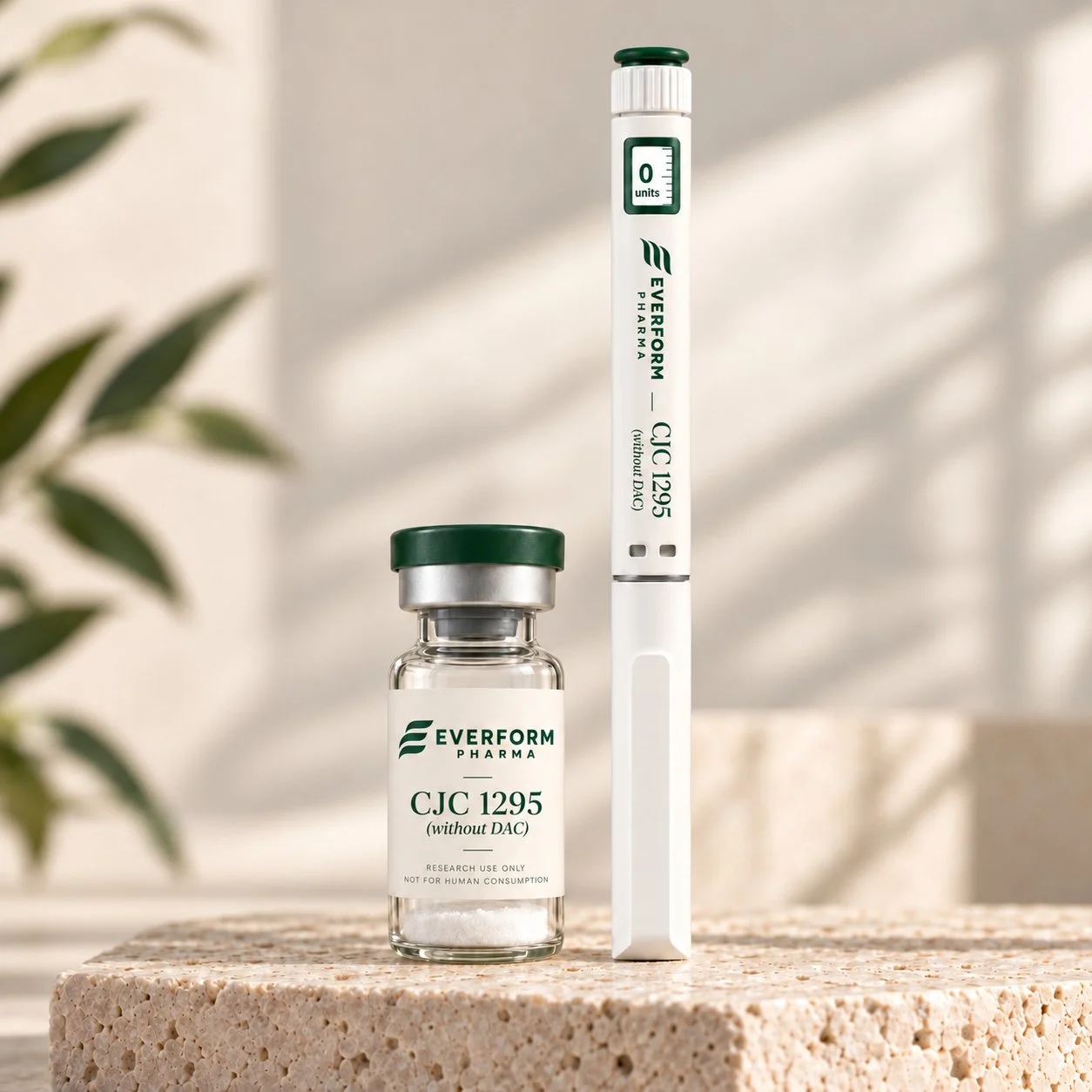
 Image 1 of 4
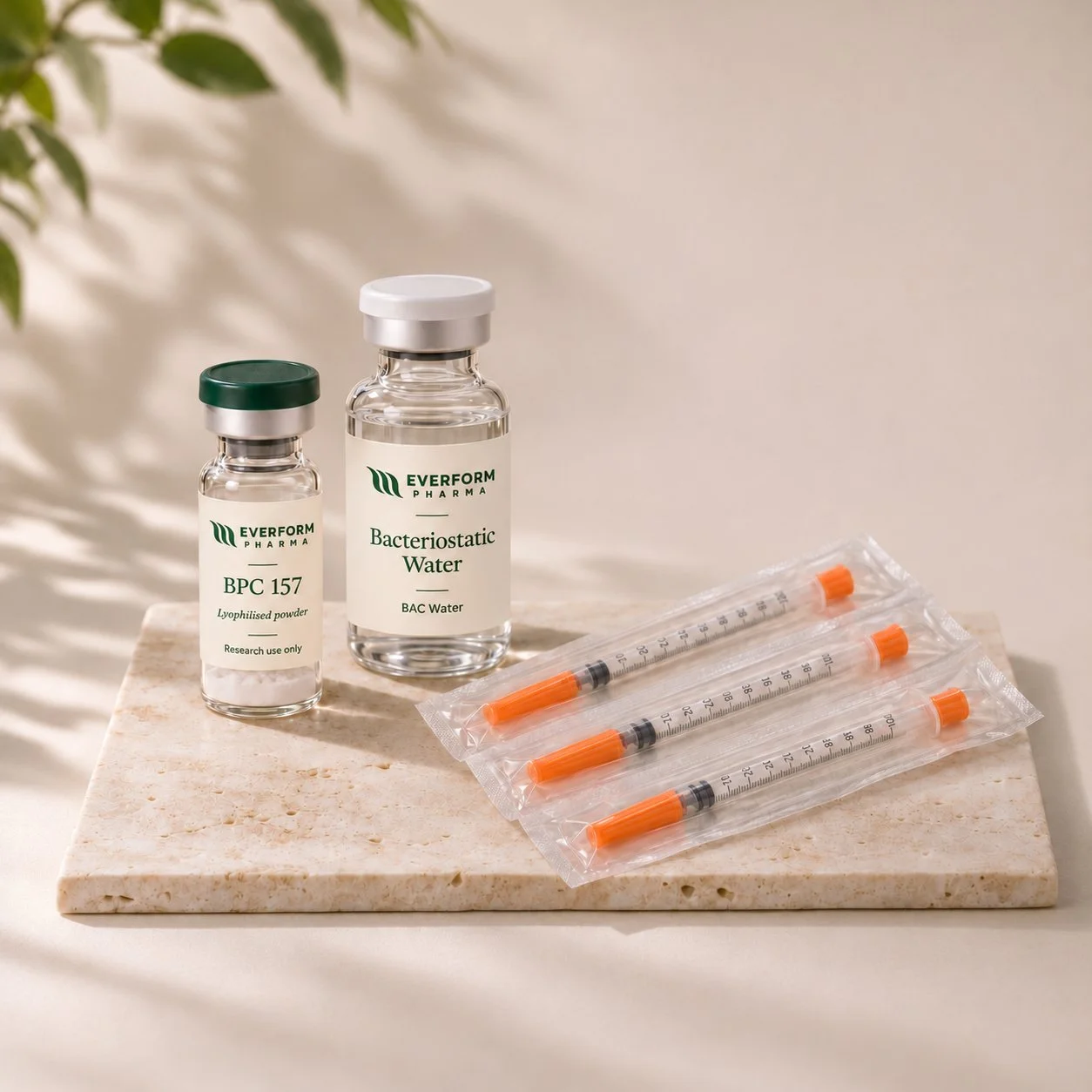
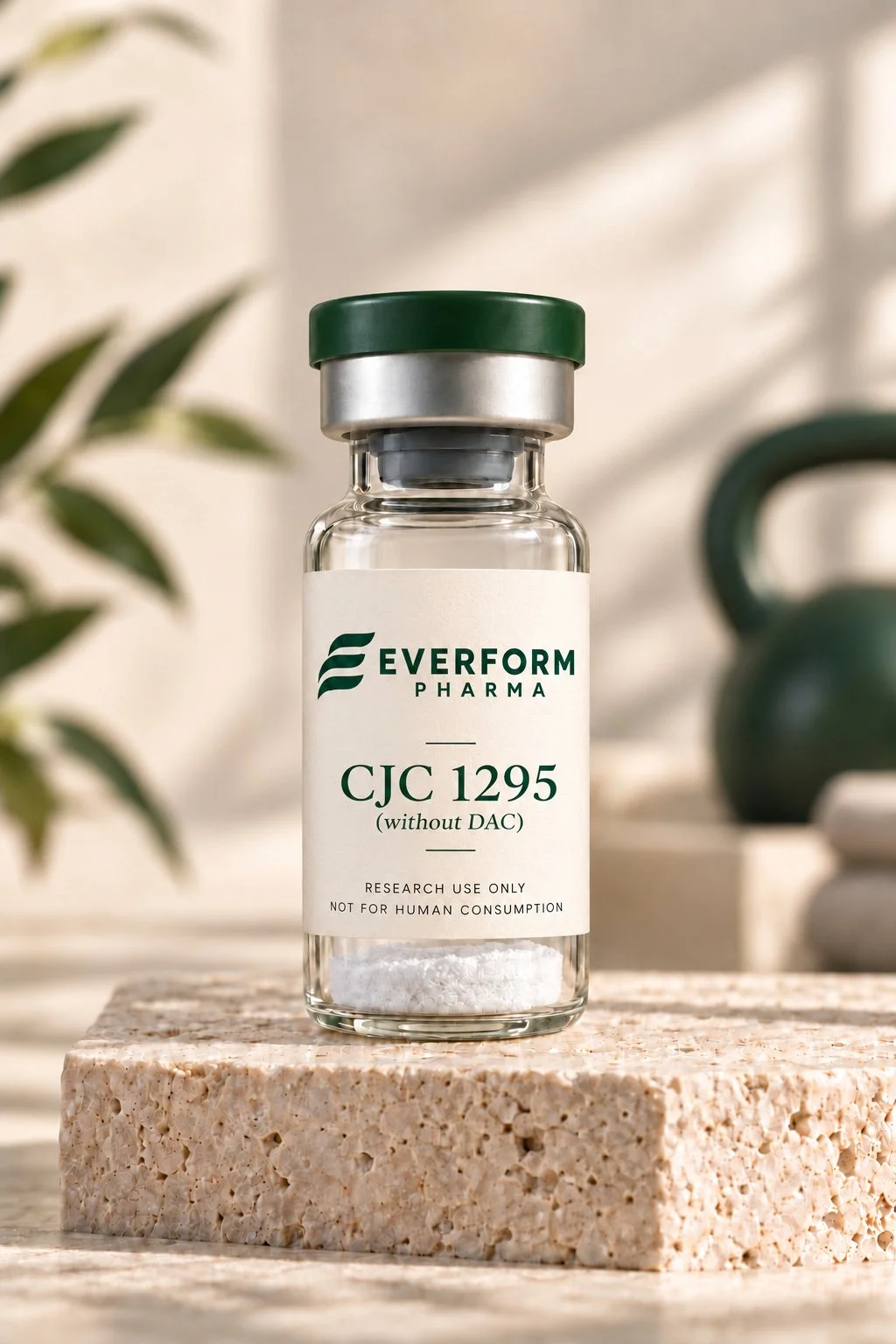
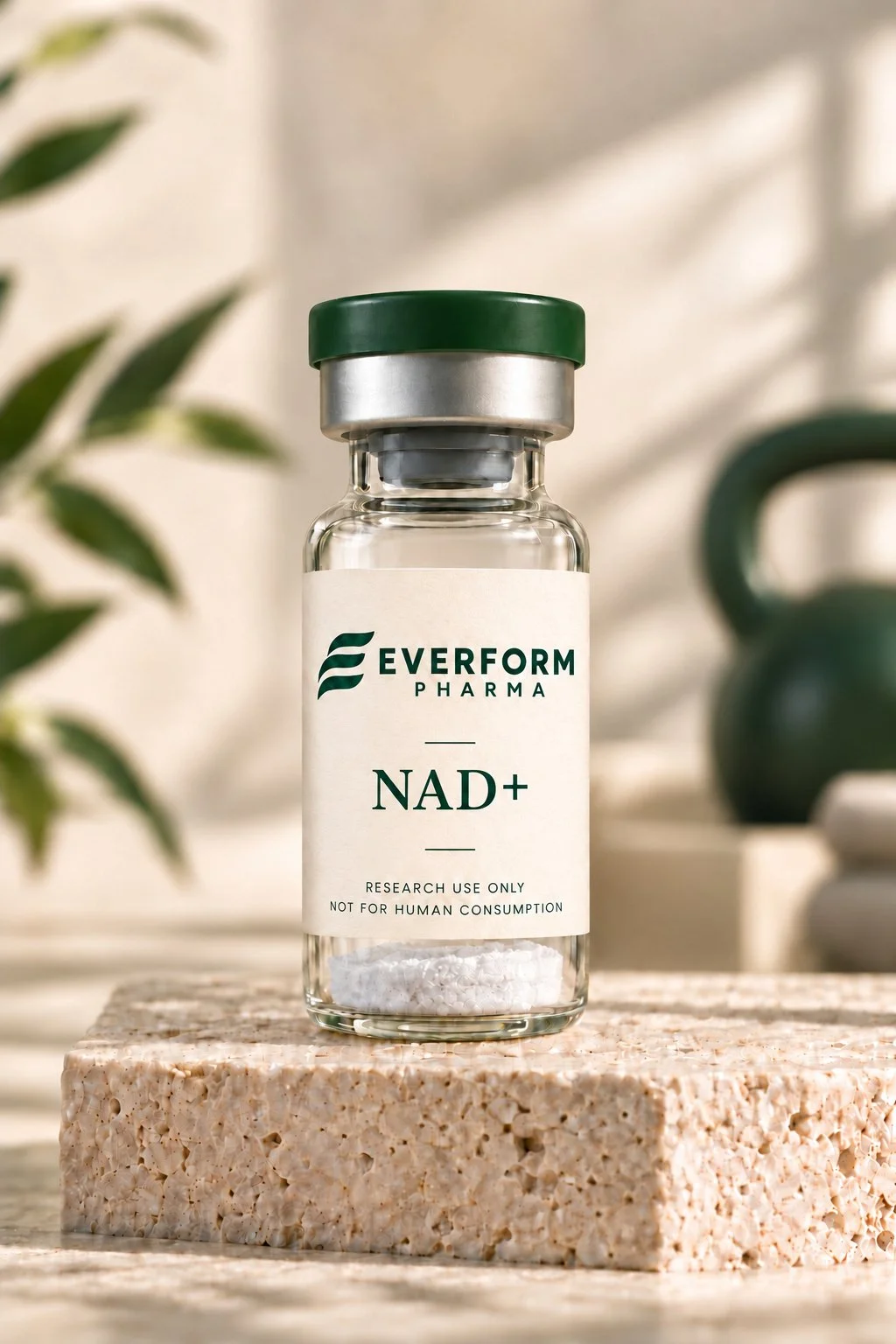 Image 2 of 4
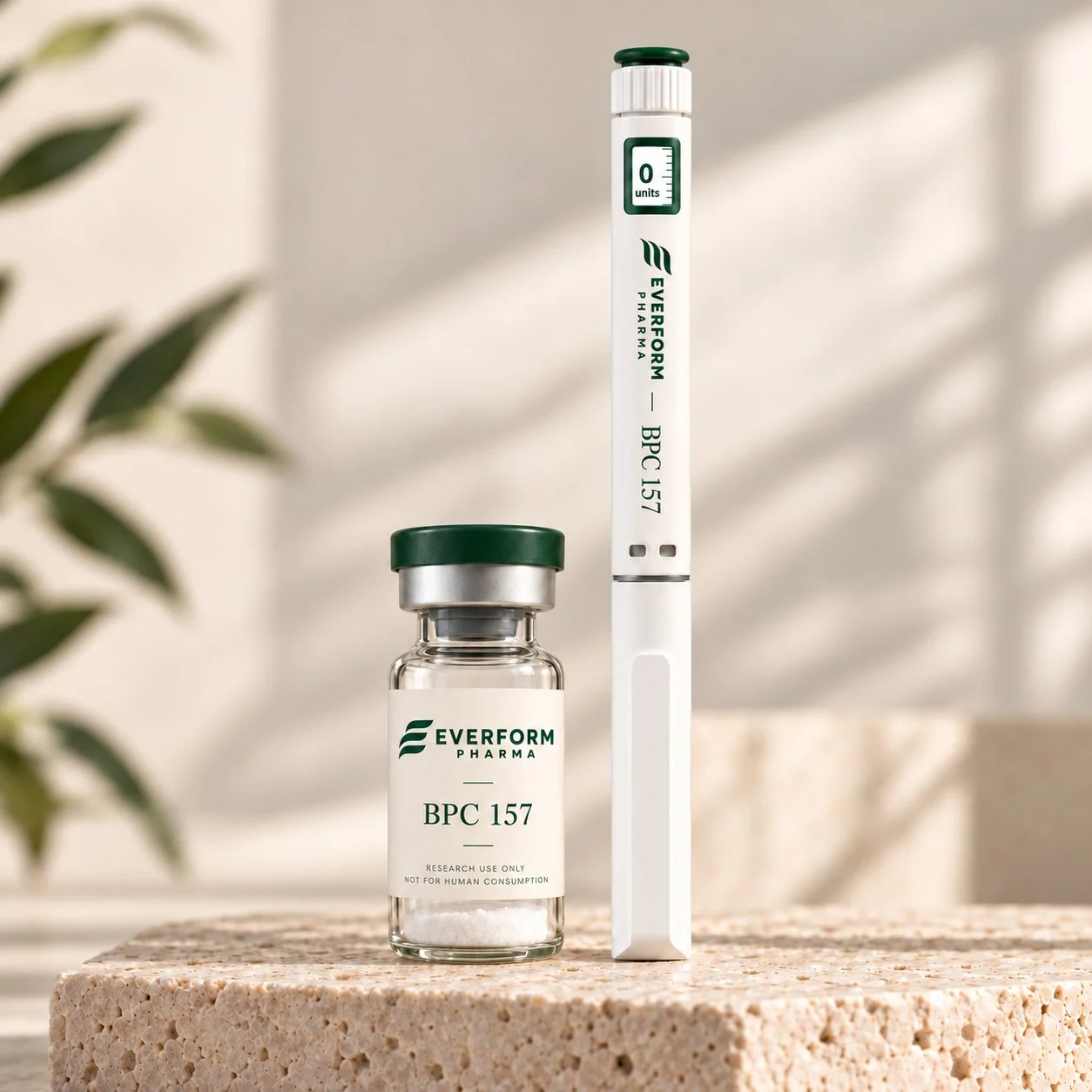
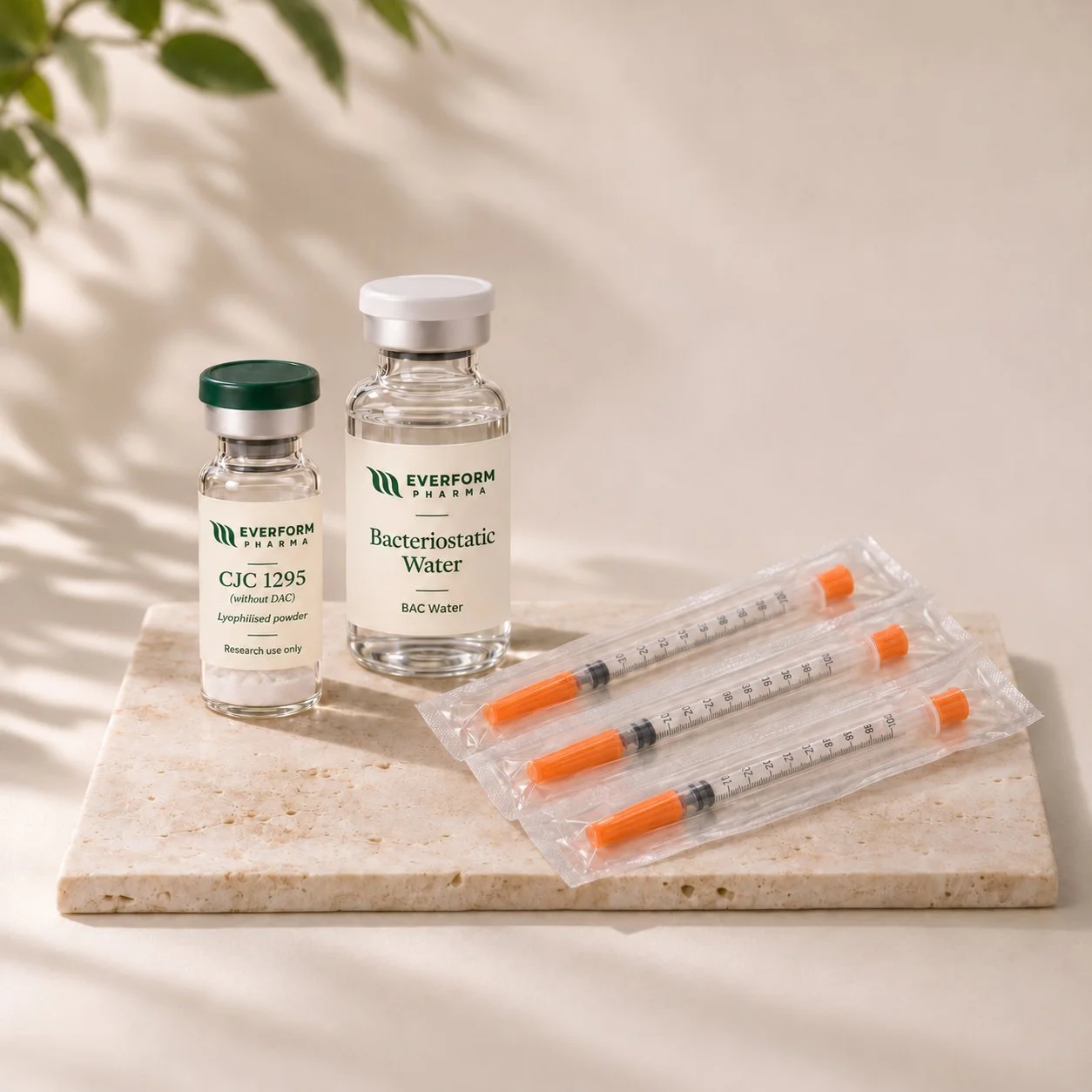
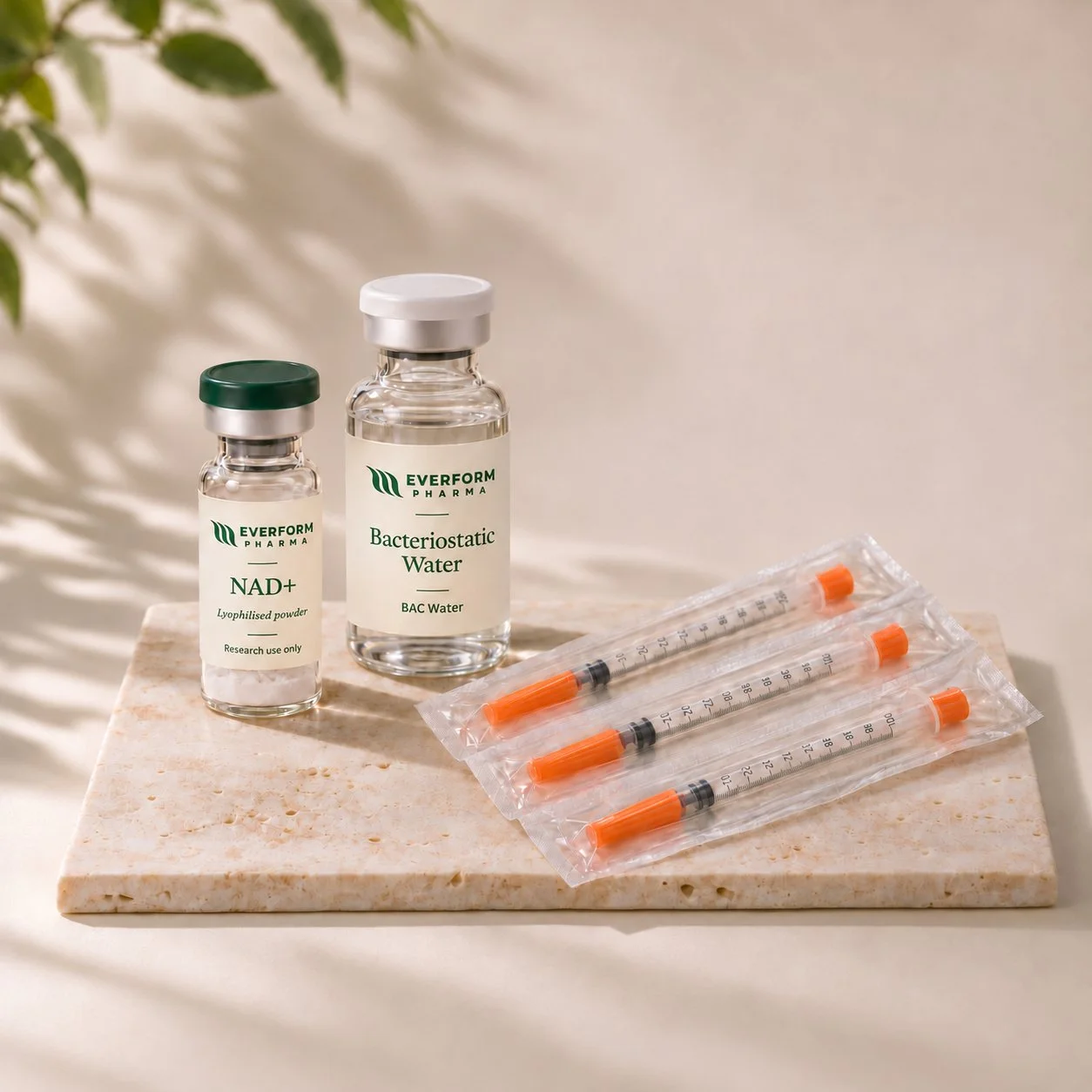 Image 3 of 4
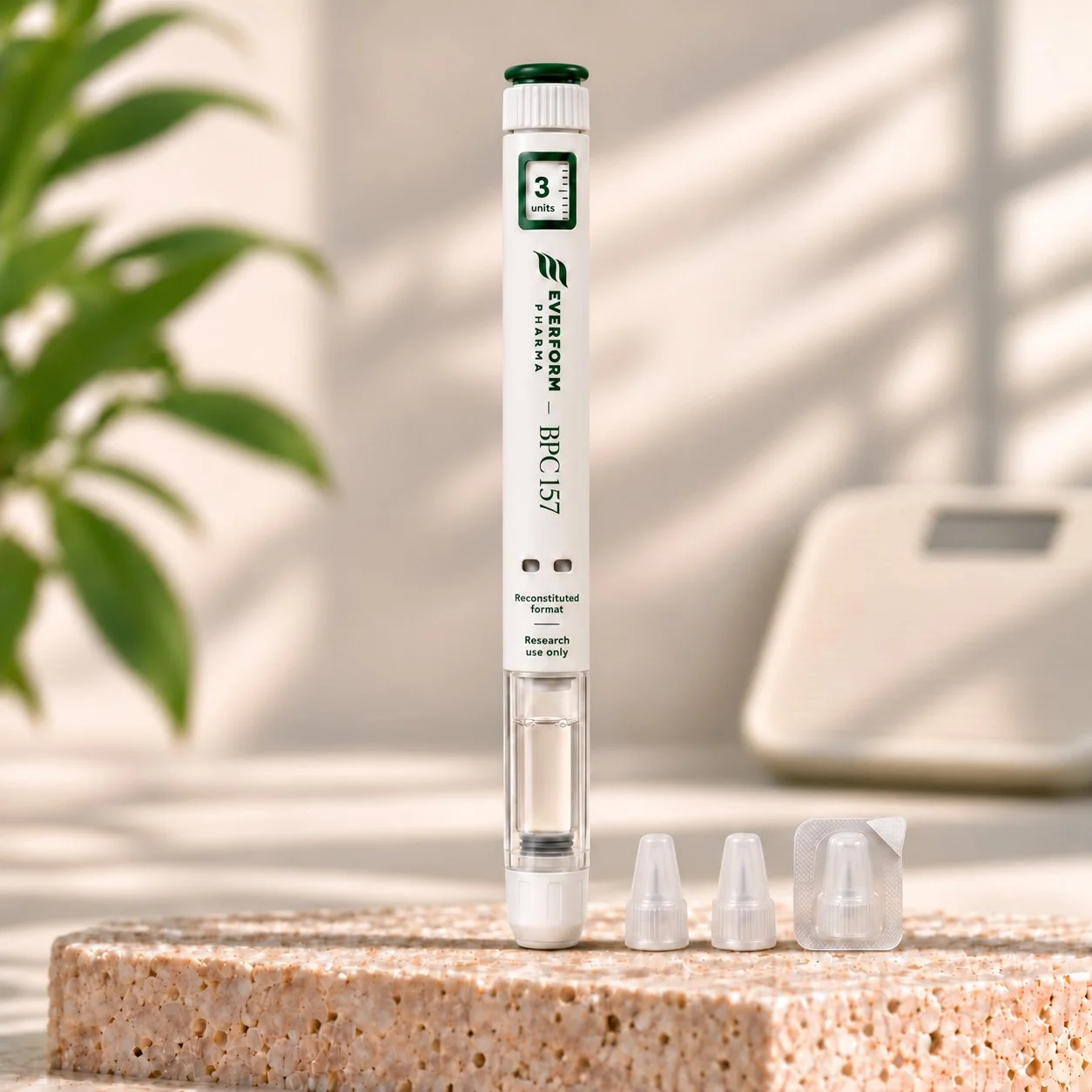
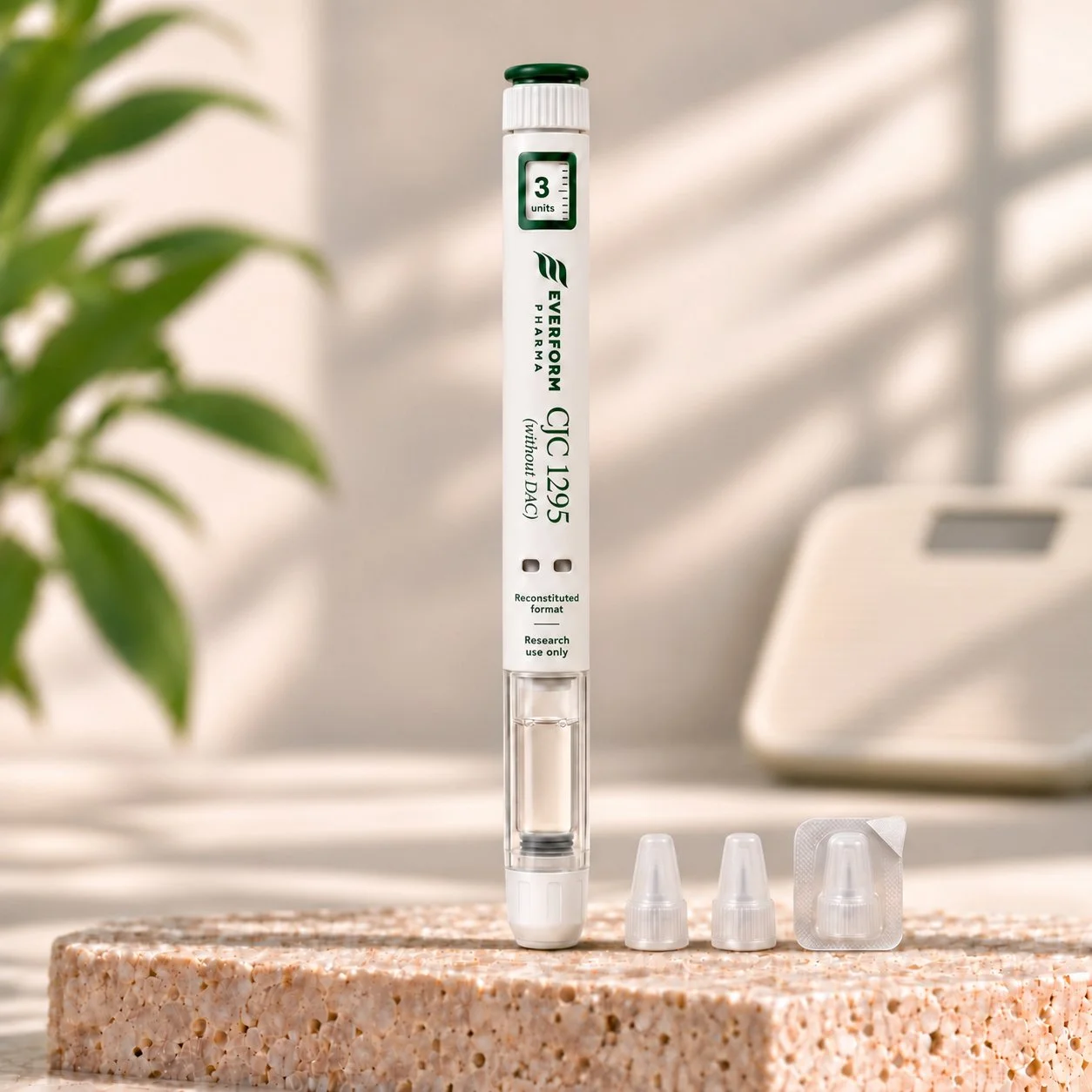
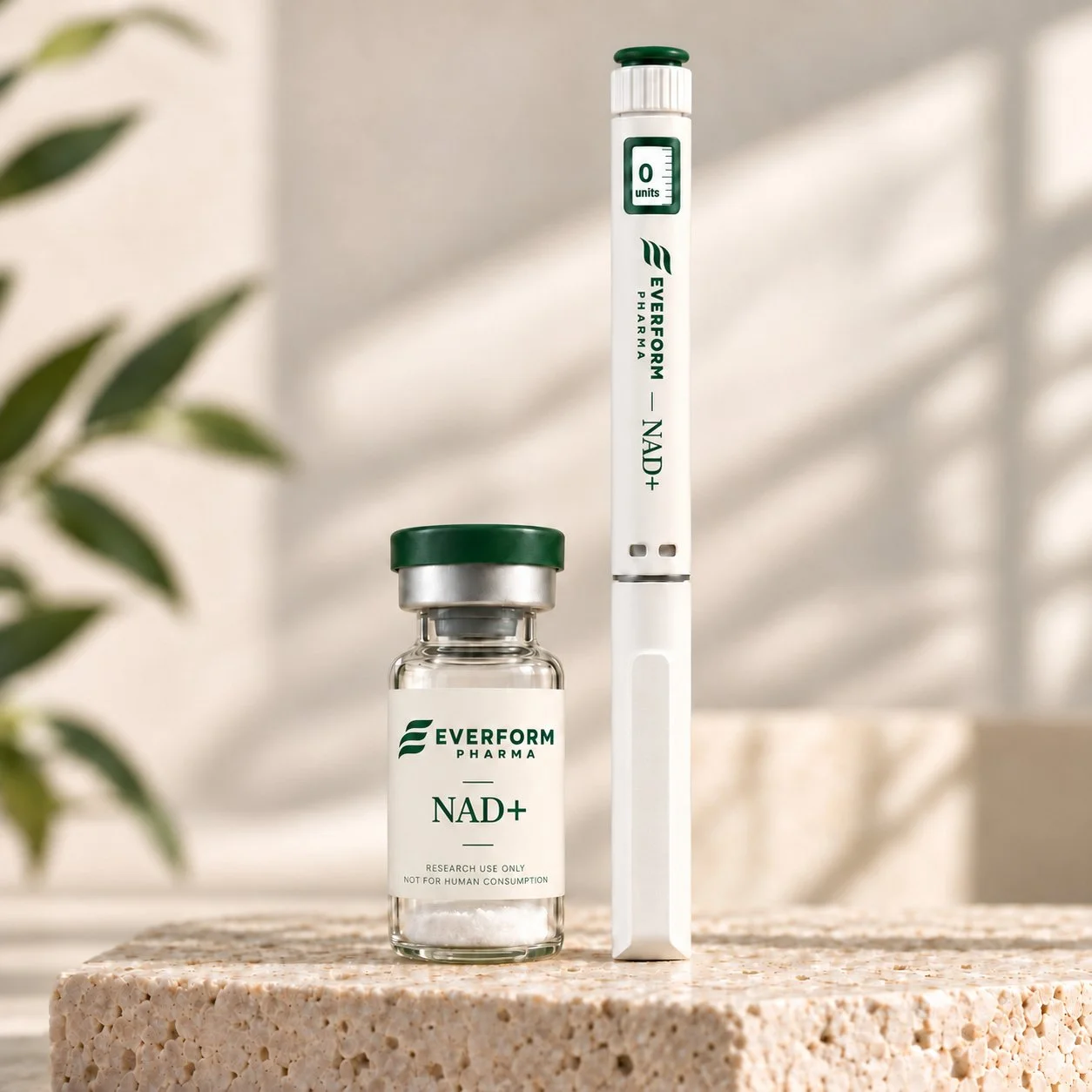 Image 4 of 4
Packaging & supply options
Your format, your way.
The same research peptide, with a choice of accessories and supply formats. Here’s what each option includes.
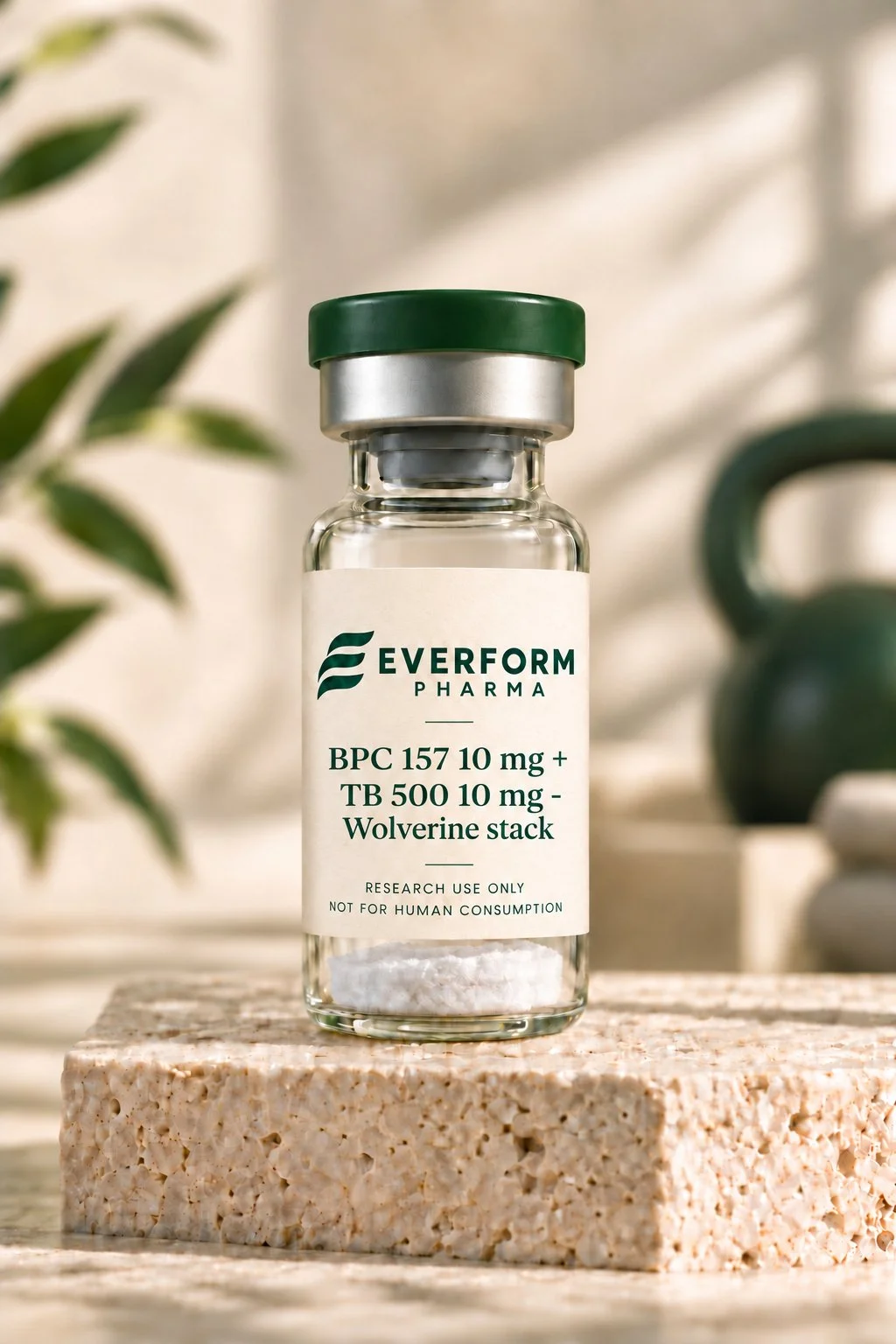
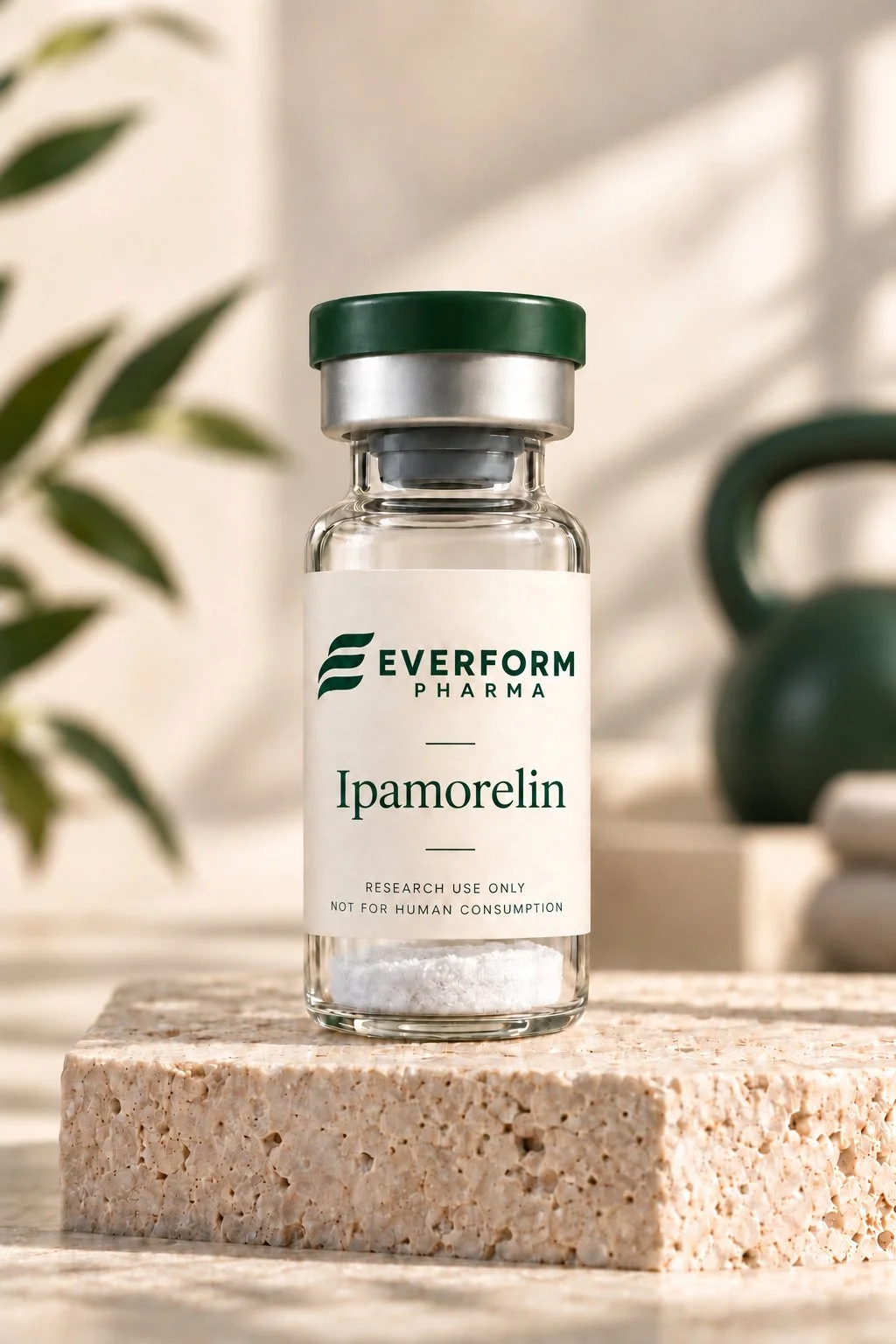
BAC water
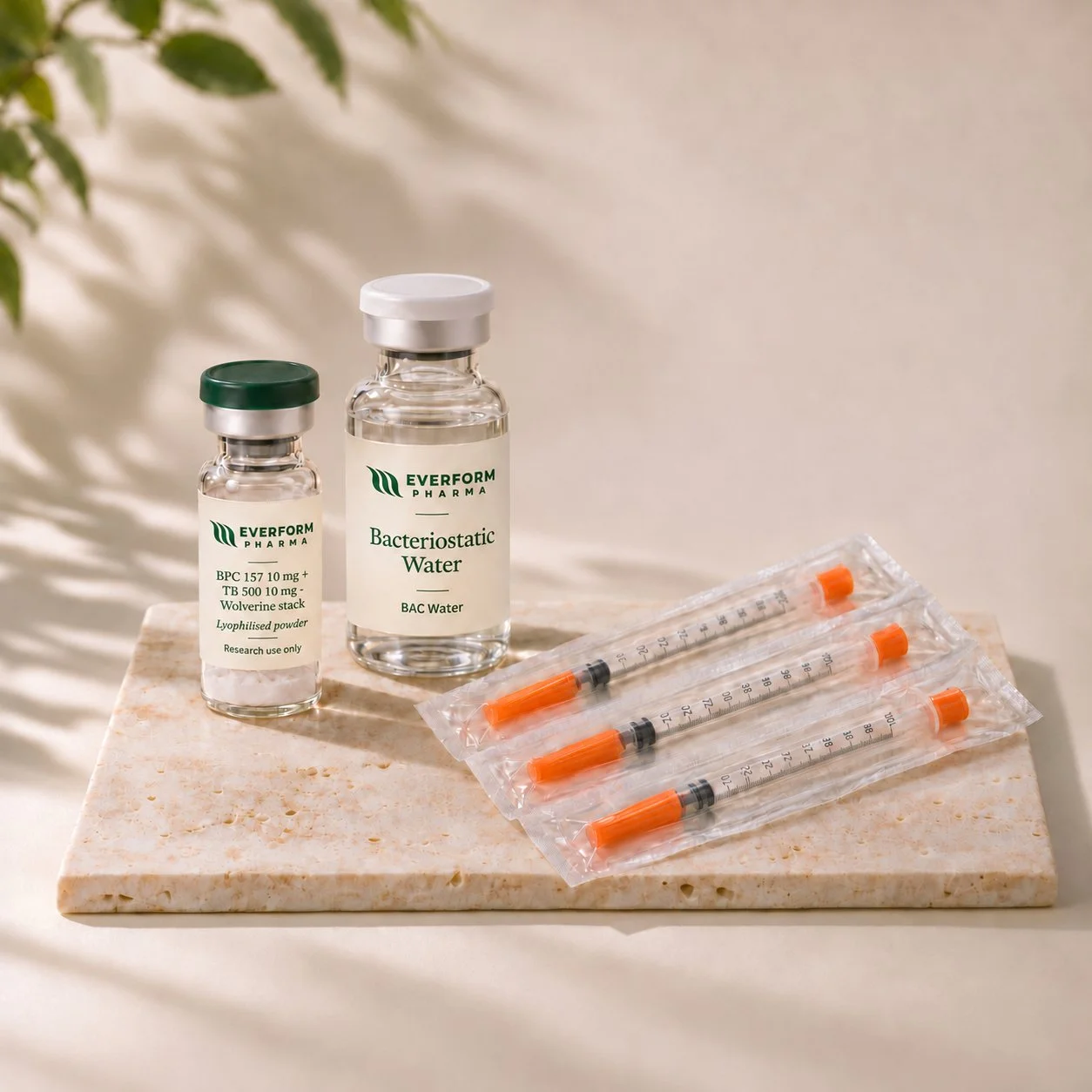
Vial kit
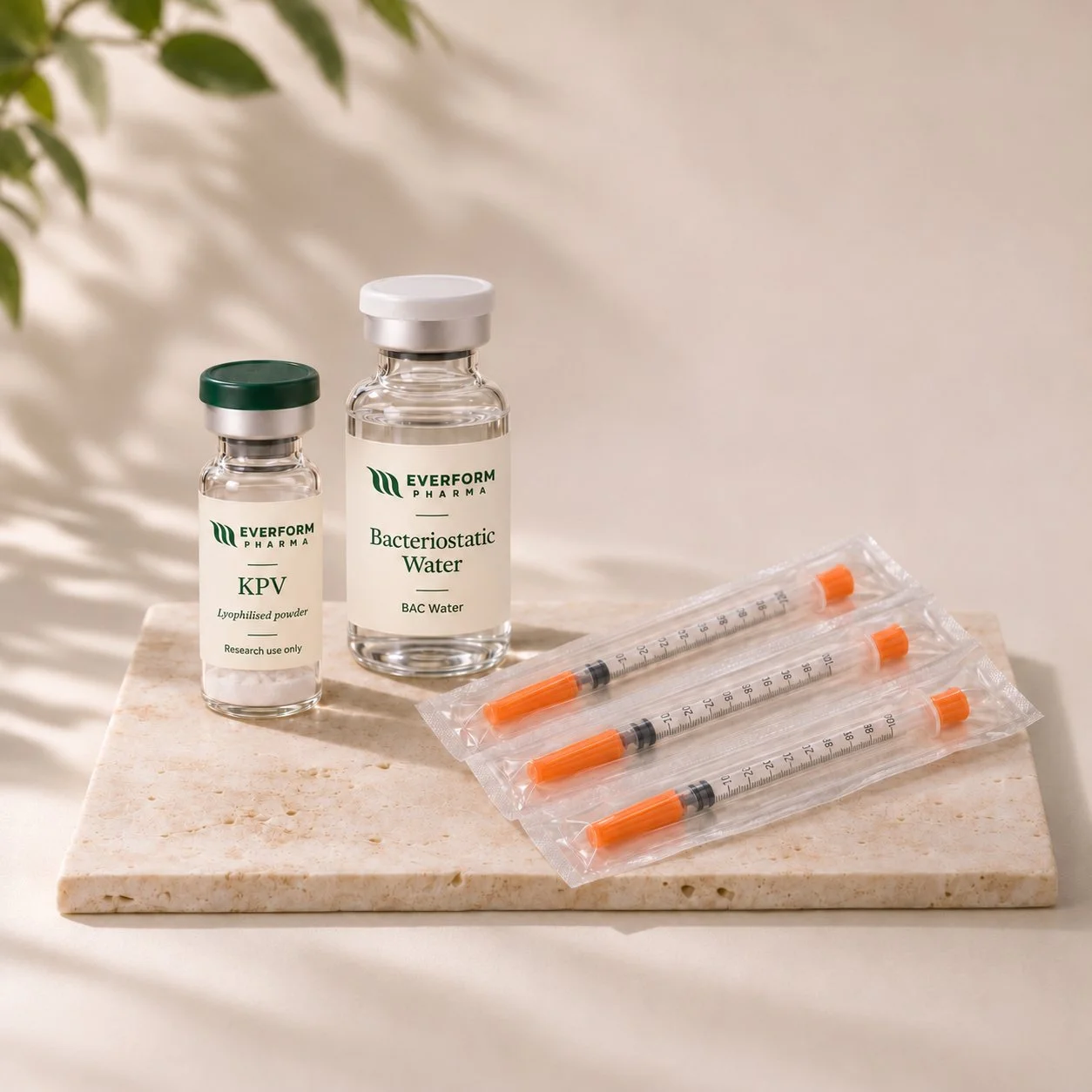
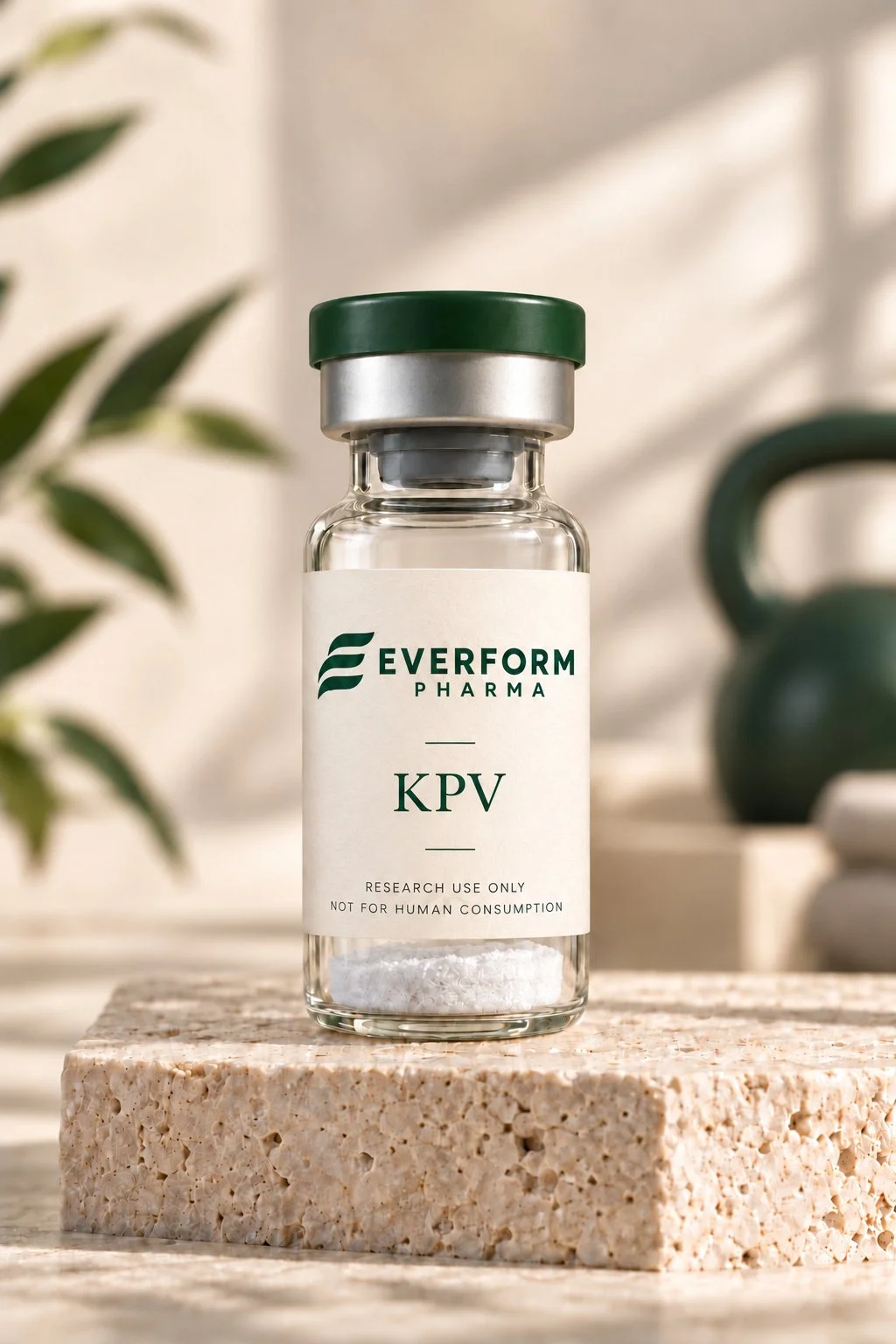
Lyophilised peptide vial with separately packaged, complimentary BAC water.
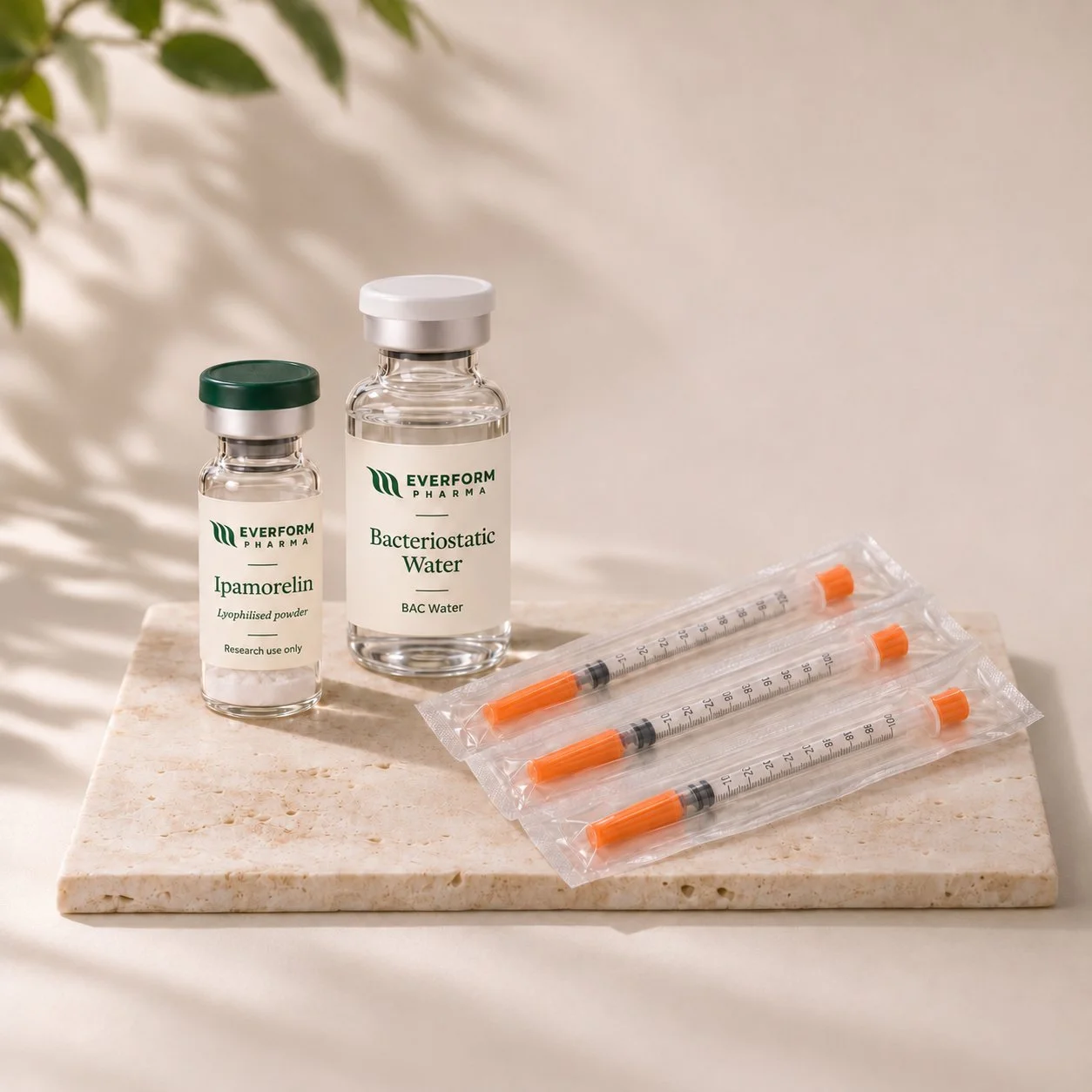
BAC water + syringes
Syringe kit
Lyophilised peptide vial, BAC water and syringes.
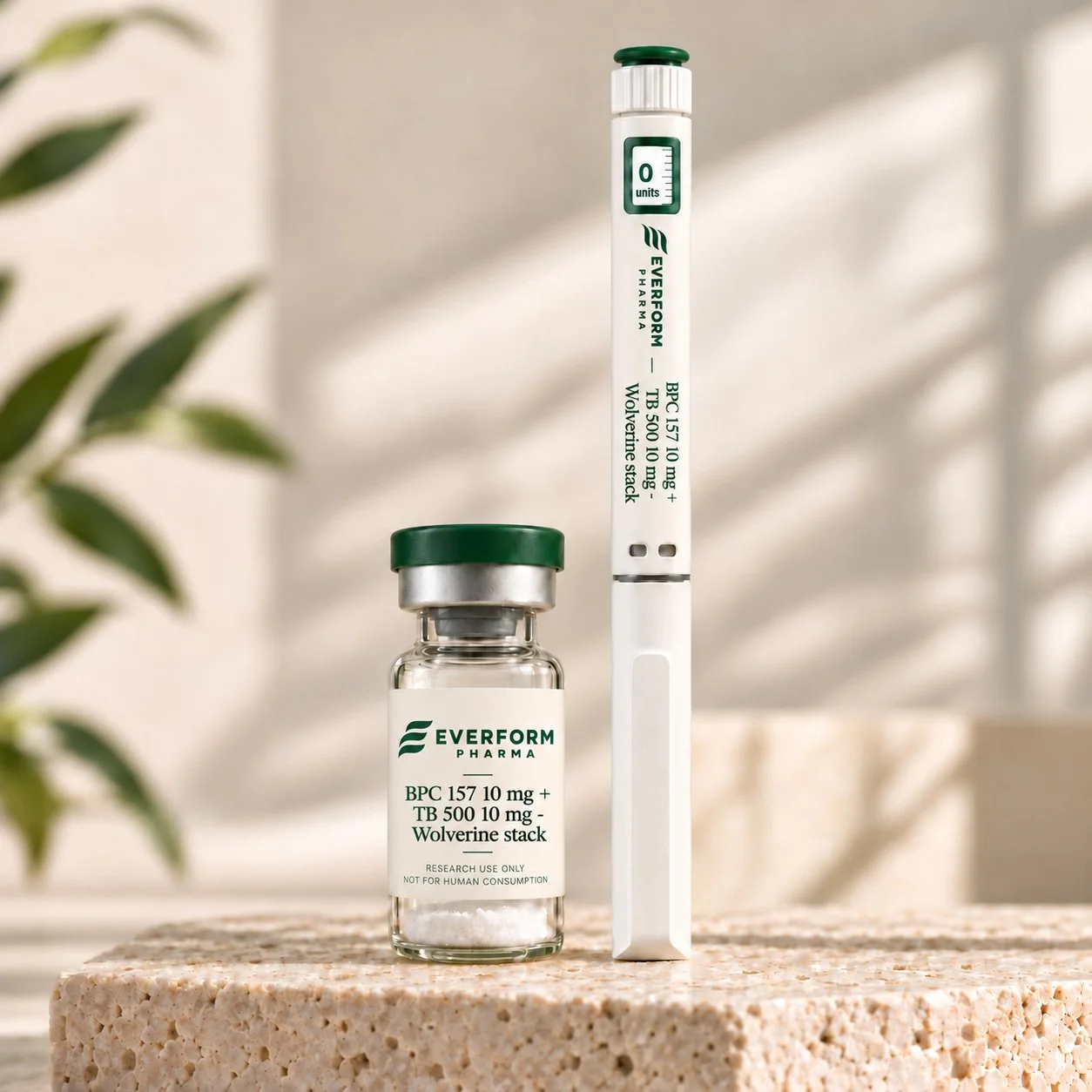
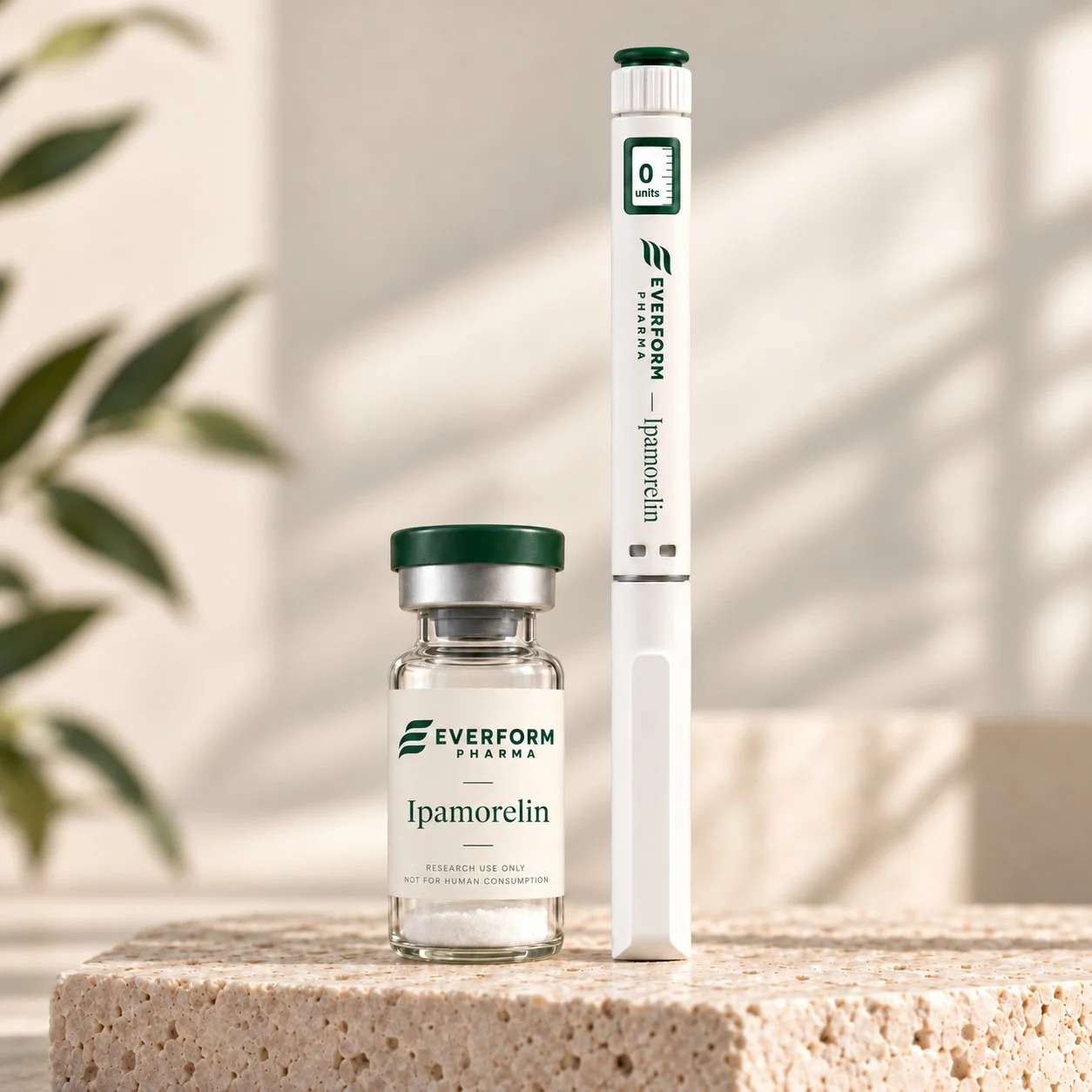
BAC water + pen
Injection pen kit
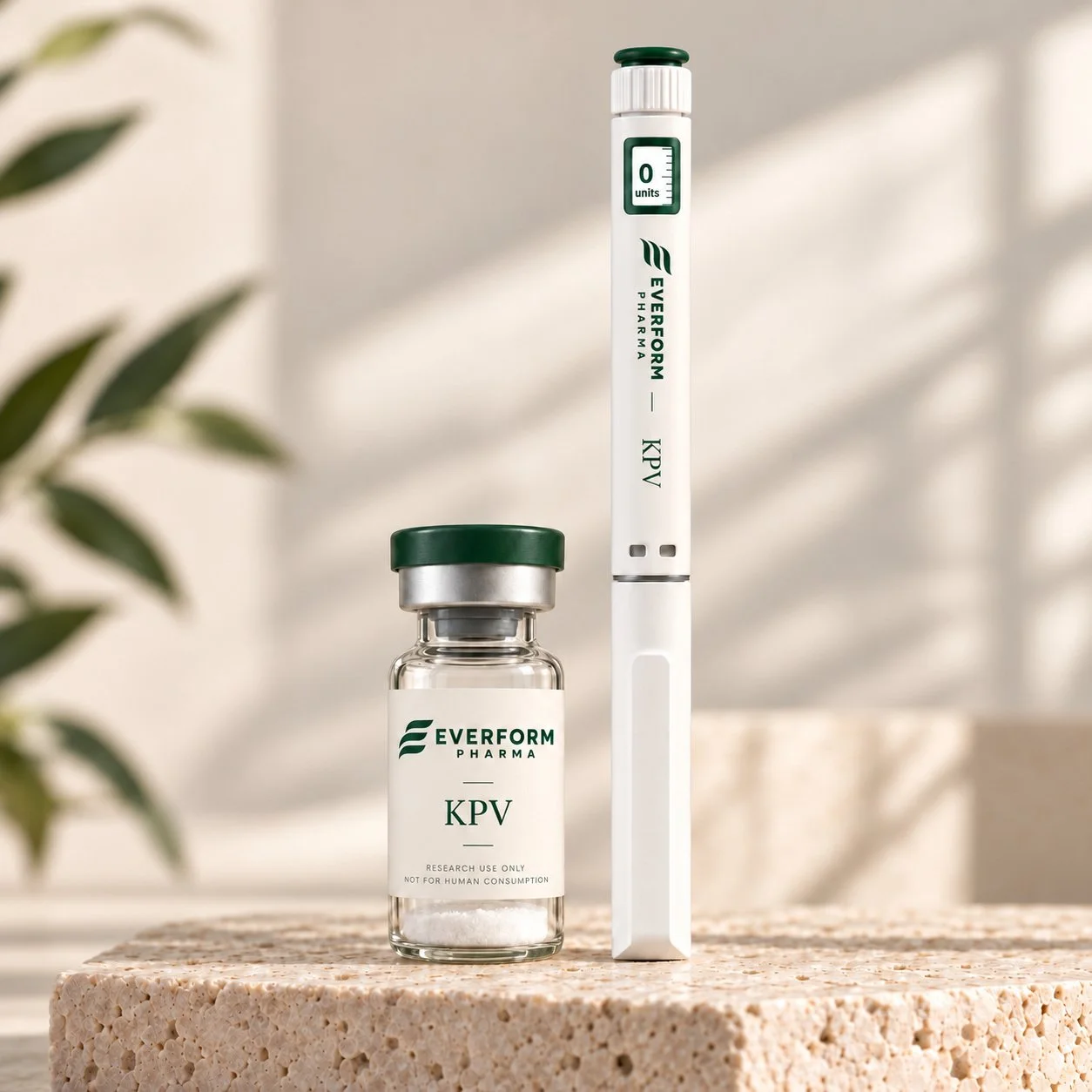
Lyophilised peptide vial, BAC water and an injection pen.
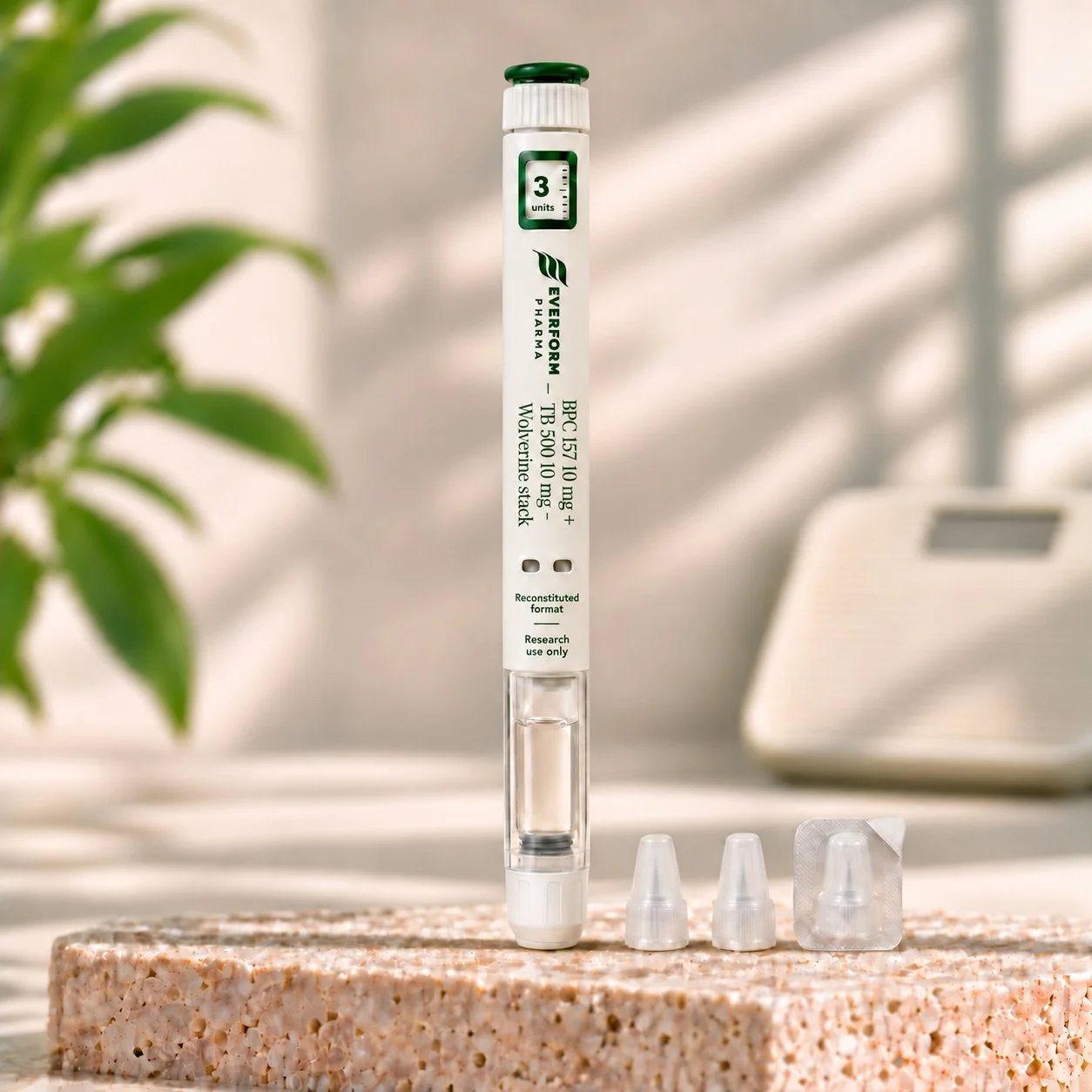
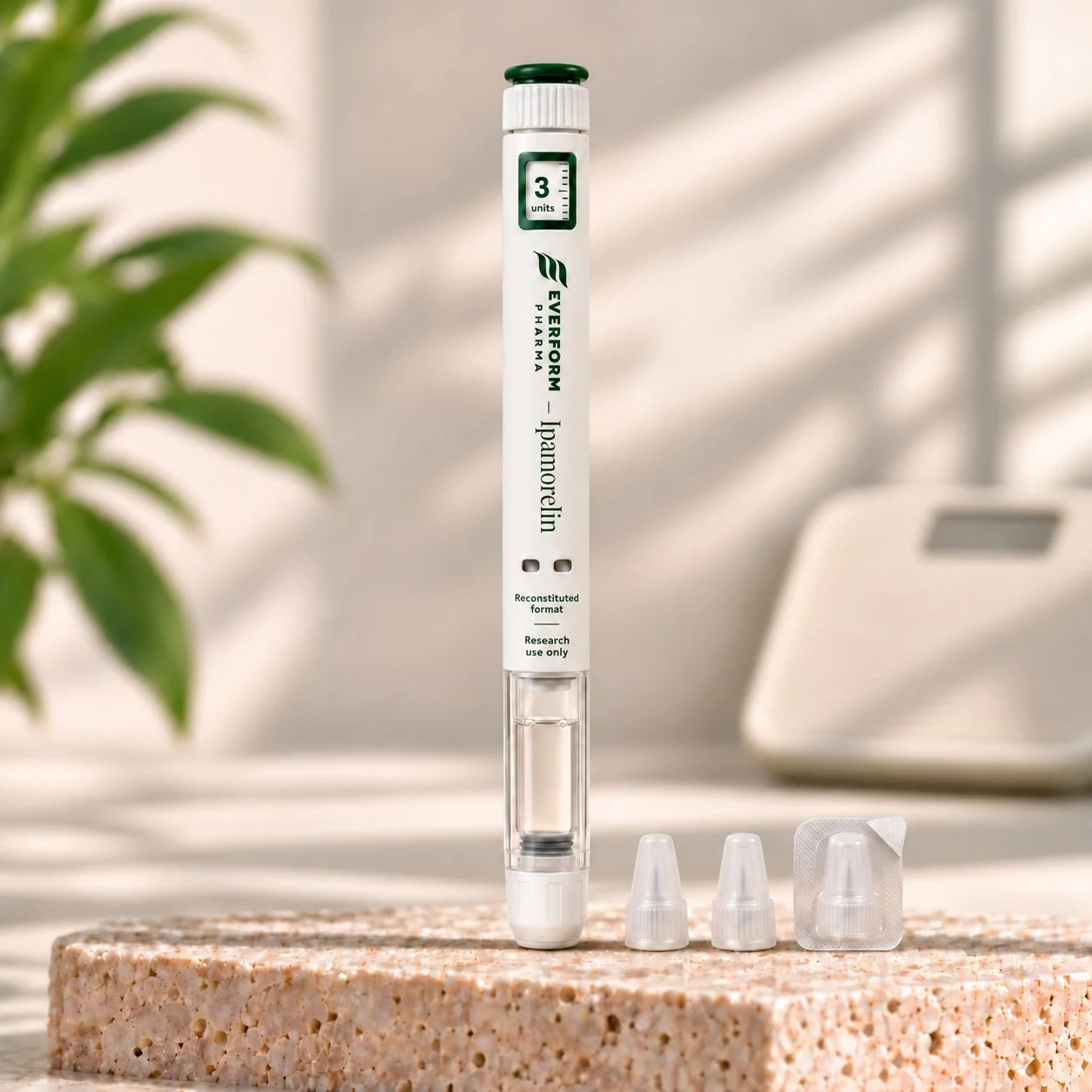
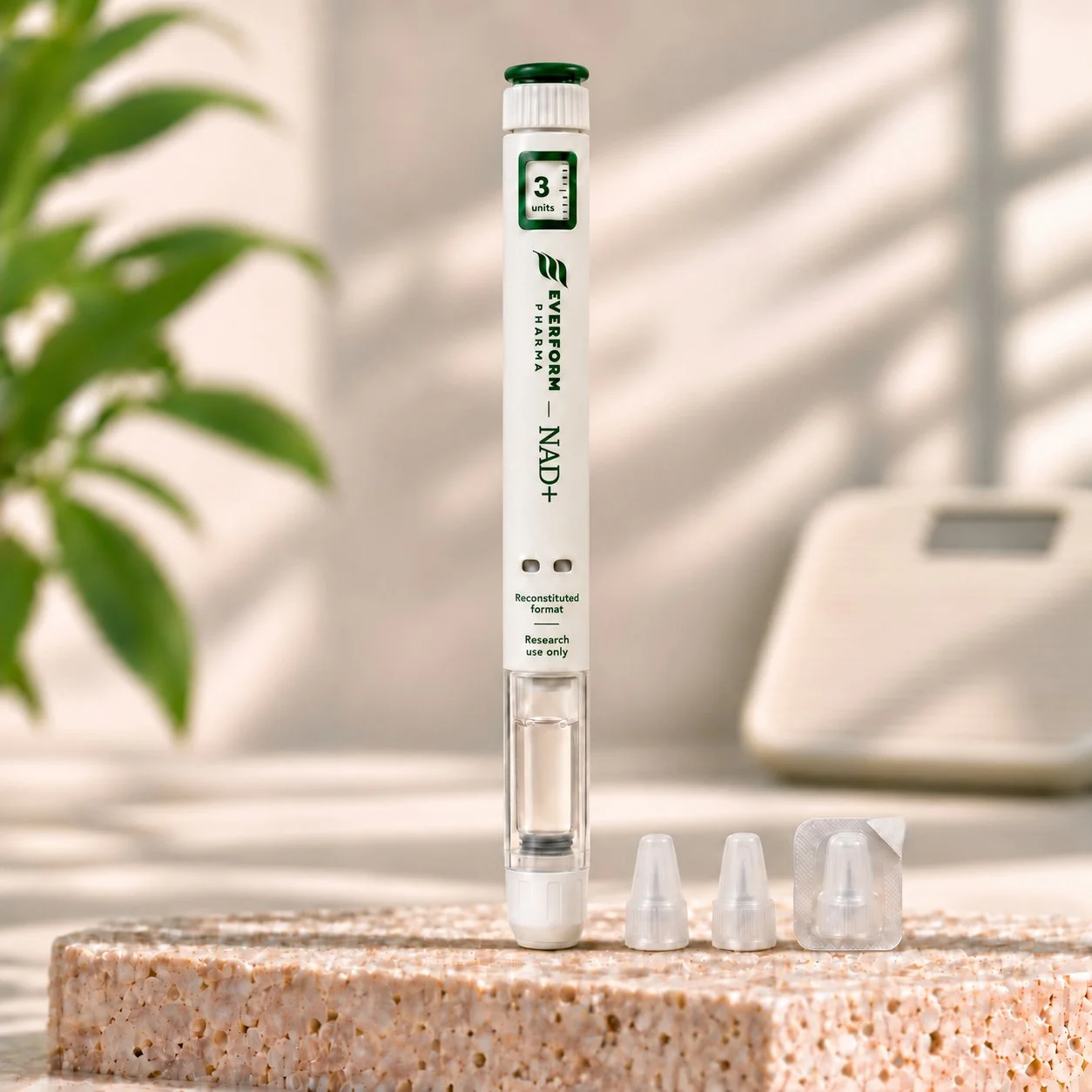
Pen + pen needles
Reconstituted pen
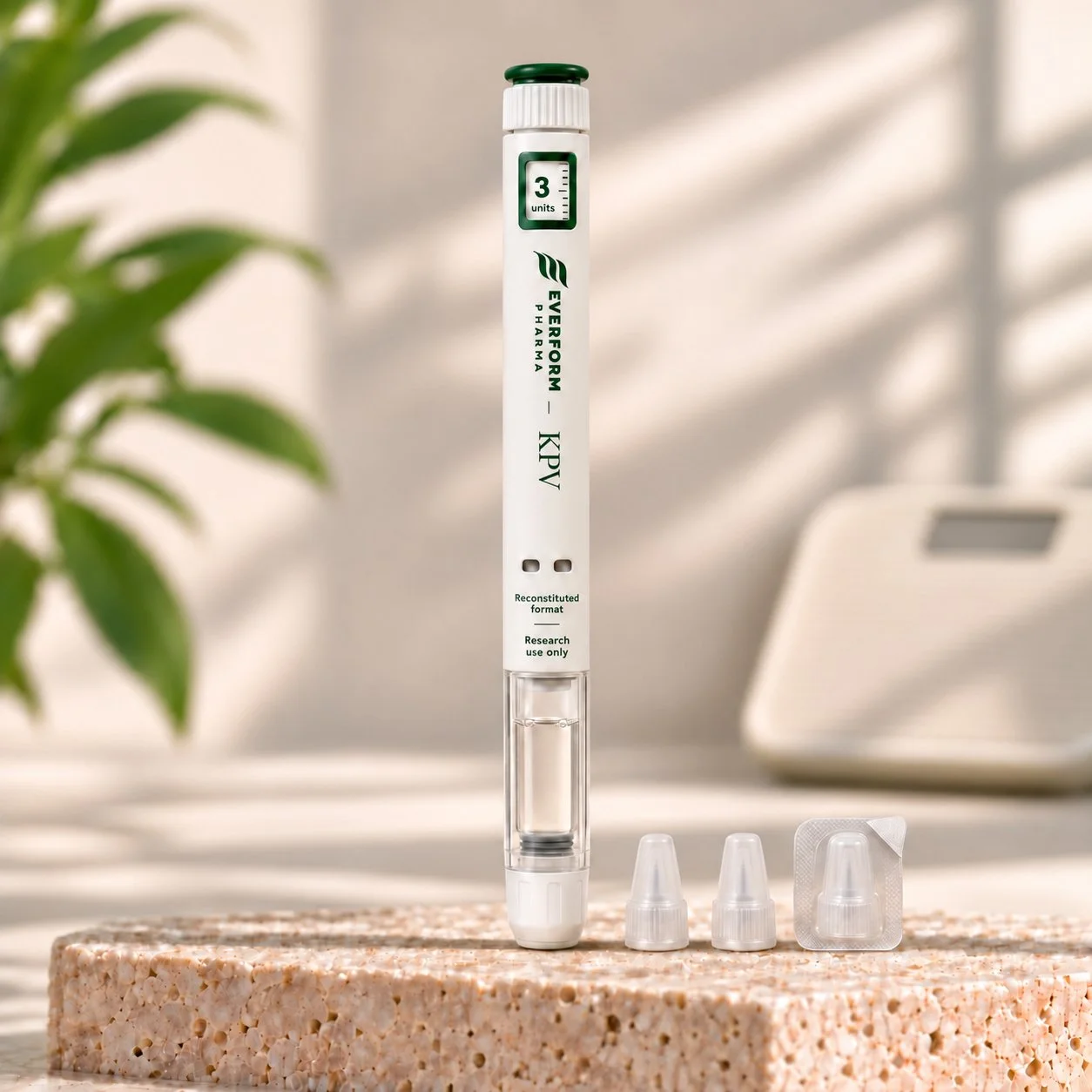
VIETNAM ONLYPeptide solution supplied in a pen at the stated concentration, with pen needles.
For laboratory research only. Not for human or veterinary use.
Everform Pharma · Coenzyme research
NAD+.
At the centre of cellular metabolism.
Explore electron transfer, mitochondrial function and the science of NAD+ metabolism — with a clear distinction between cellular biology and clinical outcomes.

What is NAD+?
NAD+ stands for nicotinamide adenine dinucleotide in its oxidised form. It is a naturally occurring coenzyme found in cells, not a peptide. Researchers study its roles in energy metabolism, mitochondrial function and the activity of enzymes that consume NAD+. [2]
NAD+ and its reduced partner, NADH, participate in electron-transfer reactions. The plus sign identifies the oxidised form; it is part of the chemical name, not a claim of extra potency.
Interest in NAD+ and healthy ageing draws on mechanistic studies, animal experiments and human research using different compounds and formulations. These evidence types answer different questions. A finding about an oral precursor or an animal model does not establish the effects of a research vial containing NAD+ itself. [1] [3] [4]
How it works
In redox reactions, NAD+ accepts electrons to form NADH. These reactions connect nutrient metabolism with cellular energy production. NAD+ is not ATP; it helps support the reactions through which cells generate and use energy. [2]
NAD+ is also consumed by enzymes including sirtuins, poly(ADP-ribose) polymerases (PARPs) and CD38. These pathways connect NAD+ availability with metabolic regulation, DNA-damage responses and cellular signalling. Cells maintain their NAD+ pool through synthesis, recycling and consumption. [2]
Supplying NAD+ outside a cell does not, by itself, establish how much intact NAD+ reaches a particular intracellular compartment. Blood levels, breakdown products and tissue function are different measurements. Direct human NAD+ research has examined circulating and urinary metabolites, rather than proving broad clinical benefits. [3]
NAD+ ↔ NADH
A coenzyme pair involved in electron transfer and energy metabolism.
SYNTHESIS & CONSUMPTION
A dynamic balance shaped by NAD-producing pathways and NAD-consuming enzymes.
Main research areas
| Research area | Evidence and context |
|---|---|
| Mitochondrial communication | Cell and mouse experiments investigated how NAD-related signalling affects communication between the nucleus and mitochondria. They do not establish human rejuvenation. [1] |
| Age-related NAD metabolism | Mouse work linked the NAD-consuming enzyme CD38 with age-associated NAD decline and mitochondrial dysfunction. It did not test the Everform product. [2] |
| Direct NAD+ metabolism | A small human pilot measured plasma and urine metabolites during intravenous NAD+ exposure. Metabolic measurements are not proof of improved wellbeing or longevity. [3] |
| NAD+ precursor research | A controlled human trial investigated oral nicotinamide riboside (NR). This is a different compound and formulation from NAD+ in a vial. [4] |
The compound, study population, formulation and endpoint all matter. NAD+, NADH, NR and NMN should not be treated as interchangeable.
What published findings show
Mechanistic work in cells and mice: Gomes and colleagues linked declining NAD+ availability with disrupted nuclear–mitochondrial communication. Their experimental work included an NAD+ precursor intervention in mice. This supports investigation of the pathway, not a claim that an NAD+ vial reverses human ageing. [1]
CD38 and NAD decline: Camacho-Pereira and colleagues found that CD38 activity increased with ageing and contributed to NAD loss in mice. Mice lacking CD38 preserved aspects of NAD metabolism and mitochondrial function. Genetic manipulation in mice is not equivalent to administering NAD+ to people. [2]
Direct NAD+ in a human pilot: Grant and colleagues studied eight participants receiving NAD+ and three controls. Changes in plasma and urine metabolites supported further investigation of NAD+ handling. The small study did not establish improvements in cognition, fatigue, lifespan or other long-term clinical outcomes. [3]
NR in a human controlled trial: Martens and colleagues reported that oral NR increased blood cellular NAD+ metabolism in healthy middle-aged and older adults. That finding concerns a precursor and a biomarker; it does not demonstrate the clinical benefits of direct NAD+ or an Everform product. [4]
NAD+ has established biochemical roles, but a molecule’s importance in normal cells does not prove that supplying more produces a health benefit. The studies cited here do not establish an anti-ageing effect or clinical performance for the Everform research vial.
The Everform product, at a glance
ProductNAD+
Labelled vial amount100 mg
Compound typeCoenzyme — not a peptide
Vial formatLyophilised powder
Everform Pharma is based in Da Nang, Vietnam. The labelled 100 mg describes vial content, not a recommended dose. Complimentary BAC water is included with every order. Check the current product selector for available supply options.
Explore Your format, your way →
The full REF on the product should match the relevant documentation. The security sticker repeats the product identifier and should match the vial or pen; it is not a separate new ID. Follow the actual label for storage and expiry.
Identity, chromatographic purity and measured content are different analytical results. A purity percentage alone does not establish the amount of NAD+ in a vial. Verify the specified chemical form and the basis on which content is reported in the relevant documentation; do not infer these from the product name alone.
Common questions
Is NAD+ a peptide?
No. It is a dinucleotide coenzyme. Its presence in a research-peptide catalogue does not change its chemical classification.
Is NAD+ the same as NR or NMN?
No. NR and NMN are precursors involved in NAD+ biosynthesis. Their studies cannot automatically be applied to direct NAD+ or a different formulation. [4]
Does increasing a blood NAD+ marker prove a health benefit?
No. A biomarker change demonstrates a measured biological response. It does not, by itself, demonstrate better energy, memory, healthspan or lifespan.
Do the cited studies prove that NAD+ reverses ageing in people?
No. Mechanistic and animal findings are distinct from clinical outcomes. The cited direct-NAD+ human pilot examined metabolism and was not a demonstration of rejuvenation. [1] [3]
Does a pen photograph establish a validated NAD+ formulation?
No. Packaging does not establish stability, compatibility, sterility, absorption or clinical performance. Those questions need formulation-specific evidence and documentation.
Does 100 mg describe a recommended dose?
No. It is the labelled amount in the vial, not a dose, concentration, schedule or administration instruction.
References
Everform Pharma · Da Nang, Vietnam
Educational product information.
For laboratory research only.
Not for human or veterinary use.