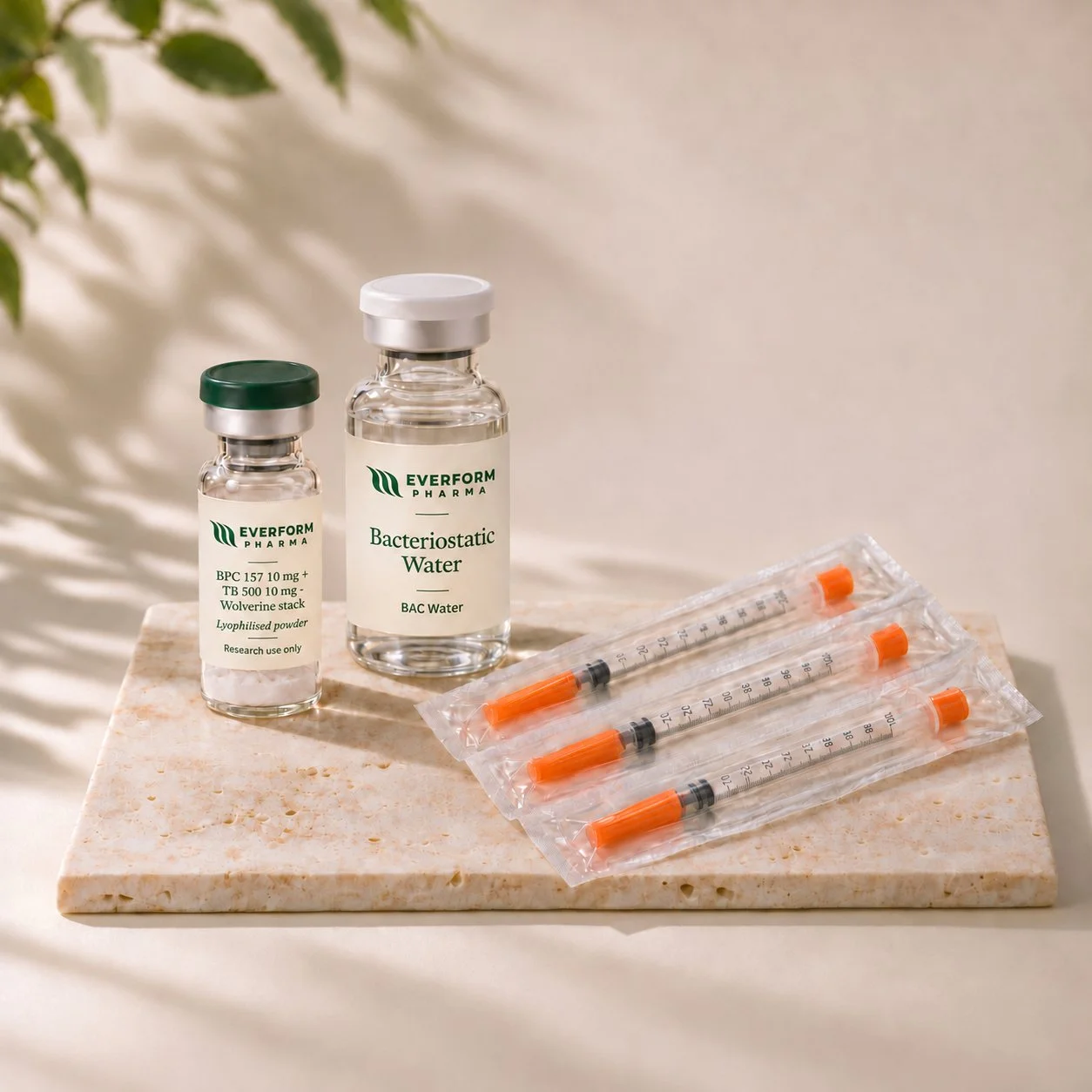
 Image 1 of 4
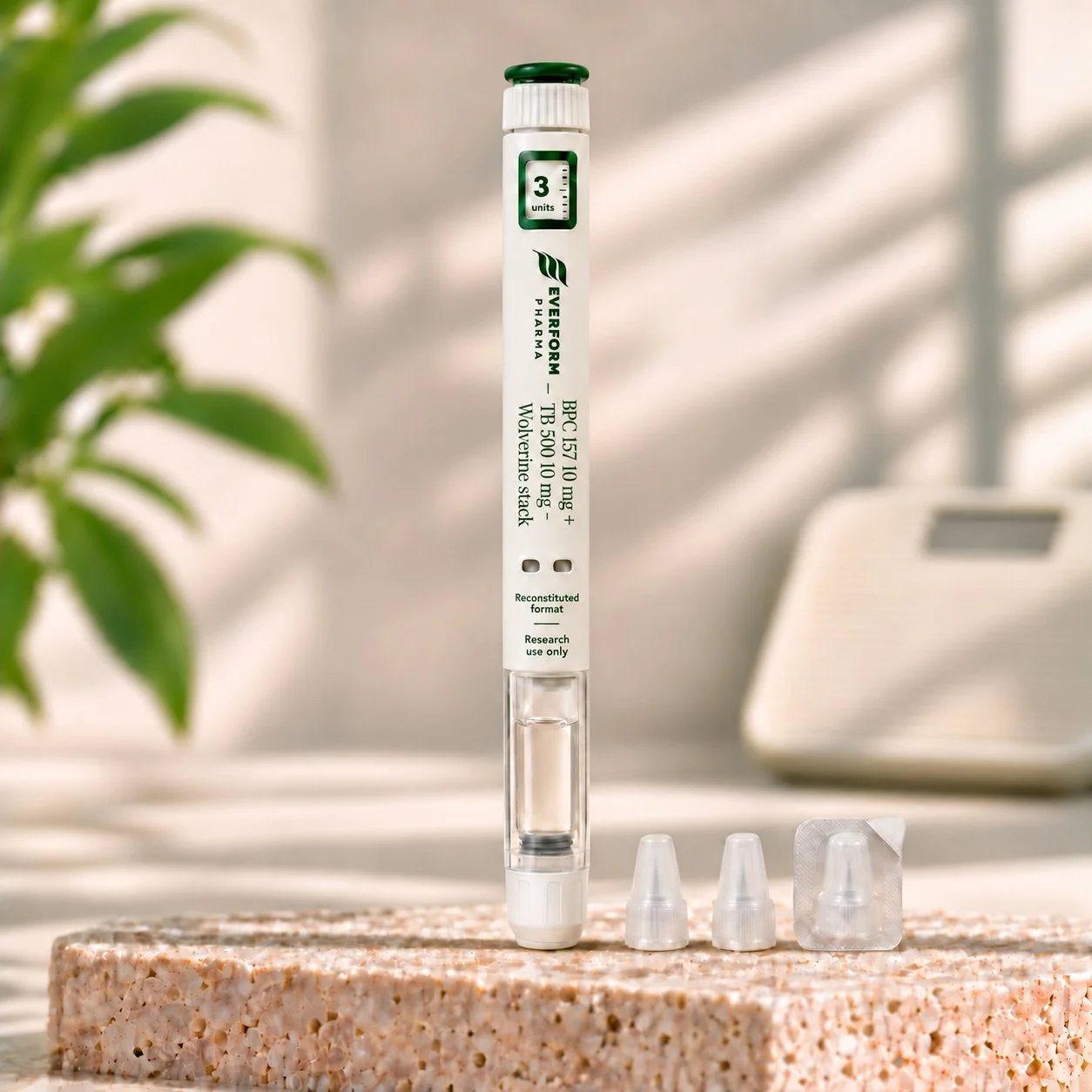 Image 2 of 4
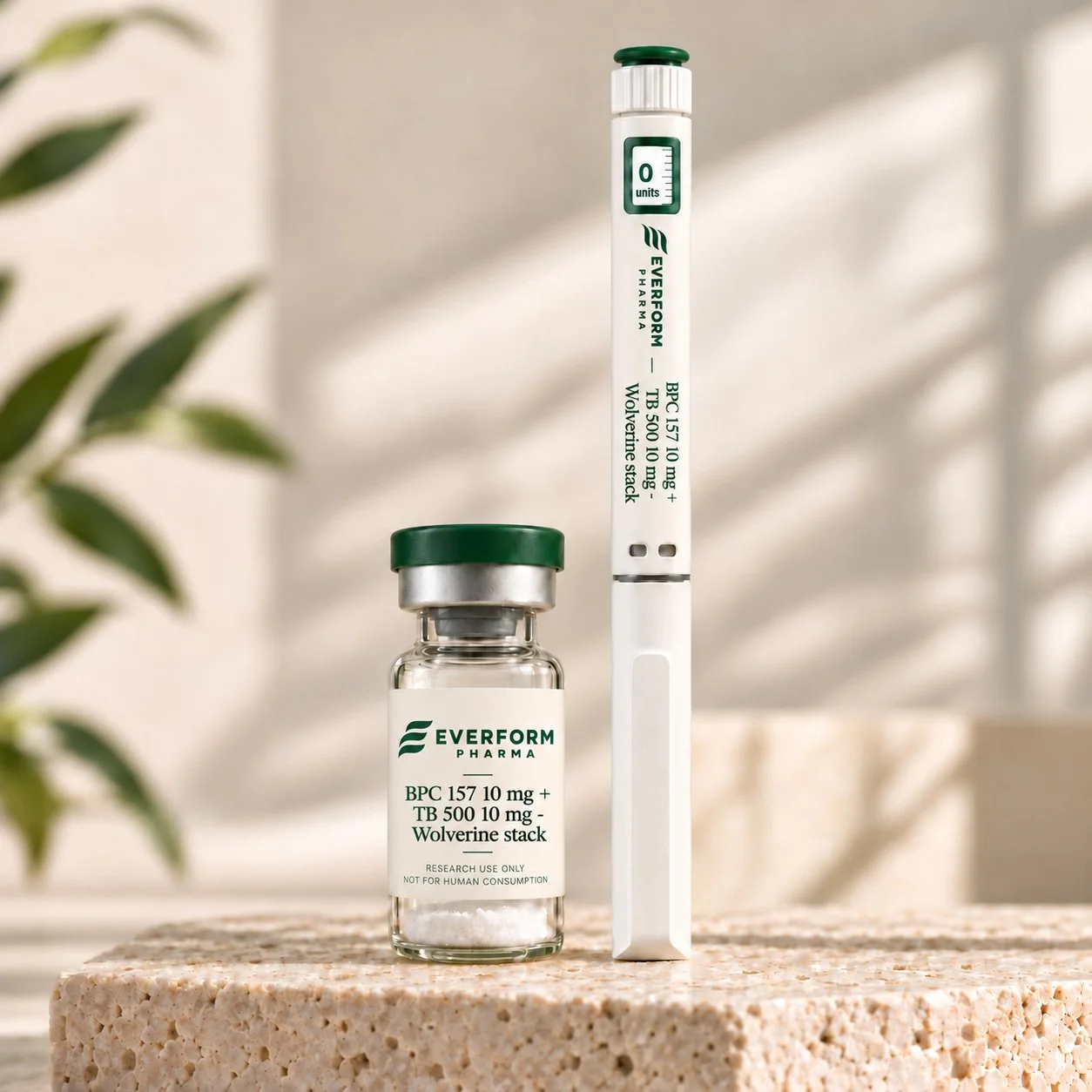 Image 3 of 4
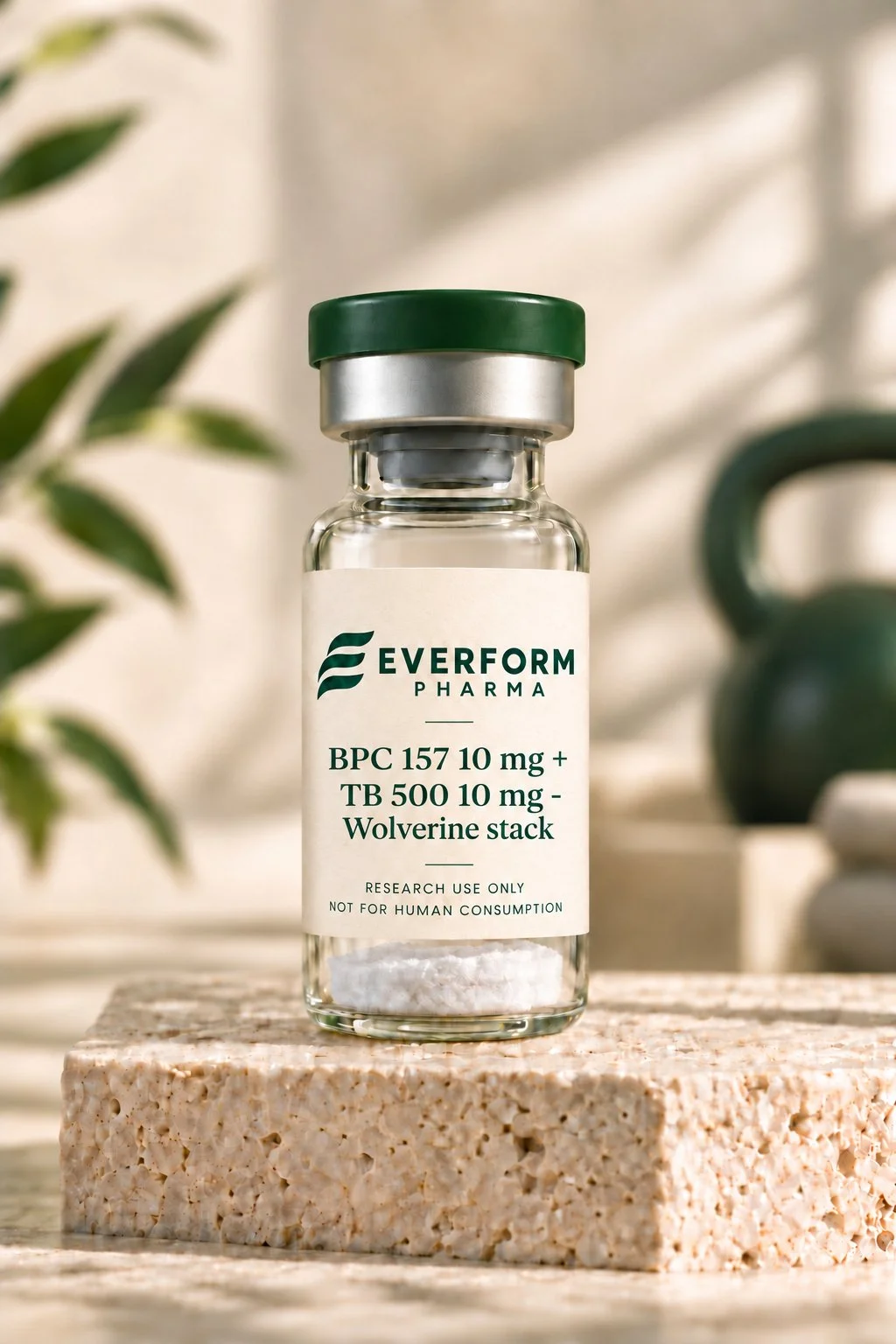 Image 4 of 4
Packaging & supply options
Your format, your way.
The same research peptide, with a choice of accessories and supply formats. Here’s what each option includes.
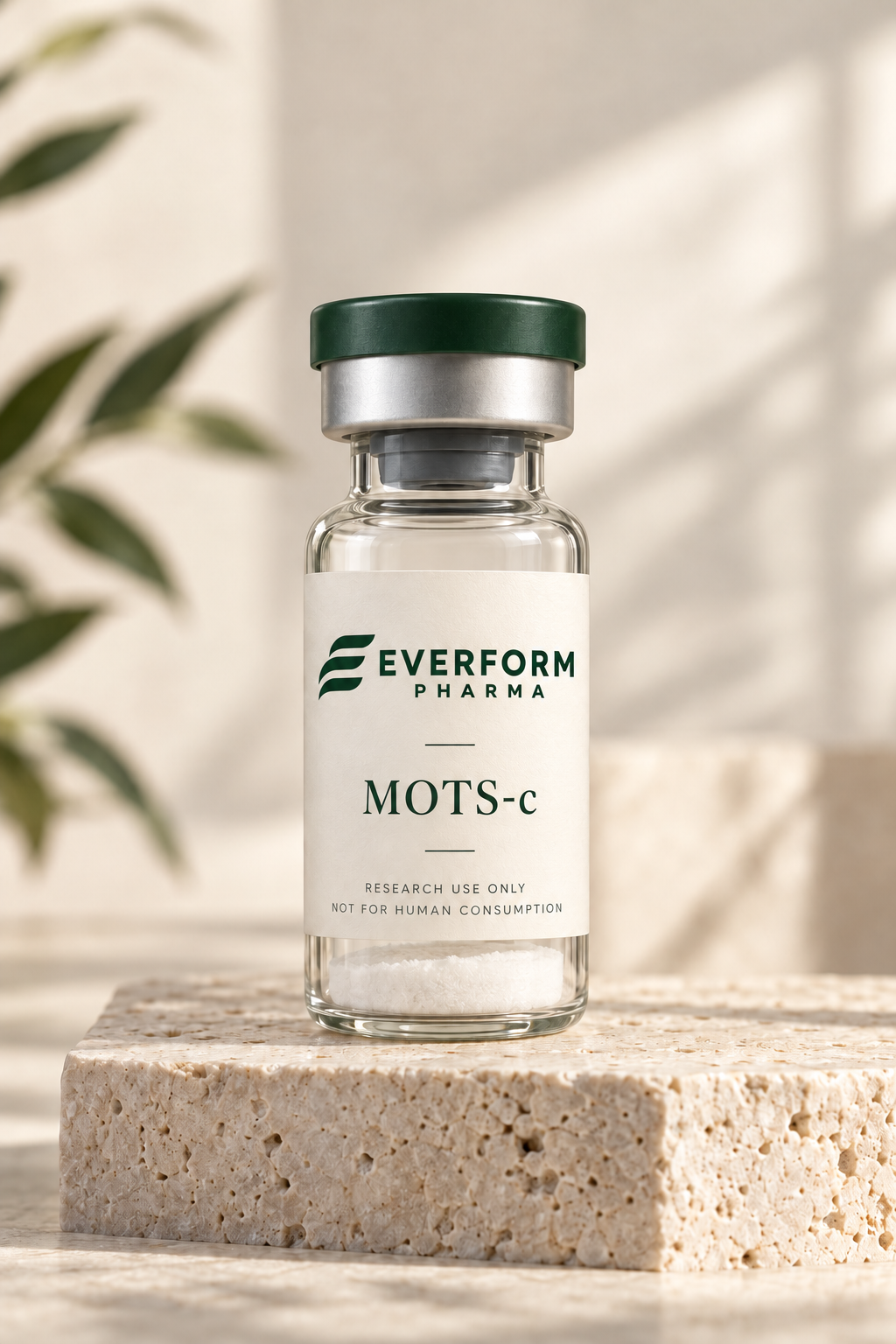
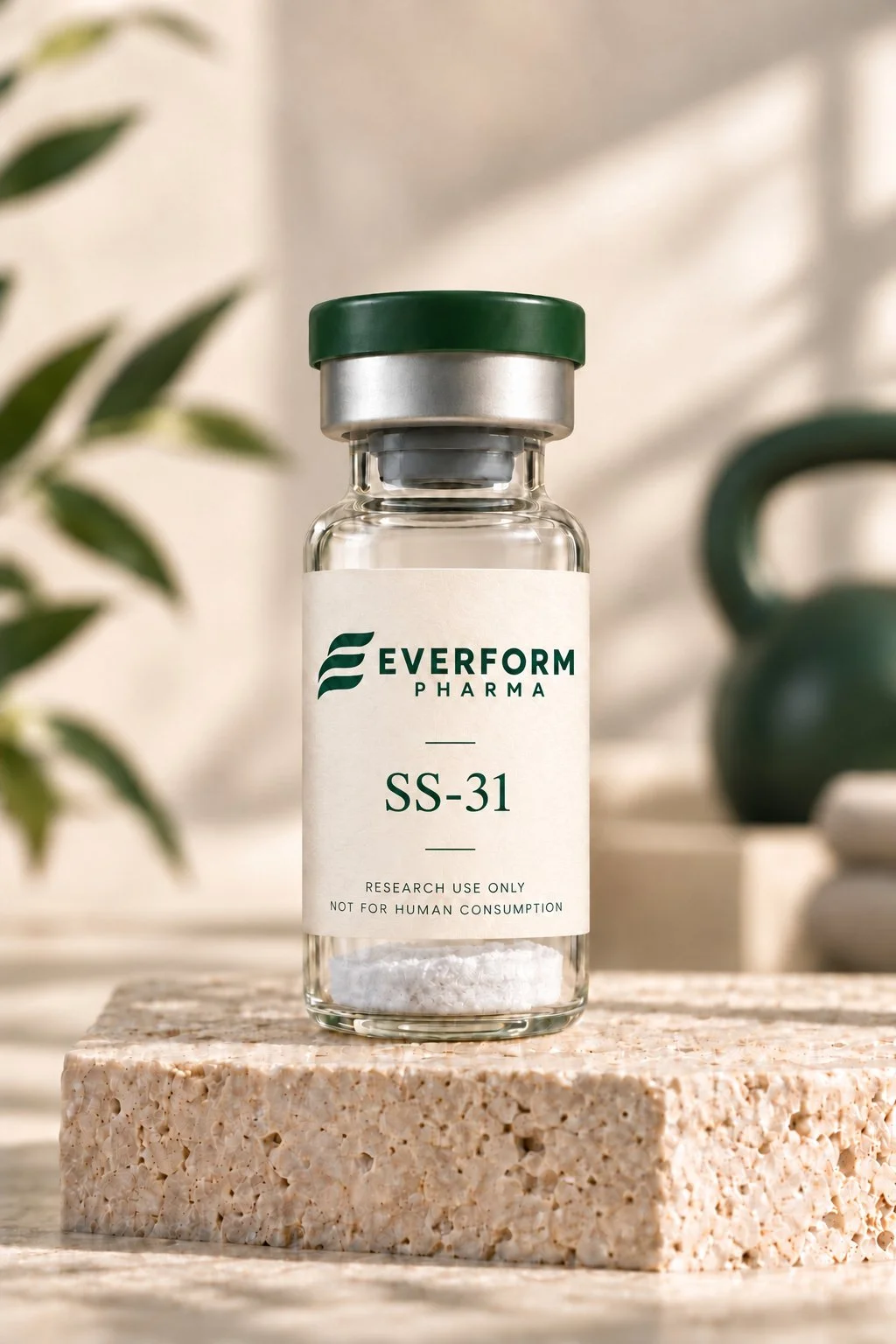
BAC water
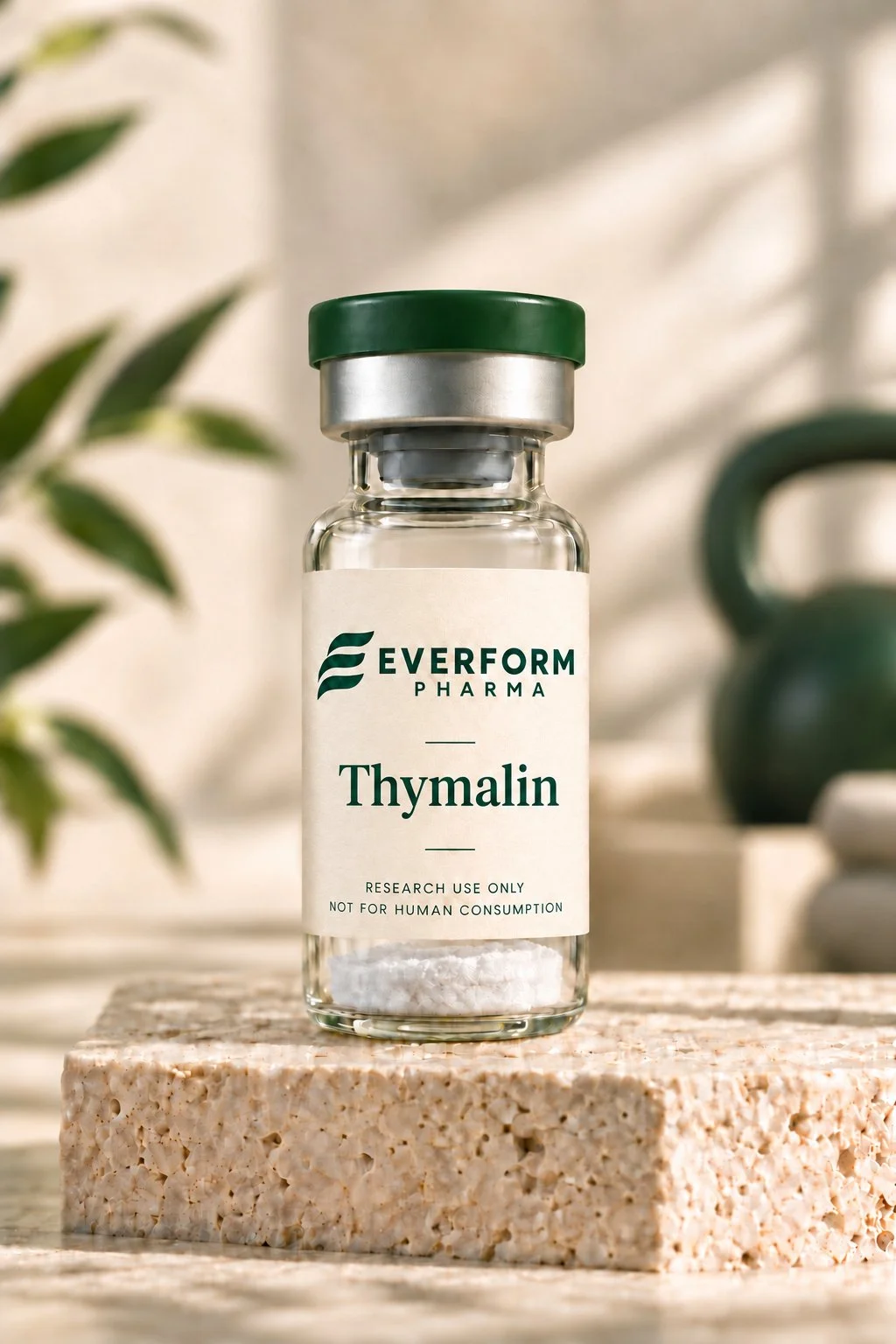
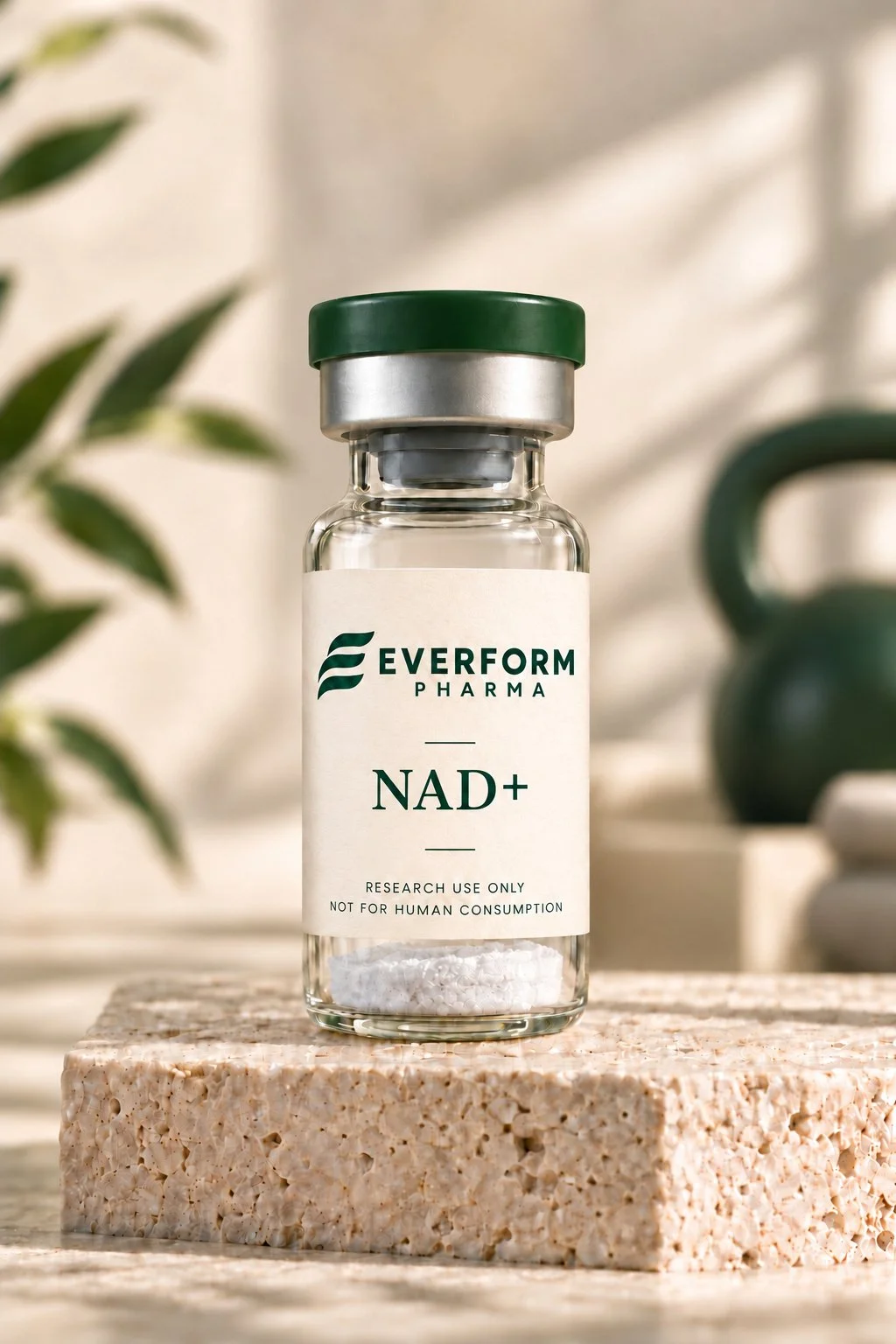
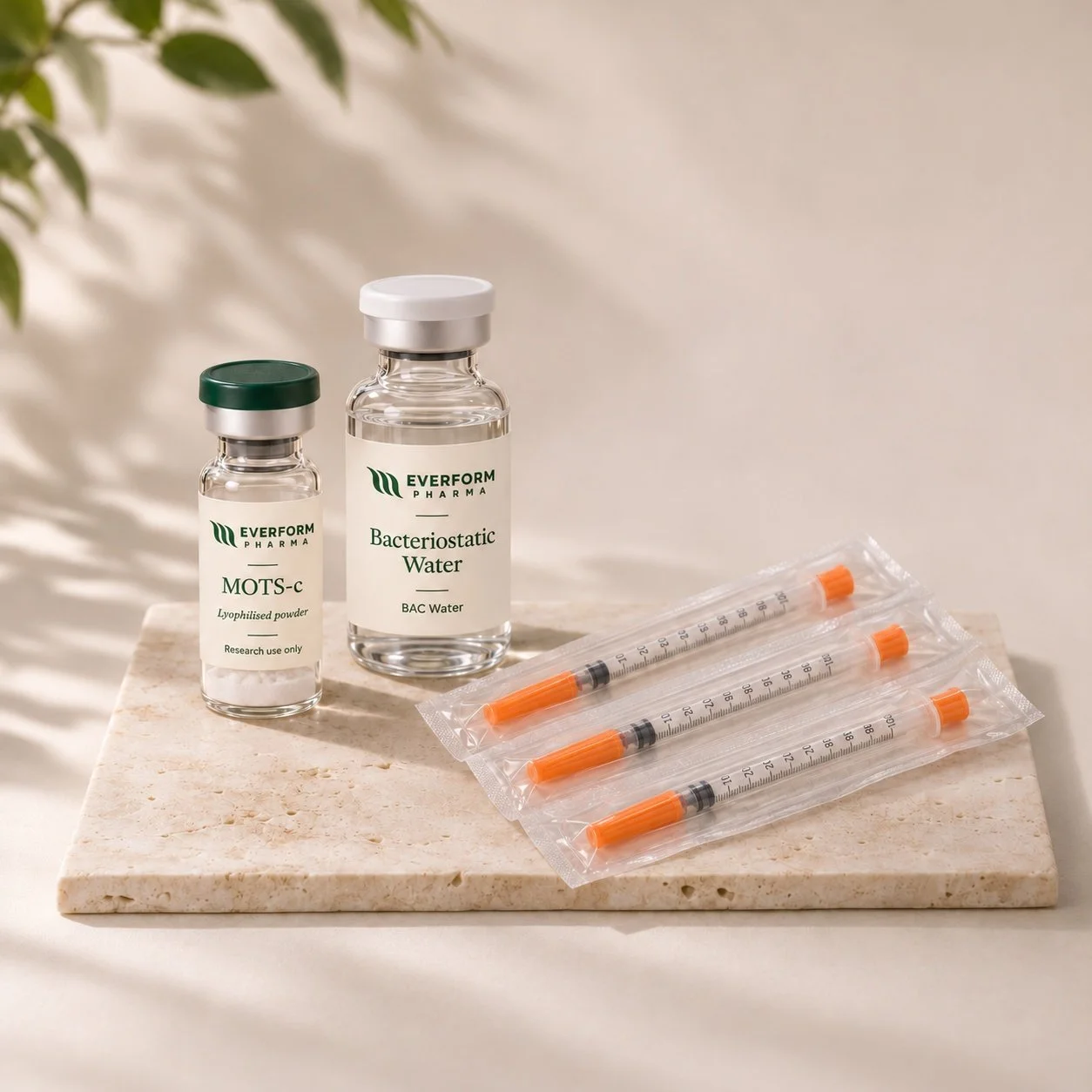
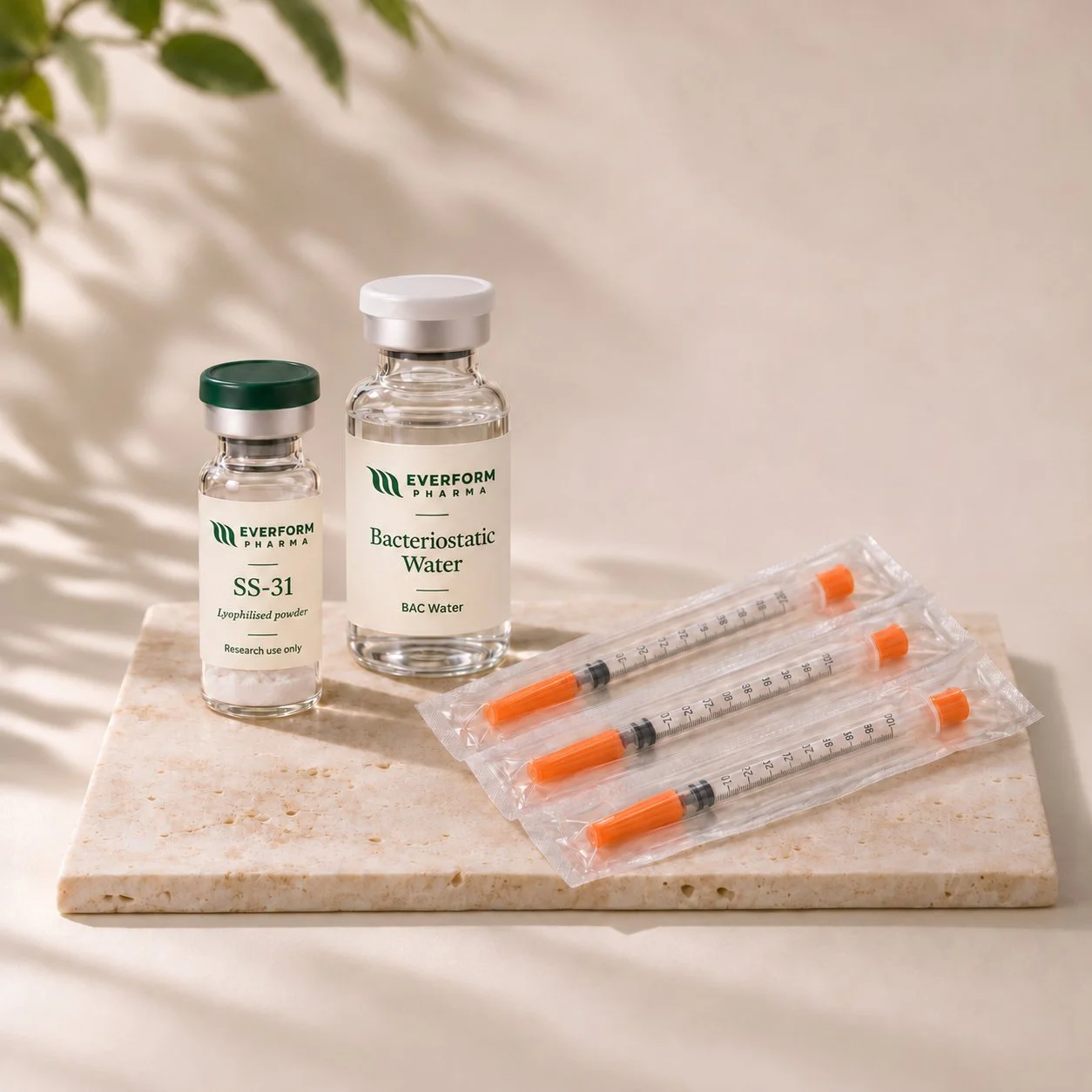
Vial kit
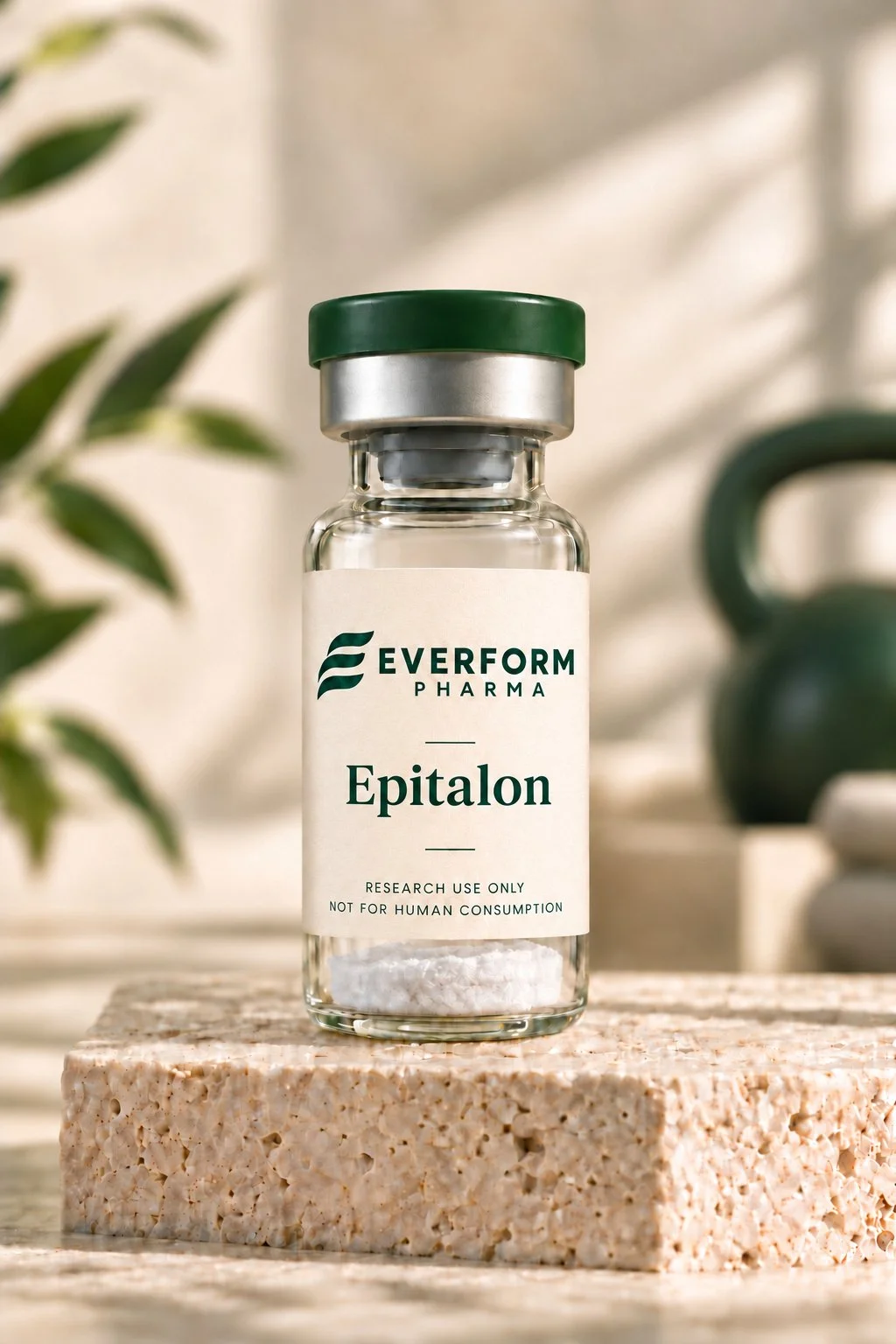
Lyophilised peptide vial with separately packaged, complimentary BAC water.
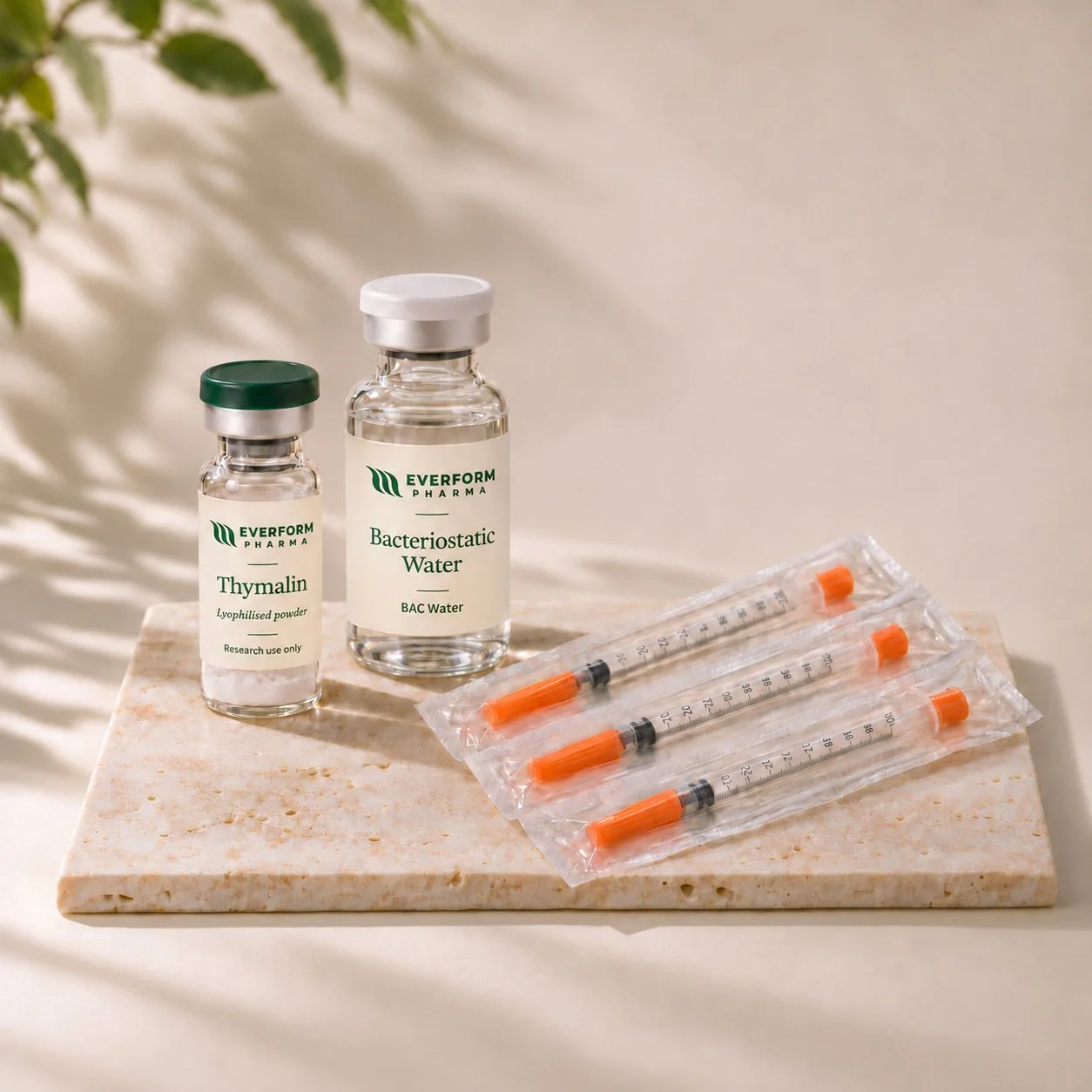
BAC water + syringes
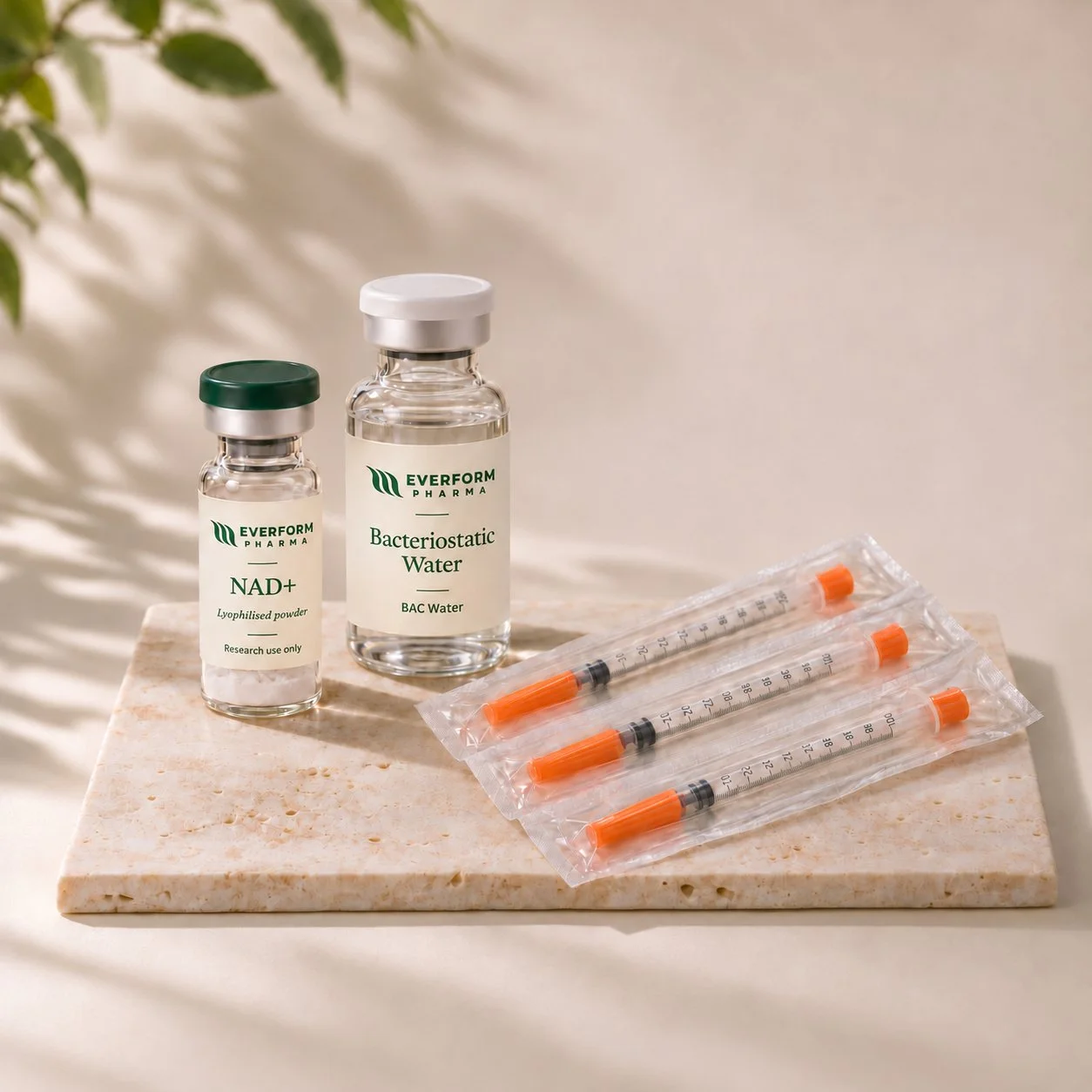
Syringe kit
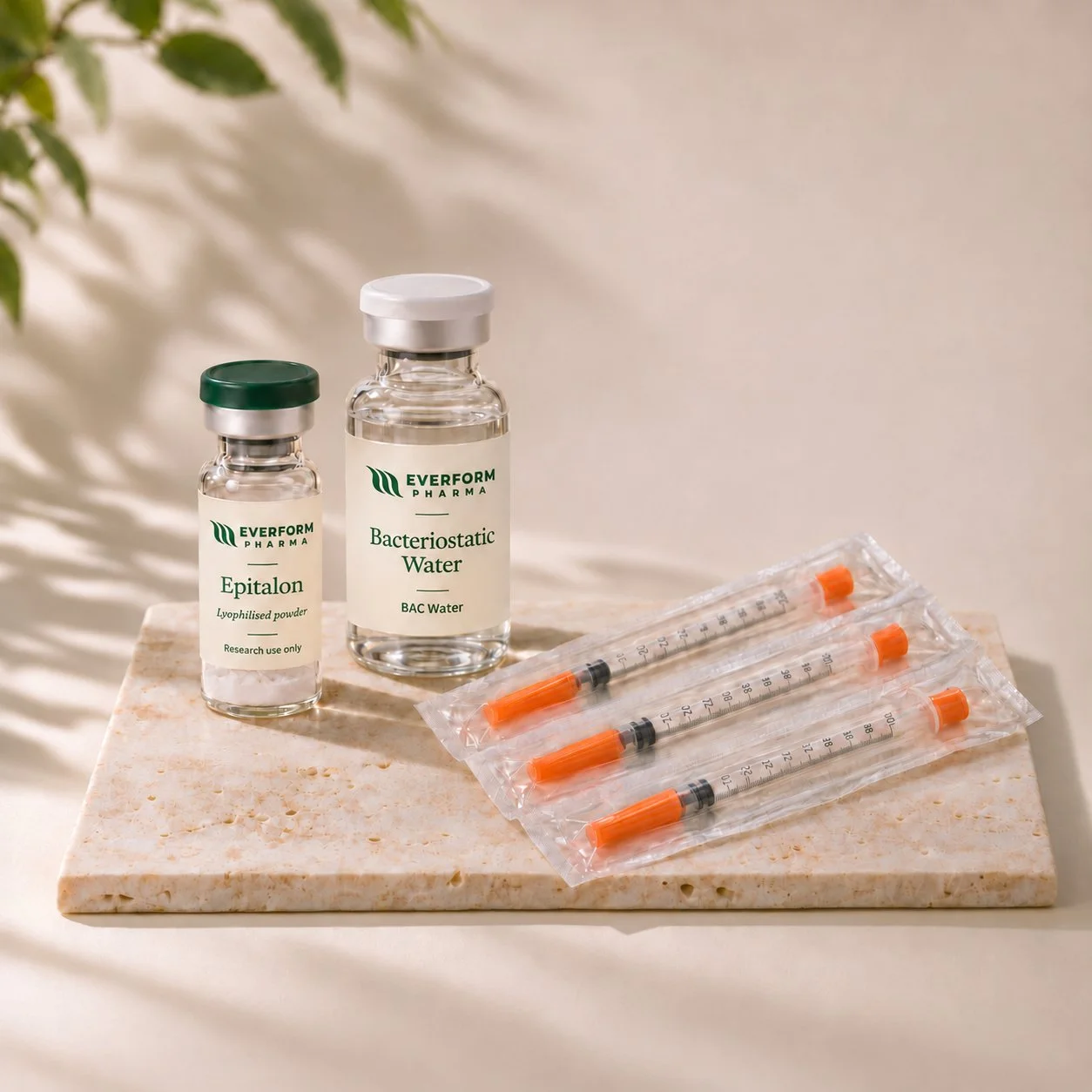
Lyophilised peptide vial, BAC water and syringes.
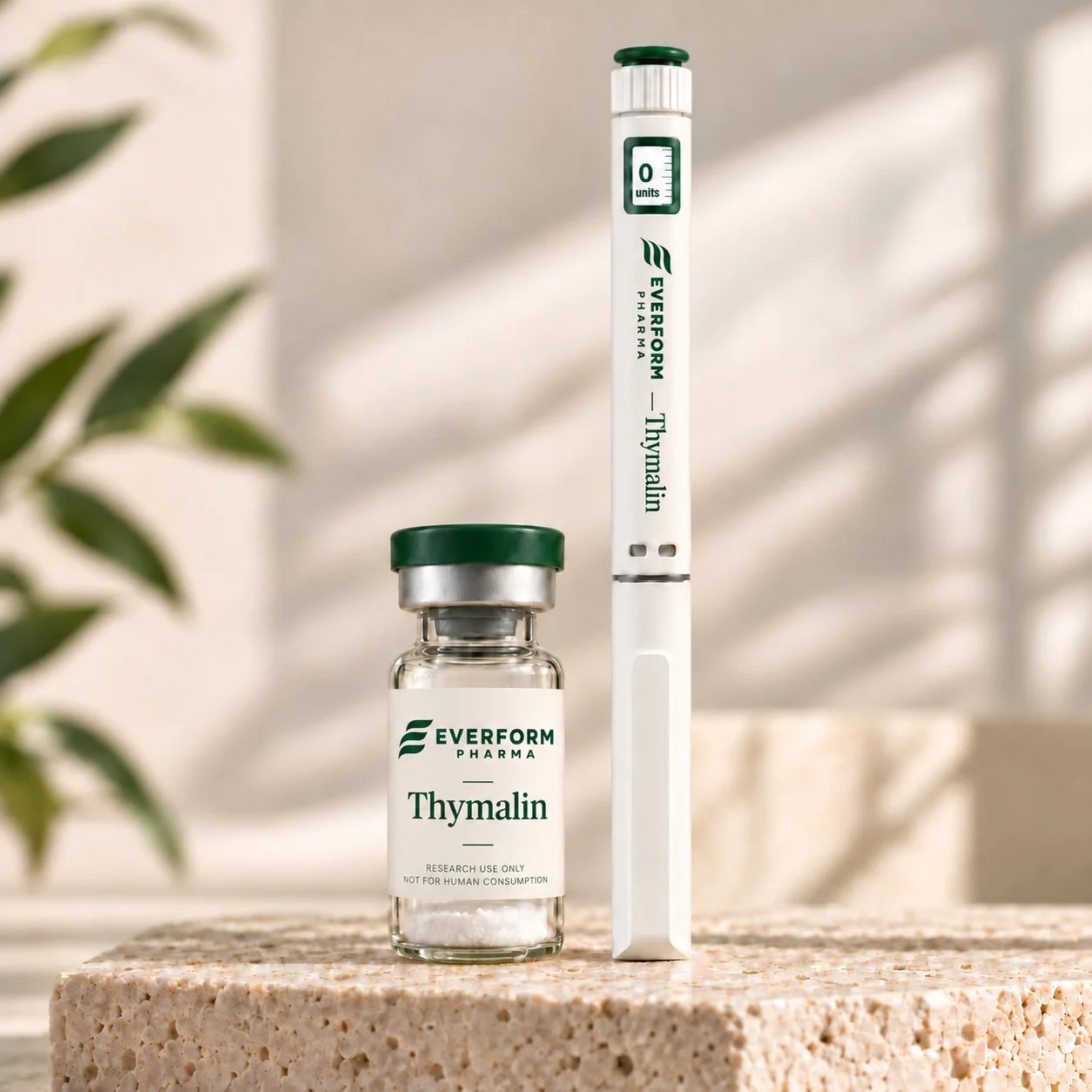
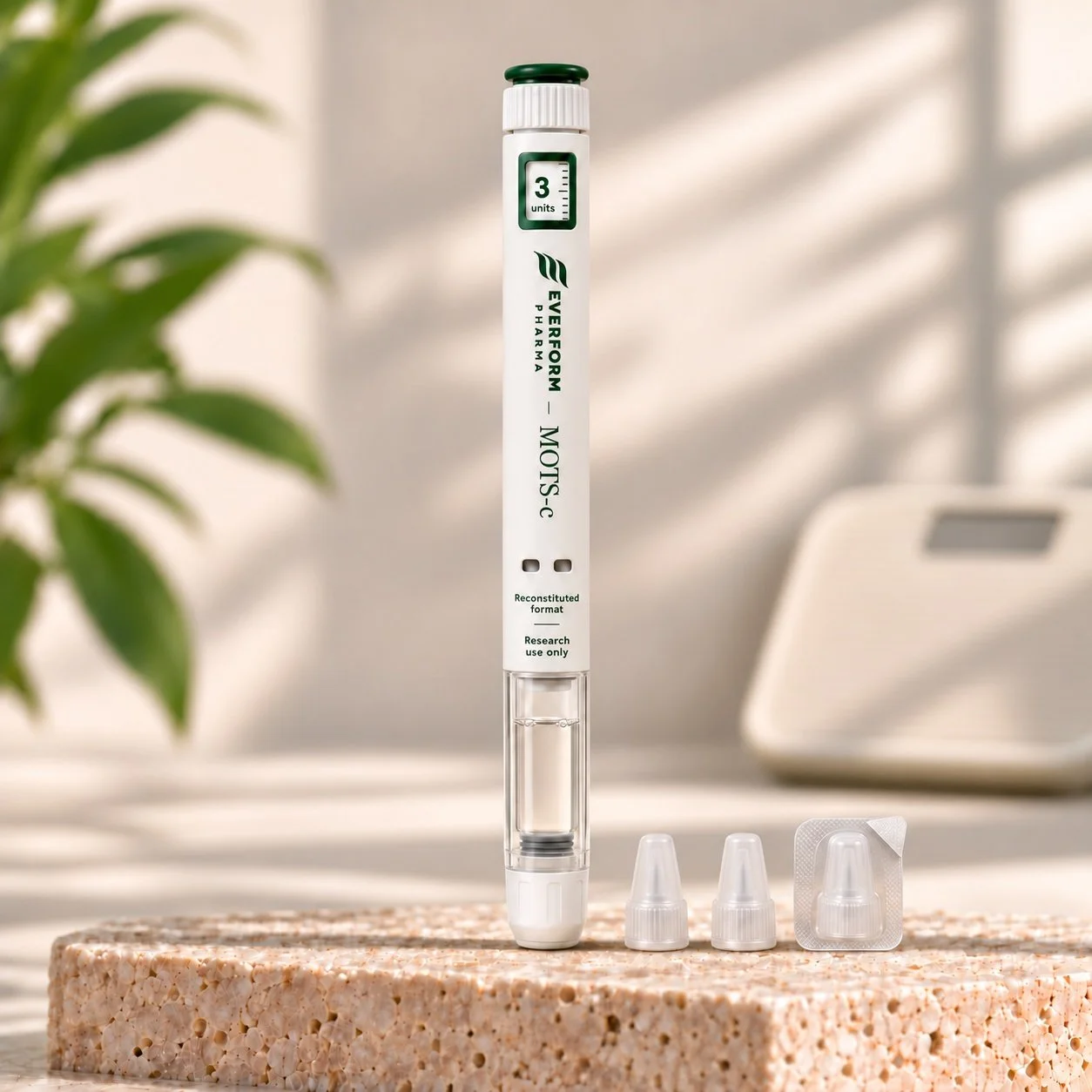
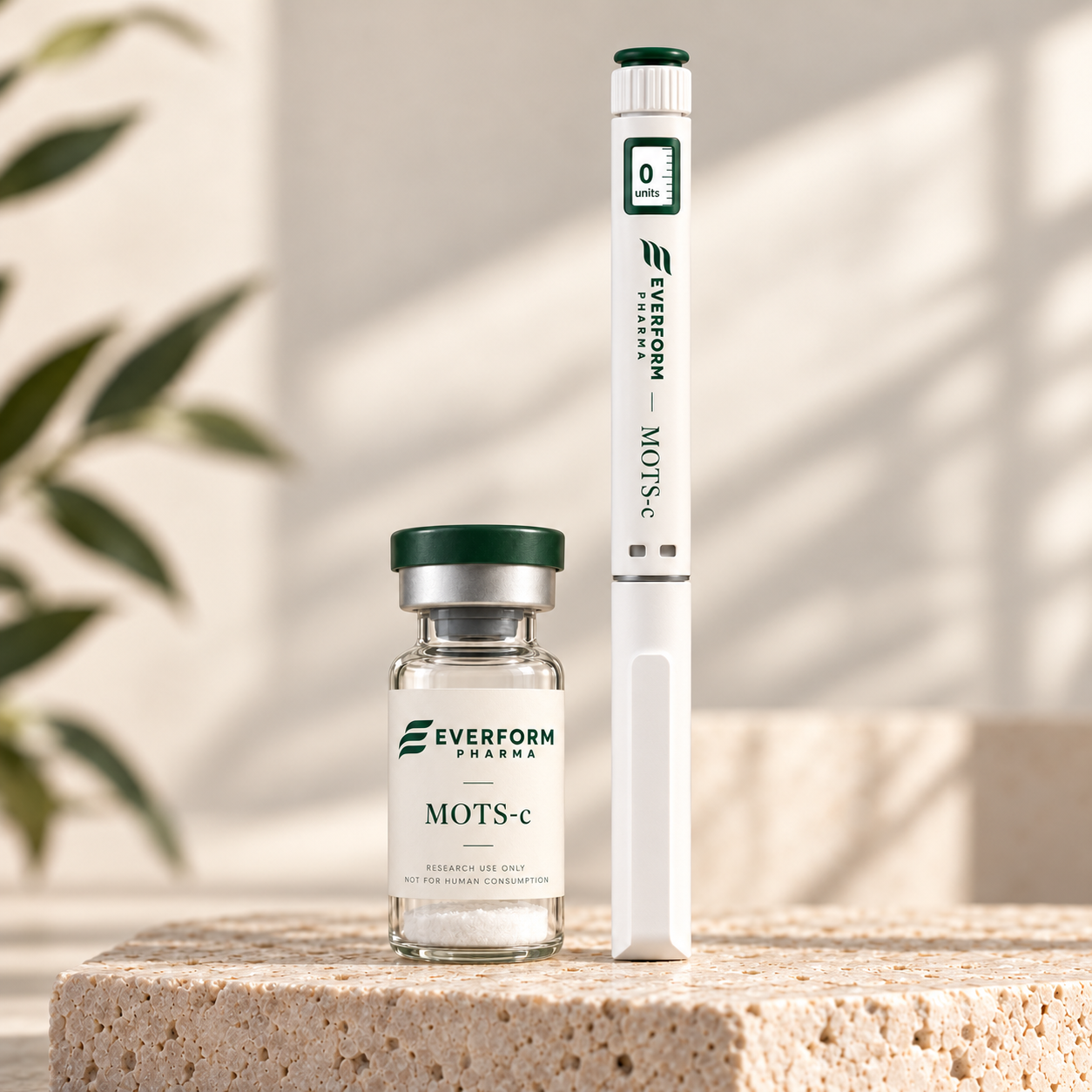
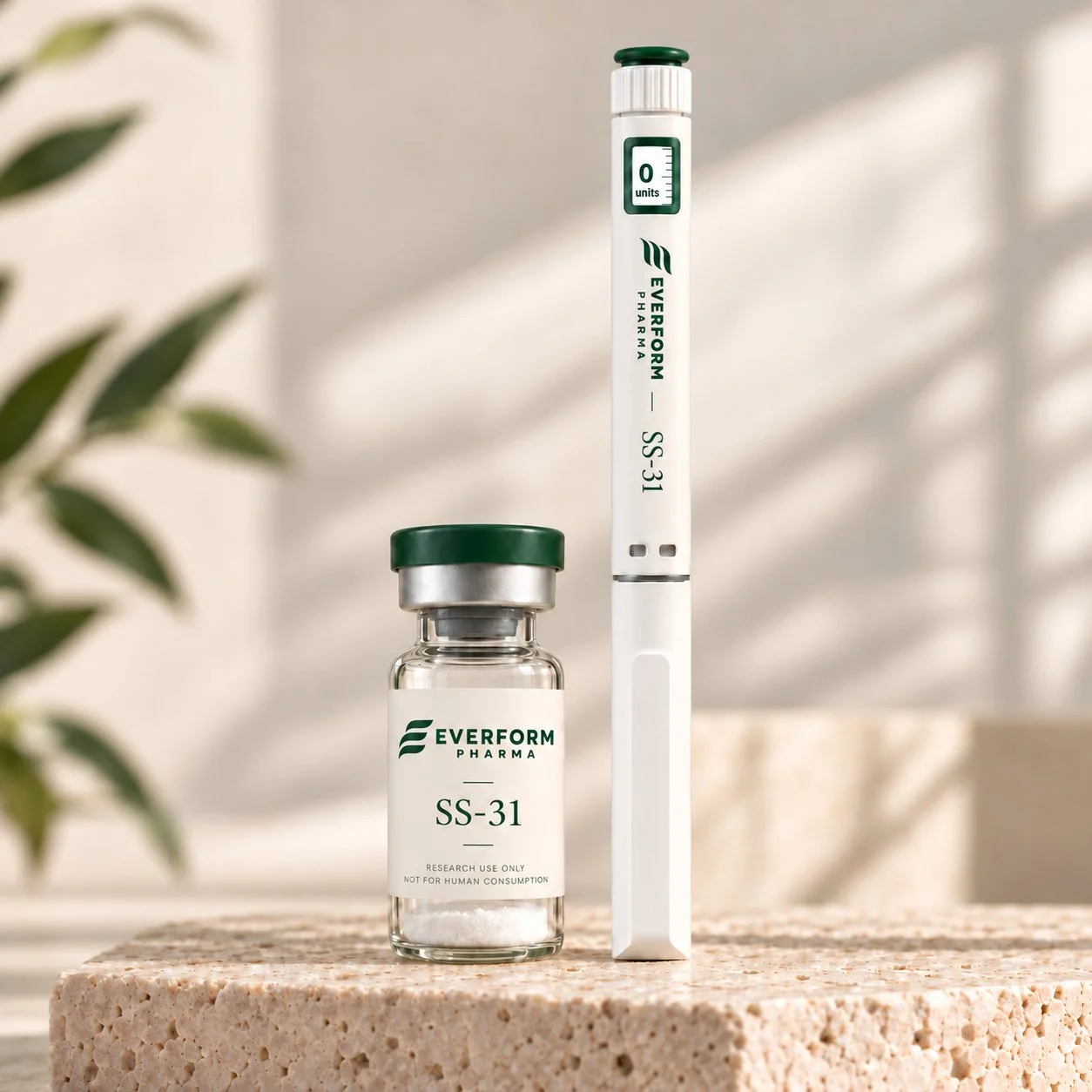
BAC water + pen
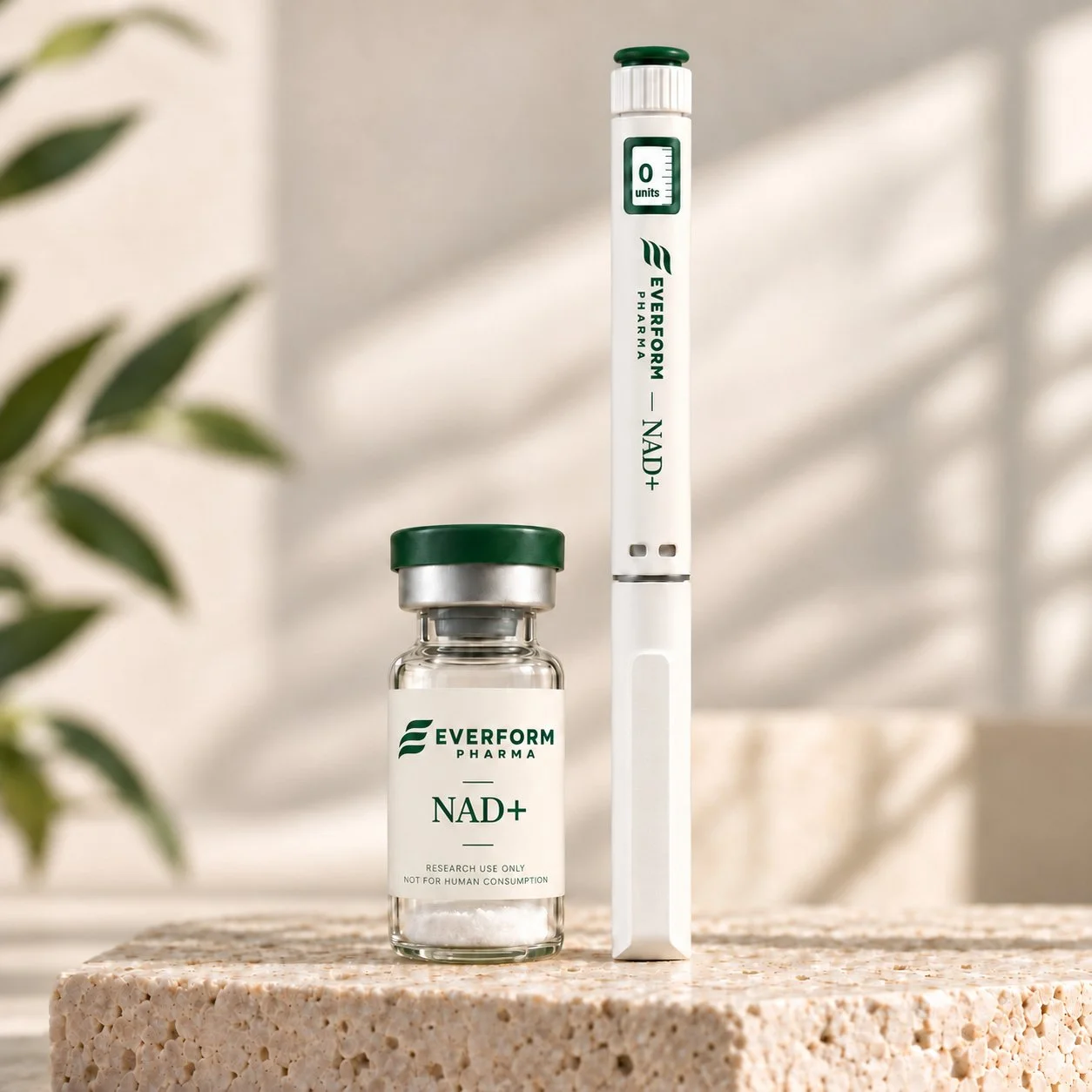
Injection pen kit
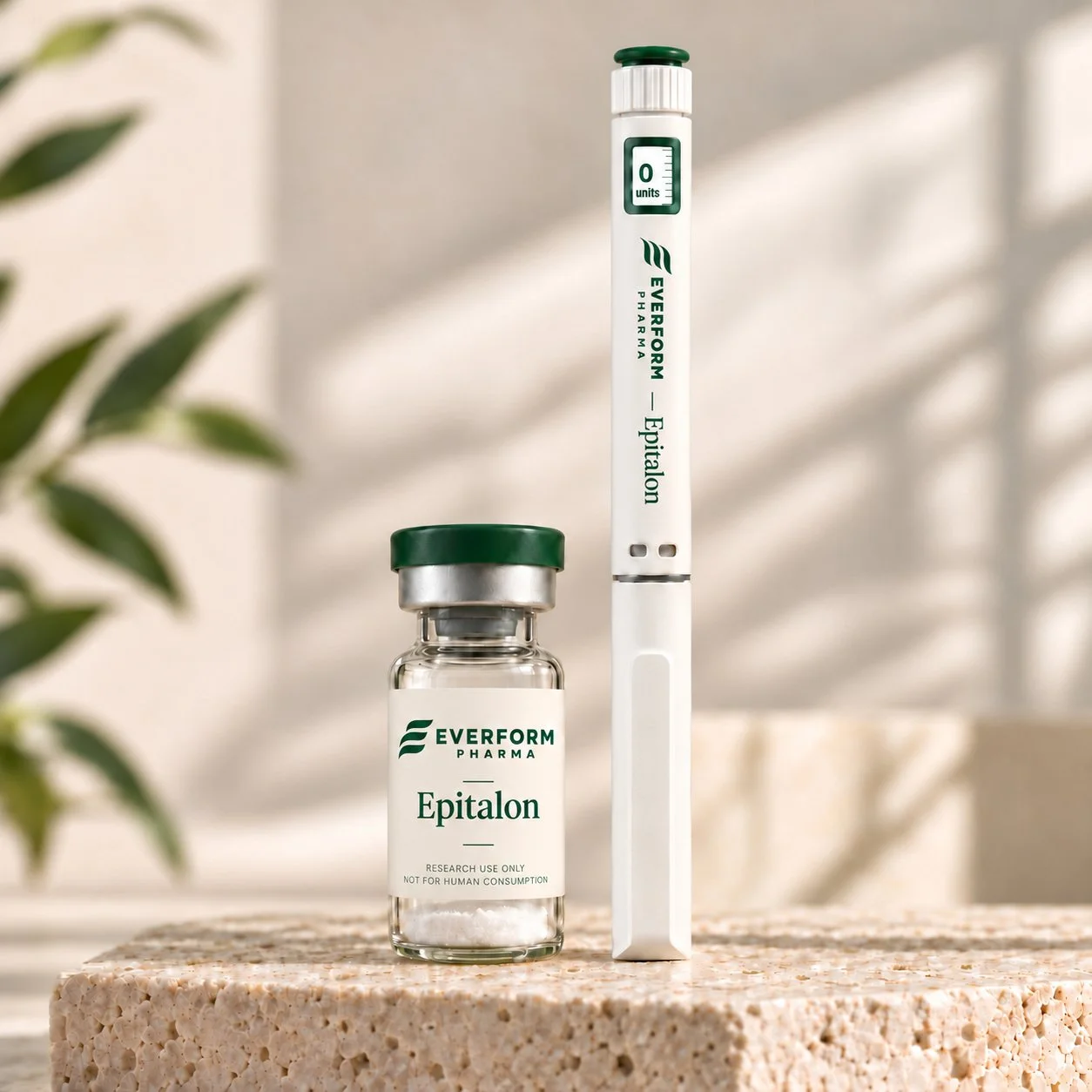
Lyophilised peptide vial, BAC water and an injection pen.
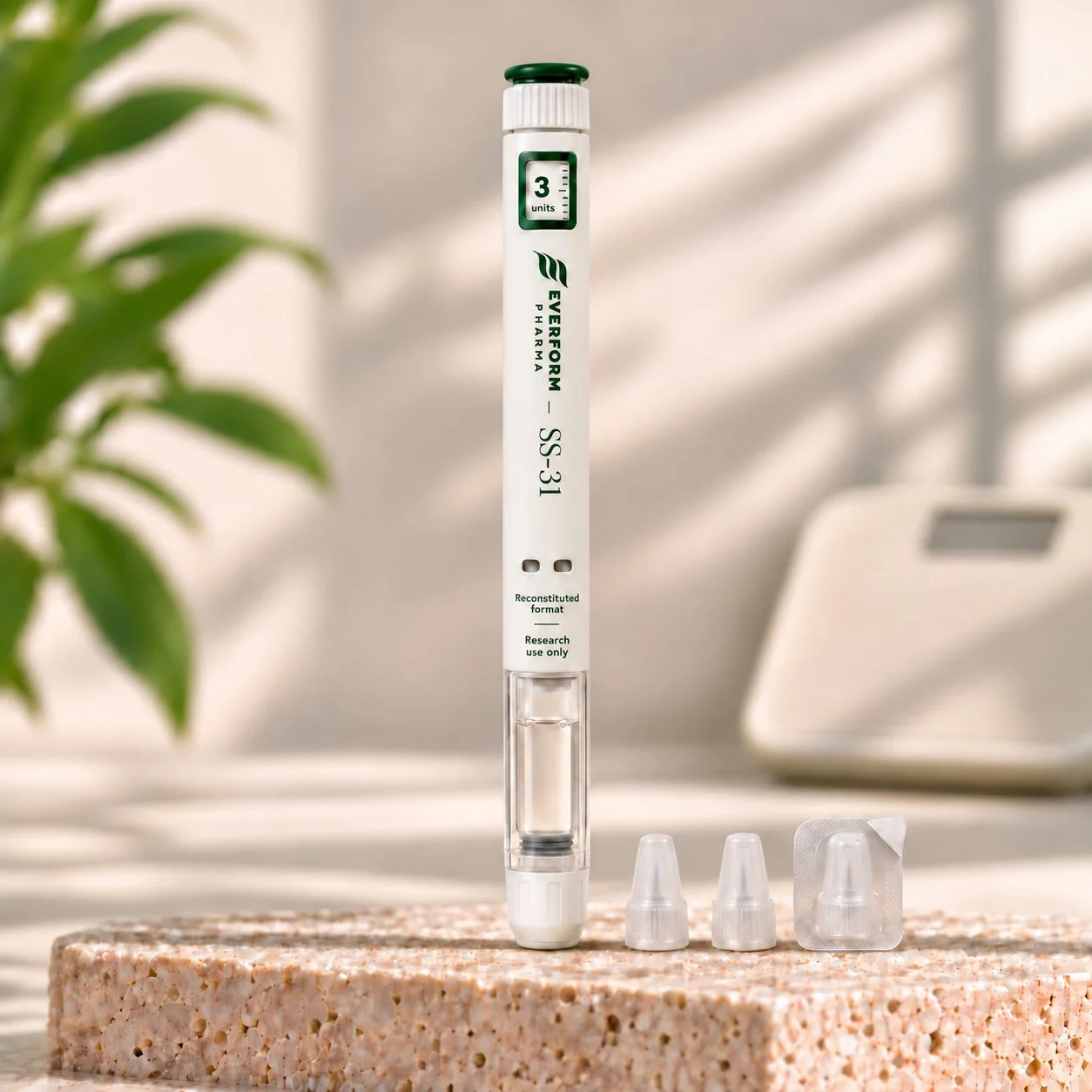
Pen + pen needles
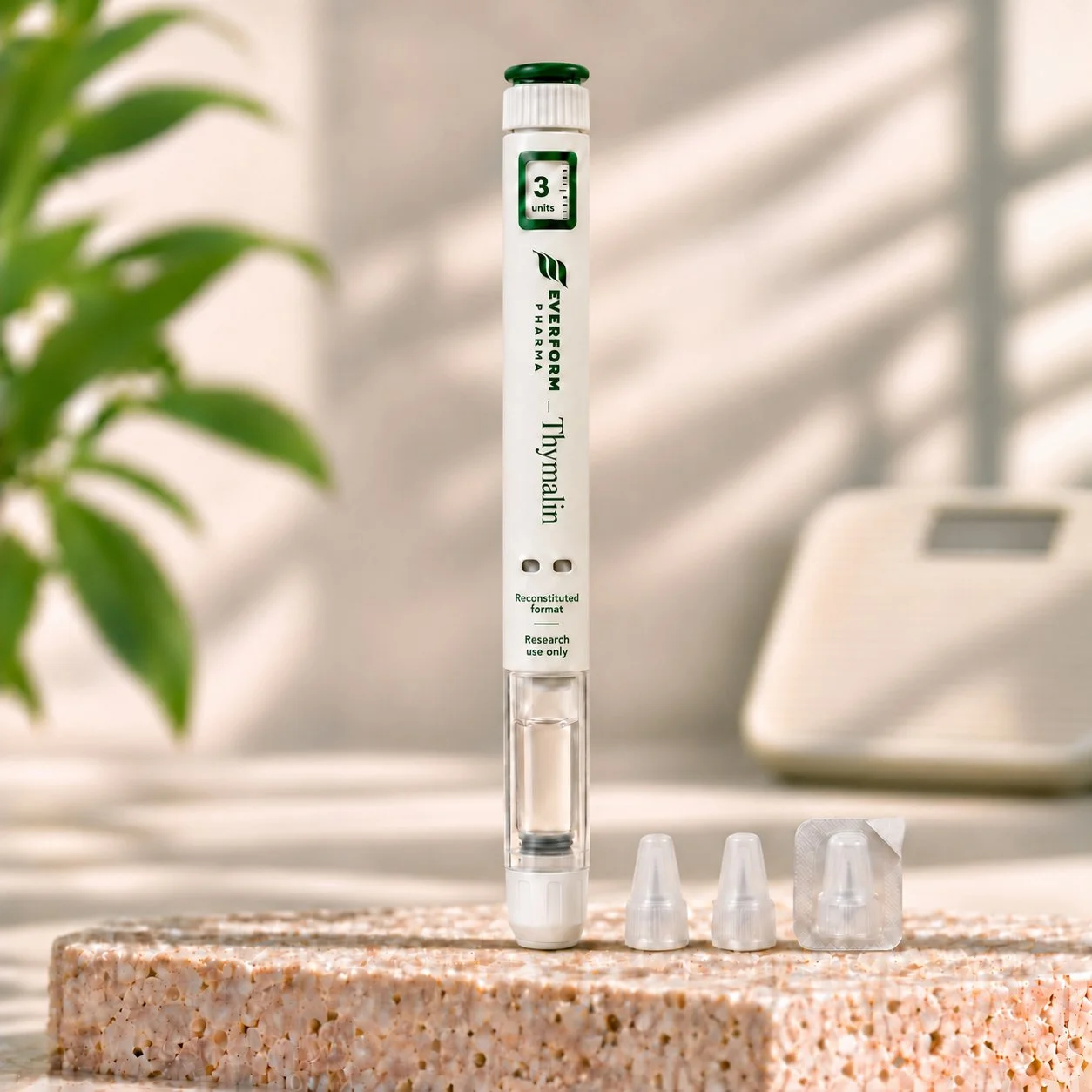
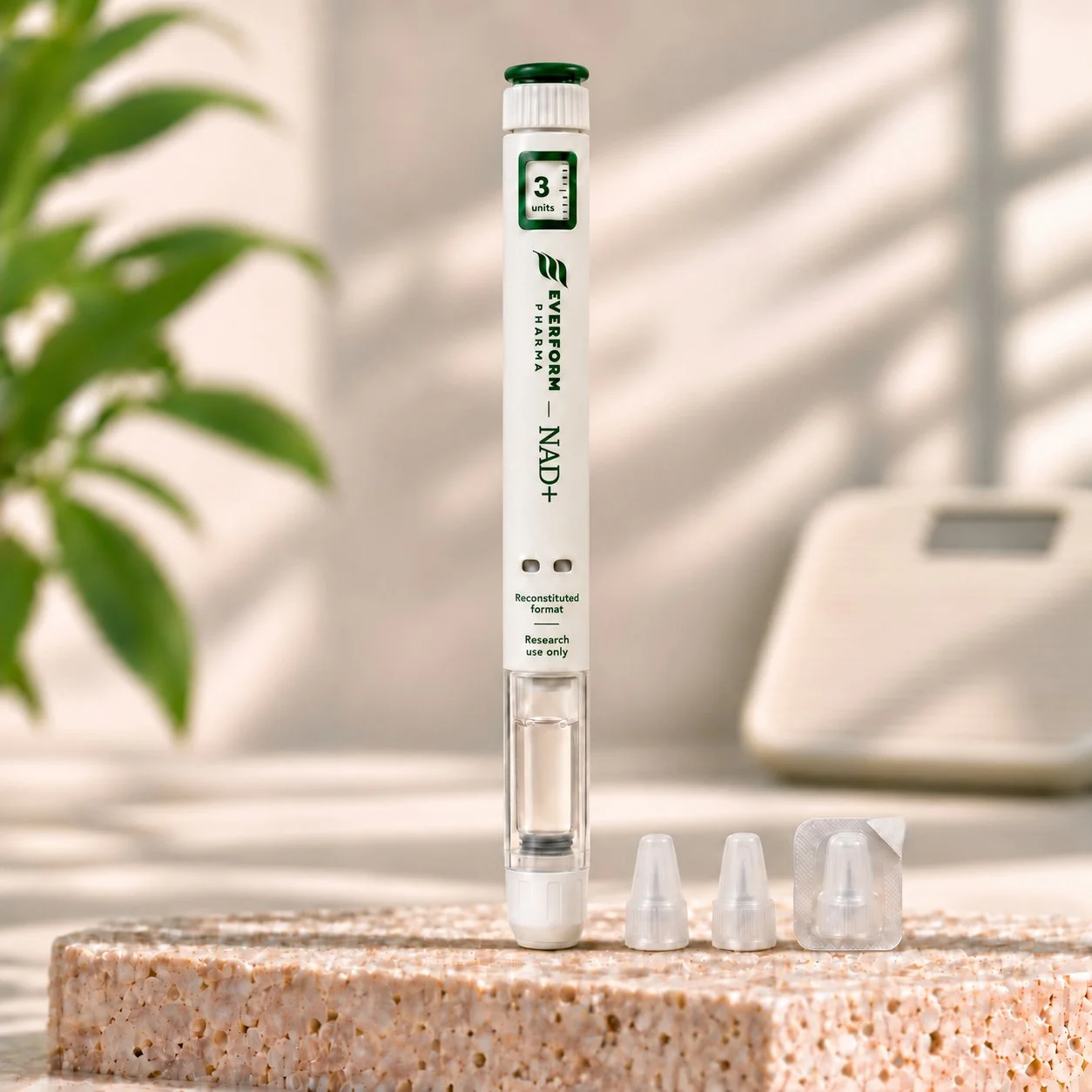
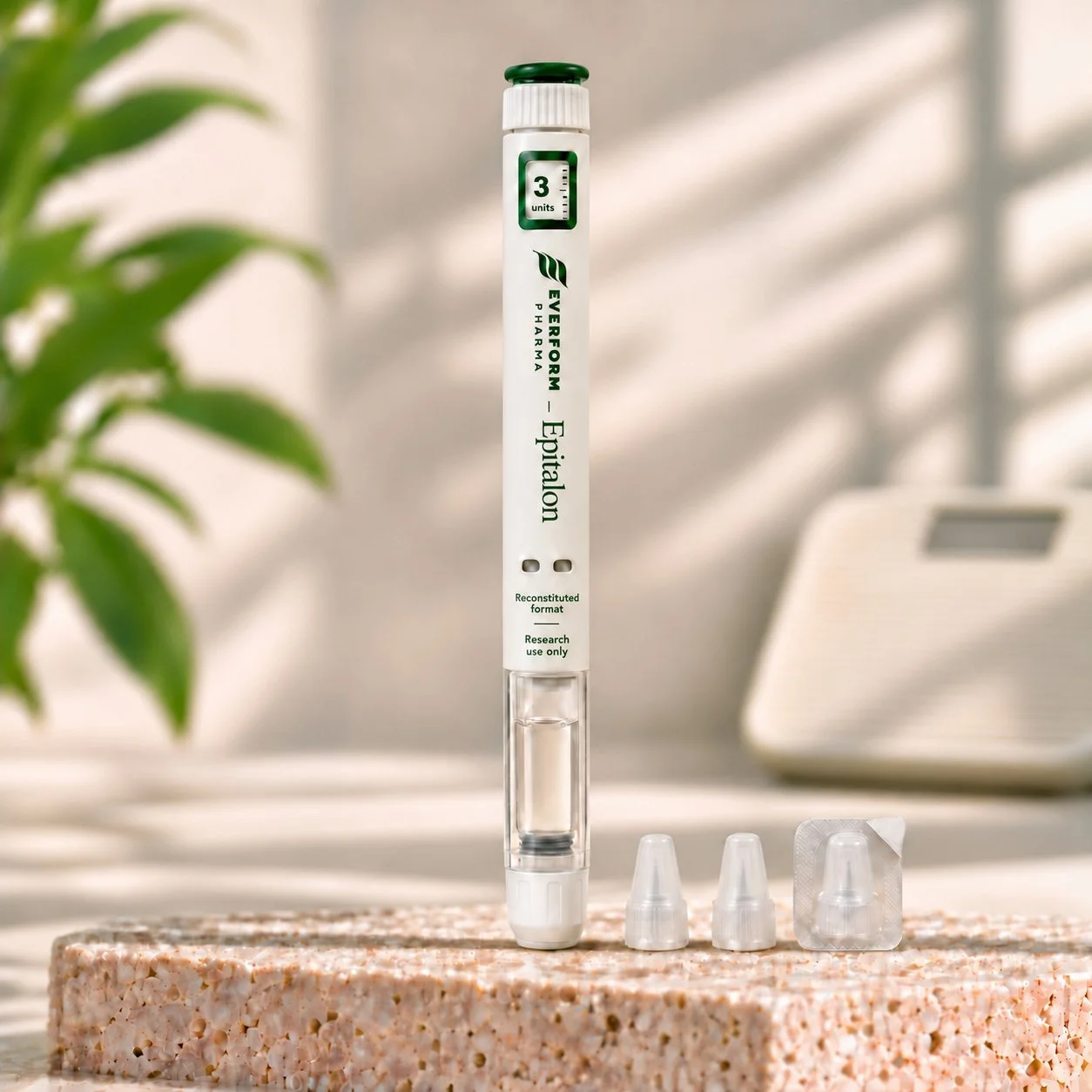
Reconstituted pen
VIETNAM ONLYPeptide solution supplied in a pen at the stated concentration, with pen needles.
For laboratory research only. Not for human or veterinary use.
Everform Pharma · Connective-tissue research
Wolverine stack.
Two components. A closer look.
BPC 157 10 mg + TB 500 10 mg: exploring the research behind a familiar combination, from tendon-cell experiments to the limits of evidence for the pair.

What is the Wolverine stack?
“Wolverine stack” is an informal name for a BPC 157 and TB 500 combination. This Everform product is labelled as BPC 157 10 mg + TB 500 10 mg, giving 20 mg total peptide content per vial. The nickname is not a scientific classification or a guarantee of recovery.
BPC 157 is a synthetic 15-amino-acid peptide investigated in experimental tissue-repair research. TB 500 naming requires care: analytical research identified the acetylated thymosin β4 fragment Ac-LKKTETQ in a product sold under that name. This short fragment is distinct from full-length thymosin β4. [1] [2]
The product documentation should establish the exact TB 500 material supplied. Neither its name nor a photograph confirms sequence, terminal modifications or equivalence to a particular study preparation.
How it works
In rat tendon explants and cultured tendon fibroblasts, BPC 157 was associated with cell outgrowth, migration and survival under experimental stress. Changes in FAK–paxillin signalling were proposed as part of the mechanism; this does not establish faster recovery in people. [1]
Full-length thymosin β4 has been studied in cell-migration and wound models. That literature provides biological context, but its findings cannot automatically be assigned to the shorter TB 500 fragment. [2] [5]
Combining two research materials does not establish complementary action or synergy. A direct rat experiment found no additional benefit from the pair compared with either component alone. [3]
CELLULAR REPAIR MODELS
Studying migration, tissue organisation and mechanical endpoints under controlled experimental conditions.
COMBINATION EVIDENCE
Testing the pair directly, rather than assuming that separate component findings add together.
Main research areas
| Research area | Evidence and limits |
|---|---|
| Tendon-cell behaviour | BPC 157 experiments used rat-derived cells and explants outside the body. They describe cellular responses, not clinical recovery. [1] |
| Tendon repair in animals | A 2026 study compared BPC 157, a material called TB-500, their combination and a control in rats. It did not validate this Everform 1:1 blend. [3] |
| Wound biology | A study of full-length thymosin β4 examined rat skin wounds and cell migration. This is not direct evidence for a TB 500 fragment blend. [5] |
| Human exploratory reports | A small retrospective knee-pain report included BPC 157 alone and BPC 157 with a material described as TB4. It was uncontrolled and does not establish efficacy of this product. [4] |
Cell studies, animal experiments and uncontrolled human observations answer different questions. None demonstrates a guaranteed outcome for this labelled 20 mg product.
What published findings show
BPC 157 laboratory research: Chang and colleagues reported greater tendon-fibroblast outgrowth and migration in rat-derived laboratory models. Cell proliferation was not directly increased in the assay used. The findings support mechanistic investigation, not a treatment claim. [1]
Direct combination research in rats: Biçer and colleagues randomised 32 rats into four groups after Achilles tendon injury and repair. Some tissue-organisation measures improved in treated groups, while the TB-500 group showed a statistically significant mechanical advantage over controls. The combination did not provide an additional benefit. This small exploratory study used different experimental exposures from a 1:1 product blend and does not prove human efficacy. [3]
Human observations: Lee and Padgett reviewed a small series of knee-pain cases involving BPC 157 alone or with TB4. Reported symptom improvements came from an uncontrolled retrospective assessment. They cannot separate a peptide effect from other influences, demonstrate structural healing or establish this blend’s safety and efficacy. [4]
Related thymosin β4 research: Malinda and colleagues reported changes in wound closure, collagen deposition and blood-vessel formation in a rat skin-wound model. The material was thymosin β4, not this BPC 157 + TB 500 product. [5]
The cited evidence does not establish faster injury recovery, reliable pain relief or superior healing from the Everform Wolverine stack. A plausible mechanism is not proof of clinical benefit, and the combination’s stability and performance require their own evidence.
The Everform product, at a glance
ProductWolverine stack
Total labelled vial amount20 mg
BPC 157 content10 mg
TB 500 content10 mg
Vial formatLyophilised powder
Supply optionsCheck the current product selector
The full product name is BPC 157 10 mg + TB 500 10 mg - Wolverine stack. Everform Pharma is based in Da Nang, Vietnam. The 20 mg total describes labelled vial content, not a recommended dose. Complimentary BAC water is included with every order.
Explore Your format, your way →
The full REF on the product should match the relevant documentation. The security sticker repeats the product identifier and should match the vial or pen; it is not a separate new ID. Follow the actual product label for storage and expiry.
For a blend, documentation should identify both components and distinguish their measured amounts. A single overall purity percentage does not by itself verify 10 mg of each peptide, the TB 500 sequence or the blend’s stability. Packaging does not establish formulation-specific compatibility or sterility.
Common questions
Does 20 mg mean 20 mg of each peptide?
No. The labelled total is 20 mg: BPC 157 10 mg plus TB 500 10 mg.
Is the Wolverine stack proven to work better than either component?
No. The cited rat comparison found no additional benefit from combining the materials tested. Separate component studies do not establish synergy. [3]
Is TB 500 always full-length thymosin β4?
No. Analytical research identified an acetylated seven-residue fragment in a TB-500 product. Confirm the exact material using the relevant documentation rather than assuming equivalence to full-length thymosin β4. [2]
Do human reports prove that the blend heals injuries?
No. The cited knee-pain report was small, retrospective and uncontrolled, and described its second material as TB4. It does not establish clinical efficacy of this product. [4]
Does a 1:1 mass ratio establish the best research combination?
No. Equal labelled masses do not demonstrate an optimal ratio, equal biological activity, equivalent molecule numbers or clinical benefit.
Does the vial amount describe a dose or administration plan?
No. The 20 mg total and the two 10 mg component amounts describe labelled contents only. They are not a dose, concentration, schedule or administration instruction.
References
Everform Pharma · Da Nang, Vietnam
Educational product information.
For laboratory research only.
Not for human or veterinary use.