 Image 1 of 4
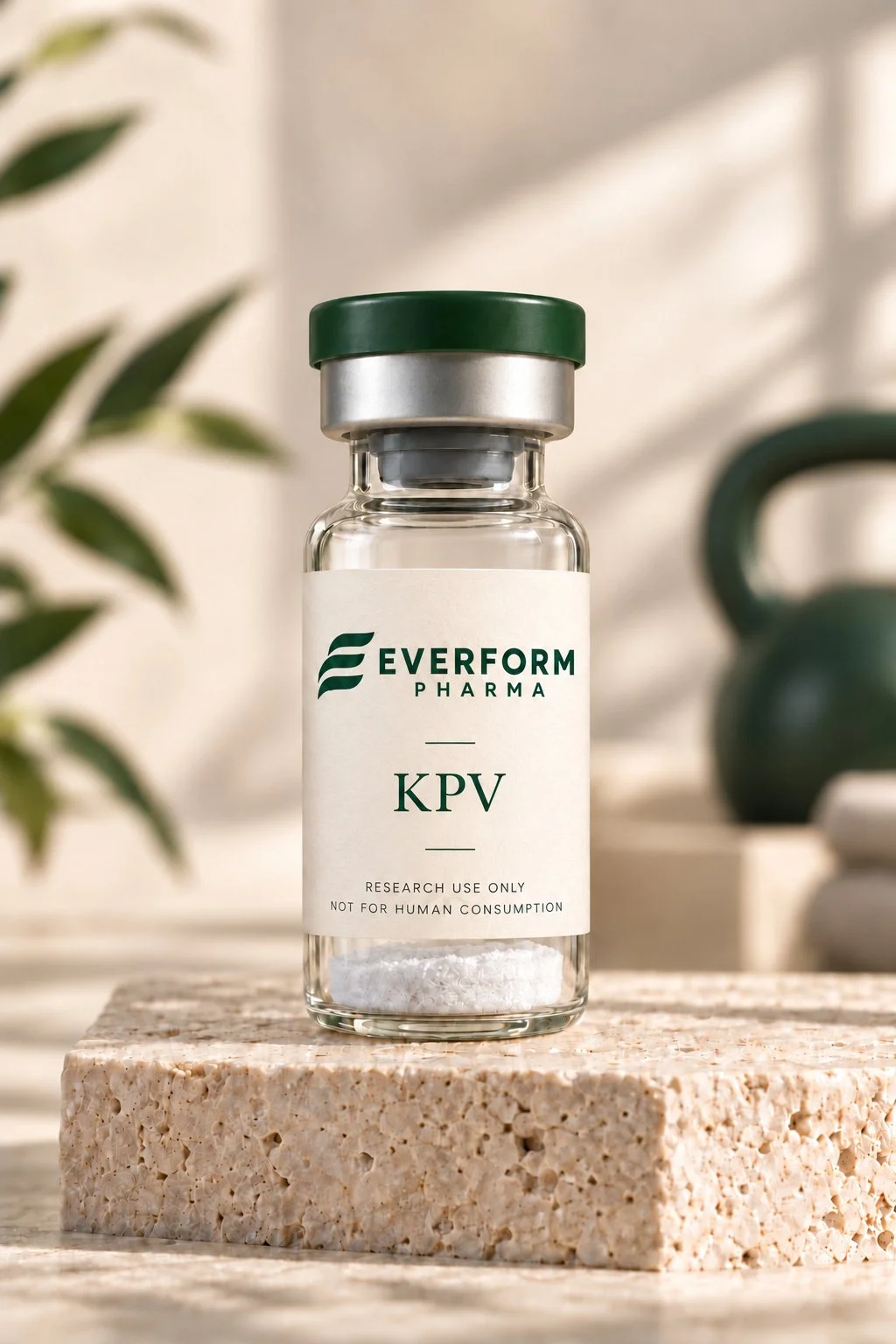 Image 2 of 4
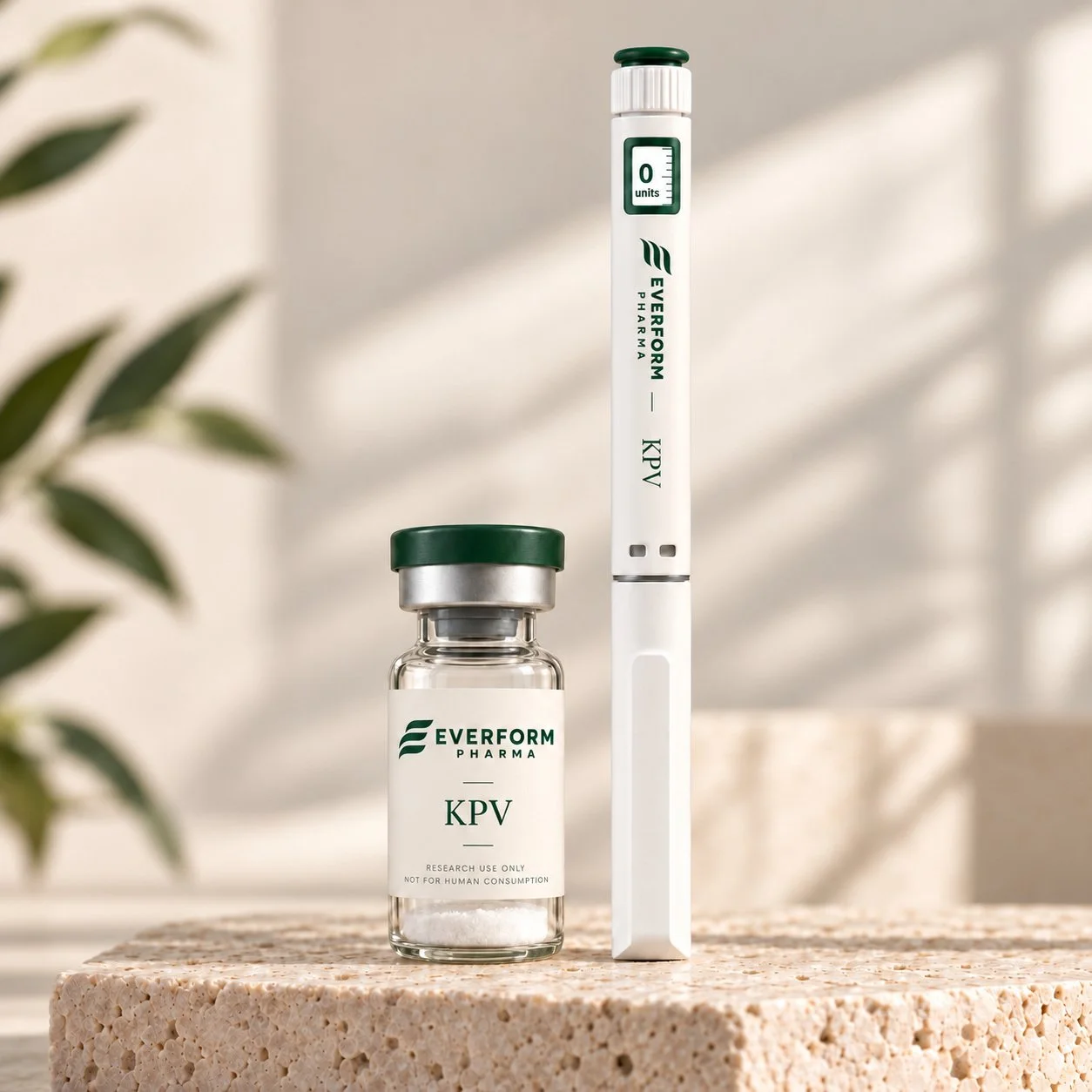 Image 3 of 4
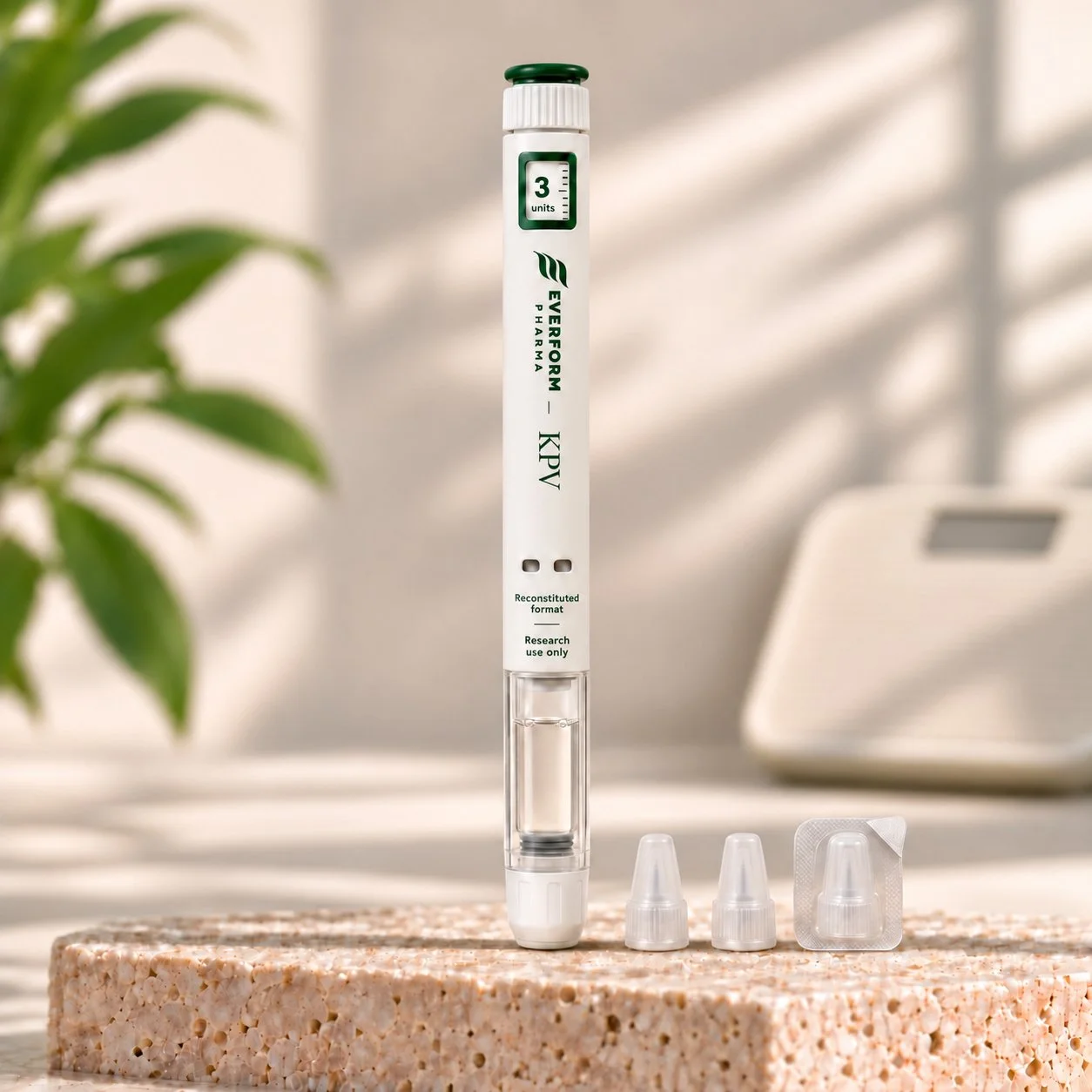 Image 4 of 4
Packaging & supply options
Your format, your way.
The same research peptide, with a choice of accessories and supply formats. Here’s what each option includes.
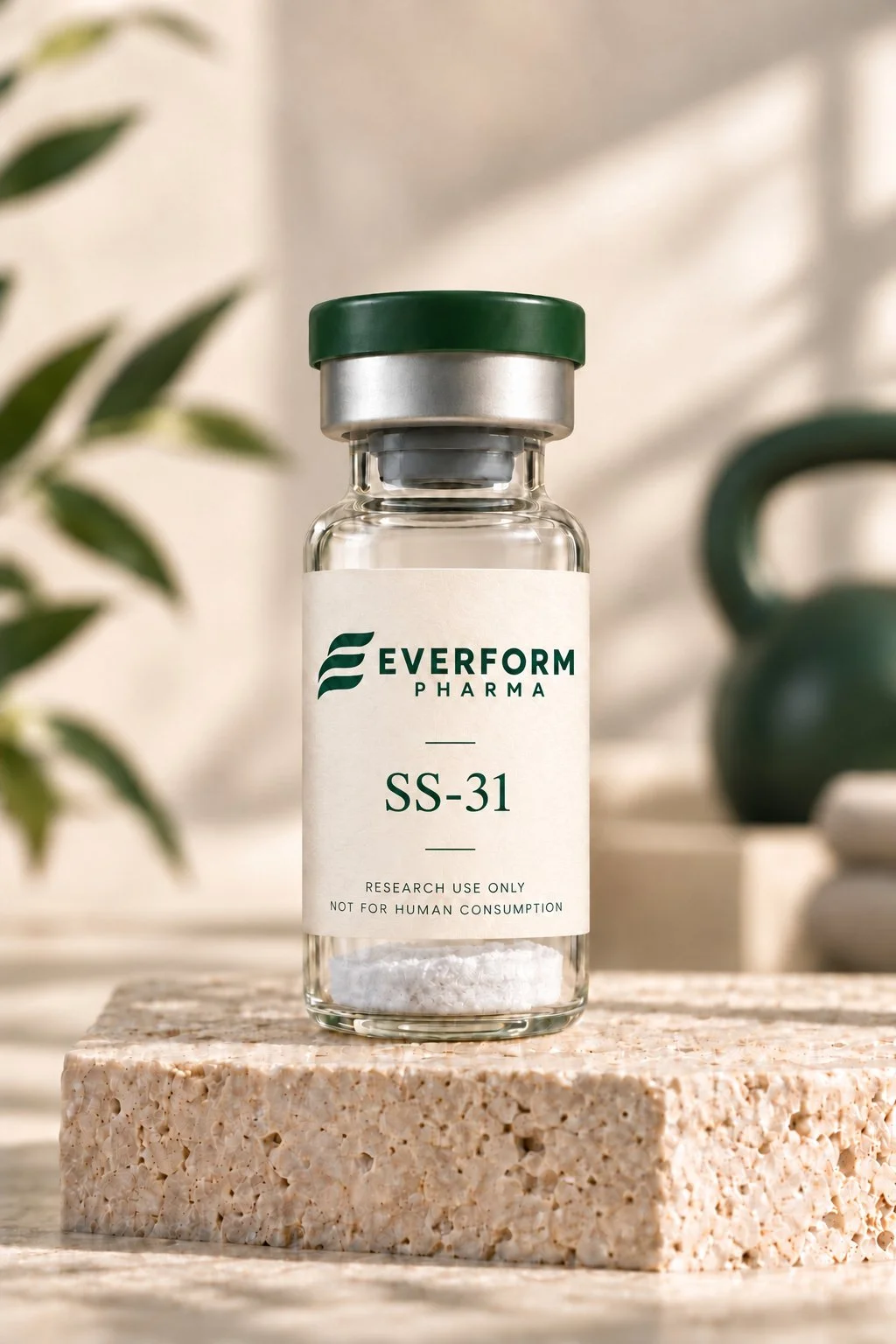
BAC water
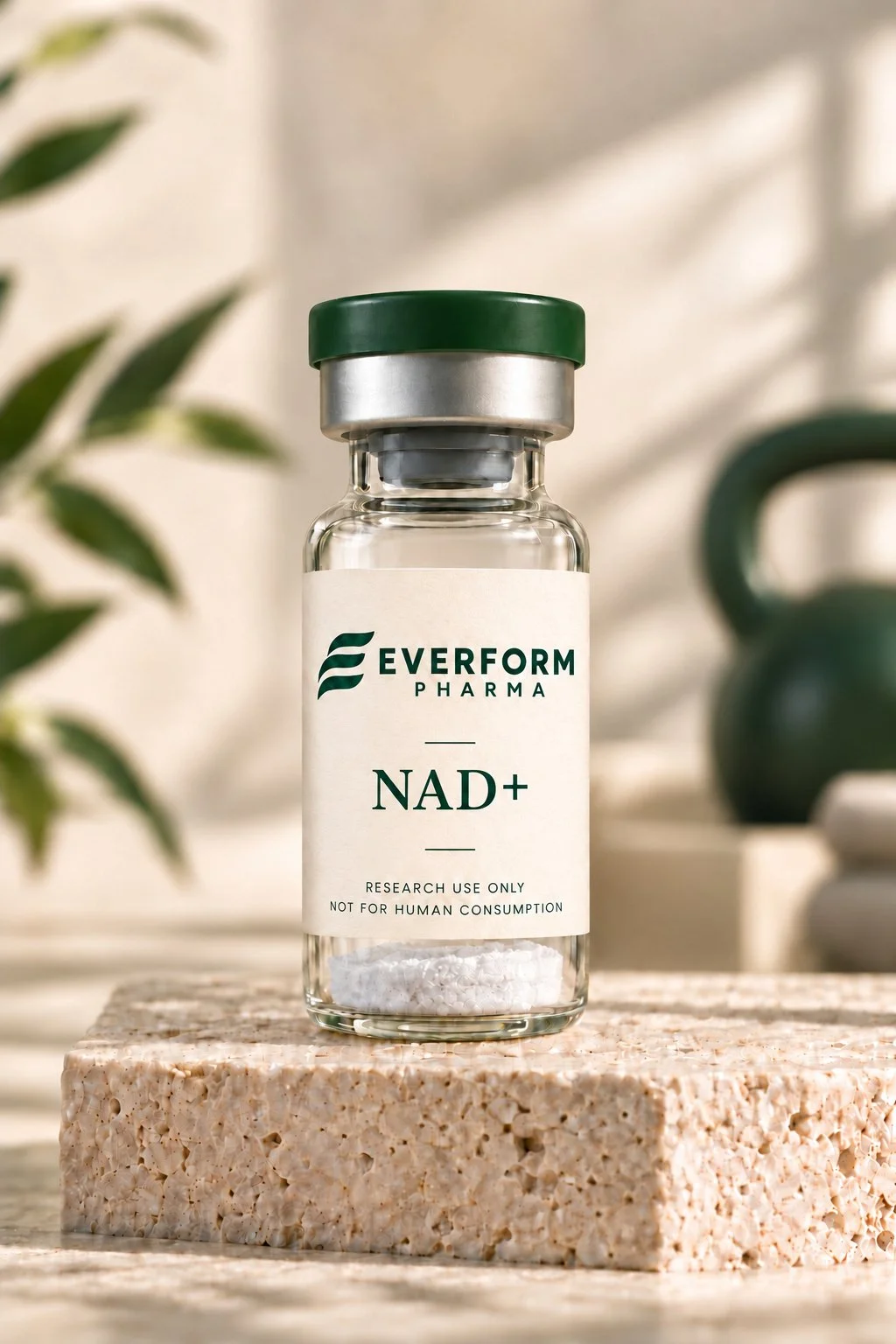
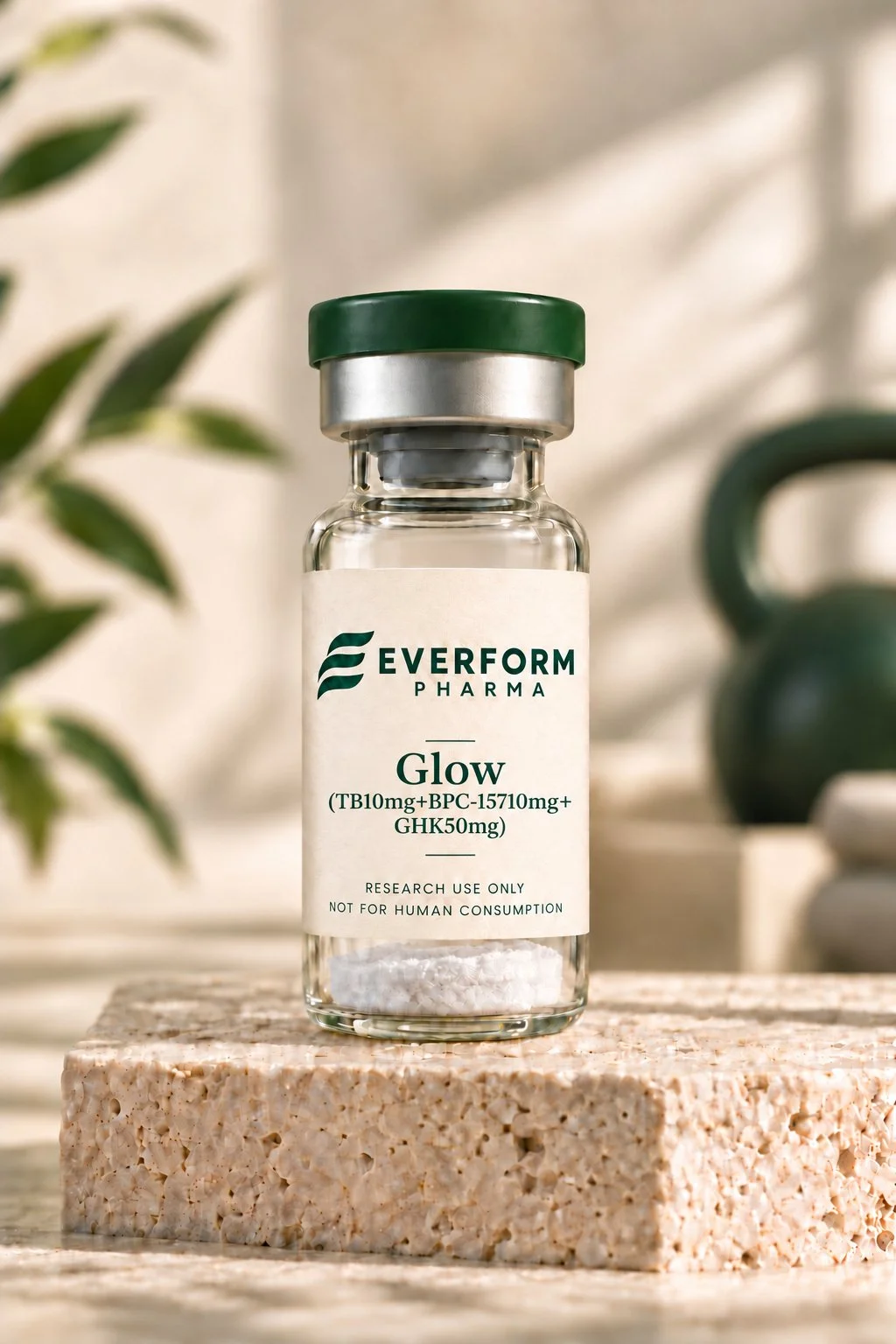
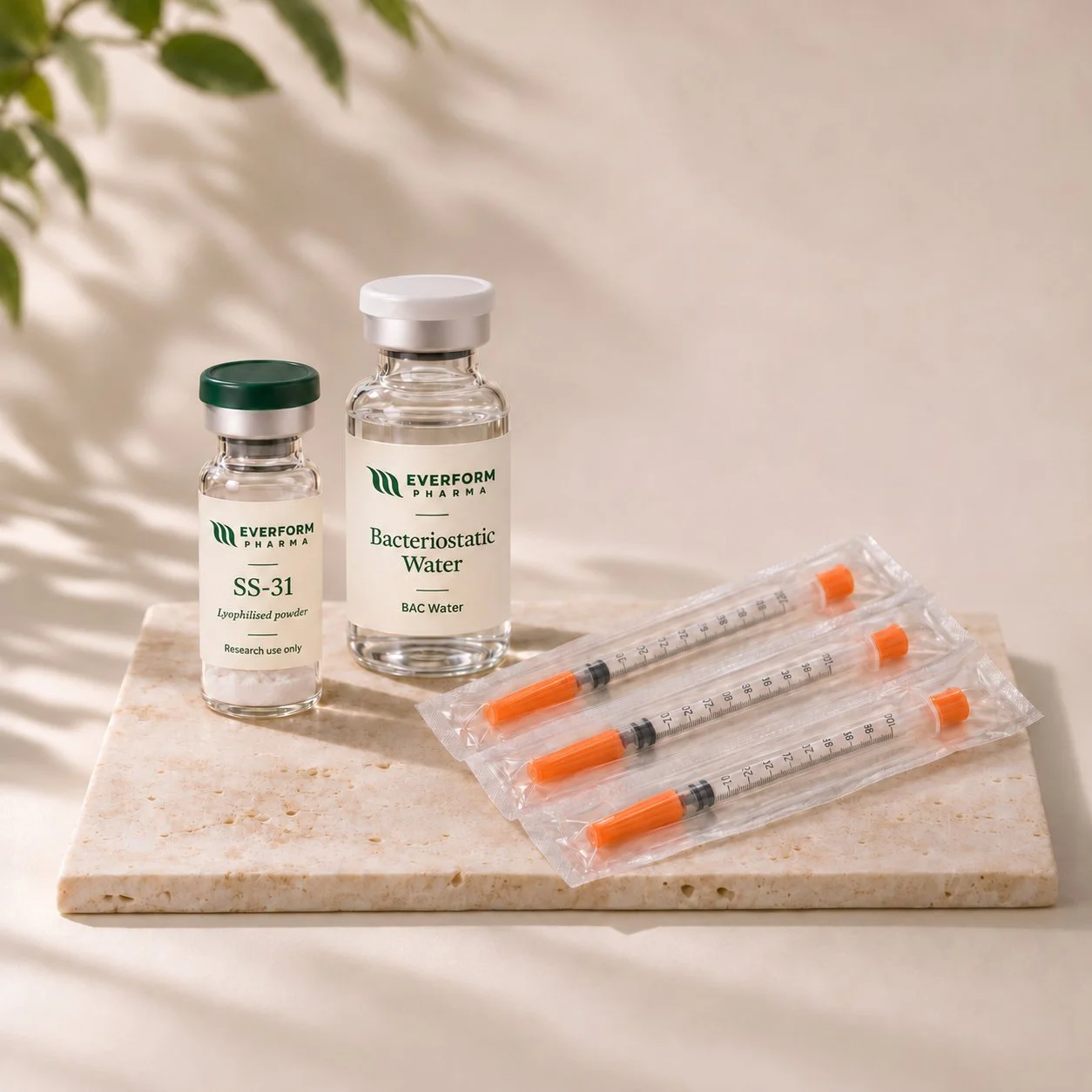
Vial kit
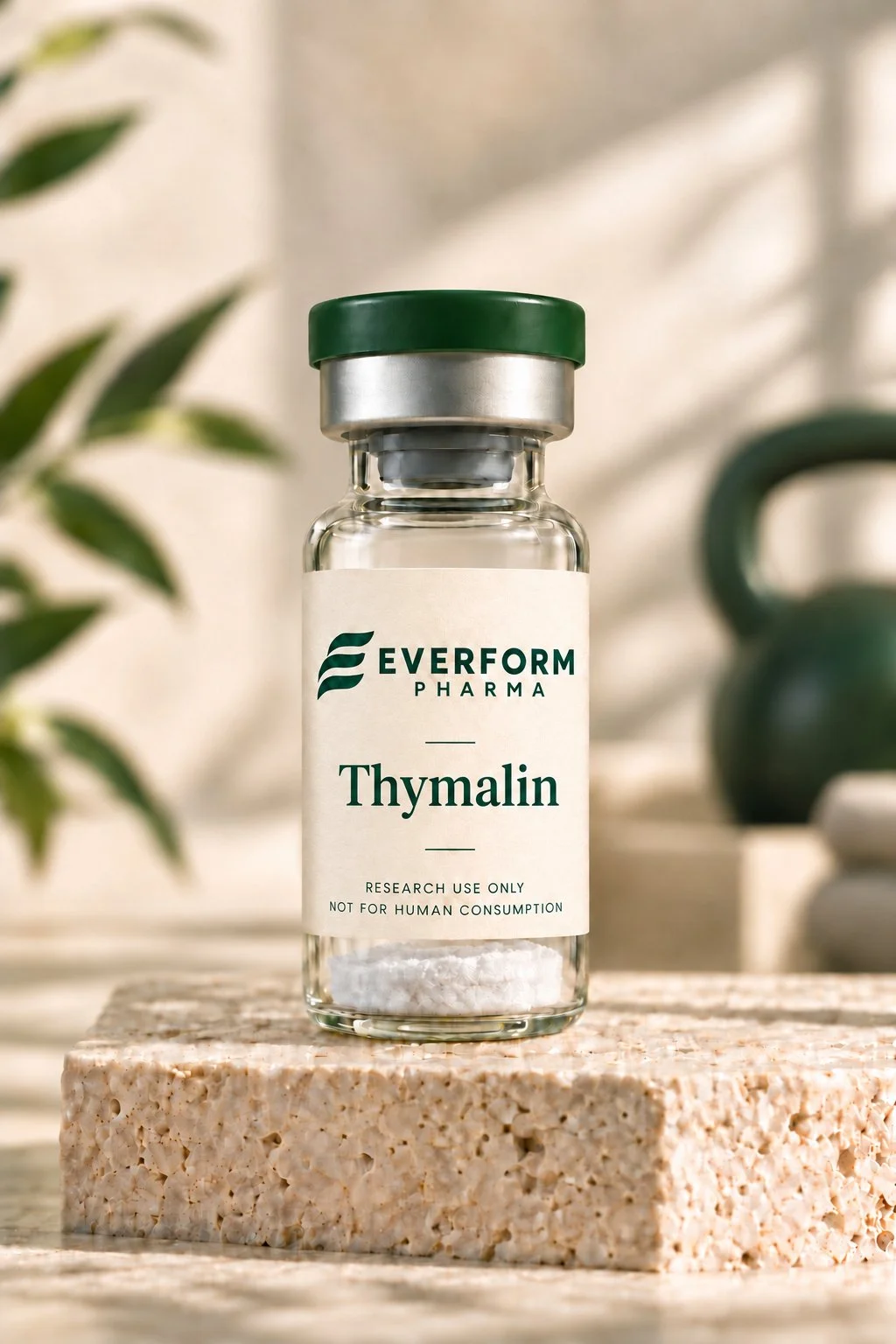
Lyophilised peptide vial with separately packaged, complimentary BAC water.
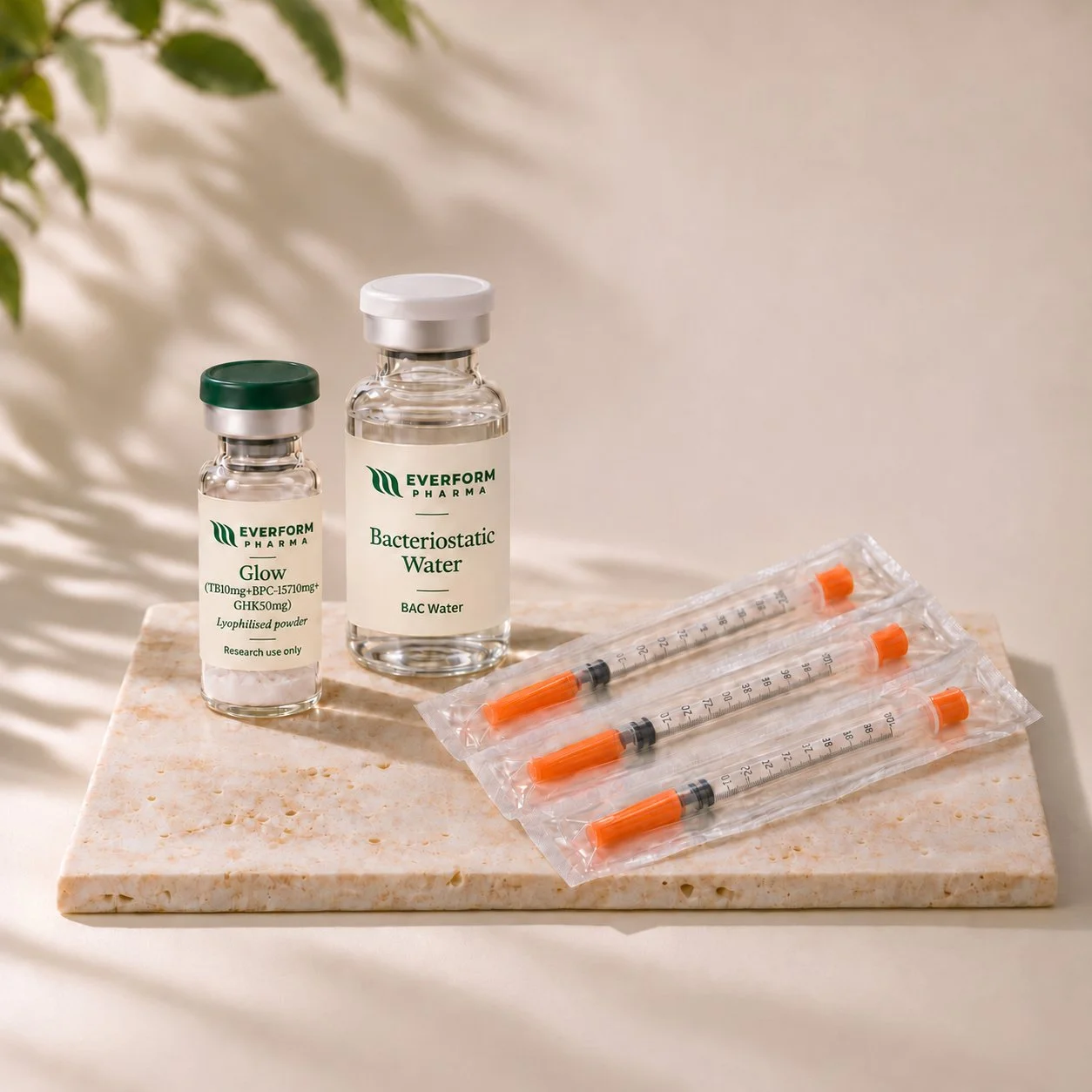
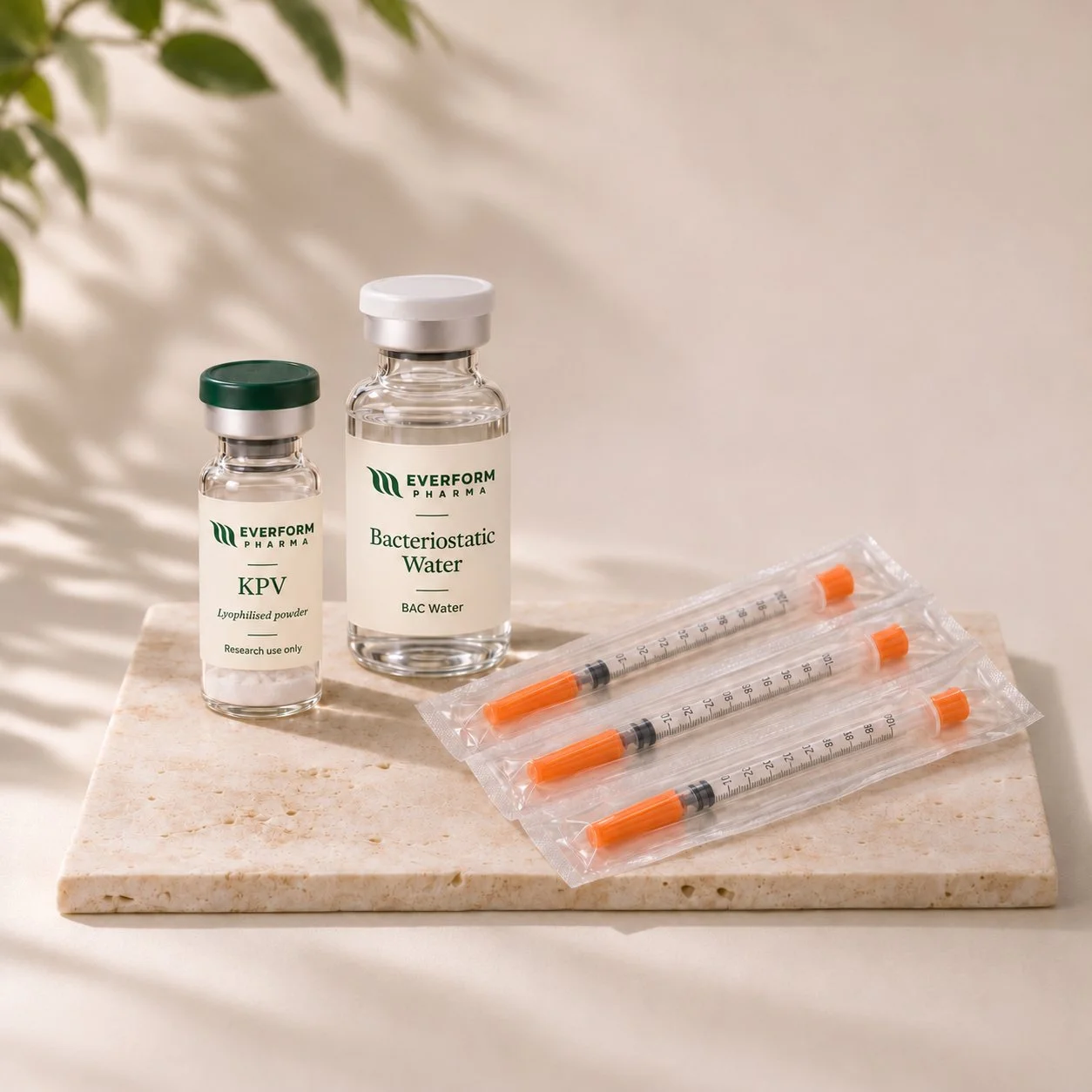
BAC water + syringes
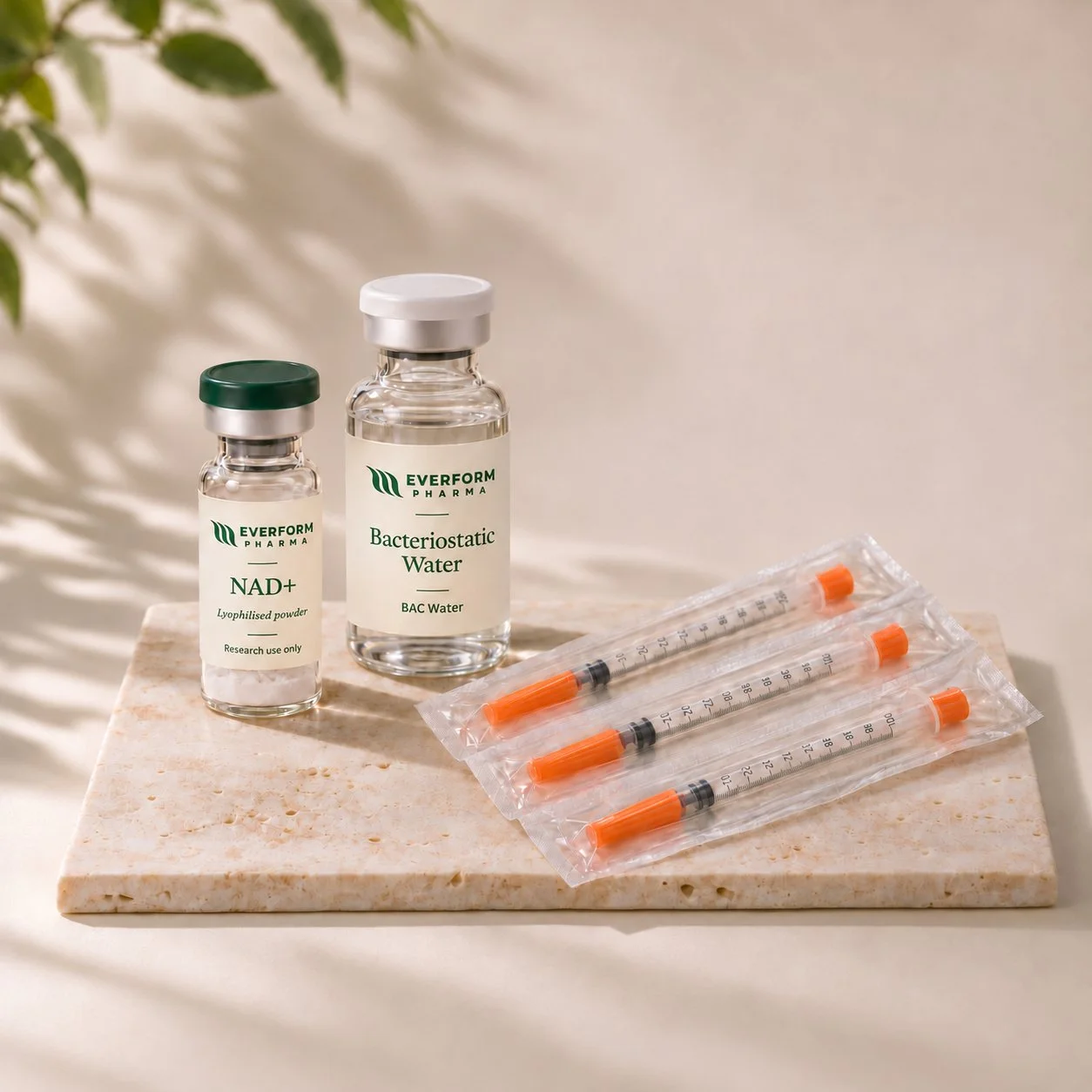
Syringe kit
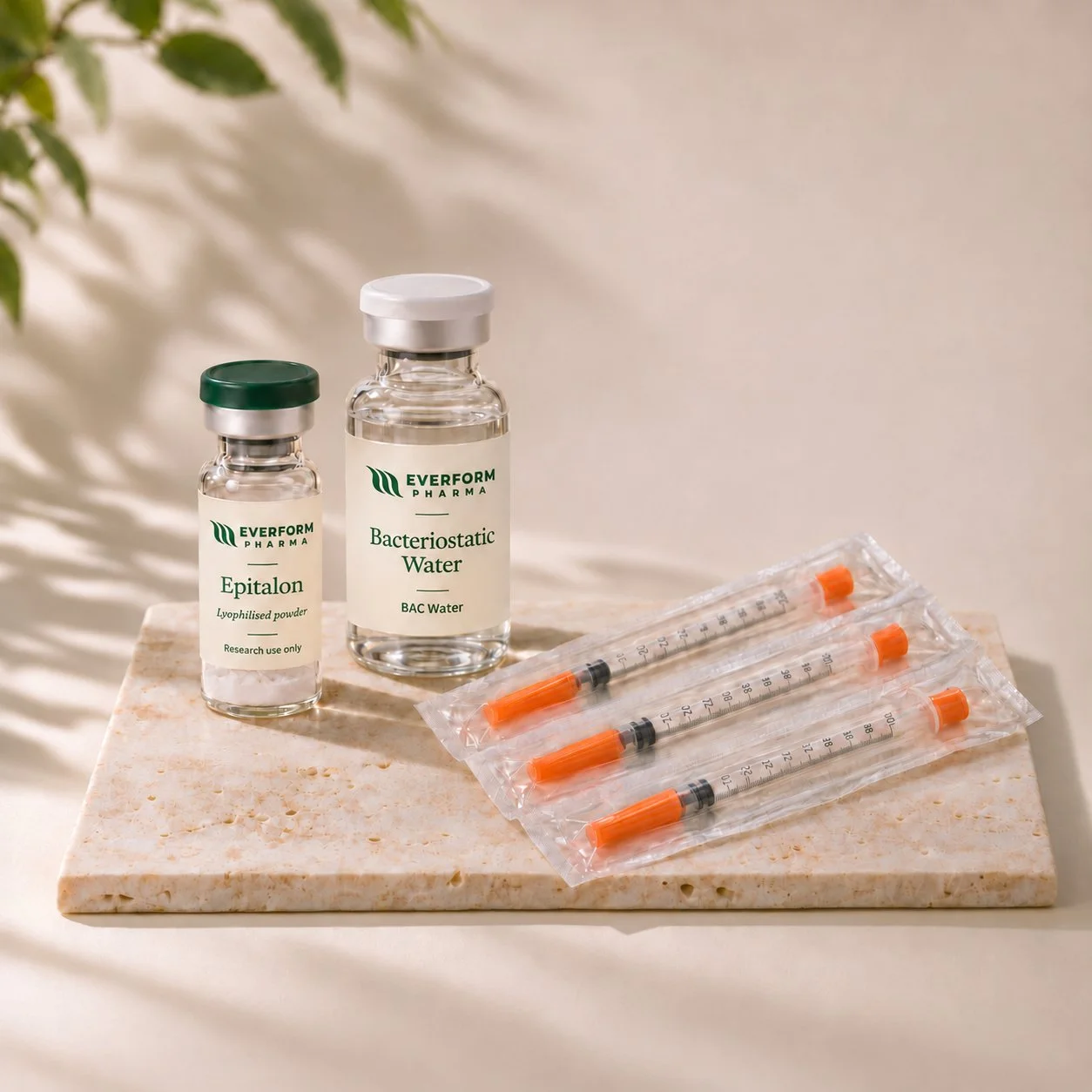
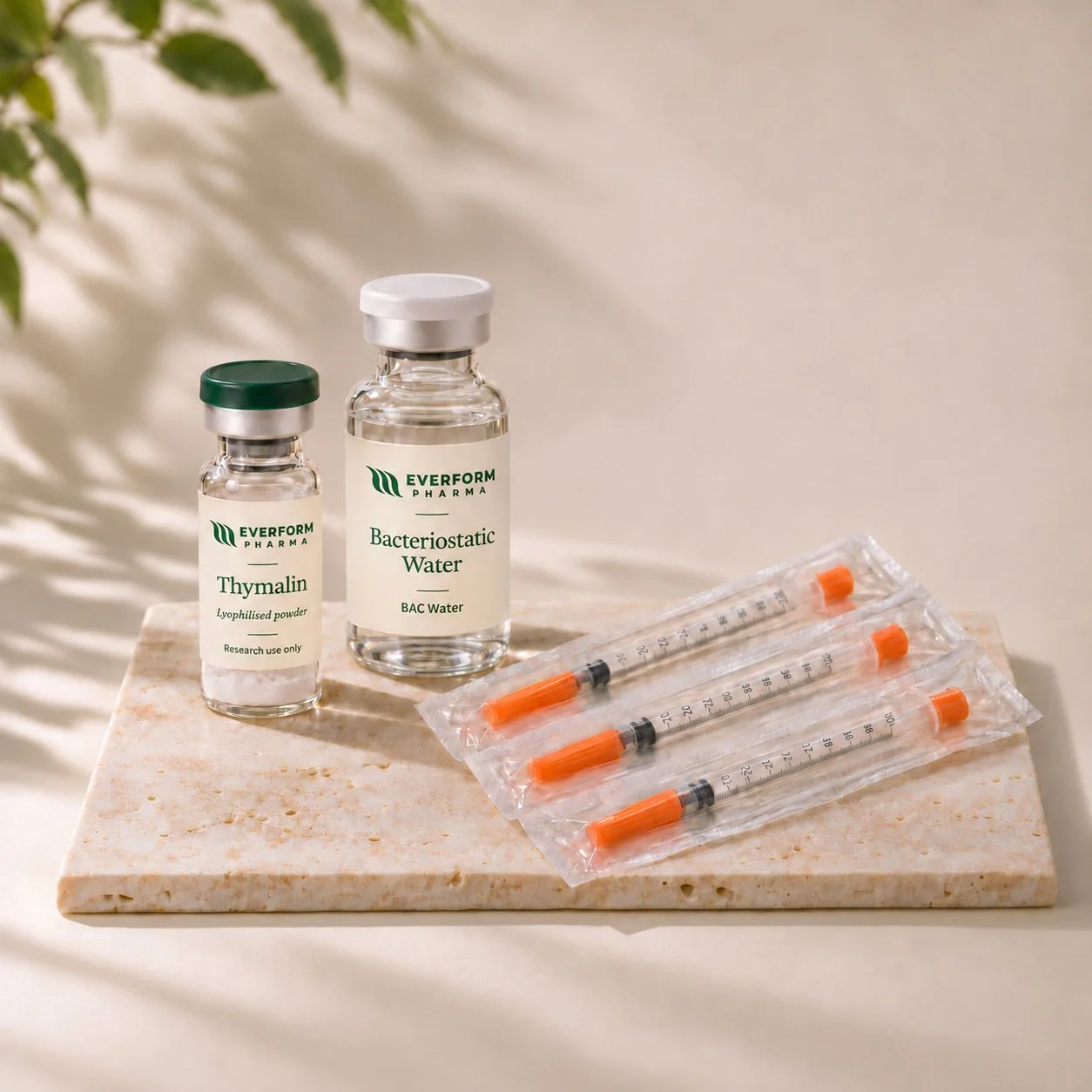
Lyophilised peptide vial, BAC water and syringes.
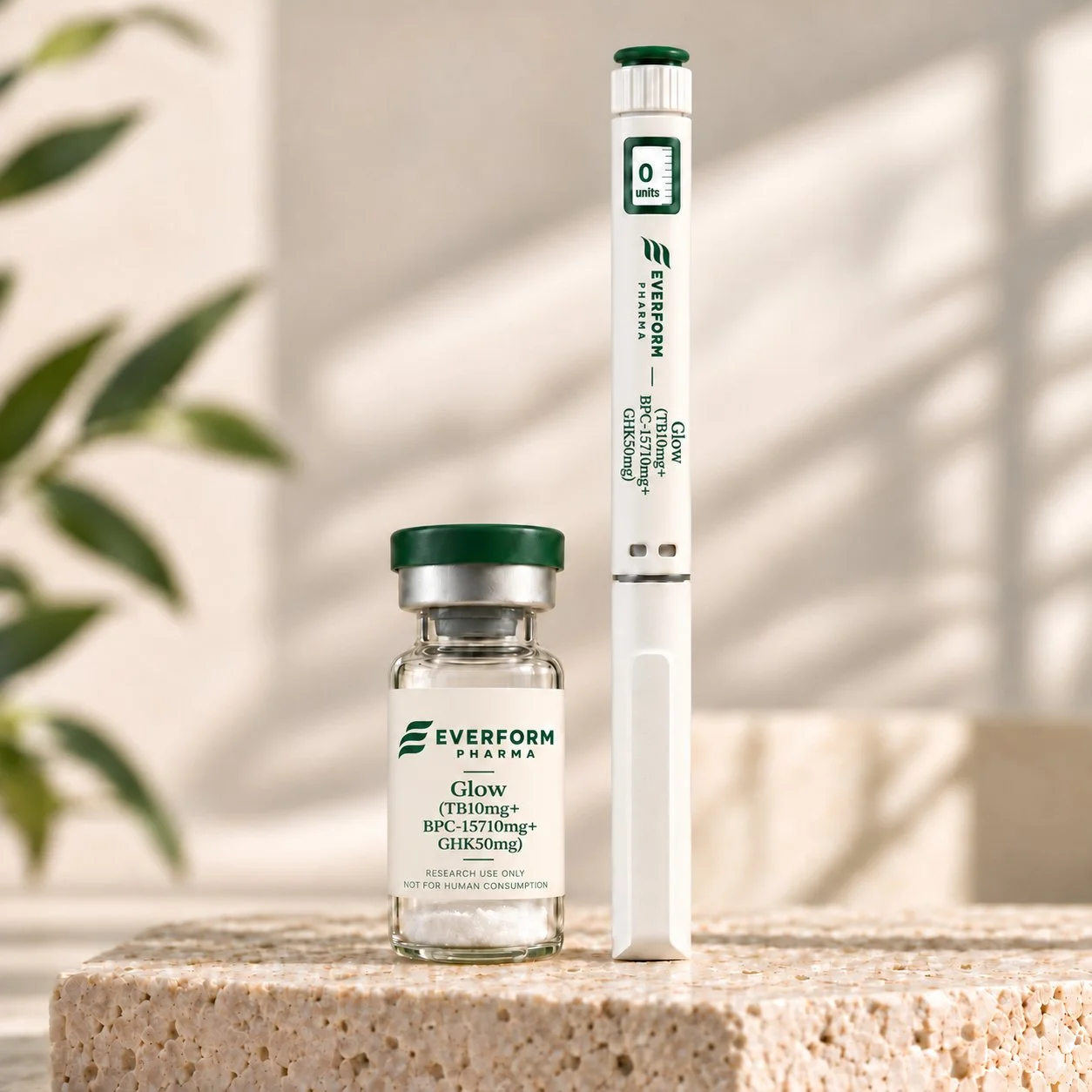
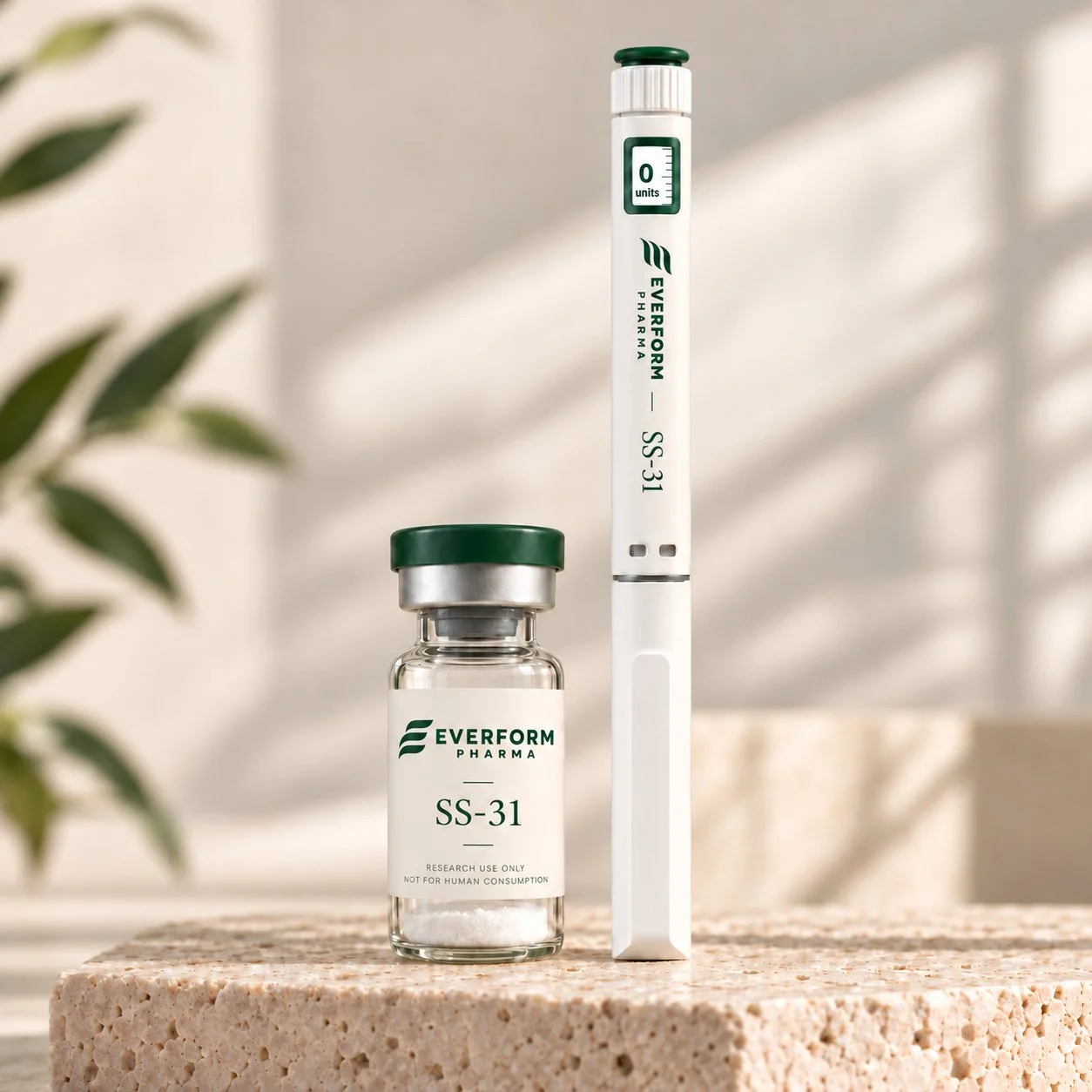
BAC water + pen
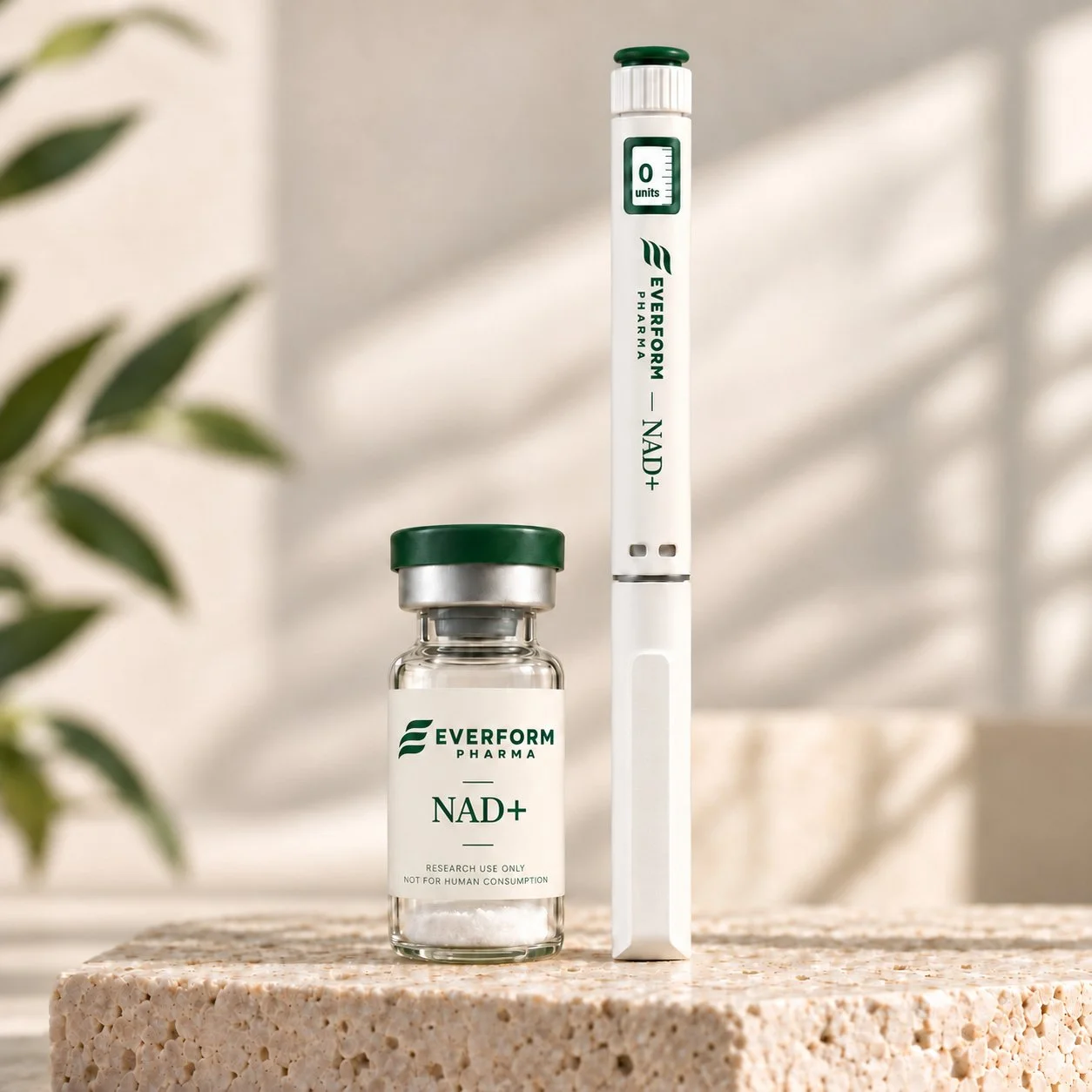
Injection pen kit
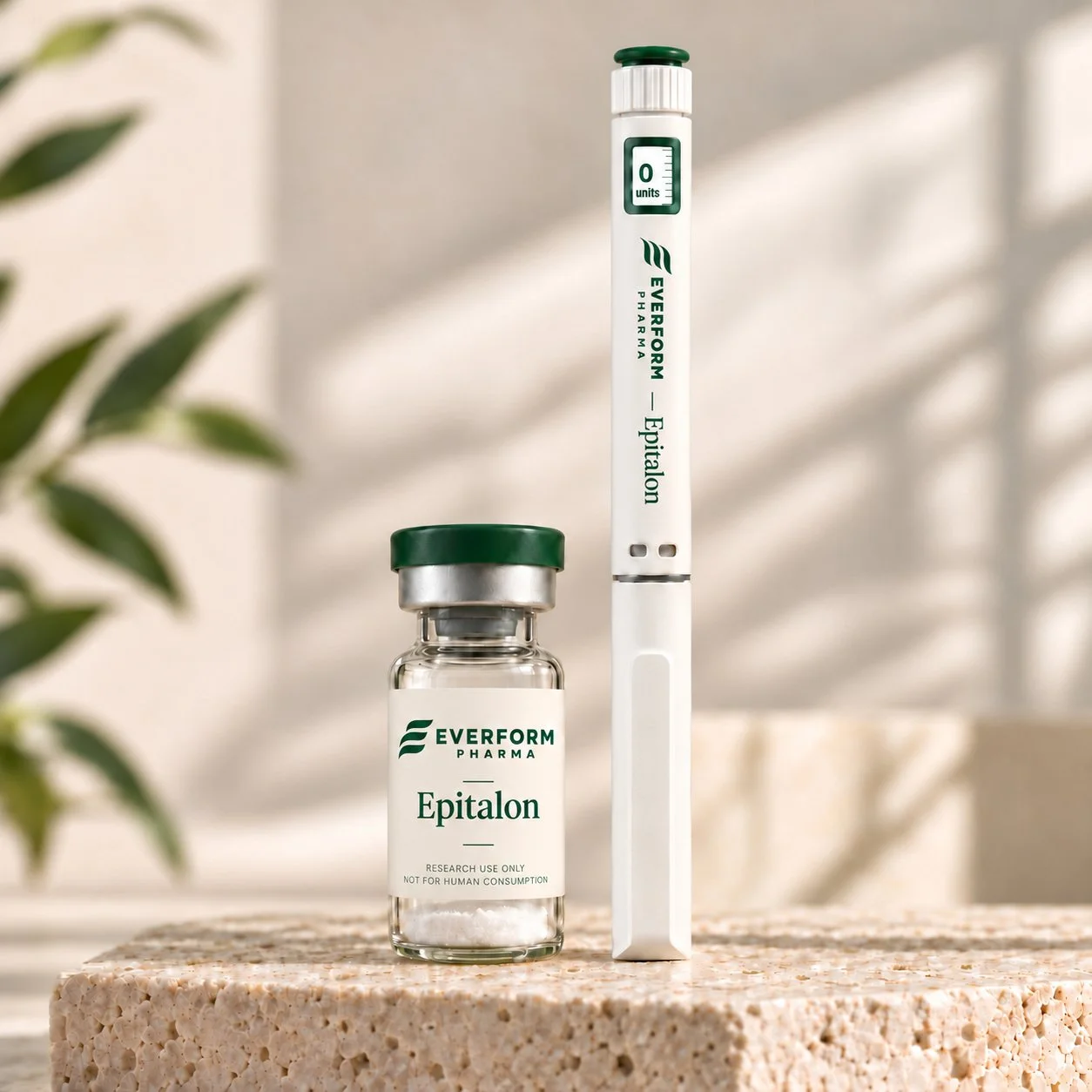
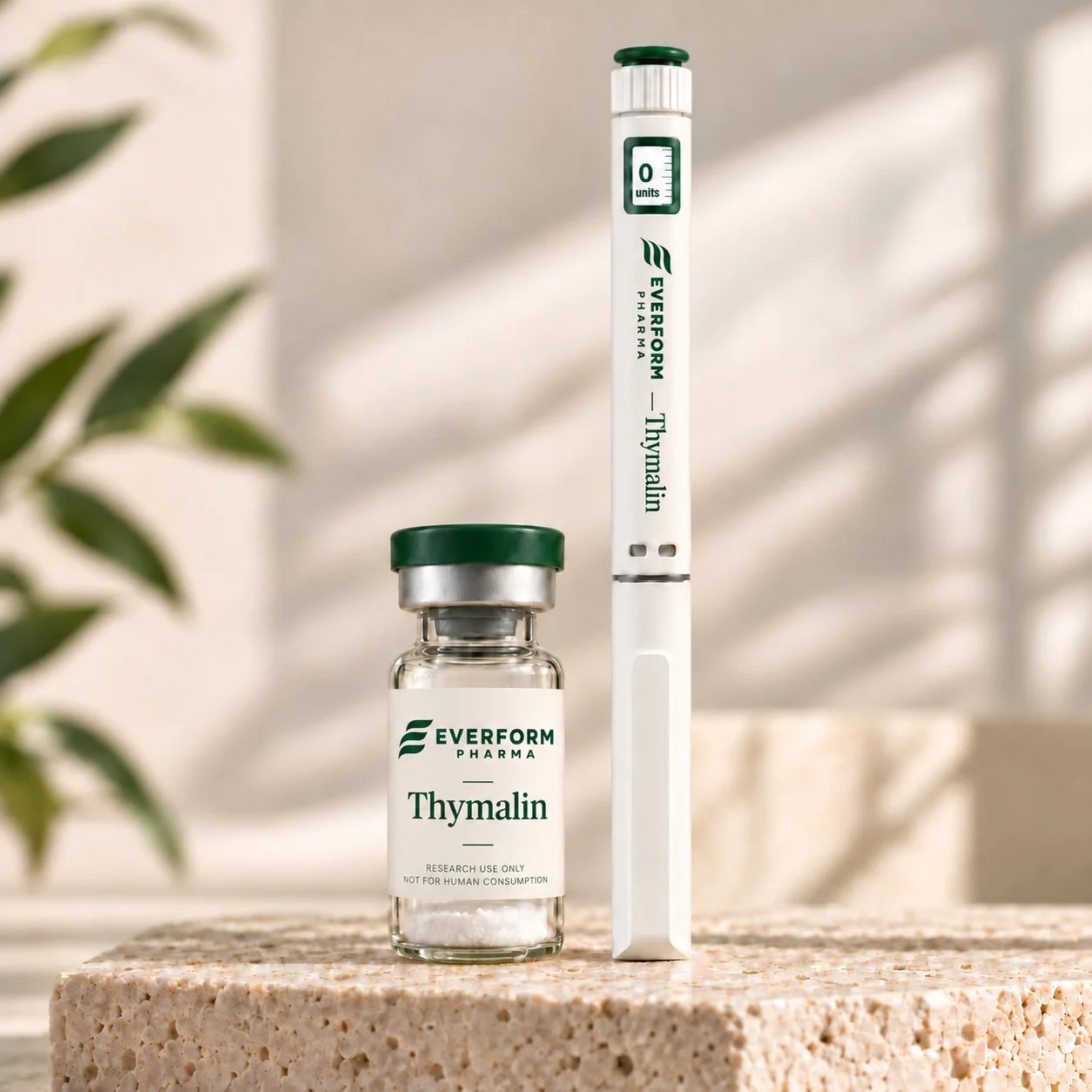
Lyophilised peptide vial, BAC water and an injection pen.
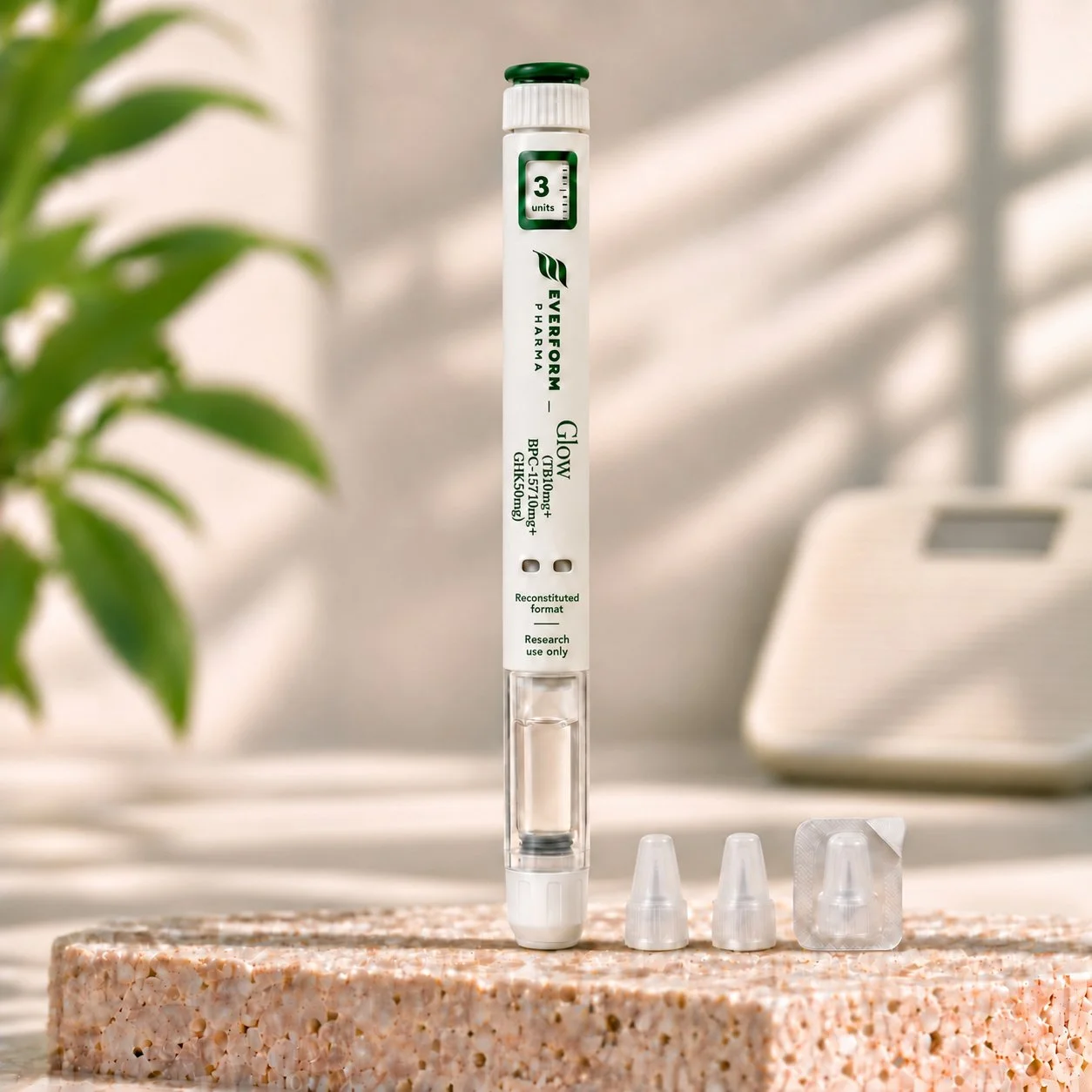
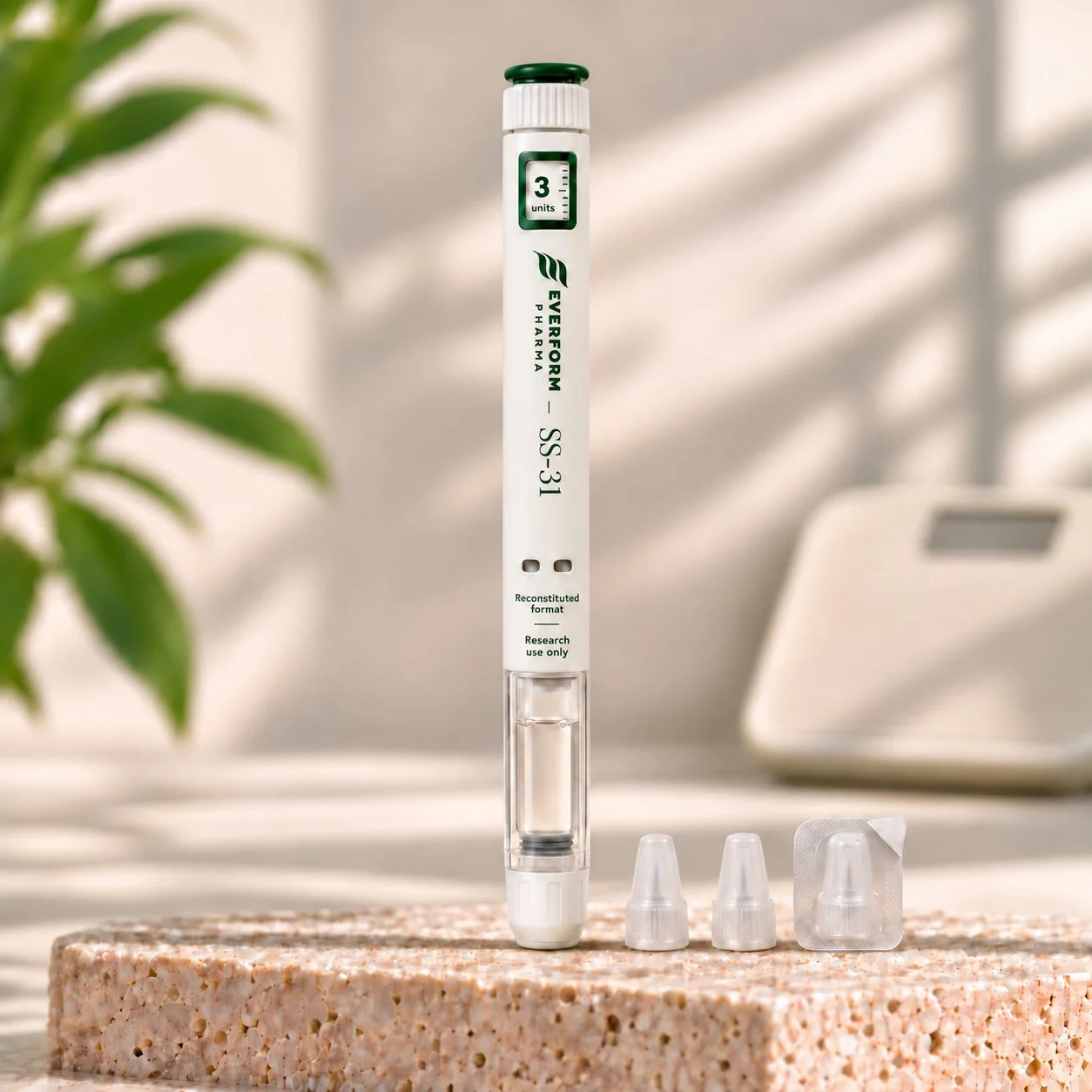
Pen + pen needles
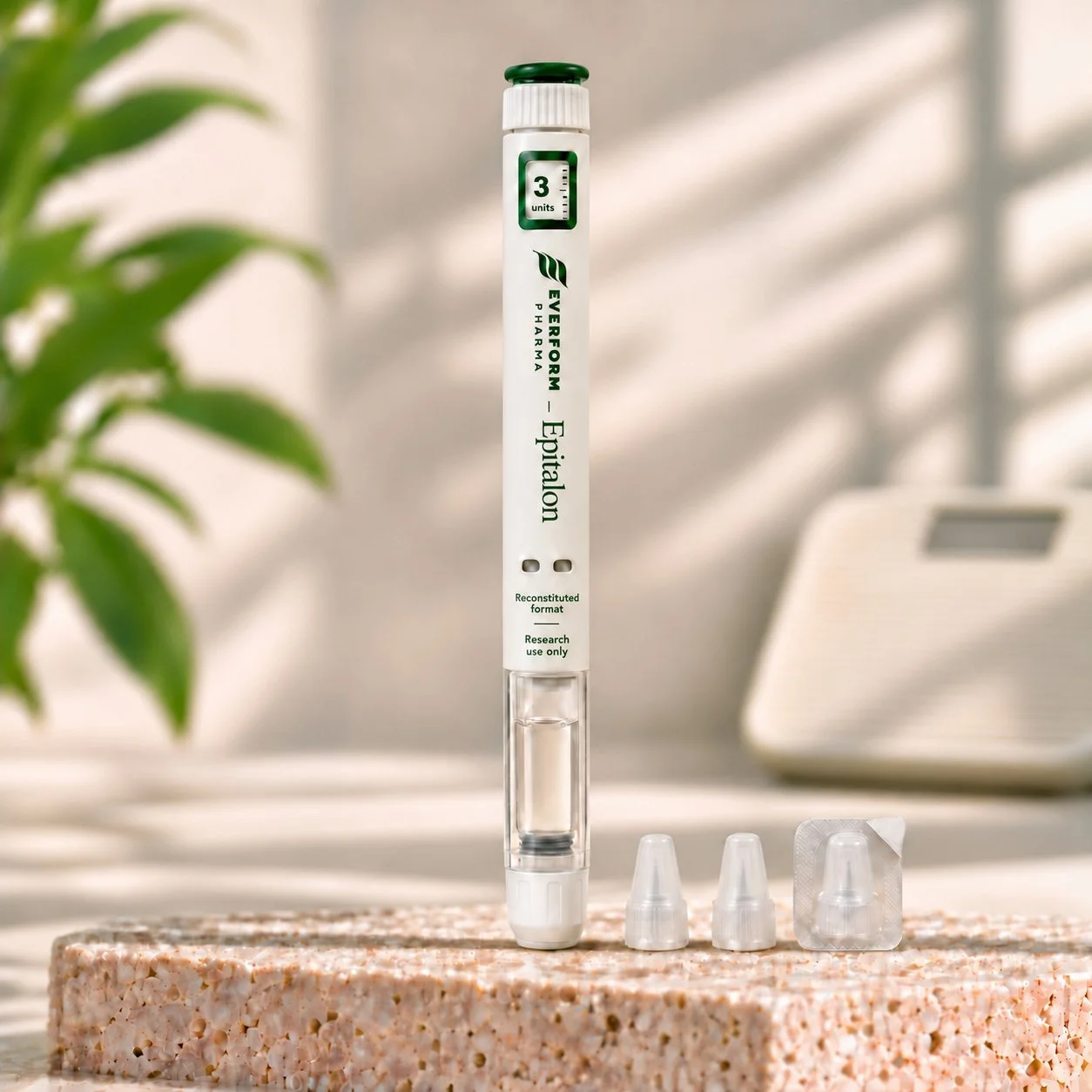
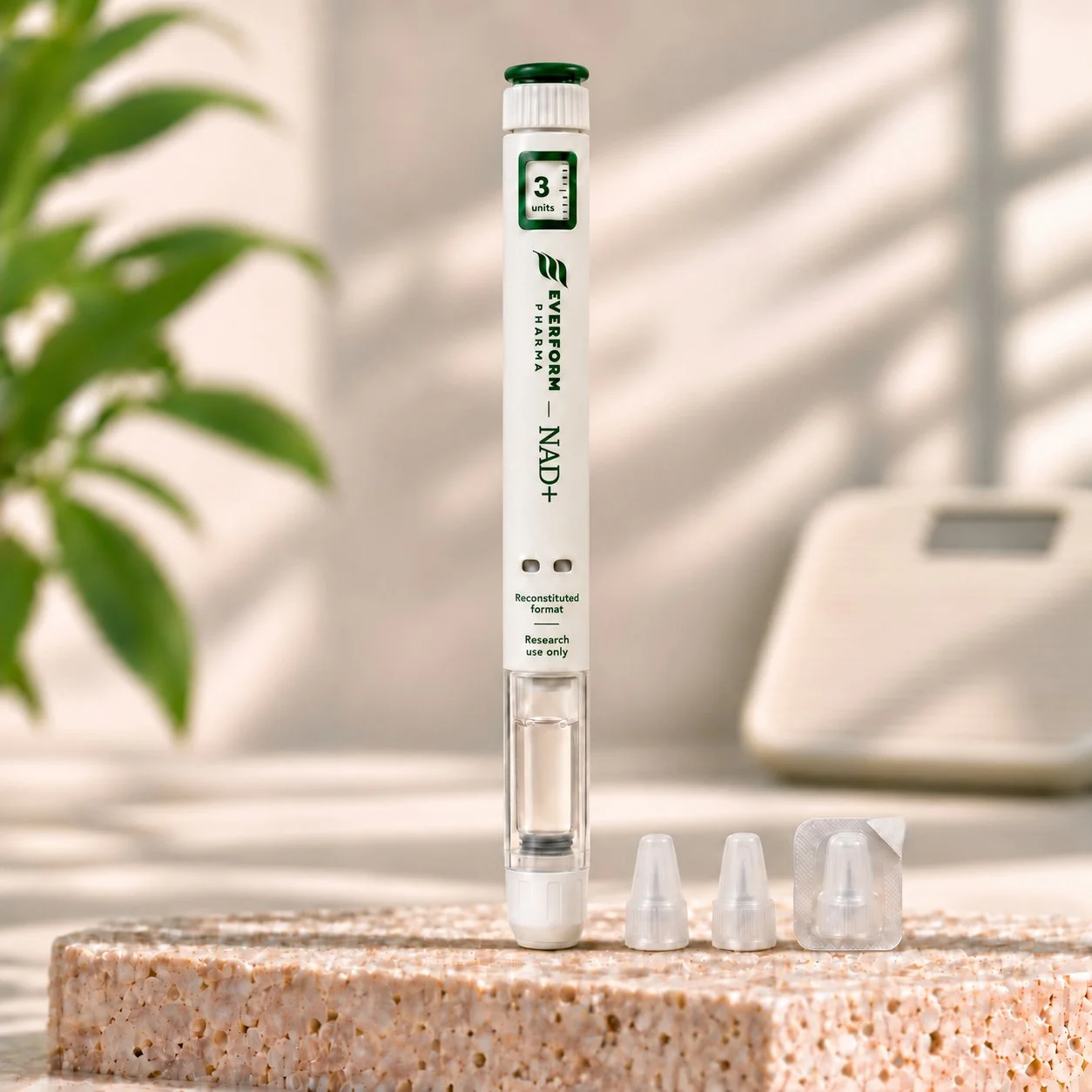
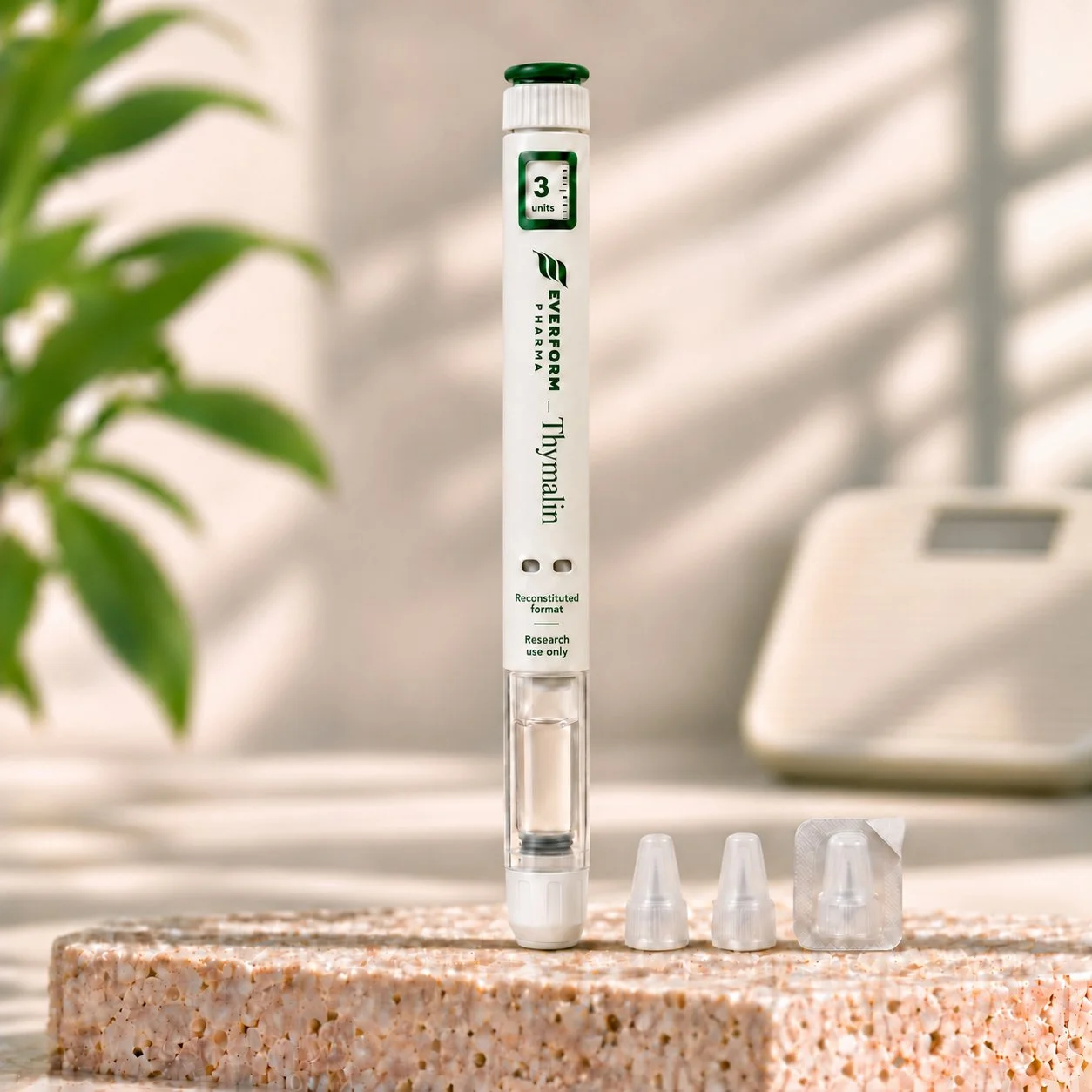
Reconstituted pen
VIETNAM ONLYPeptide solution supplied in a pen at the stated concentration, with pen needles.
For laboratory research only. Not for human or veterinary use.
Everform Pharma · Compound profile
KPV.
Small sequence. Complex signals.
Explore a three-amino-acid peptide at the intersection of inflammatory signalling, intestinal biology and skin research.

What is KPV?
KPV is a tripeptide made from lysine, proline and valine. These amino acids form the final three residues of alpha-melanocyte-stimulating hormone (alpha-MSH), a peptide involved in several biological signalling processes. KPV research explores how this short sequence influences inflammatory responses. [2]
Its best-established research themes include intestinal inflammation and epithelial-cell biology. More recent laboratory work has also examined responses to environmental stress in skin-cell and reconstructed-skin models. These settings provide mechanistic evidence rather than demonstrated treatment outcomes in people. [1] [3]
How it works
In intestinal and immune-cell experiments, researchers linked KPV uptake to PepT1, a transporter that carries small peptides into cells. They observed reduced activation of NF-κB and MAP kinase pathways involved in inflammatory signalling. [1]
Its relationship to alpha-MSH does not mean every effect follows the same receptor pathway. Mouse experiments reported anti-inflammatory activity that appeared at least partly independent of melanocortin-1 receptor signalling. [2]
CELLULAR UPTAKE
Exploring the role of peptide transport in intestinal and immune-cell responses.
INFLAMMATORY SIGNALLING
Examining pathways that regulate cytokine production and responses to cellular stress.
Main research areas
The research spans several experimental approaches. The model and formulation are essential to understanding what each result means.
| Research area | What studies examine |
|---|---|
| Intestinal cell signalling | Peptide uptake, inflammatory pathways and cytokine release in cultured intestinal and immune cells. [1] |
| Experimental colitis | Changes in tissue inflammation and recovery measures in mouse models. [2] |
| Skin-cell stress | Oxidative stress and inflammatory cell injury after particulate-matter exposure in cell and reconstructed-skin models. [3] |
| Targeted delivery | KPV-loaded nanoparticles and hydrogels designed to reach the colon in experimental systems. [4] |
Human-derived cells and reconstructed tissue are laboratory models; they are not clinical trials in people.
What published findings show
Intestinal and immune cells: Dalmasso and colleagues reported reduced inflammatory signalling and cytokine secretion, alongside PepT1-mediated uptake. They also investigated chemically induced colitis in mice. The study connects cellular transport with an experimental anti-inflammatory response; it does not establish human symptom relief. [1]
Mouse colitis: Kannengiesser and colleagues studied two models of intestinal inflammation. Reported findings included reduced inflammatory-cell infiltration and tissue MPO activity, alongside improved recovery measures. Animal results justify further investigation, rather than a claim that KPV treats human inflammatory bowel disease. [2]
Skin models: Sung and colleagues examined human-derived HaCaT keratinocytes and a three-dimensional skin model exposed to fine particulate matter. KPV reduced measures of oxidative stress, inflammatory signalling and cell injury under those laboratory conditions. This does not demonstrate improved skin appearance or protection in people using an Everform product. [3]
Formulation research: Laroui and colleagues loaded KPV into nanoparticles enclosed in a polysaccharide hydrogel, reporting reduced inflammatory measures in a mouse colitis model. The delivery system was part of the experiment. Its findings cannot be transferred unchanged to free peptide powder or a pen format. [4]
The primary studies discussed here are preclinical. They do not establish clinical effectiveness or safety for an Everform KPV vial or pen, or prove treatment benefits for digestive or skin conditions.
The Everform product, at a glance
CompoundKPV
Labelled vial amount10 mg
Base formatLyophilised peptide powder
Supply optionsSee the format guide above
Everform Pharma is based in Da Nang, Vietnam. Select an available supply format using the product options above. Complimentary BAC water is included with every order.
Explore Your format, your way →
The full REF on the product should match the relevant documentation. The security sticker repeats that product identifier and should match the vial or pen; it is not a separate new ID. Follow the storage conditions and expiry information on the actual label.
Read identity, chromatographic purity and measured peptide content as separate results. A purity percentage alone does not establish the amount per vial. Matching molecular mass alone also cannot distinguish every possible sequence or structural variant.
Common questions
What does KPV stand for?
The one-letter amino-acid codes are K for lysine, P for proline and V for valine. Together they describe the tripeptide’s sequence. [1]
Is KPV the same as alpha-MSH?
No. It corresponds to the final three residues of the longer alpha-MSH peptide. A short fragment should not be assumed to reproduce every action of its parent molecule. [2]
Do studies using human cells count as human clinical trials?
No. Human-derived cells studied outside the body are laboratory models. They do not establish outcomes in people.
Are nanoparticle studies equivalent to research with this vial?
No. The carrier, formulation and experimental setting can change peptide delivery. A specially engineered nanoparticle system is not the same formulation as a vial of lyophilised powder. [4]
Does 10 mg describe a recommended dose?
No. It is the labelled peptide amount in the vial, not a dose or an administration instruction.
How should I check the product identifier?
Match the full REF on the vial or pen with the security sticker and relevant documentation. The sticker repeats the identifier. Follow the actual product label for storage and expiry.
References
Everform Pharma · Da Nang, Vietnam
Educational product information.
For laboratory research only.
Not for human or veterinary use.