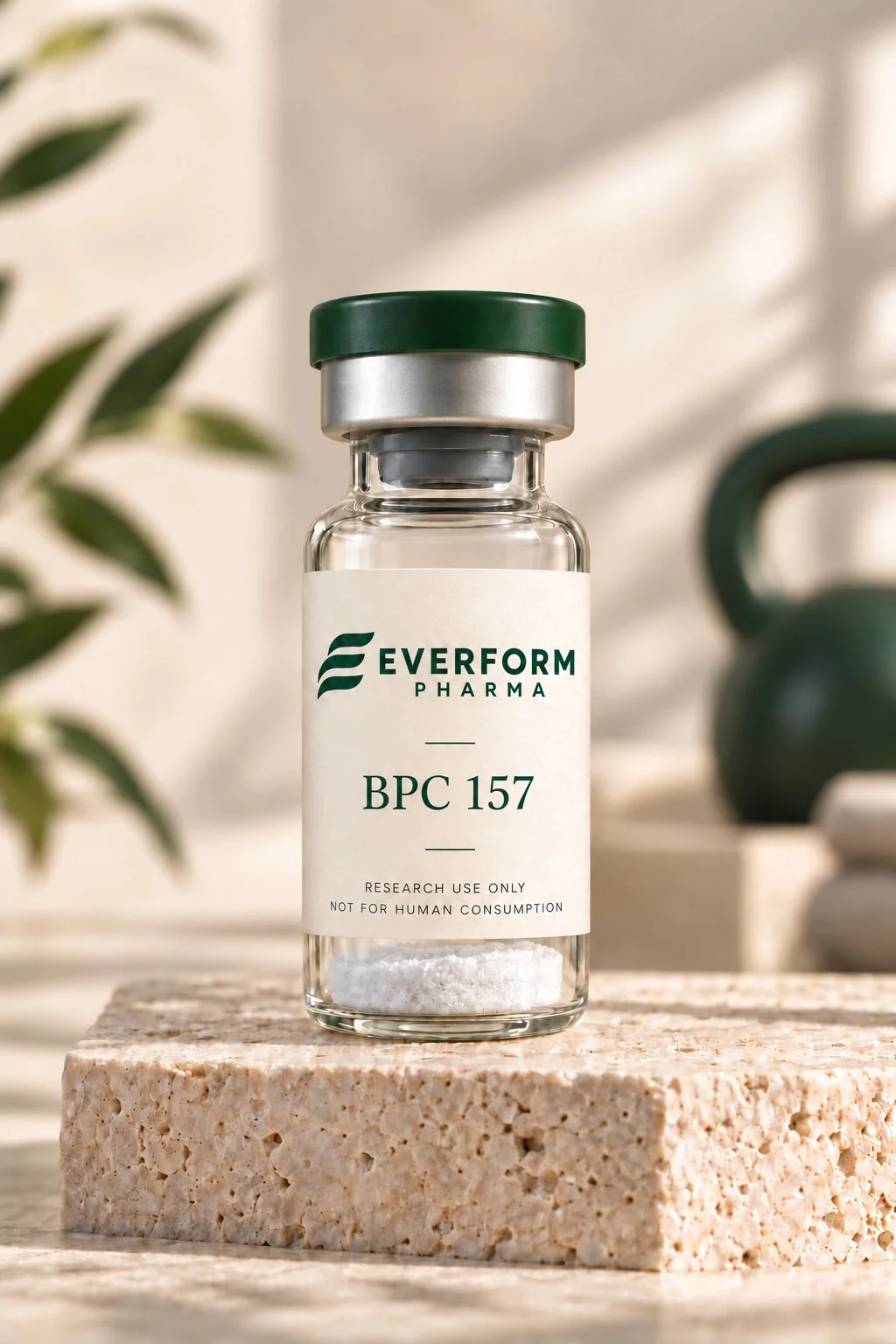
 Image 1 of 4
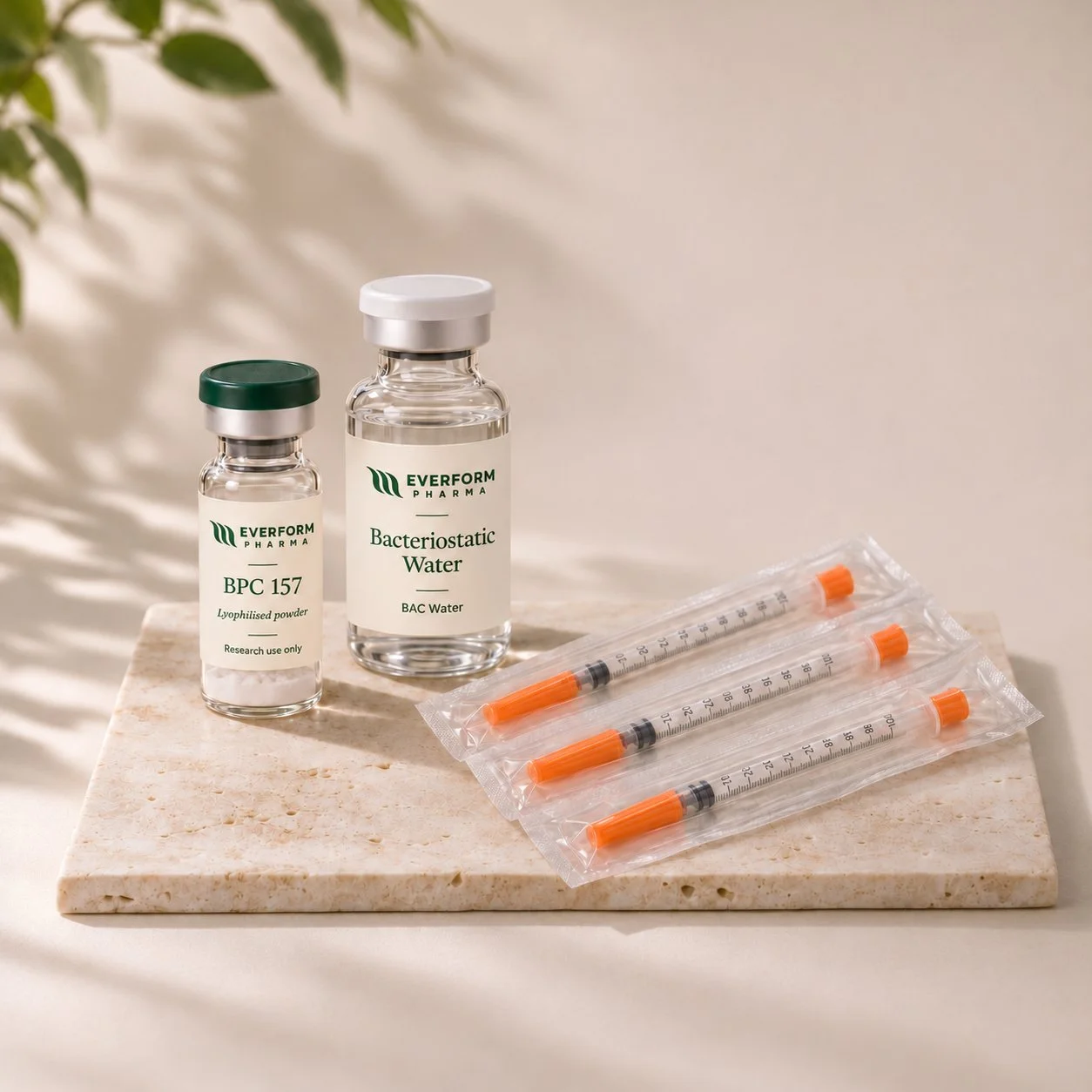 Image 2 of 4
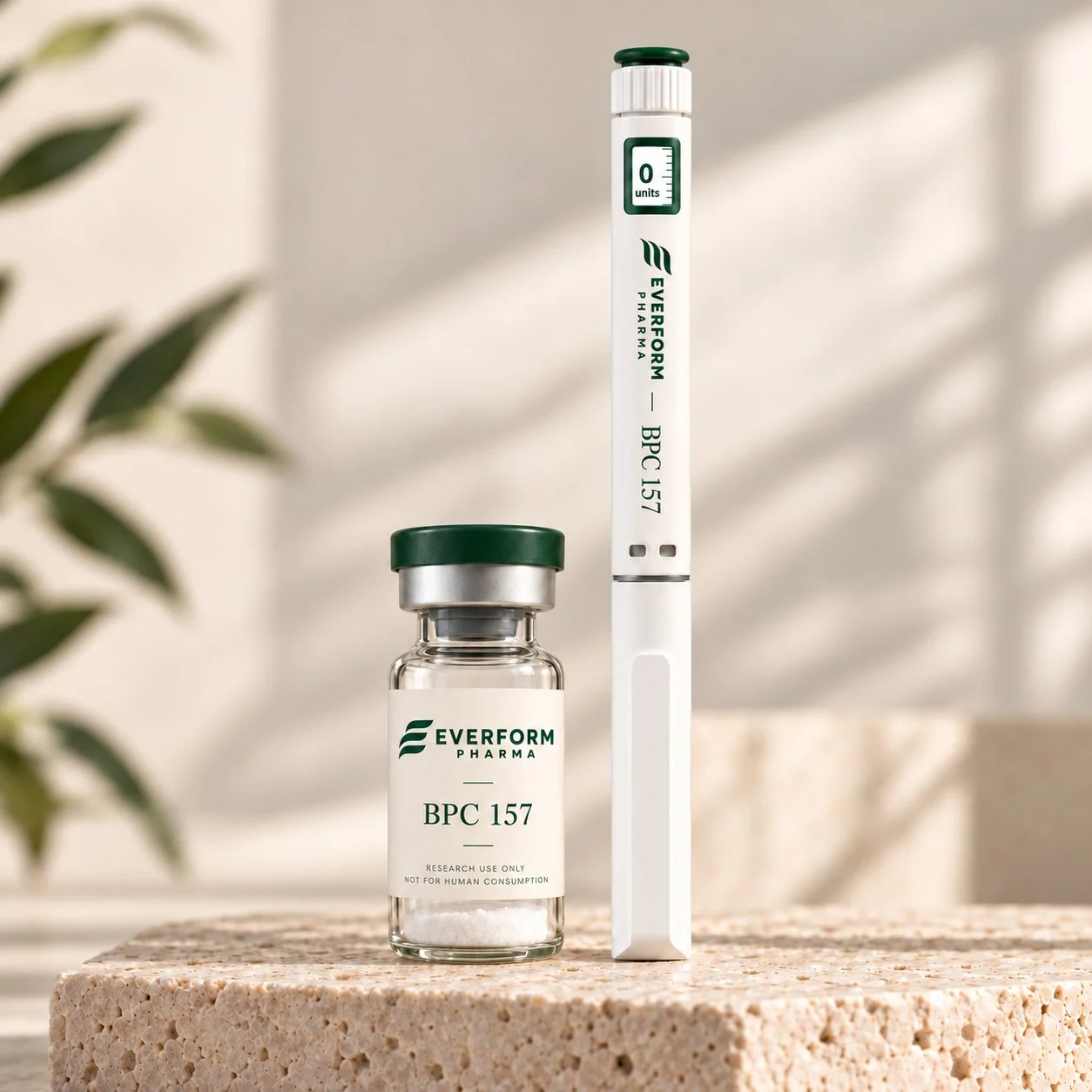 Image 3 of 4
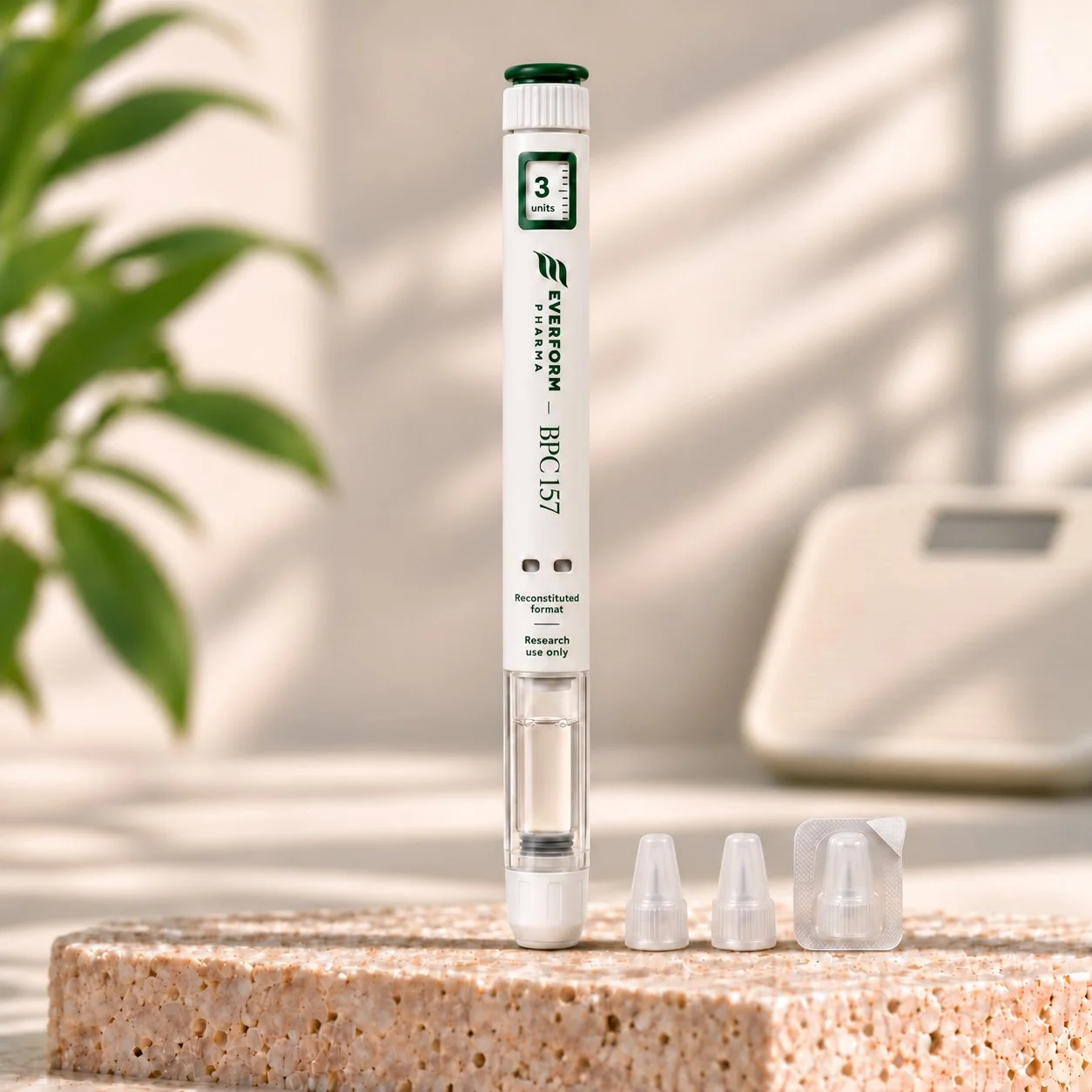 Image 4 of 4
Packaging & supply options
Your format, your way.
The same research peptide, with a choice of accessories and supply formats. Here’s what each option includes.
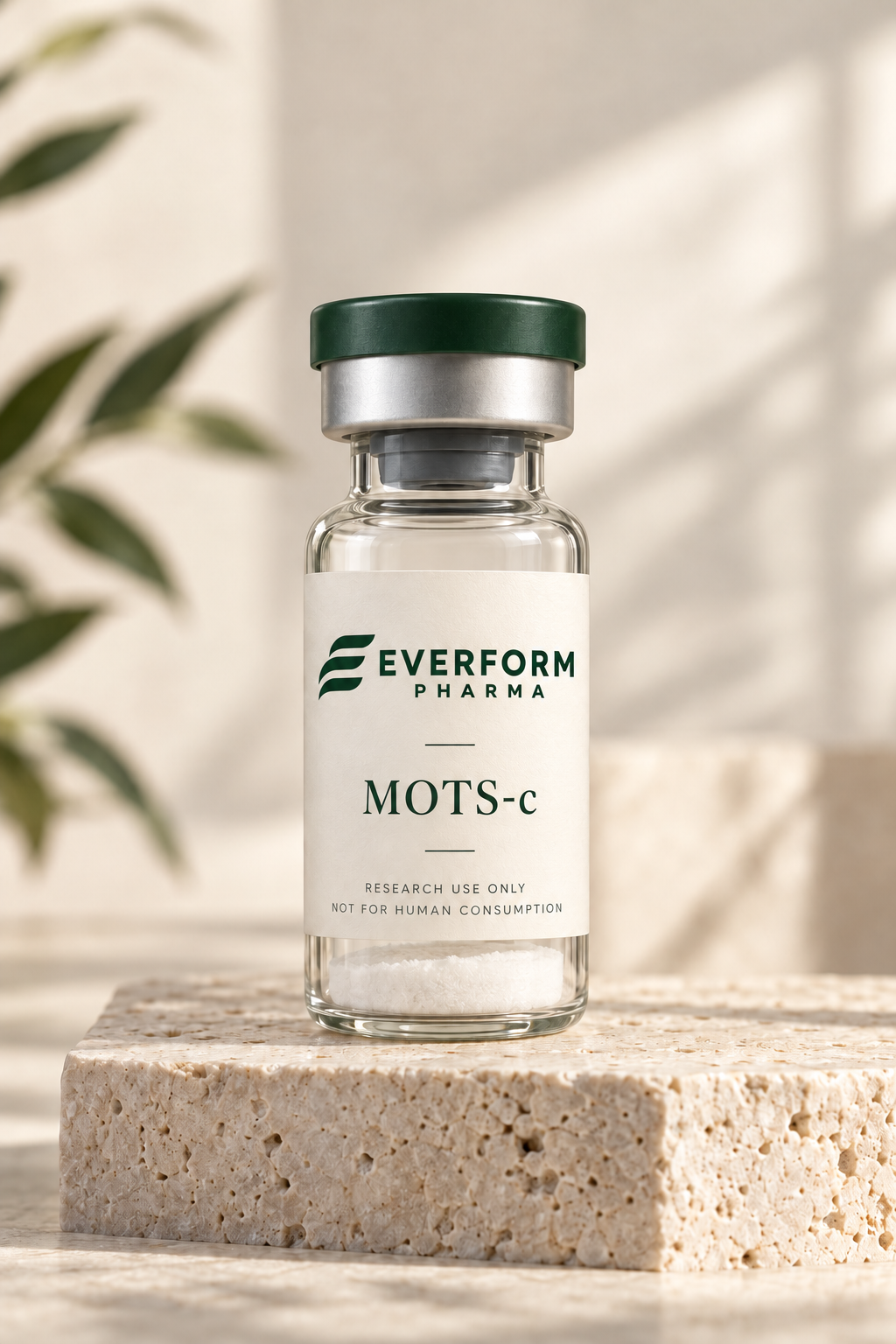
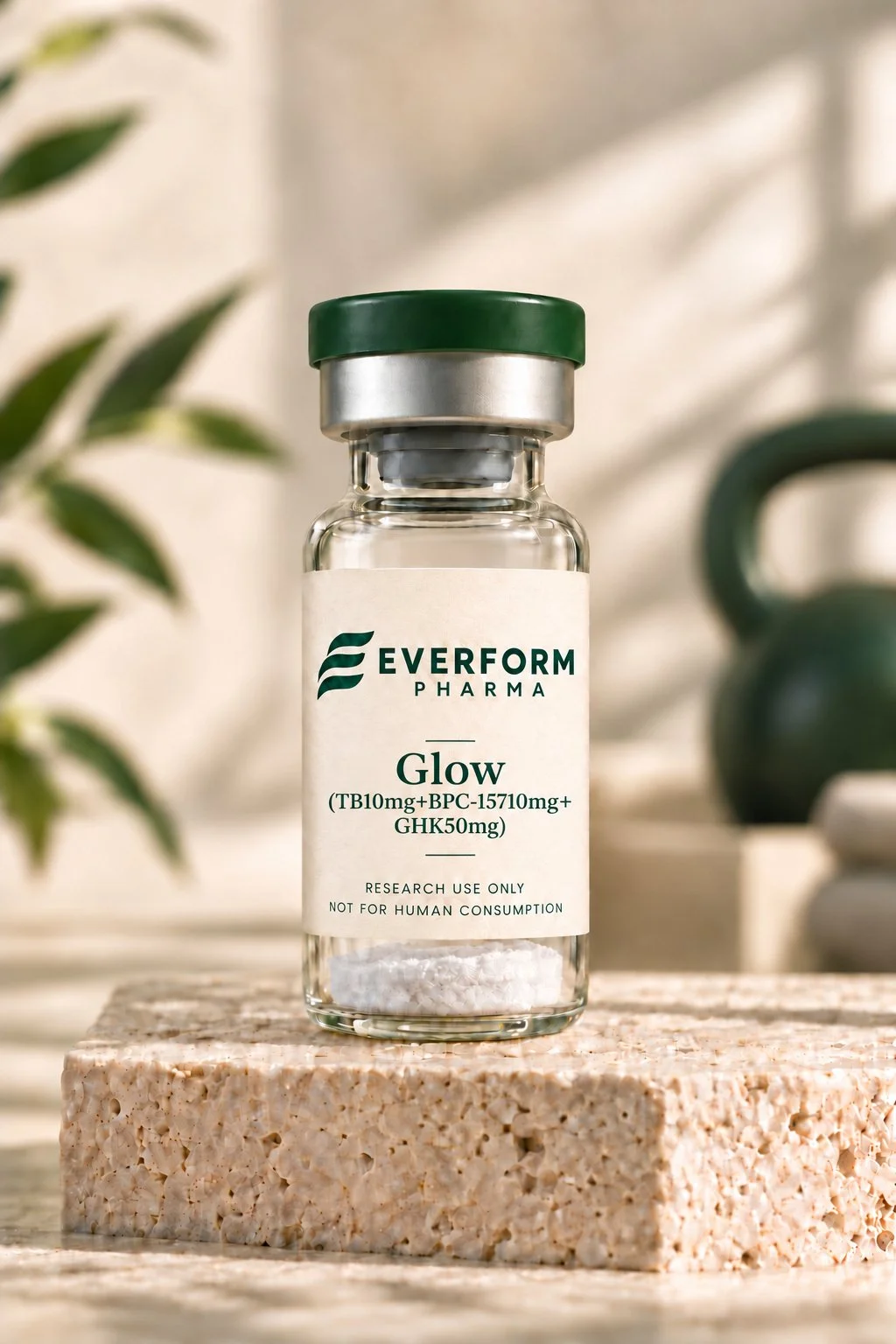
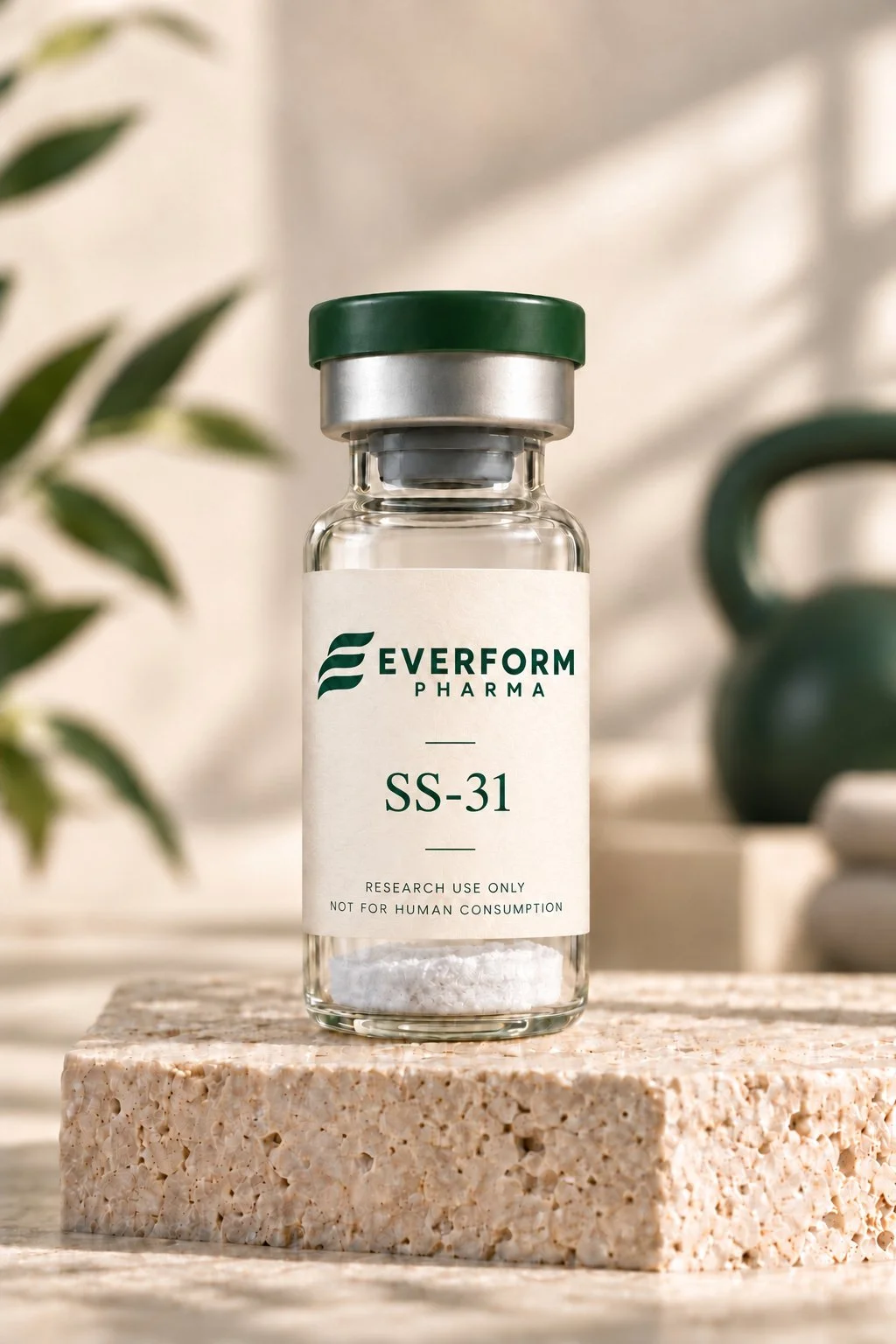
BAC water
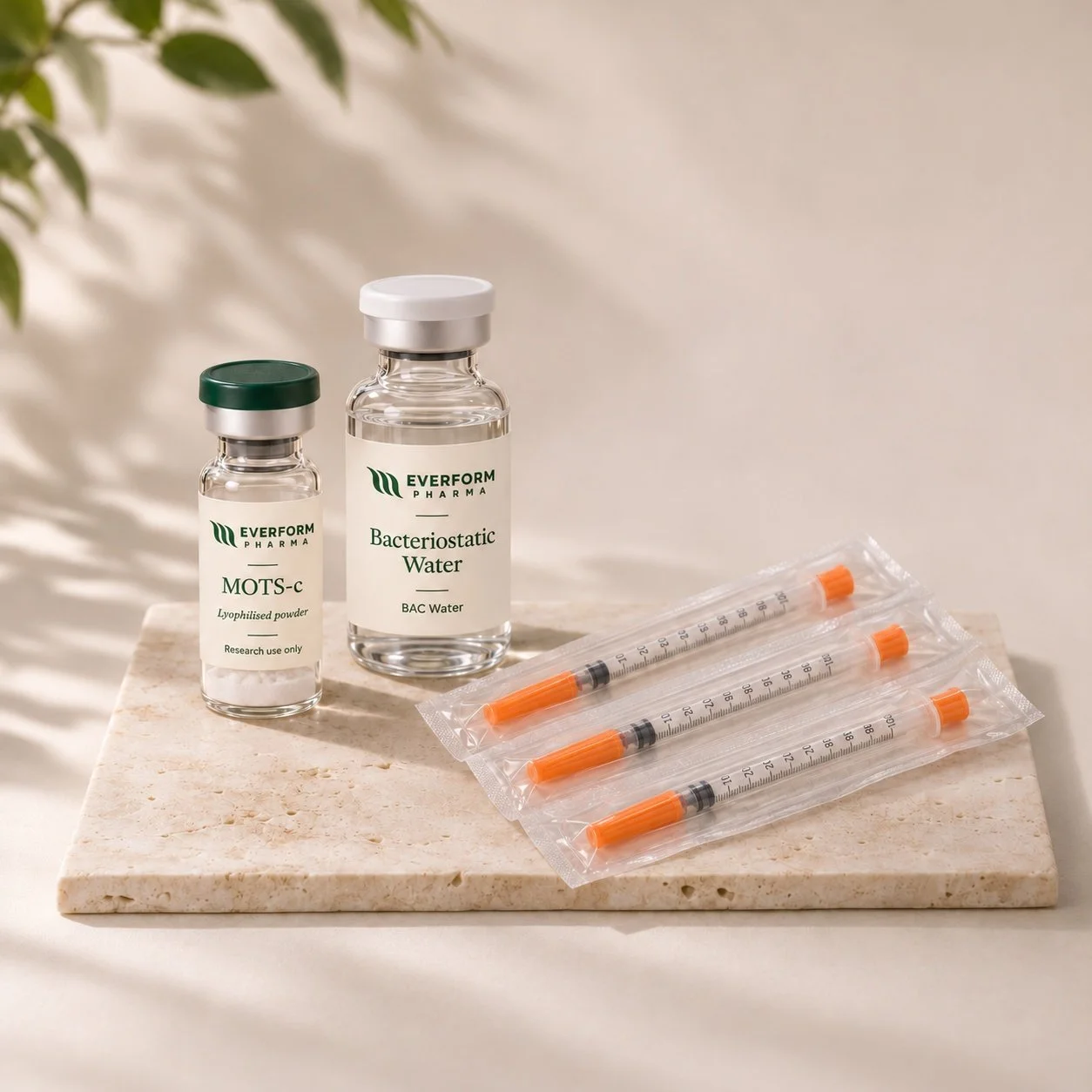
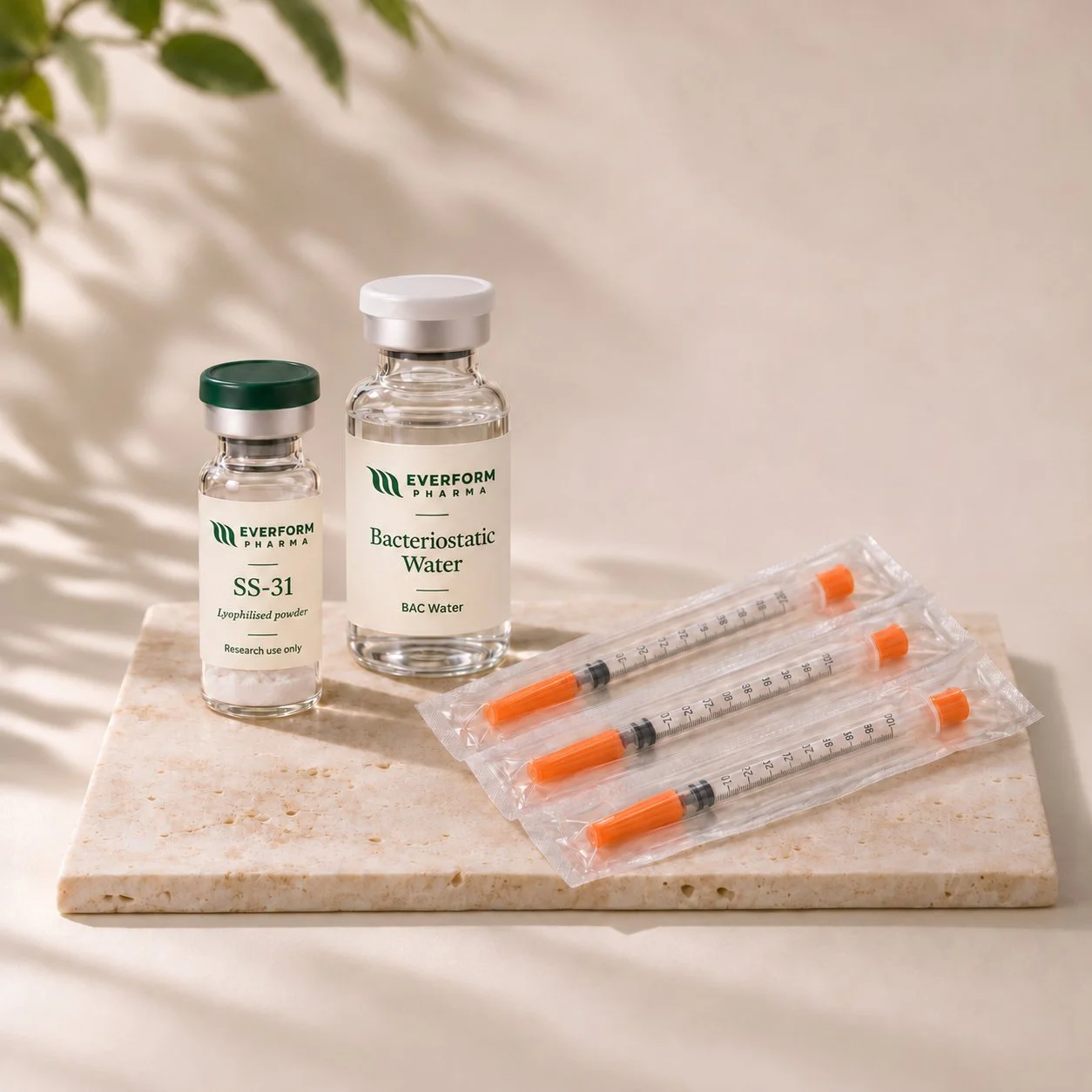
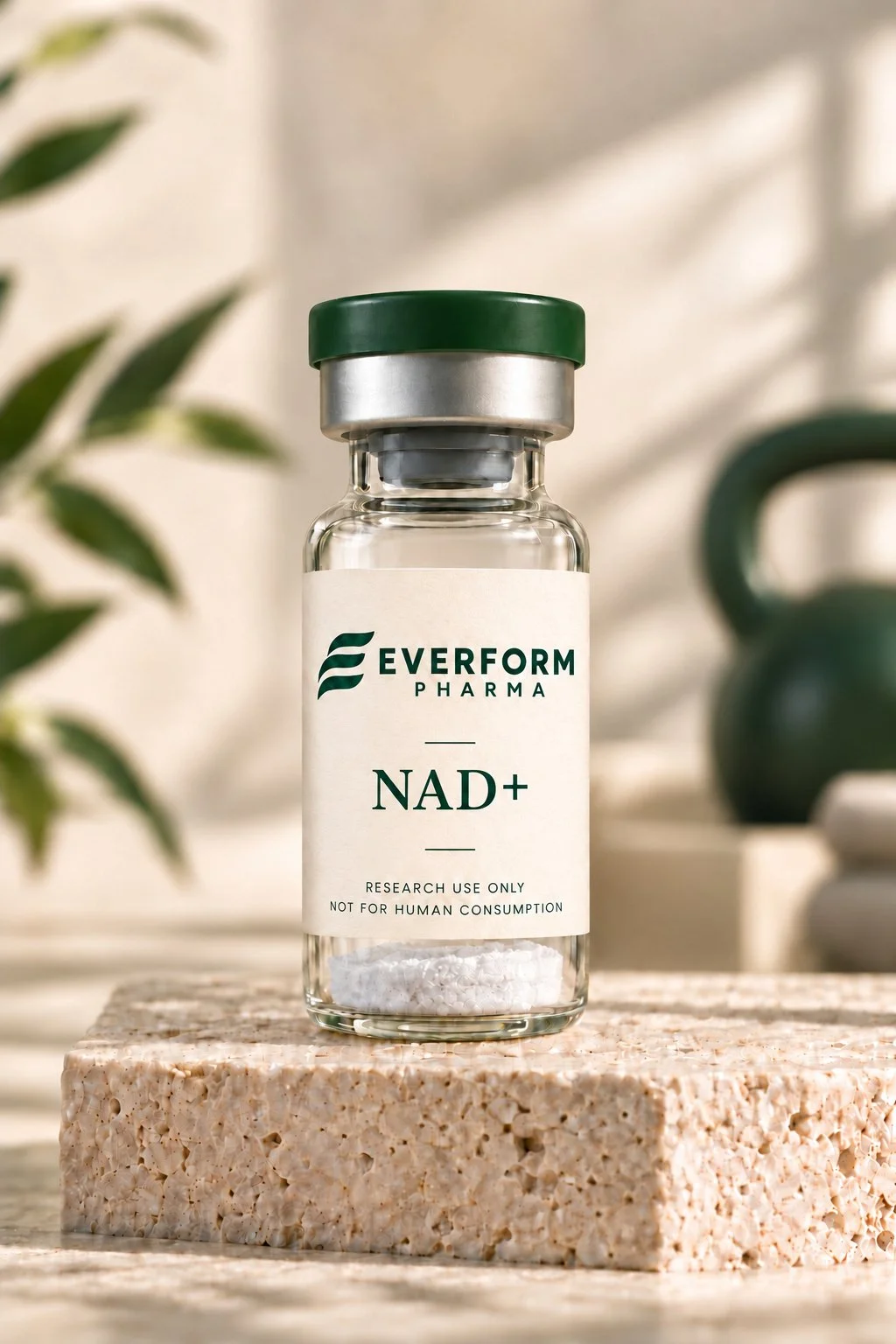
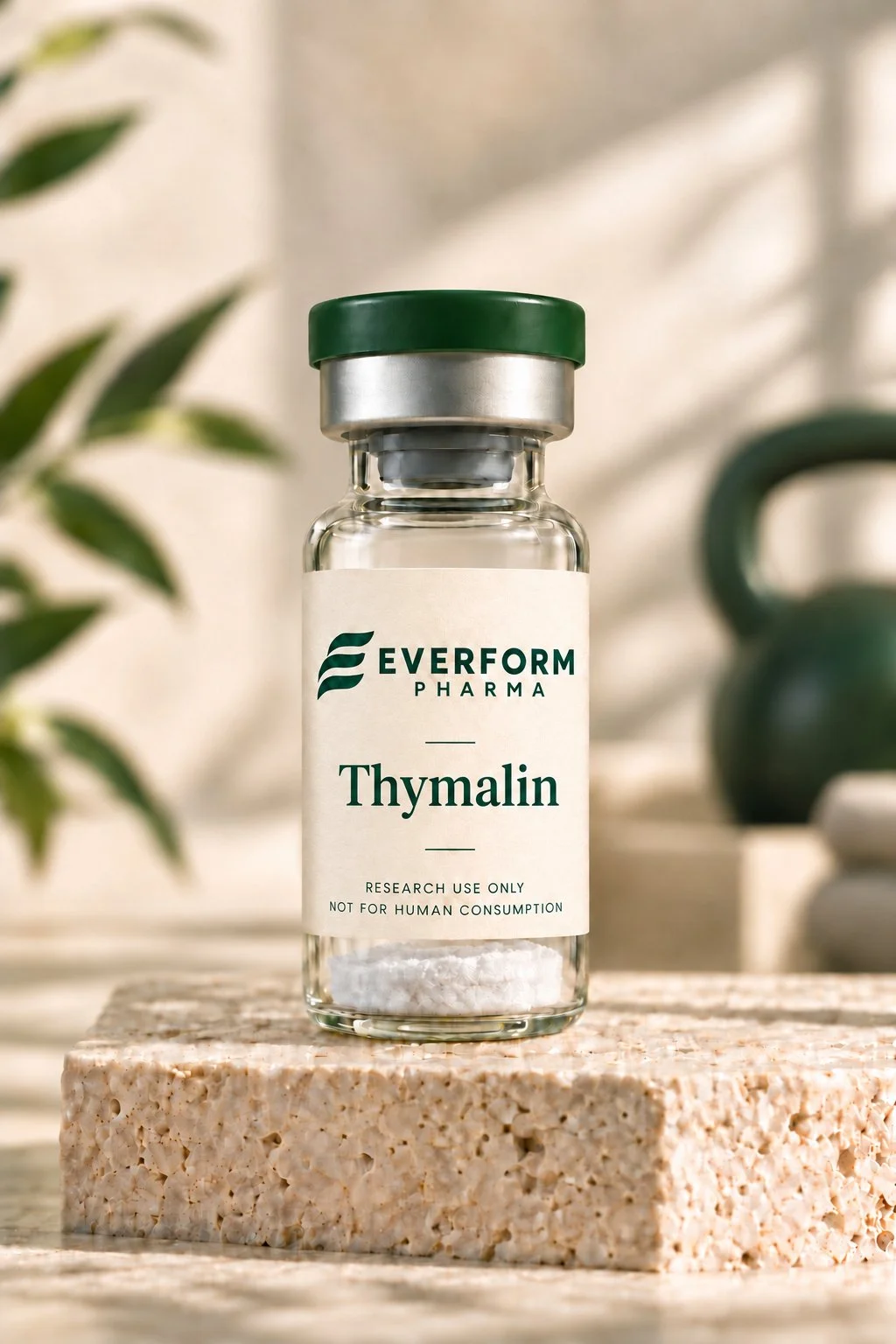
Vial kit
Lyophilised peptide vial with separately packaged, complimentary BAC water.
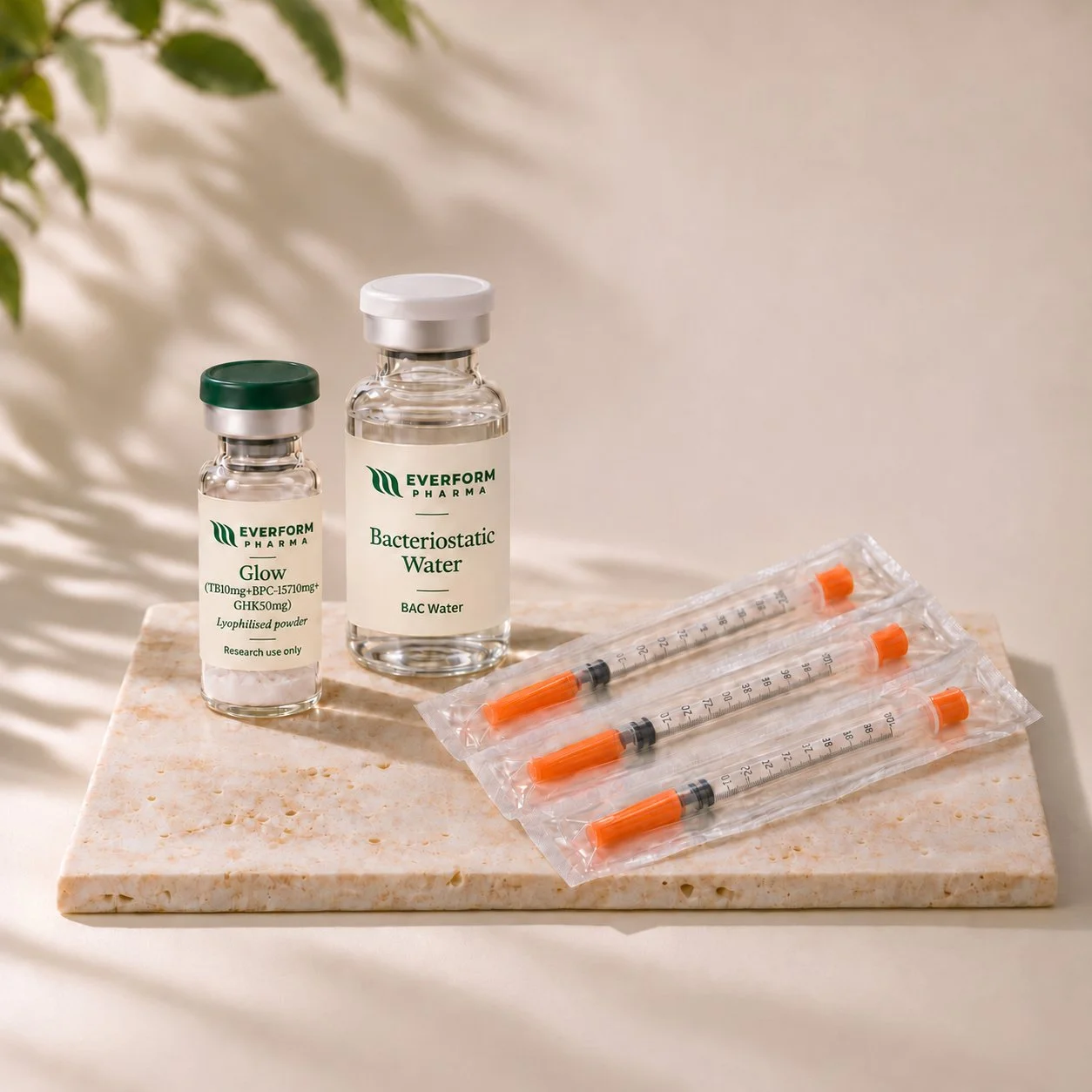
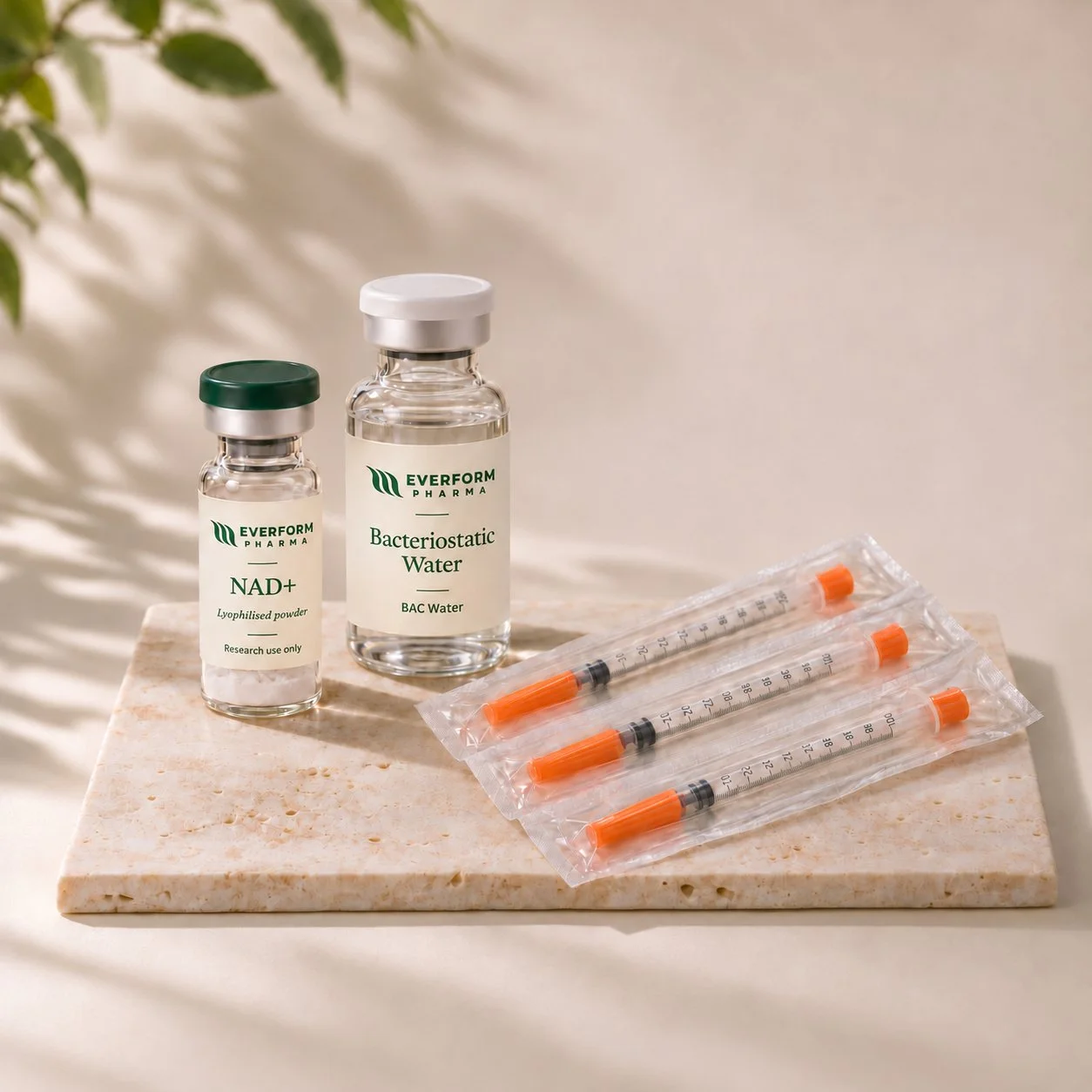
BAC water + syringes
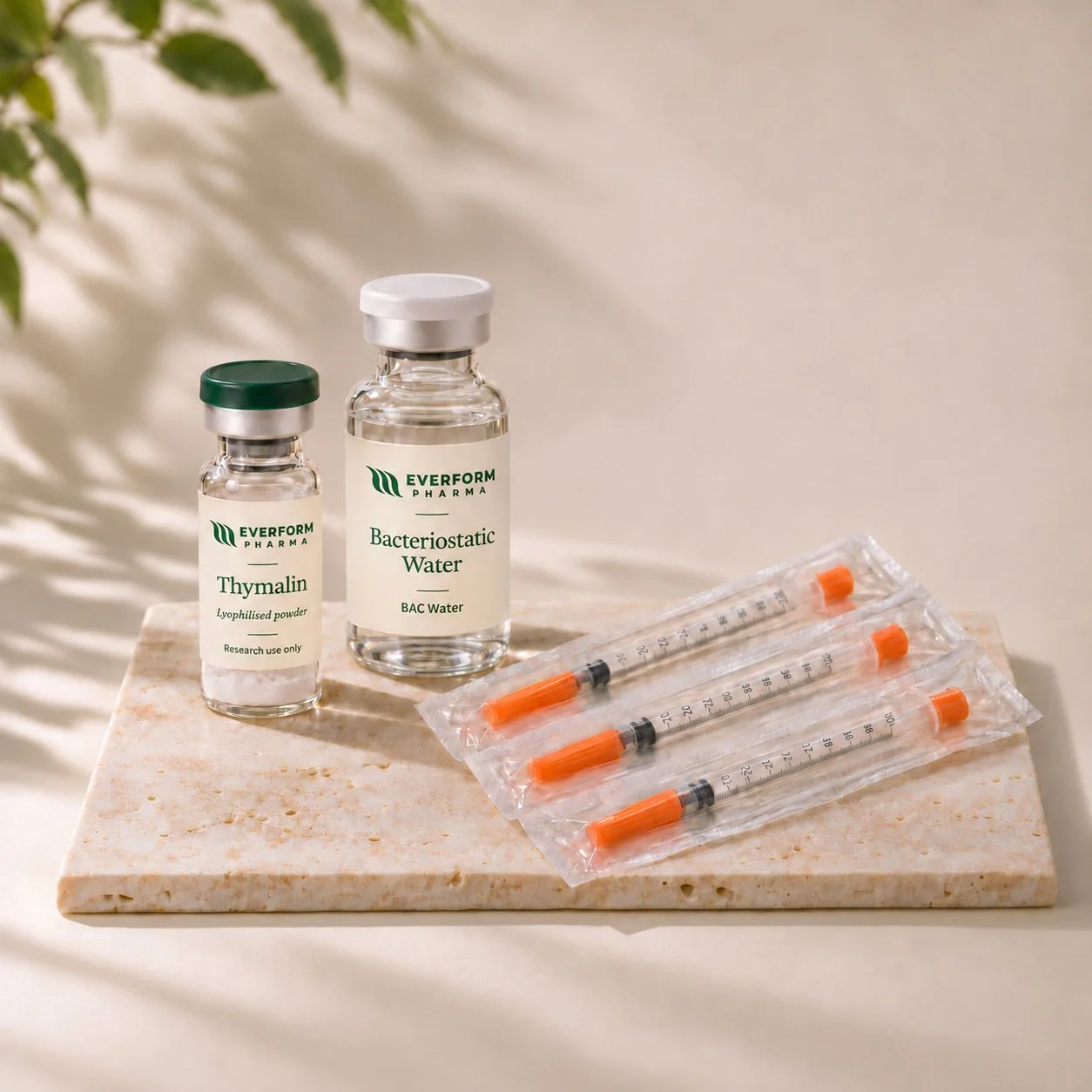
Syringe kit
Lyophilised peptide vial, BAC water and syringes.
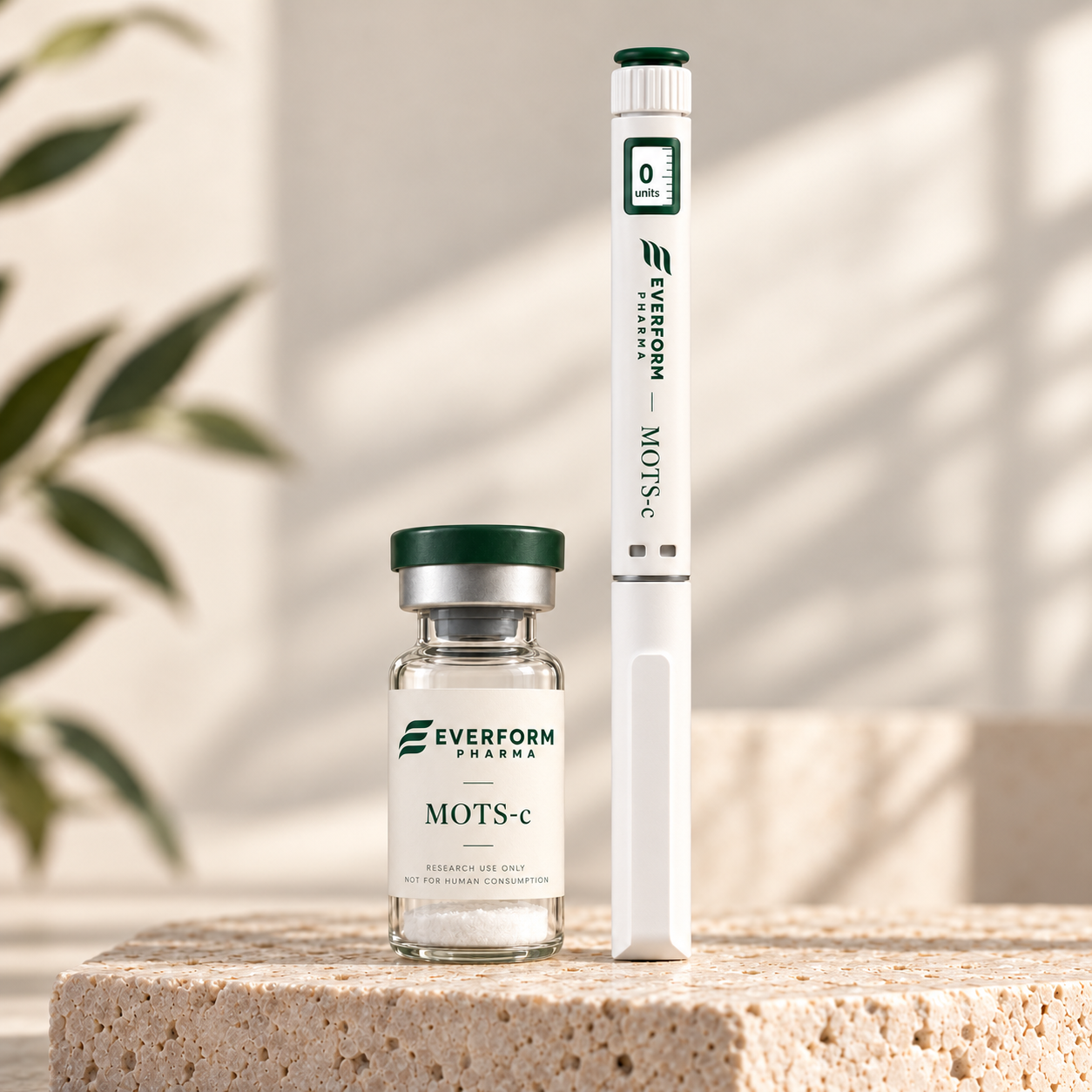
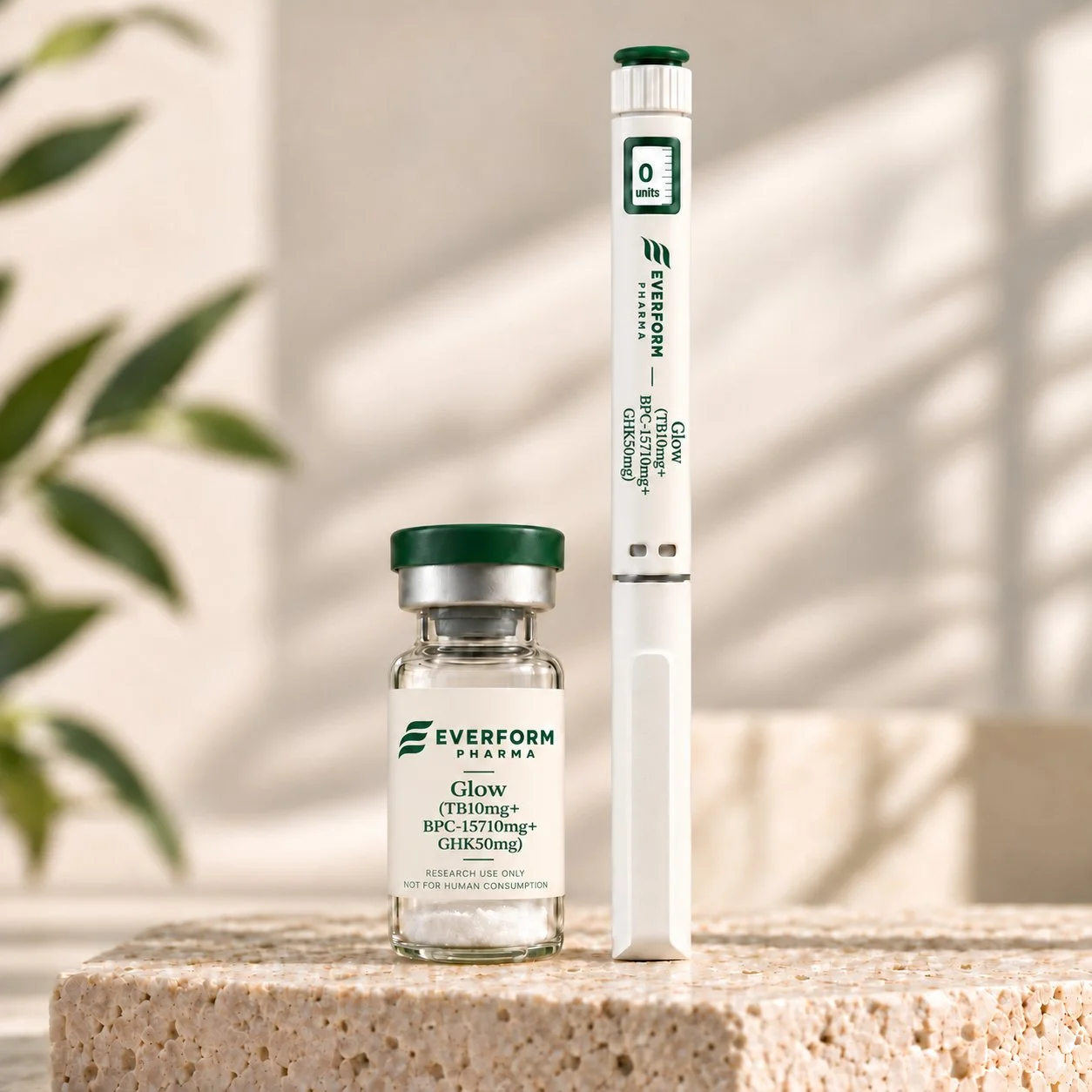
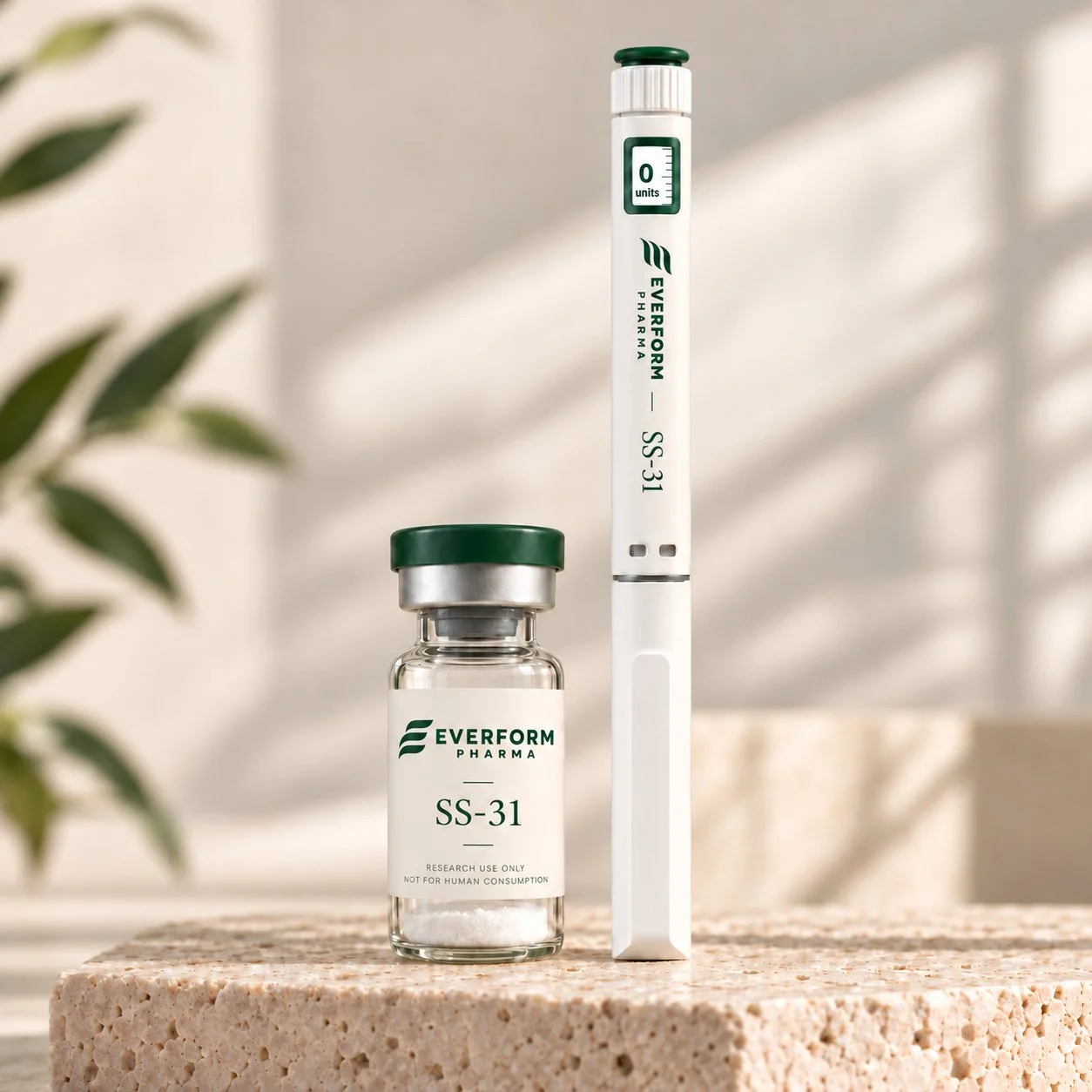
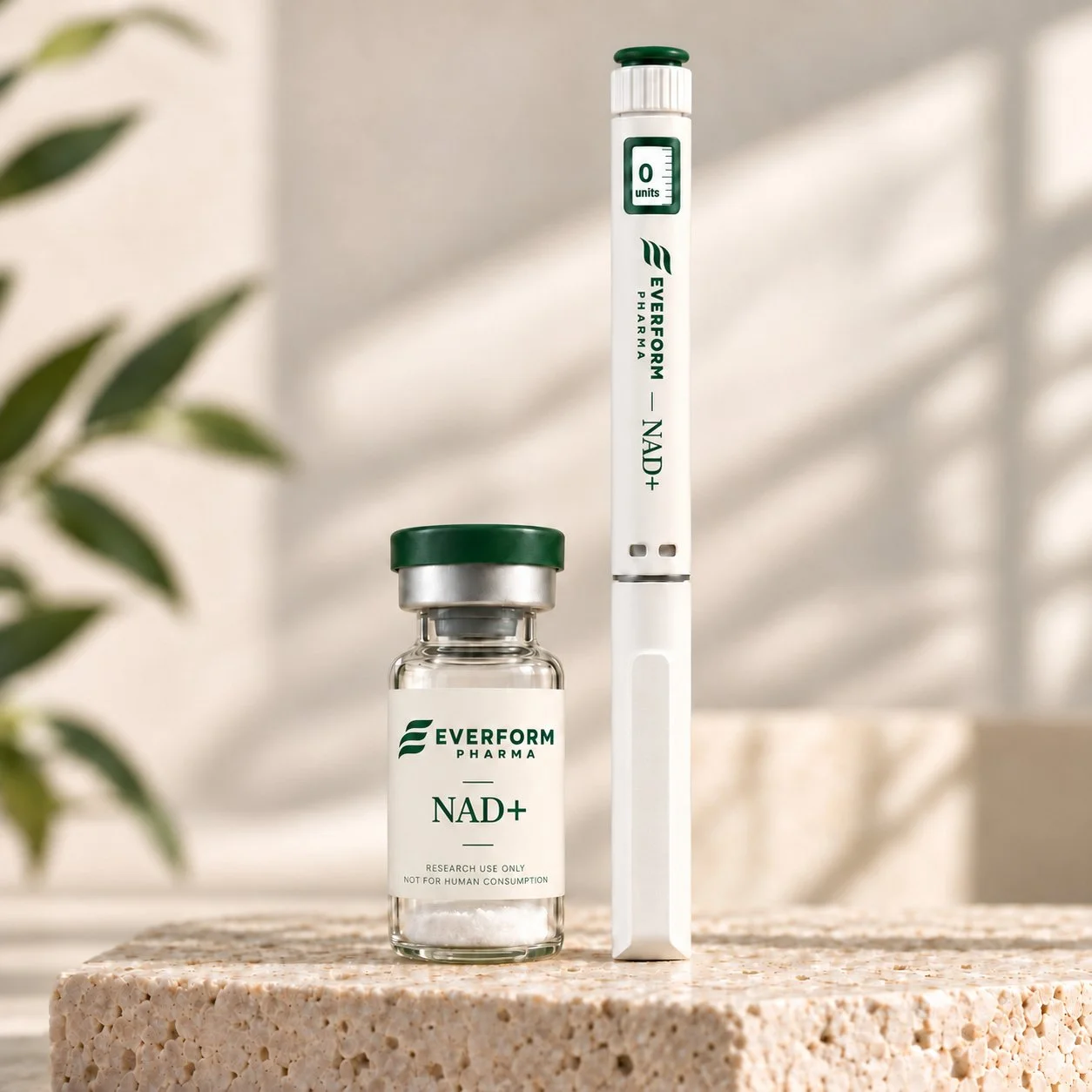
BAC water + pen
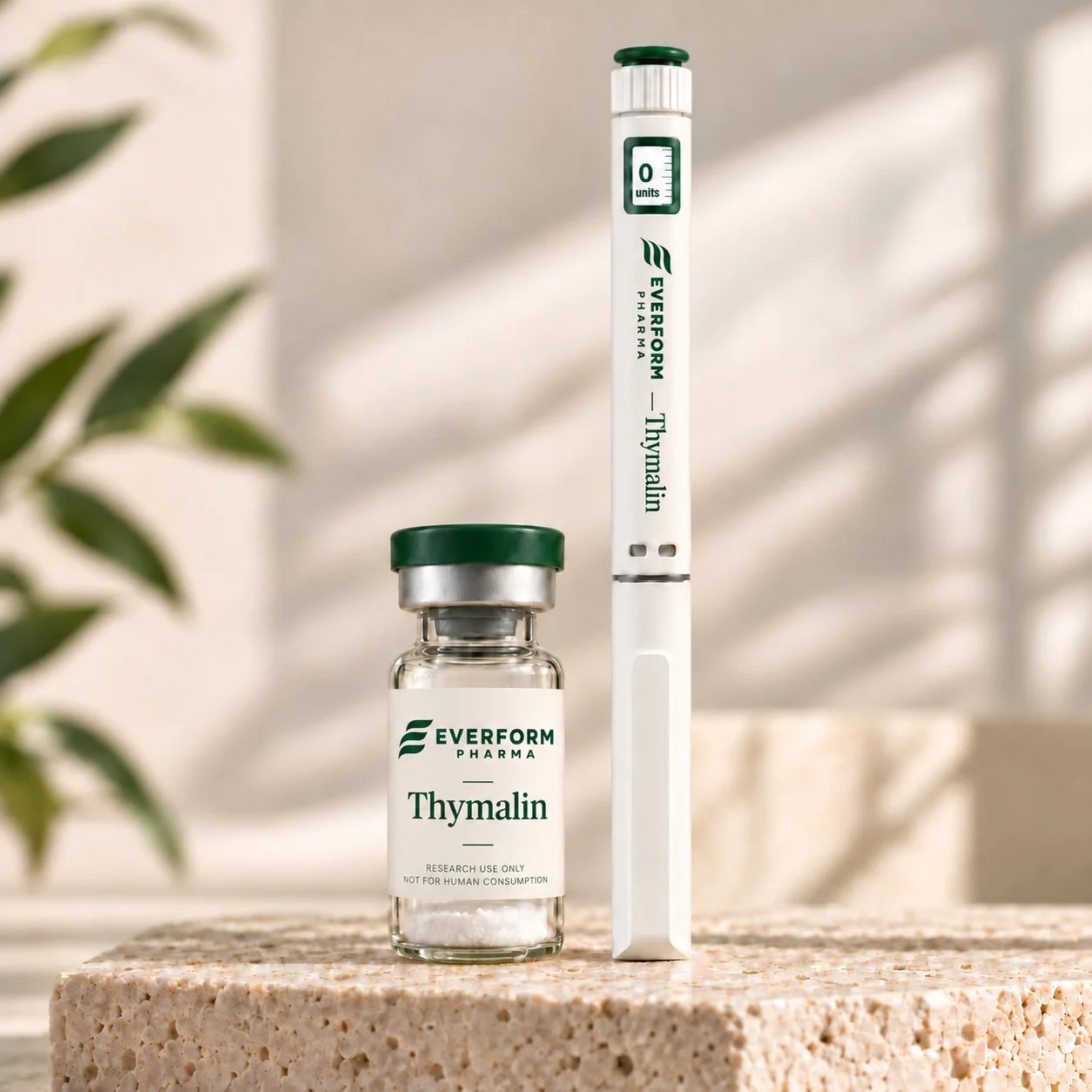
Injection pen kit
Lyophilised peptide vial, BAC water and an injection pen.
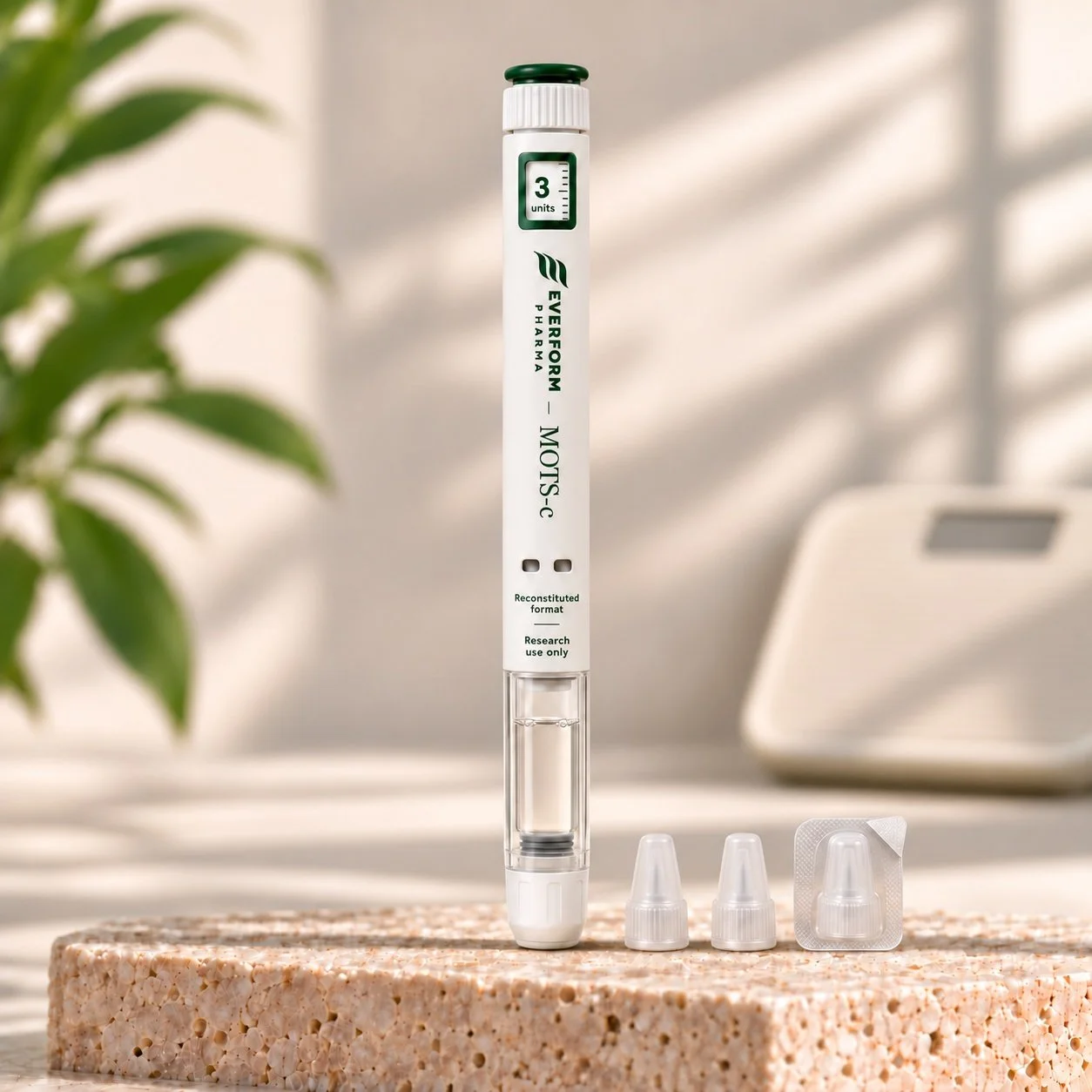
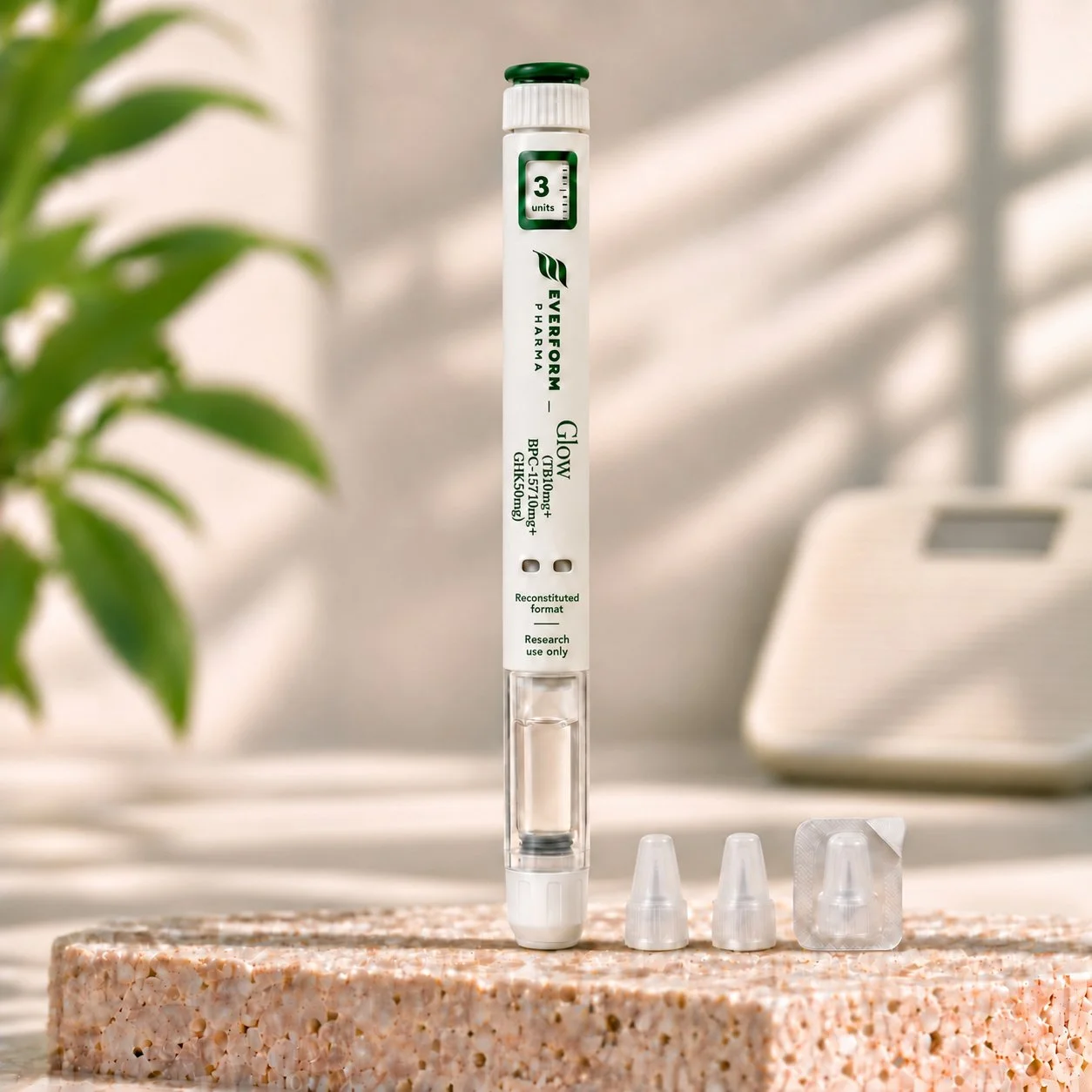
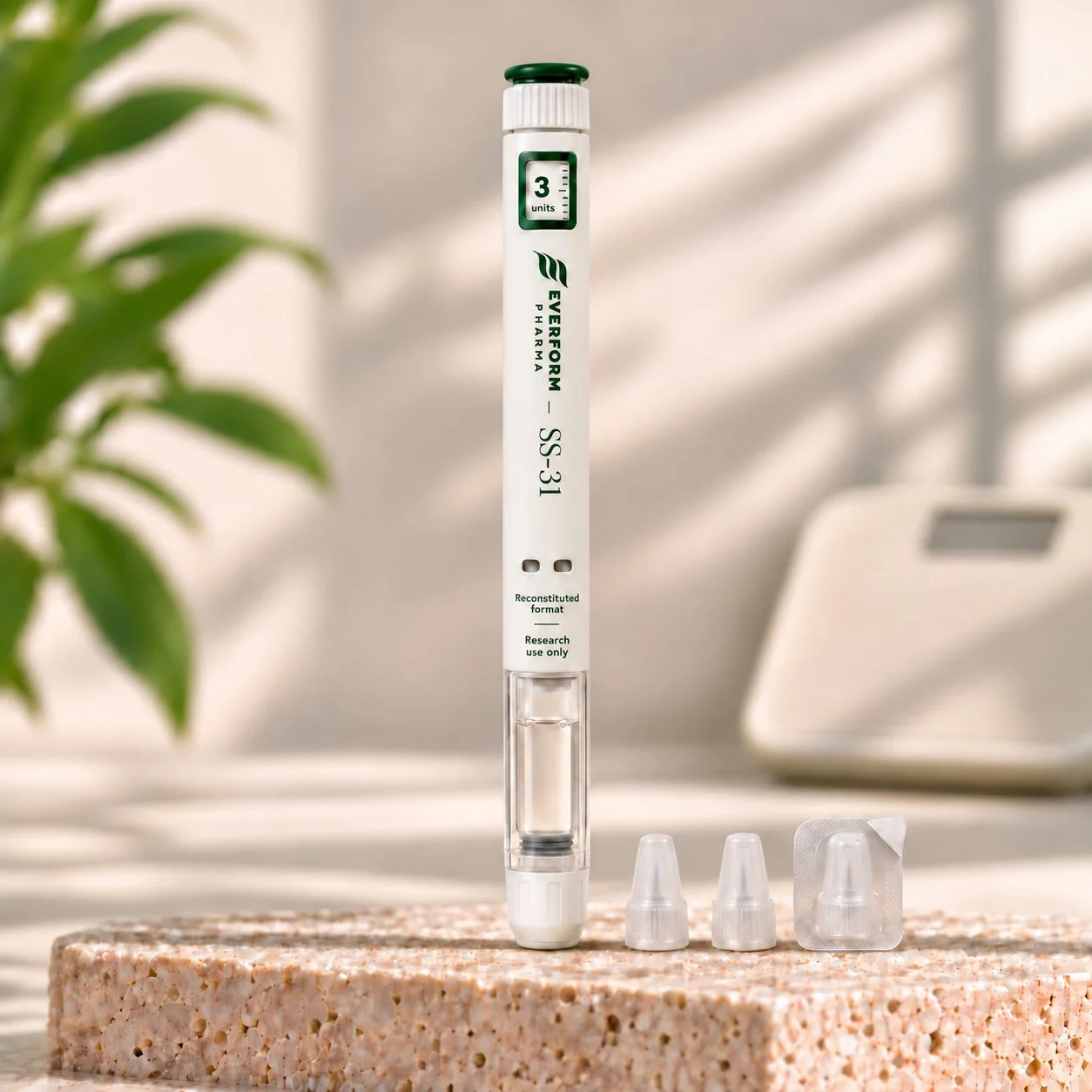
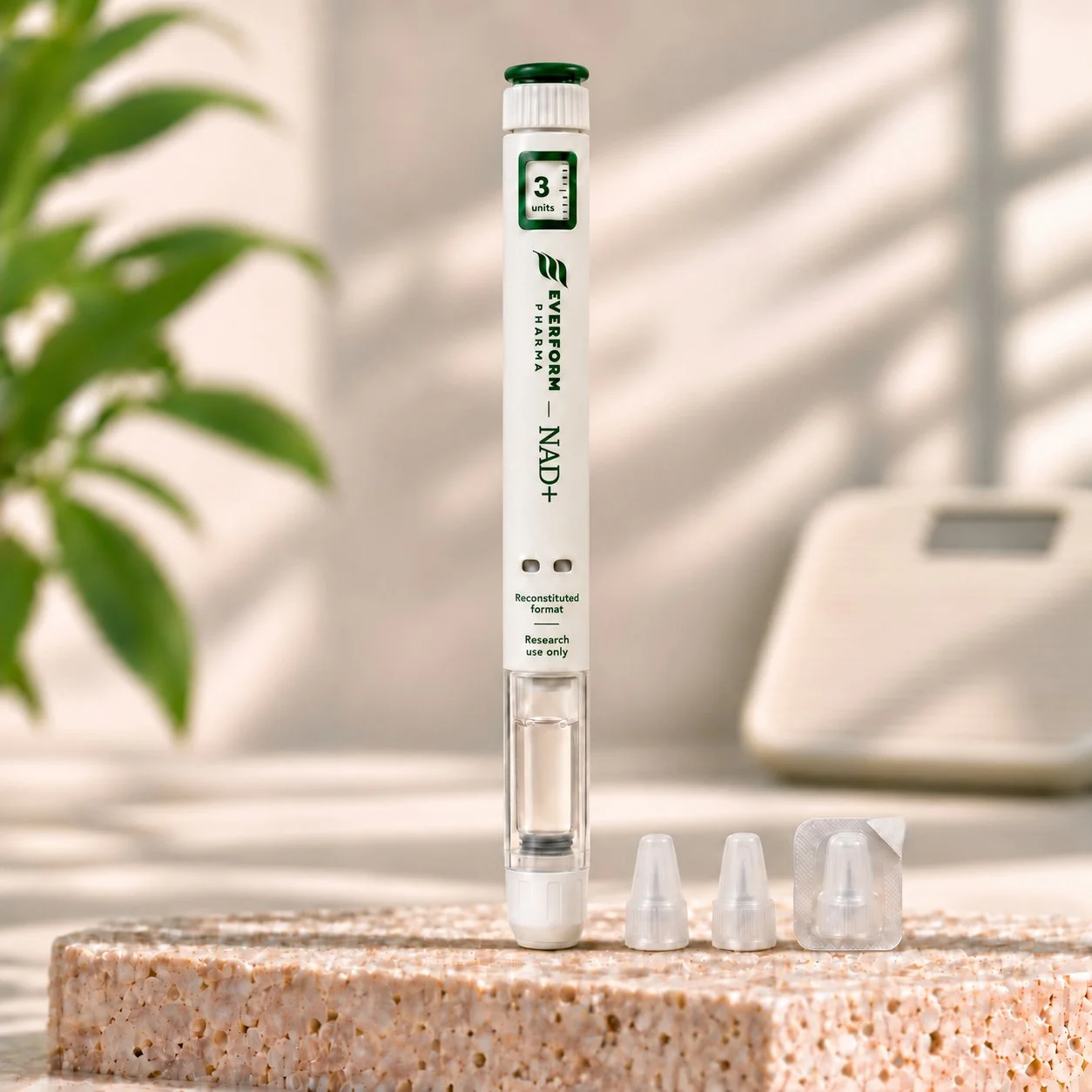
Pen + pen needles
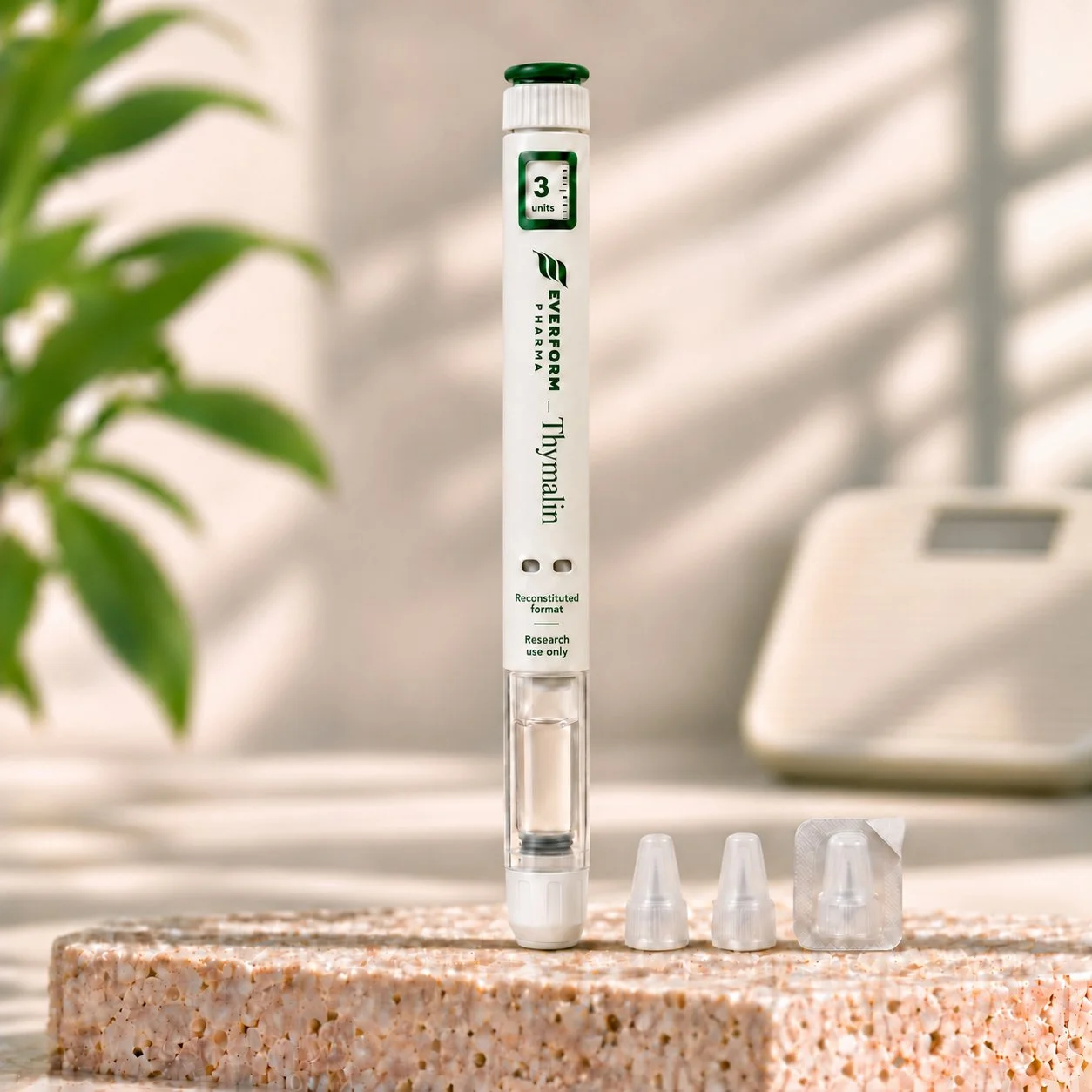
Reconstituted pen
VIETNAM ONLYPeptide solution supplied in a pen at the stated concentration, with pen needles.
For laboratory research only. Not for human or veterinary use.
Everform Pharma · Compound profile
BPC 157.
A closer look at repair.
Explore tendon biology, vascular signalling and the research behind this widely discussed peptide.

What is BPC 157?
BPC 157 is a synthetic peptide made from 15 amino acids. Its name is associated with “body protection compound”, and it has been investigated in experimental models of tissue injury and repair. Tendon research is one of the clearest starting points for understanding its scientific profile. [1] [2]
Researchers are interested in how cells move, survive stress and organise the environment around an injury. These questions connect BPC 157 with tendon biology, blood-vessel signalling and gastrointestinal research.
How does BPC 157 work?
There is no single established human mechanism that explains every claim made about BPC 157. Instead, laboratory studies examine several related processes.
In rat tendon-cell and tissue experiments, BPC 157 increased cell migration and outgrowth from tendon explants. The researchers linked these responses to FAK–paxillin signalling, which helps coordinate cell adhesion and movement. [1]
A separate study investigated VEGFR2, a receptor involved in blood-vessel signalling, using endothelial cells and animal models. This work connects BPC 157 with research into vascular responses after injury. [3]
CELL MOVEMENT
Examining how tendon-related cells migrate, spread and respond to stress.
VASCULAR SIGNALLING
Exploring receptor pathways involved in blood-vessel formation and tissue blood supply.
Main research areas
These themes explain why BPC 157 appears so often in discussions of tissue repair. The type of study remains essential to interpreting each finding.
| Research area | What studies examine |
|---|---|
| Tendon biology | Cell movement, tissue organisation and mechanical recovery in rat tendon experiments. [1] [2] |
| Vascular responses | VEGFR2 activity and angiogenesis in endothelial-cell and animal models. [3] |
| Gastrointestinal tissue | Blood flow and tissue injury in experimental rat colitis and intestinal ischaemia models. [4] |
| Joint symptoms | Patient-reported knee-pain changes in a small retrospective human study. [5] |
These are research topics, not guaranteed benefits or treatment indications for an Everform product.
What published findings show
Cell and tissue studies: Chang and colleagues reported greater tendon-explant outgrowth and tendon-fibroblast migration, with improved cell survival under an oxidative-stress condition. Cell proliferation was not directly increased in their assay. These distinctions help explain what the experiment actually measured. [1]
Animal tendon research: A study of surgically injured Achilles tendons in rats reported improvements in mechanical, functional and tissue-structure measures. It provides a preclinical basis for further investigation, rather than a human recovery timetable. [2]
Gastrointestinal research: Duzel and colleagues examined BPC 157 in rat models involving colonic blood-flow disruption and injury. The reported vascular and tissue responses are specific to those experimental conditions; they are not proof of treatment benefit for human digestive disorders. [4]
Human observations: A retrospective knee-pain report included a BPC-157-only subgroup of 12 patients; 11 reported improvement. There was no randomised control group, and follow-up relied on patient reports without standardised functional outcome measures. The findings are exploratory and cannot establish the peptide’s effectiveness or safety. [5]
Animal healing findings and patient-reported symptom changes answer different questions. Neither demonstrates that an Everform research vial or pen repairs a human tendon, ligament or joint.
The Everform product, at a glance
CompoundBPC 157
Labelled vial amount20 mg
Base formatLyophilised peptide powder
Supply optionsSee the format guide above
Everform Pharma is based in Da Nang, Vietnam. Use the product selector to choose an available supply format. Complimentary BAC water is included with every order.
Explore Your format, your way →
Check the label for the full REF, expiry date and storage conditions. The security sticker on the transport package repeats the product identifier and should match the vial or pen inside. Match the full REF to the relevant documentation.
Identity, chromatographic purity and measured peptide content answer different questions on a COA. A purity percentage alone does not establish the amount of peptide per vial.
Common questions
What does “pentadecapeptide” mean?
It means a peptide containing 15 amino acids. It describes molecular length, not a dose or an indication of potency. [1]
Do human cells in a laboratory count as a human clinical trial?
No. A cell-culture experiment examines cells outside the body. Even when those cells are human-derived, the result does not establish a treatment outcome in people.
Does “20 mg” describe a dose?
No. It is the labelled amount of peptide in the vial, not a recommended dose or an administration instruction.
Do the studies establish a recovery timeline?
No. The studies discussed use different models and outcome measures. Their findings cannot be converted into a reliable number of days for a person’s tendon or joint recovery.
Where should I check storage and identification?
Follow the conditions on your actual product label. Confirm that the package security sticker matches the vial or pen, and use the full REF when requesting the matching documentation.
References
Everform Pharma · Da Nang, Vietnam
Educational product information.
For laboratory research only.
Not for human or veterinary use.